

Esl Worksheets Vk Overview
Many people often overlook the importance of a gap size chart, assuming it's just a simple diagram with little practical use. However, this chart is a valuable tool, offering precise guidance that ensures accurate measurements and quality control. It's a quick reference, providing the information needed to understand the gap sizes and their significance in various applications. These charts can vary depending on the industry and standards, but their purpose remains the same: to provide clarity and consistency.
Understanding Gap Size Charts
A gap size chart is a handy reference tool used in various industries, especially manufacturing and engineering. It provides a clear and concise way to understand and communicate the sizes and tolerances of gaps or clearances between two objects or surfaces. This chart is a crucial guide for ensuring precise measurements and maintaining quality standards.
Key Details and Categories
The gap size chart typically includes two main categories: the nominal gap size and the tolerance range. Nominal gap size refers to the intended or designed size of the gap, often expressed in millimeters or inches. This value is the target measurement. The tolerance range, on the other hand, defines the acceptable variation or deviation from the nominal size. It is usually shown as a plus/minus value, indicating the maximum and minimum acceptable limits. For example, a nominal gap size of 5 mm with a tolerance of ±0.2 mm means the actual gap can vary between 4.8 mm and 5.2 mm.
Interpreting the Chart: A Step-by-Step Guide
To use a gap size chart effectively, follow these steps:
Identify the Nominal Size: Locate the nominal gap size you need on the chart. This is usually listed in ascending or descending order, making it easy to find.
Check the Tolerance: Next to the nominal size, you'll find the tolerance range. This range defines the acceptable variation. Ensure the actual gap size falls within this range.
Consider Context: Remember that the chart provides a general guide. In some cases, specific projects or industries may have unique requirements. Always double-check any critical applications or when precise tolerances are essential.
Variations and Differences
While gap size charts provide a standardized reference, variations can occur due to several factors:
Manufacturing Standards: Different industries or regions may follow specific standards, such as ISO or regional guidelines, which can influence the nominal sizes and tolerances.
Application-Specific Needs: Certain applications, like aerospace or medical devices, may require tighter tolerances or unique gap sizes.
Material and Process: The choice of materials and manufacturing processes can impact the achievable tolerances.
Environmental Factors: Operating conditions, such as temperature and pressure, can affect the actual gap size.
It's essential to consider these factors when using a gap size chart to ensure accurate and reliable results. Always refer to relevant standards and guidelines for your specific application.
Well, there you have it! A gap size chart is a handy tool, and now you know how to use it effectively. Remember, these charts provide a great starting point, but it's always wise to check the specific requirements for your project. Exact values might differ slightly across different standards or sources, so a quick double-check never hurts.
Consider this blog post your go-to reference guide. No need to scour the internet every time you need a gap size chart. Just bookmark this page, and you'll have all the info you need at your fingertips!
Related: RSMeans Database Essential Guide for Builders
I've got a question for you: how do you estimate the cost of a construction project? I mean, it's a big deal, right? You don't want to get it wrong and end up overpaying or, worse, not having enough to finish the job. That's where the RSMeans database comes in handy. It's like a secret weapon for anyone in the construction game.
Unlocking the Power of RSMeans
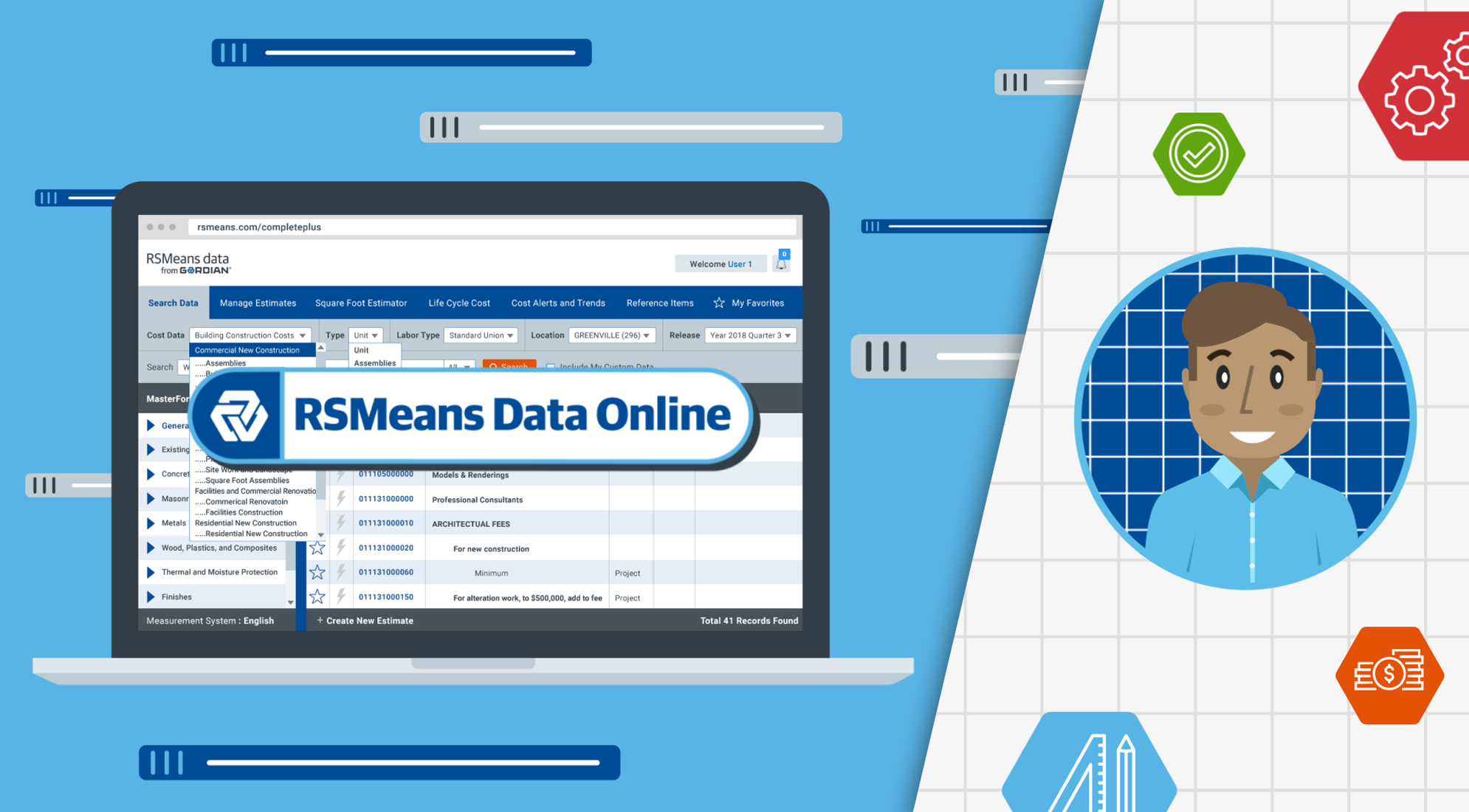
The RSMeans database is a comprehensive tool used by construction professionals to estimate costs accurately. It's a go-to resource for anyone involved in building, from contractors to architects and even homeowners taking on a renovation. This database provides detailed information on various construction elements, from materials to labor, helping users make informed decisions and create precise budgets.
One of the key advantages of RSMeans is its ability to provide location-specific data. Construction costs can vary significantly depending on where you are, and this database takes that into account. It offers regional insights, ensuring your estimates are relevant and accurate for your specific area. Whether you're in Atlanta or San Francisco, RSMeans has you covered.
Estimating Costs with Precision
When it comes to cost estimation, RSMeans is a game-changer. It provides detailed cost data for a wide range of construction projects, helping you avoid those nasty surprises down the line. With RSMeans, you can get an accurate picture of the costs involved, from the initial materials to the final touches.
For instance, if you're planning a bathroom renovation, RSMeans can give you an idea of the cost of materials like tiles, fixtures, and plumbing, as well as the labor involved. It's like having an expert by your side, guiding you through the entire process. And the best part? You can compare quotes from different contractors with confidence, knowing you have a reliable benchmark.
Choosing the Right Contractor
Hiring a contractor is a big decision, and RSMeans can help you make an informed choice. By using this database, you can ensure the quotes you receive are fair and accurate. It's a great way to weed out the cowboys and find a reputable, reliable contractor.
When reviewing quotes, look for detailed breakdowns. A good quote should include costs for materials, labor, and any additional fees. It's also worth checking the contractor's experience and reputation. RSMeans can't do that for you, but it's a great starting point to ensure you're on the right track.
Building a Construction Business
If you're in the business of construction, a unique and memorable name is key. It's your brand, your identity. A good name can set you apart and make you memorable. Here are a few ideas to get you started:
- Build-It-Right
- Solid Foundations
- Crafted Spaces
- Home Evolution
- Constructive Solutions
Remember, when choosing a name, make sure it's available for registration and that the domain name is free. You don't want any legal headaches down the line!
The Bigger Picture
The construction industry is a vast and varied landscape. From small, local businesses to large, national firms, there's a place for everyone. While the big players often have the resources and reach, smaller companies can offer a more personalized service. It's all about finding the right fit for your project.
When it comes to jobs in construction, there's a role for everyone, from estimators to project managers and skilled laborers. Salaries can vary greatly depending on the role, experience, and location. It's a vibrant industry with plenty of opportunities for growth and development.
So, there you have it. The RSMeans database is a powerful tool for anyone in the construction game. It's a resource that can save you time, money, and headaches. Whether you're a homeowner, contractor, or industry professional, it's worth exploring.
Related: Canadian Construction Companies Essential Guide
Canadian construction companies are everywhere, and we often take them for granted. From building our homes to renovating our spaces, these companies play a vital role in shaping our communities. Let's explore what they offer and how they can help us create our dream spaces.
Building Our Dreams: An Introduction to Canadian Construction
Canadian construction companies are the backbone of our built environment. They are the experts who bring our architectural visions to life, whether it's constructing a new home, adding an extension, or transforming our living spaces through remodeling. These companies offer a range of services, from general contracting to specialized trades, ensuring every aspect of a project is covered.
When considering a construction project, it's important to understand the factors that influence costs. Pricing can vary depending on the scope, materials, and labor involved. Getting multiple quotes is essential to compare and find the best fit for your budget. Remember, the cheapest quote might not always be the best choice, as quality and expertise matter too.
Hiring a reputable contractor is crucial. Check their licenses, insurance, and references to ensure they are reliable and capable. Ask about their experience with similar projects and their ability to manage timelines and budgets. A good quote should provide a detailed breakdown of costs and a clear timeline, giving you peace of mind.
Naming Your Construction Business: A Creative Venture
Naming a construction company is an art. It should be memorable, reflect your brand, and stand out in a competitive market. Consider a name that evokes strength, reliability, and creativity. Some unique name ideas could be:
- BuildCraft
- Constructive Solutions
- Home Evolution
- Skyrise Builders
- EcoBuild
Remember to check name availability and secure your domain and local business registration to avoid legal issues.
The Construction Industry: Jobs and Opportunities
The construction industry offers a wide range of roles, from general contractors to specialized tradespeople. Estimators, project managers, and skilled laborers are in demand. Salaries vary depending on experience, location, and the scale of projects. Job boards, industry networks, and local construction associations are great places to start your search.
Industry Tools and Resources
Tools like RSMeans provide valuable cost data and resources for construction professionals. These databases help estimate project costs accurately, ensuring projects stay on budget. Construction companies rely on such tools to provide reliable estimates and manage projects effectively.
The Size of the Company: Does it Matter?
The size of a construction company can influence its capabilities. Larger firms often have more resources and specialized teams, allowing them to take on complex projects. Smaller companies, on the other hand, may offer a more personalized service and be better suited for smaller-scale projects. It's about finding the right fit for your needs.
Final Thoughts
Canadian construction companies are an integral part of our daily lives, and understanding their role can help us make informed decisions. Whether you're building, remodeling, or just curious, these companies offer a wealth of expertise and creativity. So, the next time you see a construction site, remember the hard work and dedication that goes into creating our built environment.