







Eso Steam Charts Editable Overview
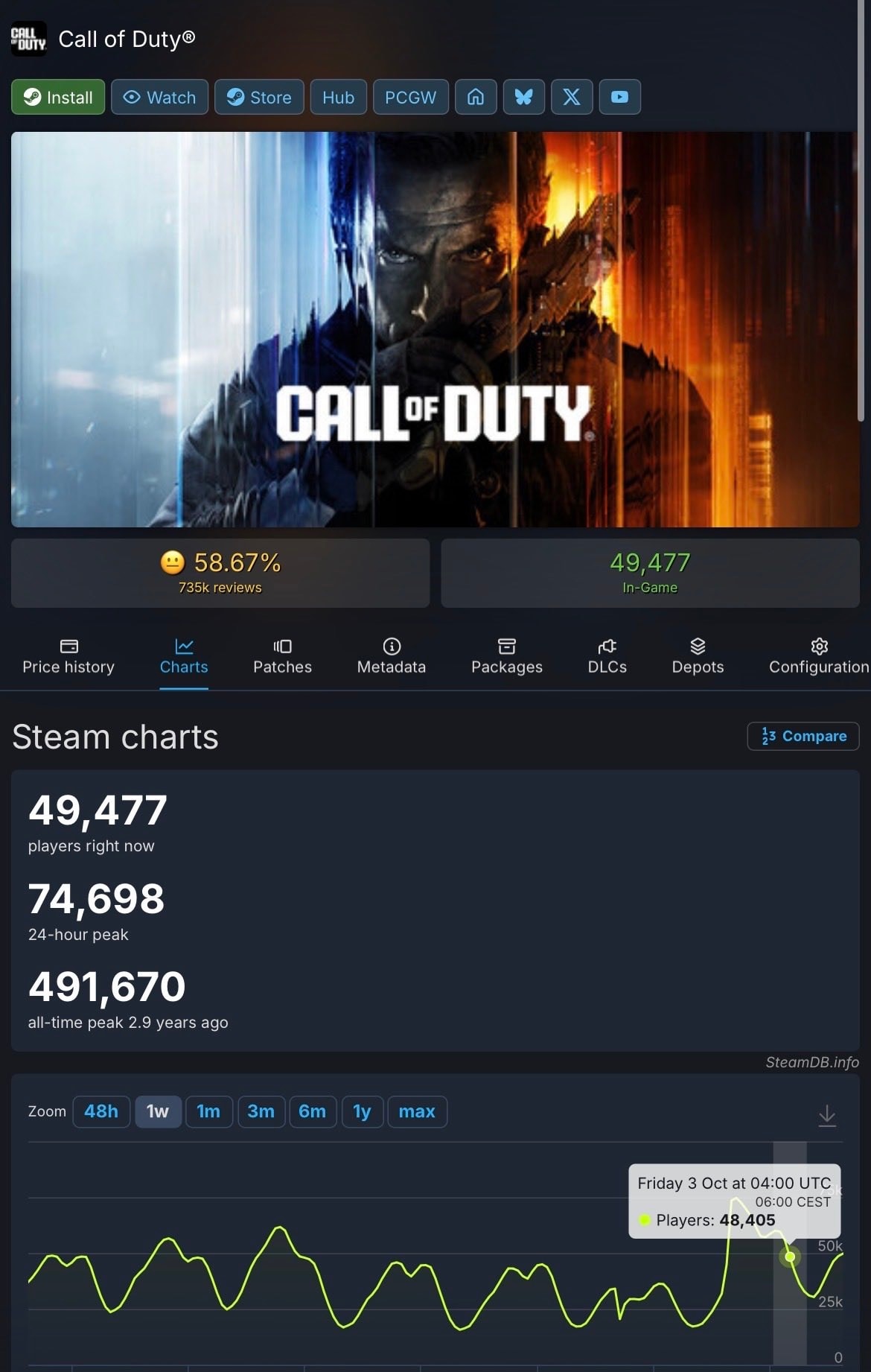
You're probably familiar with the term "bo7 steam charts" and are seeking a straightforward guide to understanding them. These charts offer a quick glimpse into the world of gaming analytics, providing valuable insights into player counts and game popularity. Bo7 steam charts can vary depending on several factors, so it's essential to know how to interpret them accurately. With a simple reference like this, you can gain a better understanding of steam game charts and the data they present.
Understanding Bo7 Steam Charts: A Practical Guide
The Bo7 Steam Charts are a valuable resource for gamers and industry professionals alike, offering insights into the popularity and performance of games on the Steam platform. This guide will help you navigate and interpret these charts effectively.
Key Details and Categories
Bo7 Steam Charts typically display data on a daily, weekly, or monthly basis, providing a snapshot of a game's player count and engagement over time. The charts often feature a range of categories, including:
- Player Count: This represents the number of active players for a specific game during the chosen time frame.
- Peak Players: The highest recorded player count for a game within the selected period.
- Average Players: The mean player count, calculated by averaging the daily player numbers.
- Concurrent Players: A measure of the maximum number of players online simultaneously.
- Game Popularity: A ranking or index indicating a game's overall popularity relative to others.
Interpreting the Data: A Step-by-Step Guide
To read and understand Bo7 Steam Charts, follow these steps:
- Identify the Time Frame: Determine whether the chart represents daily, weekly, or monthly data. This context is crucial for interpreting the trends.
- Locate the Game: Find the specific game you're interested in on the chart. Each game is typically represented by a unique line or color.
- Examine the Player Count: Pay attention to the scale of the chart. The y-axis often represents the player count, with higher values indicating greater popularity.
- Analyze Trends: Look for patterns over time. Is the player count consistently high, or does it fluctuate? Are there any significant spikes or drops?
- Compare Games: If the chart includes multiple games, compare their trajectories. This can provide insights into relative popularity and market trends.
- Consider Peak and Average Players: Note the difference between peak and average players. A game with a high peak but low average may indicate a dedicated fan base with sporadic playtimes.
- Interpret Concurrent Players: Concurrent players offer insights into a game's ability to sustain a large player base simultaneously. Higher concurrent numbers suggest a more engaging or multiplayer-focused game.
Variations and Differences Across Standards
It's important to note that Bo7 Steam Charts can vary depending on the standard or context. Here are some key factors that may influence the data:
- Game Genre: Different genres may have varying player retention rates and engagement patterns.
- Release Date: Newer games may experience a surge in players initially, while older games might have a more stable player base.
- Seasonal Trends: Certain games may see increased popularity during specific times of the year, such as holiday periods or special events.
- Platform Exclusivity: Games exclusive to Steam may have different player counts compared to those available on multiple platforms.
- Regional Differences: Player demographics and preferences can vary across regions, impacting game popularity.
Common Mistakes and How to Avoid Them
When interpreting Bo7 Steam Charts, avoid these common pitfalls:
- Assuming Direct Correlation: Player count alone doesn't always reflect a game's quality or success. Other factors like marketing, reviews, and player engagement should be considered.
- Ignoring Context: Always consider the time frame and any external factors that may influence player behavior.
- Overlooking Game Specifics: Each game has unique characteristics. Understand the game's genre, target audience, and release strategy to interpret the data accurately.
- Relying Solely on Charts: While Bo7 Steam Charts provide valuable insights, they are just one piece of the puzzle. Combine them with other analytics and industry knowledge for a comprehensive understanding.
- Failing to Update: Charts represent a snapshot in time. Regularly check for updates to ensure you have the latest data.
Hey there! I hope this guide has given you a clear understanding of the Bo7 Steam Charts and how to use them effectively. Remember, while the basics remain consistent, there might be slight variations in the exact details depending on the context and your specific needs.
Feel free to explore our other guides; we've got a range of practical resources to help you navigate various topics with ease. Happy learning, and keep those charts organized!
Related: A Clear Guide to Praise Drum Charts
Frustrated by the lack of a quick reference guide? You're not alone. That's why the praise drum chart is an invaluable tool for any musician or enthusiast. This chart, a simple yet effective visual aid, offers a clear and concise way to understand and compare various aspects of praise drums. From drum size charts to tension and tuning, it provides a snapshot of essential information. With this chart, you can quickly grasp the differences and nuances, ensuring an accurate and efficient approach to your musical needs.
Understanding the Praise Drum Chart
The praise drum chart is an essential tool for musicians and enthusiasts, offering a visual representation of key specifications for african praise drums. It provides a quick reference guide to help you choose the right drum and ensure accurate tuning.
Key Details and Categories
This chart typically includes several crucial categories: drum size, measured in both diameter and depth; drumhead tension, which affects the sound and pitch; and tuning methods, offering different approaches to achieve the desired tone. It may also feature a range of standard drum sizes, providing a starting point for your selection.
Interpreting the Chart: A Step-by-Step Guide
- Begin by identifying the drum size you require. The praise drum chart will usually list common sizes, often in both inches and centimeters, to cater to different regions and preferences.
- Next, consider the desired tension and tuning method. These factors will influence the sound and playability of your drum. The chart will provide guidance on achieving the right tension and tuning for your chosen size.
- Follow the chart's recommendations for tuning and tension adjustments. This may involve using specific tools and techniques to achieve the desired sound.
- Finally, fine-tune your drum. The chart can guide you in making minor adjustments to achieve the perfect pitch and tone.
Variations and Differences
It's important to note that praise drum charts may vary depending on the standard or region. Here are some key factors that can cause variations:
- Drum size: While some charts provide a comprehensive list of standard sizes, others may focus on specific ranges or popular dimensions.
- Tuning methods: Different cultures and musical traditions may employ unique tuning techniques, which can result in varied recommendations on the chart.
- Regional preferences: The intended audience of the chart can influence the featured sizes and tuning methods.
Common Mistakes and How to Avoid Them
- Misinterpreting the chart: Ensure you understand the units and measurements used. Some charts may use imperial units (inches), while others opt for metric (centimeters).
- Neglecting drumhead tension: Tension is crucial for the sound and playability of your drum. Don't overlook the tension recommendations on the chart.
- Assuming universality: Remember that while praise drum charts provide valuable guidance, they may not cover every possible size or tuning method. Always double-check specific drum specifications if you require precise details.
- Overlooking regional variations: Be mindful of regional differences in drum sizes and tuning preferences. If you're working with a specific cultural tradition, ensure the chart aligns with those standards.
While this guide offers a comprehensive overview, it's worth noting that specific details may differ slightly based on your unique context or the source you're referencing. Remember, every resource has its own nuances, so it's always beneficial to cross-reference and adapt as needed.
Feel free to explore our other guides for more practical insights and tips. And when you need a quick refresh, don't forget to bookmark this page for easy access!
Related: Understand Chicos Size Charts Easily
Many folks assume that chicos size charts are a one-size-fits-all deal, but that's a common misconception. These charts are actually tailored to the brand's unique sizing system, which can vary from other standard measurements.
So, while it's a simple reference tool, understanding how to read and interpret chicos size charts accurately is key to getting the perfect fit. It's all about knowing your measurements and finding the right correlation on the chart.
Understanding the Chicos Size Chart
The chicos size chart is a handy tool to help you find your perfect fit when shopping for clothing. It provides a clear guide to the standard measurements used by Chicos, ensuring you can easily navigate their sizing system. This chart is a great reference, especially when shopping online, as it gives you an accurate idea of the sizes available and how they correspond to your own measurements.
Comparing Size Chart Standards
Chicos' size chart follows a standard format, typically based on US sizing, which is widely used in North America. This chart provides measurements for various body parts, including bust, waist, hips, and inseam, to ensure a precise fit. It's important to note that while US sizing is common, other regions may use different standards, such as metric or European sizing. So, if you're used to a different system, it's a good idea to double-check the specific measurements and conversions.
Measuring Yourself for Accurate Sizing
To use the chicos size chart effectively, you'll need to take some key measurements. Here's a step-by-step guide:
- Bust: Measure around the fullest part of your bust, keeping the tape measure parallel to the floor.
- Waist: Measure your natural waistline, usually just above the belly button.
- Hips: Find the widest part of your hips and measure around, ensuring the tape is level with the floor.
- Inseam: For pants and jeans, measure from your crotch to the desired pant length.
Once you have these measurements, you can refer to the size chart and find the closest match. The chart will provide a range of measurements for each size, so you can choose the one that best fits your body.
Common Misreadings and How to Avoid Them
One common mistake is assuming that all clothing brands use the same size standards. While Chicos' size chart is a great guide, it's always a good idea to check the specific brand's size guide, especially if you're a regular customer. Another pitfall is measuring yourself incorrectly. Ensure you're measuring the right body parts and following the guidelines accurately. Finally, don't forget that sizing can vary slightly between different styles and fabrics, so always check the product details for any specific size notes.
Hey there, we hope you found this guide helpful and that it's now easier to navigate the world of Chicos size charts. Remember, while we've covered the basics, exact details might differ slightly, so always double-check with the brand's guidelines or consult our other guides for more specific info.
Consider bookmarking this page for future reference; it's a handy tool to have at your fingertips when you need to quickly look up those size charts!