



Estate Planning Questionnaire Template Overview
An NPT size chart is a valuable resource for anyone working with pipe fittings and connections. This guide will provide you with an overview of what these charts entail and how they can be utilized effectively.
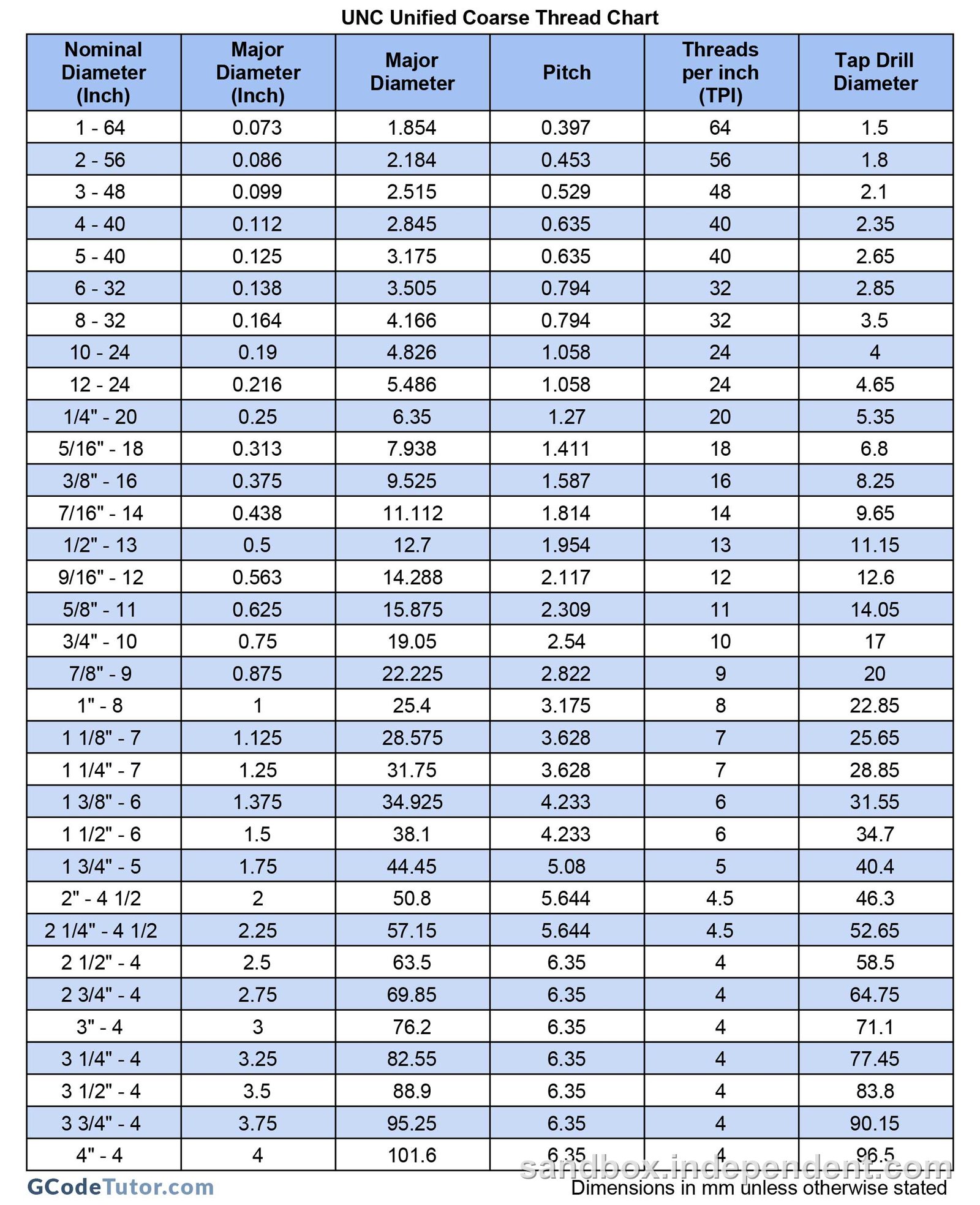
The NPT size chart offers a standardized way to identify and select the right pipe threads and fittings. It covers various dimensions, including thread sizes, tapers, and other specifications, which can vary depending on the region and application. By referring to this chart, you can ensure accurate and compatible connections, a critical aspect of any plumbing or piping project.
Understanding the NPT Size Chart
The NPT size chart is a valuable reference tool for anyone working with National Pipe Thread (NPT) fittings and connections. It provides a clear overview of the standard sizes and dimensions, ensuring accurate selections and installations.
Key Details and Categories
This chart outlines the various NPT thread sizes, including their outer diameter, thread pitch, and taper. It typically covers a range of sizes, from the smallest to the largest, with each size category providing specific measurements. The units used are inches, a common standard for NPT threads.
Reading the Size Chart: A Step-by-Step Guide
- Identify the size category you need. The chart will likely have a column or section dedicated to size categories, such as 1/8", 1/4", 1/2", and so on.
- Once you've identified the size, locate the specific dimensions. These will include the outer diameter (OD), which is the overall size of the pipe or fitting, and the thread pitch, which is the distance between threads.
- For a more detailed analysis, some charts may also provide information on the taper, which is the angle of the thread relative to the pipe axis. This is particularly important for ensuring a proper seal and connection.
- Finally, double-check the tolerance levels. While the chart provides standard dimensions, there may be slight variations or tolerances allowed for each size. These tolerances ensure that different NPT fittings can still connect effectively, even with minor manufacturing differences.
Common Variations and Differences
While the NPT size chart provides a standardized reference, variations can occur due to different manufacturing processes, materials, and regional standards. For instance, while the chart typically uses inch measurements, some regions may use metric units, leading to slight differences in dimensions. Additionally, while the chart provides standard sizes, some manufacturers may offer slightly modified dimensions to suit specific applications. It's essential to refer to the exact specifications provided by the manufacturer or supplier to ensure compatibility and accuracy.
Well, there you have it, a handy guide to navigating the NPT size chart. It's always a good idea to familiarize yourself with these charts and their nuances, especially when precision is key.
Remember, while this chart provides a comprehensive overview, exact values can vary slightly across different standards and sources. So, be sure to double-check your specific requirements and context before making any final decisions. Consider bookmarking this page for future reference; it might just save you some time and effort the next time you need it!
Related: Understanding My OSF Chart: A Simple Guide
You're probably here because you need a quick answer, a reliable reference, or a simple guide to my OSF chart. It's a handy tool, a chart or scale, that offers a visual way to understand and work with OSF dimensions and conversions. This chart is a go-to for many, providing an easy-to-read reference, especially when you need accurate measurements.
Understanding the OSF Chart
The OSF (Overall Service Factor) chart is a valuable tool for understanding and applying a standardized measurement system. It provides a clear reference for various dimensions and factors, making it an essential guide for many industries and applications.
Key Details and Prerequisites
Before diving into the chart, it's important to know that the OSF scale is typically used for measuring and converting dimensions, especially when dealing with mechanical parts and equipment. The chart provides a simple way to convert between OSF values and standard measurements like inches or millimeters.
Step-by-Step Method for Using the OSF Chart
- Identify the OSF value you need to convert or work with. This value represents a specific dimension or factor related to the item you're dealing with.
- Locate the corresponding OSF value on the chart. The chart will usually have a clear legend or key to help you identify the correct value.
- Use the chart to find the equivalent measurement in inches or millimeters. The chart will provide a direct conversion, making it easy to understand the physical dimensions represented by the OSF value.
- Apply this measurement to your calculations or specifications. Whether you're designing a part, ordering equipment, or troubleshooting an issue, the OSF chart ensures you're working with accurate dimensions.
Variations and Potential Issues
While the OSF chart is a standardized tool, variations can occur due to different regional standards or specific industry requirements. For example, some regions may use the metric system, while others prefer imperial units. Additionally, certain industries might have unique tolerances or specifications that deviate from the standard OSF chart. It's crucial to double-check the exact standards and tolerances for your specific application to avoid any potential issues.
Practical Tips and Best Practices
To ensure accurate use of the OSF chart, always refer to the latest version provided by a reputable source. Outdated charts may not reflect the most recent industry standards. Additionally, be mindful of the units you're working with and ensure they align with the chart's measurements. If you're unsure, convert your measurements to the appropriate units before referencing the chart. Finally, when in doubt, consult with experts or refer to industry-specific guidelines to ensure you're applying the OSF chart correctly for your unique application.
Well, there you have it! A handy guide to your OSF chart, a simple yet powerful tool. Remember, while the basics remain the same, the exact details might shift a bit based on your specific needs and context.
Feel free to explore our other guides for more practical tips and tricks. And when you need a quick refresh, just bookmark this page for easy access!
Related: French Door Installation Cost Easy Guide
I was browsing home improvement ideas online when I stumbled upon the phrase "french door installation cost." It got me thinking about how much it would cost to install those elegant, wide-opening doors in my own home. So, I decided to do some research and share my findings with fellow homeowners.
Understanding French Door Installation Costs
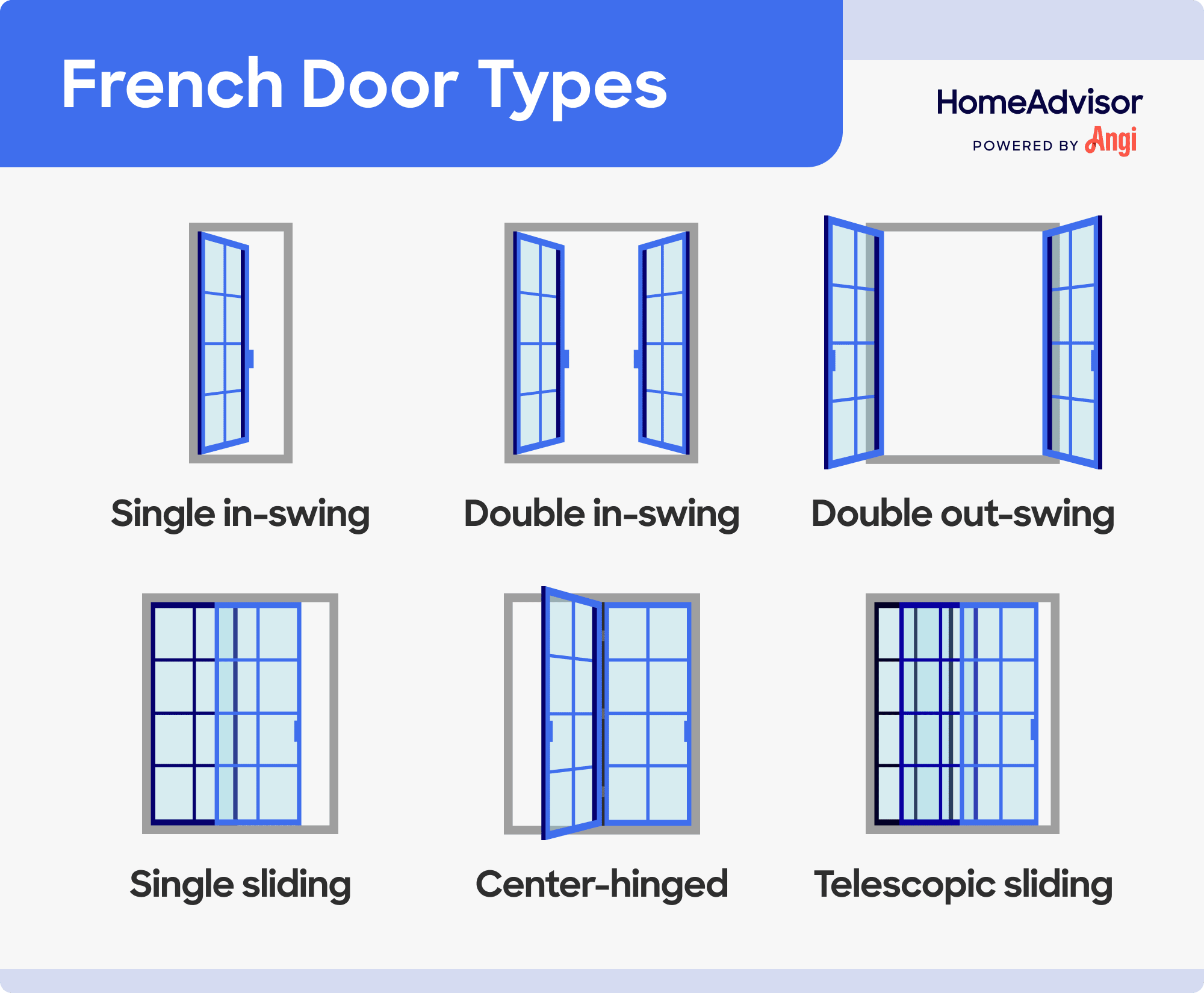
When it comes to installing French doors, there are a few key factors that can influence the overall cost. Firstly, the size and style of the doors themselves play a significant role. French doors come in various materials, including wood, fiberglass, and vinyl, each with its own price range. The size of the opening and the number of doors you need will also impact the final cost.
Another major factor is the labor involved. Installing French doors requires skilled labor, and the complexity of the job can vary. If the installation is straightforward, with no major structural changes needed, the labor costs will likely be lower. However, if additional work is required, such as modifying the door frame or making adjustments to the surrounding walls, the labor costs will increase accordingly.
Getting Quotes and Comparing Prices
To get an accurate idea of the french door installation cost, it's essential to obtain quotes from multiple contractors or remodeling companies. When requesting quotes, be sure to provide detailed information about your project, including the size and style of doors you want, the current state of your door frame, and any specific requirements or preferences you have.
When comparing quotes, look beyond the bottom line. Consider the reputation and experience of the companies, their warranties and guarantees, and the level of detail provided in their quotes. A comprehensive quote should include a breakdown of costs, covering materials, labor, and any additional expenses like permits or disposal fees.
Choosing a Contractor or Company
Selecting the right contractor or company for your French door installation is crucial. Here are a few tips to help you make an informed decision:
- Check their credentials and licensing. Ensure they are properly licensed and insured for the work they will be performing.
- Ask for references and read online reviews. Previous customers' experiences can provide valuable insights.
- Inquire about their experience with French door installations. Ask to see examples of their work and how they handle potential issues or challenges.
- Get a clear understanding of their warranty and guarantee policies. This will give you peace of mind in case any issues arise after the installation.
Company Names and Naming Ideas
When it comes to naming a construction or remodeling business, simplicity and clarity are often best. A name should reflect the services offered and be easy to remember. Here are a few original name ideas for construction companies:
- BuildCraft
- HomeCrafters
- Structure Solutions
- Renovate & Revive
- DoorWay Innovations
- Framing Future
Remember to check the availability of the name, domain, and local registration before finalizing your choice.
Wrapping Up
Understanding the factors that influence french door installation cost and taking the time to research and compare quotes will help you make an informed decision. Whether you're looking to enhance your home's curb appeal or improve functionality, French doors can be a beautiful addition. So, take that first step, gather some quotes, and start planning your home improvement project!