


Estimate Note Template Overview
A trumpet note chart is a handy tool for any trumpeter, offering a quick glance at the notes and their corresponding fingerings. This guide will take you through the basics, ensuring you can read and use the chart with ease.
It's a simple reference, but an essential one, as it covers the standard range and common scales. While the exact values may vary slightly, the chart provides a solid foundation for understanding note names and their pitch frequencies.
Understanding the Trumpet Note Chart
The trumpet note chart is a valuable tool for any trumpeter, offering a visual representation of the notes and their corresponding fingerings. It's like a map, guiding you through the world of trumpet playing. This chart simplifies the process of learning and mastering different notes, making it an essential resource for beginners and experienced players alike.
Key Details and Categories
Before diving into the chart, it's crucial to understand some basics. The chart typically covers the standard range of a trumpet, which includes both the natural notes and those produced using valve combinations. You'll find notes organized by their pitch frequency, from low to high. Each note is represented by a specific fingering, often shown as a combination of valve positions. Additionally, some charts may include alternate fingerings, offering options for different playing styles or instruments.
Reading the Notation and Applying It
Using the trumpet note chart is straightforward. Start by identifying the note you want to play. Then, locate it on the chart, which will show you the correct fingering. For example, if you want to play a C note, you'll see a specific valve combination indicated. Follow this fingering, and you'll produce the desired note. It's as simple as that! Practice reading the chart and applying the fingerings to become more comfortable with it. Over time, you'll develop muscle memory, making note transitions seamless.
Variations and Differences
While the trumpet note chart provides a solid foundation, it's important to note that variations exist. Different standards, such as US or international, may have slight differences in note names or fingerings. Additionally, some charts might focus on specific scales or playing techniques. Always double-check the exact specifications for your instrument and playing style. Here are some common factors that can cause variations:
- Standard range variations: Some charts may extend beyond the standard range, offering additional notes.
- Instrument type: Different trumpet models might have slight variations in fingering.
- Playing style: Certain charts cater to specific genres or techniques, like jazz or classical.
- Alternate fingerings: These provide options for achieving the same note with different finger combinations.
Remember, the trumpet note chart is a versatile tool, but it's essential to adapt it to your specific needs and context. With practice and familiarity, you'll navigate the chart with ease, unlocking the full potential of your trumpet playing.
Well, there you have it! A handy trumpet note chart can be a great tool to have in your musical arsenal. Remember, these charts provide a solid foundation, but exact values might differ slightly across different standards or resources.
So, before you put your new knowledge into practice, take a moment to ensure you're using the right chart for your specific needs. And don't forget to explore our other guides; there's plenty more musical magic to discover!
Related: Learn the Violin Notes Chart: A Simple Guide
A violin notes chart is a handy tool for any violinist, offering a quick glance at the notes and their positions. This guide will cover the basics, helping you navigate and utilize this reference effectively.
The chart provides a visual representation of the violin's strings and their corresponding notes. While the standard tuning is a common reference point, it's worth noting that variations can occur, especially with different playing styles and regional traditions.
Understanding the Violin Notes Chart
The violin notes chart is a handy tool for any violinist, offering a visual guide to the notes and their positions on the fingerboard. It's like a map, helping you navigate the strings and find the right notes with ease. This chart is especially useful for beginners, providing a clear reference point as they learn to play.
Comparing Note Patterns and Formats
There are various types of violin notes charts, but the most common format shows the fingerboard with frets or positions marked. Each fret or position corresponds to a specific note. You'll often see charts with different colors or symbols to indicate the notes on each string. Some charts also include finger placement guides, showing you where to position your fingers for each note.
Using the Chart: A Step-by-Step Guide
- First, familiarize yourself with the chart. Understand the layout and how the notes are represented. Each string has its own unique set of notes, so pay attention to the differences.
- Next, locate the open strings. These are the notes played without pressing any fingers on the fingerboard. You'll see them at the top of the chart, typically marked as G, D, A, and E.
- Now, start exploring the notes on each string. Press your finger at the indicated positions to play the corresponding notes. For example, if the chart shows a green circle at the third position on the D string, that indicates the note F#.
- Practice moving between notes smoothly. Try playing scales or simple melodies using the chart as a guide. The more you practice, the easier it will be to memorize the note positions.
- As you advance, you can explore alternative tunings and more advanced techniques. The chart can still be a valuable tool, even for experienced players, as it provides a quick reference for less familiar pieces or new styles.
Common Misreadings and How to Avoid Them
One common mistake is assuming that the chart represents the exact position of your fingers. Remember, it's a guide, and your hand size and finger length may vary. Always adjust the finger placement slightly to find the most comfortable and accurate position for your hand.
Another pitfall is ignoring the context. The chart provides a general guide, but the specific piece you're playing may require slight variations. Always refer to the sheet music or listen to the piece to understand the intended notes and their context.
Factors Affecting Accuracy and Real-World Use
The accuracy of the violin notes chart depends on several factors. Firstly, the chart's scale and size can impact its precision. A larger chart may provide more detail, but it's essential to find a balance between size and portability.
Secondly, the chart's design and formatting can affect its usability. Look for charts with clear, easy-to-read fonts and colors. Avoid overly complex designs that may distract from the main purpose of the chart.
Lastly, remember that the chart is a tool, not a substitute for practice and musical understanding. It's a guide to help you find the right notes, but the real magic happens when you internalize the music and play with expression and feeling.
Hey there! We've covered a lot of ground in this blog post, giving you a comprehensive guide to violin notes charts. Remember, these charts are a handy tool, and while the basics remain the same, you might find slight variations depending on your specific needs and the source you're using.
So, the next time you're practicing or teaching, be sure to bookmark this page for a quick reference. It's always good to have these resources at your fingertips, and we've got plenty more guides to explore, so feel free to dive in and discover more!
Related: Flute Notes Chart: A Simple Guide
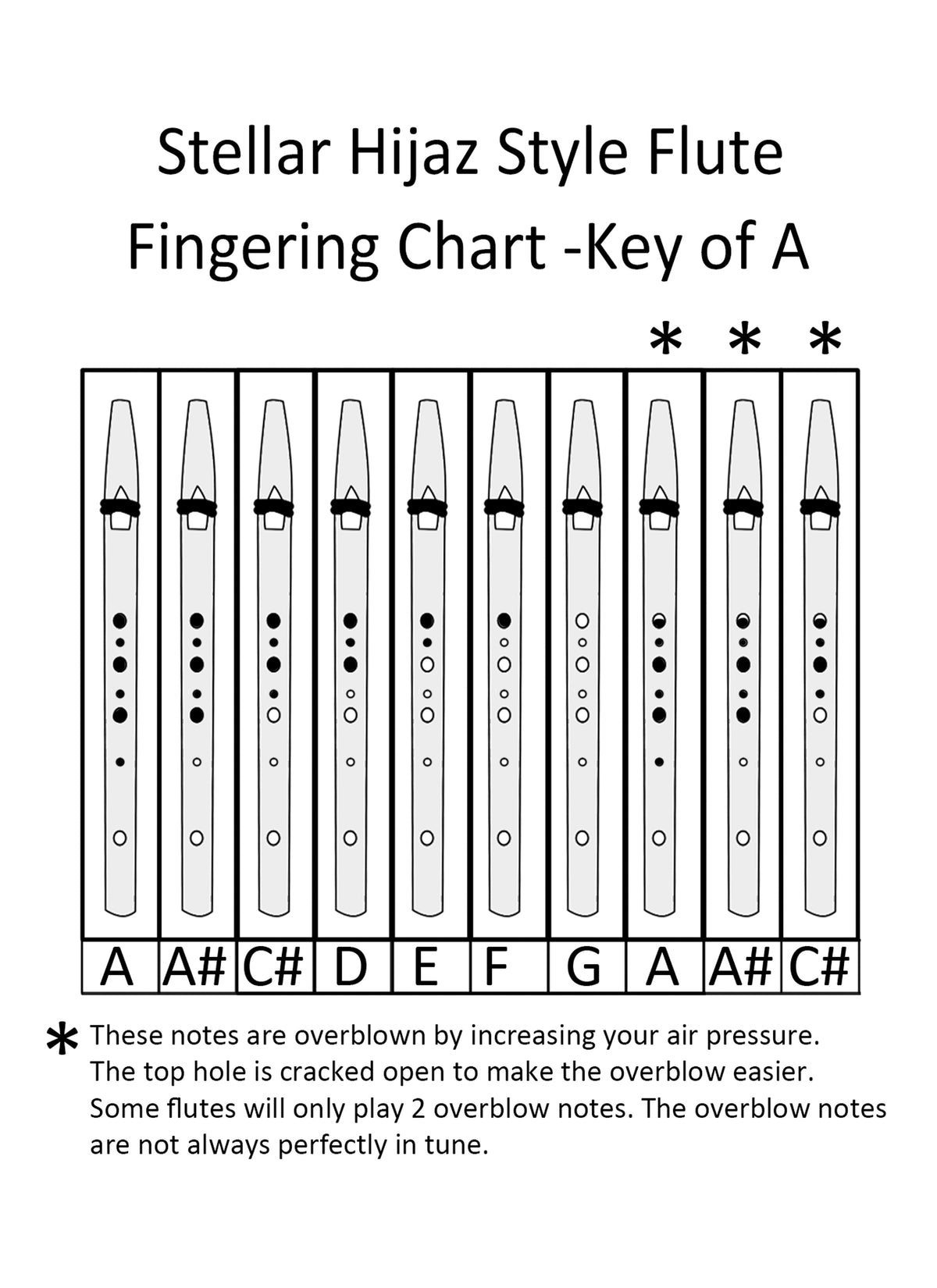
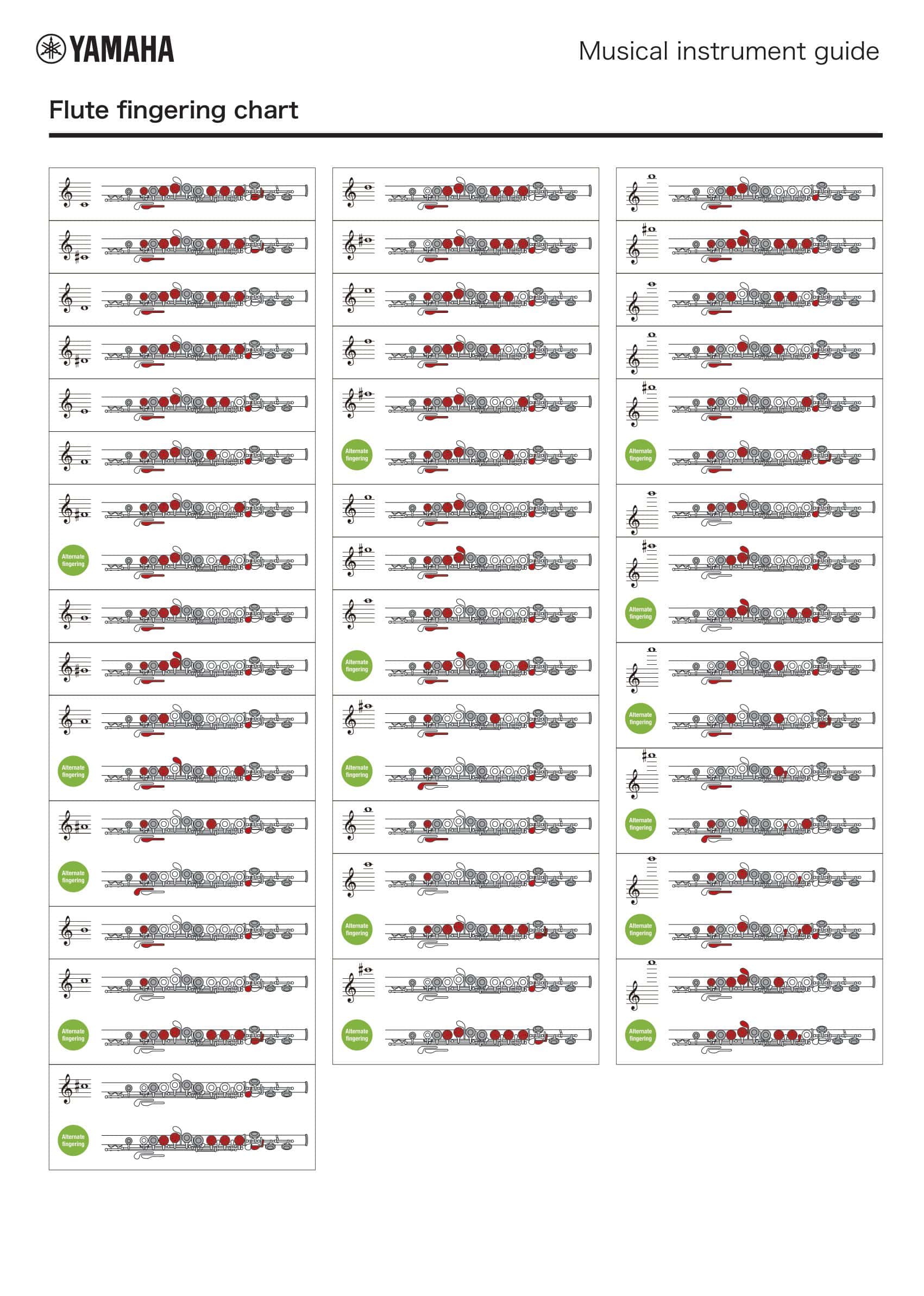
You're here, perhaps with your flute in hand, seeking a simple, reliable guide to navigate the world of flute notes. A flute notes chart is your trusted companion, offering a clear and concise visual representation of the notes you can produce. This chart, a valuable tool for musicians, presents the standard flute note range and beyond, with details that can vary depending on your instrument and playing style. It's a quick reference, ensuring you stay on track and play with precision.
The Flute Notes Chart: A Visual Guide
The flute notes chart is a valuable tool for flute players, offering a visual representation of the notes produced by the instrument. It provides a quick reference for understanding the relationship between finger positions and the corresponding musical notes. This chart is an essential guide for beginners and experienced flutists alike.
Key Details and Prerequisites
Before delving into the chart, it's important to understand some basic concepts. The flute notes chart typically displays the standard flute note range, which covers the notes from the lowest to the highest pitch achievable on a flute. It uses a combination of finger positions, or flute fingering, to represent different notes. The chart often includes common flute scales and note names, providing a comprehensive overview.
Understanding and Reading the Chart: A Step-by-Step Guide
The flute notes chart usually features a grid-like structure, with finger positions represented horizontally and note names or pitches vertically. Each intersection represents a specific note.
Locate the starting point, which is often marked as "C" or "Do." This is the reference point for all other notes. From there, you can identify the finger positions required to play each note.
Pay attention to the alternate fingerings indicated on the chart. These are alternative ways to produce the same note, offering options for players to adjust their technique or achieve a desired sound.
Practice reading the chart by identifying a specific note and finding its corresponding finger position. Then, try playing that note on your flute to reinforce the connection between the visual representation and the actual sound.
As you become more familiar with the chart, you can use it to explore different scales and musical phrases. The chart serves as a roadmap, guiding you through the finger positions needed to play various melodies.
Variations and Differences: Factors to Consider
While the flute notes chart provides a standardized reference, variations can occur due to several factors:
Standard flute note range can differ slightly between different flute models or types. Always check the specific range for your flute.
The chart may not account for all possible fingerings or techniques. Some advanced players might discover unique fingerings not commonly used.
Pitch chart accuracy can be influenced by factors like flute quality, player technique, and environmental conditions.
Different regions or manufacturers might use slightly different standards for note frequencies or labels.
The chart is a guide, but practical exercises and experience are essential for mastering the flute.
Remember, the flute notes chart is a valuable tool, but it's important to verify specific details and tolerances for your flute and playing style. With practice and familiarity, it becomes an indispensable reference for your musical journey.
Flute notes are a fascinating subject, and this chart is a great tool to have in your musical arsenal. Remember, while the fundamentals remain consistent, the exact details can vary slightly depending on the standard or context. So, if you're keen to explore more, our site offers a range of guides and resources to satisfy your curiosity. Dive into the world of music theory and discover the endless possibilities!