



Estimate Proposal Template Word Overview
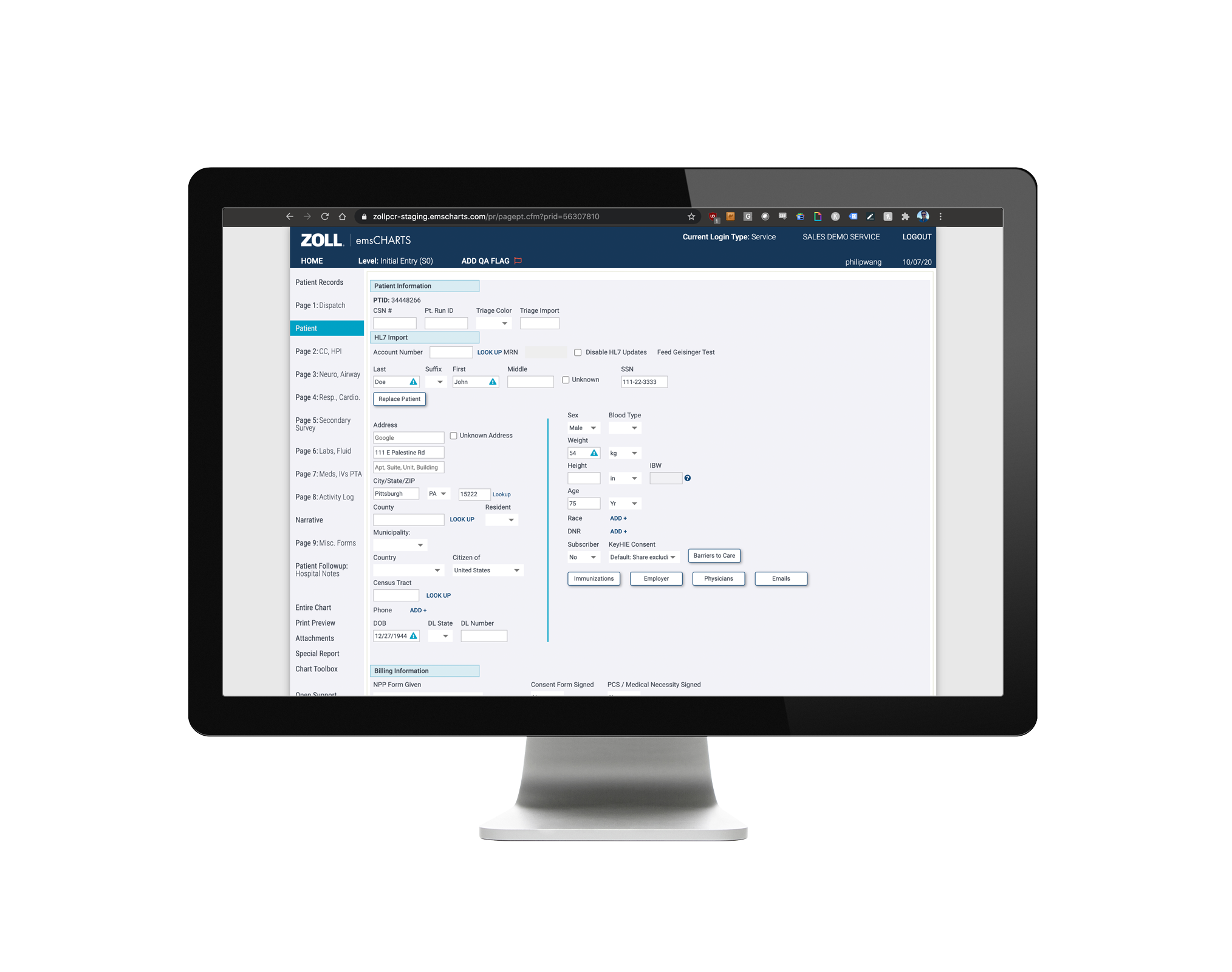
A common misconception about Zoll EMS charts is that they are complex and intimidating, often leading to confusion and errors in interpretation. However, these charts are designed to provide a straightforward and efficient way to navigate shipping and delivery processes.
The beauty of Zoll EMS charts lies in their ability to offer a quick reference guide, ensuring accurate understanding and application. Whether it's tracking EMS shipments, estimating delivery times, or utilizing Zoll's express services, these charts serve as a valuable tool, and their format may vary depending on the specific context and region.
Understanding Zoll EMS Charts
Zoll EMS charts are an essential tool for anyone involved in shipping and logistics, offering a visual representation of delivery times and shipment progress. These charts provide a clear overview of the estimated transit times for various shipping zones and can help businesses and individuals plan their operations effectively.
Key Details and Categories
The Zoll EMS chart typically displays information based on the origin and destination of the shipment. It considers factors like distance, mode of transport, and any potential delays or customs procedures. The chart often includes different zones, with each zone representing a specific geographic region or country. The units used on the chart are usually days, indicating the estimated time it takes for a package to reach its destination.
Reading and Applying the Chart
To utilize the Zoll EMS chart accurately, follow these steps:
- Identify the origin and destination of your shipment. This information is crucial to finding the correct zone on the chart.
- Locate the corresponding zone on the chart. Each zone is typically labeled with a unique identifier or name.
- Determine the estimated delivery time. The chart will display a range of days, indicating the typical transit time for that particular zone.
- Consider any potential delays. The chart provides an estimate, and actual delivery times may vary due to unforeseen circumstances.
- Plan your shipping strategy accordingly. Use the estimated delivery time as a guide to set expectations and manage customer communications.
Variations and Differences
It's important to note that Zoll EMS charts can vary depending on the specific standard or region being used. Different countries and shipping companies may have their own unique charts with slightly different zone definitions and delivery time estimates. Additionally, factors like weather conditions, customs procedures, and local holidays can cause variations in actual delivery times.
Common Mistakes and How to Avoid Them
One common mistake is assuming that the estimated delivery time is an exact, guaranteed timeframe. Always remember that these charts provide estimates, and actual delivery times can fluctuate. To avoid misunderstandings, communicate these potential variations to your customers or clients. Another mistake is not considering the specific requirements of your shipment. Certain items may have restrictions or additional customs procedures, which can impact delivery times. Ensure you understand any special considerations for your shipment.
Practical Tips for Accurate Results
To ensure accurate use of the Zoll EMS chart, consider these best practices:
- Regularly update yourself with the latest chart versions. Shipping standards and procedures can change, so staying informed is crucial.
- Double-check the specific requirements and restrictions for your shipment. Certain items may have unique handling or documentation needs.
- Communicate with your shipping provider. They can provide valuable insights and guidance based on their experience.
- Monitor the progress of your shipment. Track its journey and be aware of any potential delays or changes in delivery status.
- Plan for potential delays, especially during peak seasons or when shipping to remote locations. Build a buffer into your delivery estimates to manage expectations.
While the specifics of Zoll EMS charts may vary slightly depending on the context and the source you're using, the fundamentals remain the same. It's always a good idea to refer to the most up-to-date guidelines and resources to ensure accuracy and consistency in your practice.
Feel free to explore our other guides and resources for more practical insights and tips. We've got a range of topics covered, so you can continue your learning journey and stay informed.
Related: Uncover the Secrets of a Chord Chart Piano
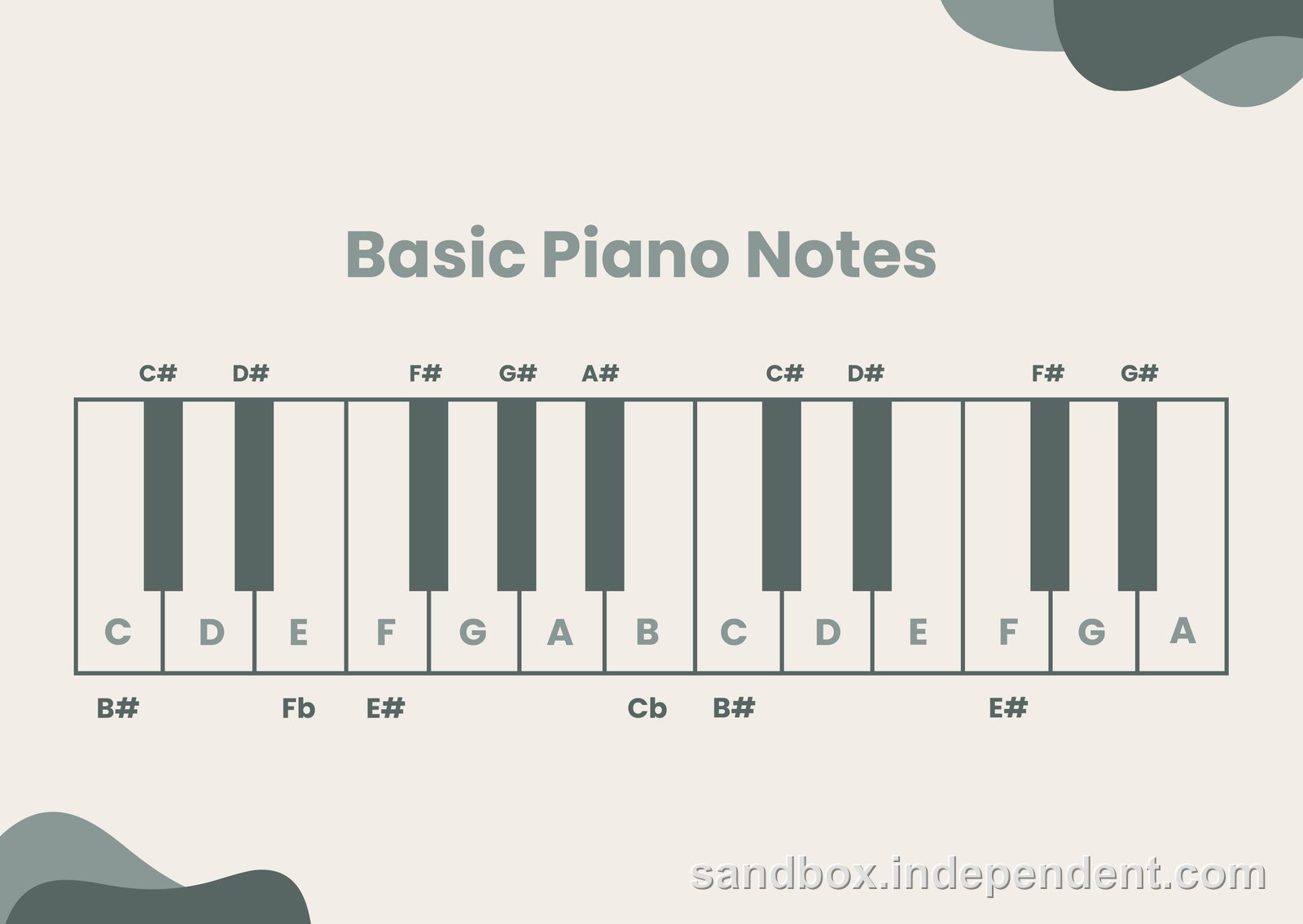
A common misconception about chord chart piano is that it's a complex and daunting tool, but in reality, it's a simple and incredibly useful resource for any pianist. This chart, often a pianist's best friend, is a straightforward guide, offering a visual representation of chords and their formations. While the format may vary, the essence remains the same: a quick reference for pianists to navigate and understand chord progressions and music notation with ease.
Understanding Chord Chart Piano: A Quick Overview
A chord chart piano is a valuable tool for musicians, offering a visual representation of chord structures and their corresponding finger positions on the piano. This chart acts as a quick reference guide, aiding pianists in playing various chords efficiently. It displays the piano keys and indicates where your fingers should be placed to form specific chords.
Comparing Common Chord Chart Formats
There are several formats for chord chart piano, each with its own advantages. The most common formats include:
Standard Notation: This traditional method uses symbols and notes to represent chords. It provides a comprehensive view of chord structure but can be complex for beginners.
Piano Chord Diagram: A simpler approach, often used for beginners, shows the piano keys and finger positions for each chord. It's an easy-to-read visual guide.
Chord Symbol Notation: A concise format using letters, numbers, and symbols to represent chords. While quick to read, it may require some familiarity to interpret accurately.
Step-by-Step Guide: Reading and Using a Chord Chart Piano
Follow these steps to effectively read and utilize a chord chart piano:
Identify the Chord: Start by locating the chord you want to play. Chord charts often list chords alphabetically or by their function in a song.
Find the Diagram: Look for the corresponding diagram or symbol representing the chord. This will show the finger positions and keys involved.
Place Your Fingers: Position your fingers according to the diagram. Ensure your fingers are correctly placed on the indicated keys.
Strum or Play: Once your fingers are in position, strum or play the chord. Adjust your fingers slightly if needed to achieve a clear, harmonious sound.
Practice and Memorize: Repeat this process for different chords. With practice, you'll memorize common chord shapes and positions, making playing smoother and faster.
Avoiding Common Misreadings and Pitfalls
To ensure accurate interpretation, watch out for these common misreadings:
Chord Chart Piano Variations: Different charts may use slightly different symbols or notations. Always refer to the legend or key provided with the chart to understand the specific symbols used.
Major and Minor Chords: Distinguish between major and minor chords, as their finger positions can be similar but result in different sounds. Pay attention to the chord symbol or diagram to ensure you're playing the correct type.
Finger Positioning: Ensure your fingers are correctly placed on the keys. Misplaced fingers can result in an incorrect chord or a dissonant sound.
Factors Affecting Accuracy and Real-World Use
Several factors can influence the accuracy and practicality of using a chord chart piano:
Instrument Type: While these charts are designed for pianos, they can also be adapted for other keyboard instruments. However, the finger positions may vary slightly due to differences in key sizes and layouts.
Chord Progressions: In real-world playing, you'll often encounter chord progressions, where chords change rapidly. Practicing and memorizing common progressions will help you transition smoothly between chords.
Advanced Chord Techniques: As you advance, you may encounter more complex chords and techniques. Some charts may not cover these, so you might need to refer to more specialized resources.
Choosing the Right Chord Chart Format for Your Needs
Select the most suitable chord chart piano format based on your skill level and goals:
Beginners: Opt for a piano chord diagram or a chart with simple, easy-to-understand symbols. These provide a clear visual guide without overwhelming complexity.
Intermediate Players: Consider a chart that offers a balance between simplicity and detail. Look for charts that include both chord symbols and diagrams, providing a quick reference for common chords.
Advanced Musicians: Choose a comprehensive chart with a wide range of chords and variations. These charts often include advanced techniques and less common chord structures.
Keeping Your Reference Reliable for Future Use
To ensure your chord chart piano remains a reliable reference:
Regular Practice: Consistent practice is key. The more you use the chart, the more familiar you'll become with chord shapes and positions, reducing the need for constant reference.
Update and Expand: As your skills progress, consider updating your chart or adding new sections for advanced chords and techniques. This keeps your reference relevant and useful.
Digital vs. Physical: Digital charts offer convenience, but physical charts can be more durable and easier to reference quickly during live performances. Consider having both for different scenarios.
Chord charts are a fantastic tool, and it's great to have a solid understanding of how to use them effectively. Remember, the exact details may differ slightly based on your specific needs and the resources you're working with, so adapt and customize as you see fit.
There's a wealth of knowledge to explore in the world of music, and we've got plenty of guides to help you along the way. Feel free to browse our other resources; you might find some hidden gems to enhance your musical journey!
Related: Find Your Perfect Fit: The Wig Length Chart
Many people struggle with understanding wig length charts, often assuming they are complex and intimidating. But fear not, they are actually a simple and handy tool!
The wig length chart is your friend, providing a clear visual guide to help you choose the right wig length. It's a straightforward reference, offering a quick solution to ensure you get the perfect fit and style. While the values might vary slightly, the chart's purpose remains the same: to make your wig journey an easy and enjoyable one!
Wig Length Chart: Unlocking the Perfect Fit
Wig length charts are your secret weapon to finding the ideal wig. These charts provide a visual guide to help you understand and choose the right wig length based on your preferences and head shape. It's like having a personal stylist at your fingertips!
Key Details and Categories
The wig length chart typically displays different wig lengths, often categorized into short, medium, and long. These categories are further divided into sub-lengths, offering a more precise selection. You'll find measurements in inches or centimeters, depending on the standard used. For instance, a short wig might range from 8 to 14 inches, while a long wig could go beyond 20 inches.
Reading and Applying the Chart
Using the wig length chart is simple:
- Identify your preferred wig length. Are you aiming for a chic bob or a flowing, Rapunzel-inspired look?
- Check the chart for the corresponding category. Short, medium, or long?
- Within each category, find the specific length that matches your vision.
- If you're between sizes, consider your face shape and personal style. A little adjustment can make a big difference!
Variations and Differences
It's important to note that wig length charts may vary slightly across different manufacturers and standards. Some brands might offer more detailed sub-lengths, while others keep it simple. Additionally, the chart's categories and measurements can differ between human hair wigs and synthetic ones. Always double-check the specific chart for the wig you're interested in to ensure an accurate fit.
Common Mistakes to Avoid
A common pitfall is relying solely on the chart without considering your head size and shape. Remember, wig lengths are just one aspect; the overall fit is crucial. Another mistake is ignoring the hair density and style. Thicker hair might require a slightly larger wig cap for comfort. Always measure your head accurately and refer to a wig cap size chart for guidance.
Practical Tips for Accurate Results
To ensure the best fit, measure your head circumference at the widest point, usually just above the ears. This measurement will help you choose the right wig cap size. When trying on wigs, adjust the straps or combs for a comfortable, secure fit. If you're between sizes, consider going up a size for a more relaxed feel.
Double-Checking and Edge Cases
While the wig length chart is a valuable tool, it's not an exact science. Individual head shapes and preferences can vary greatly. If you're unsure, consult a professional stylist or wig expert. They can provide personalized advice and help you find the perfect wig length and style to complement your features.
In conclusion, the wig length chart is a fantastic resource for finding your ideal wig. By understanding the categories, reading the chart accurately, and considering your unique features, you'll be well on your way to a confident and comfortable wig experience. Happy wig hunting!
Well, there you have it! A handy wig length chart that will be your go-to resource for all things wig-related. Remember, while this chart provides a great starting point, it's always wise to double-check the specific requirements or standards relevant to your project or context.
Consider bookmarking this page for future reference; it's a simple yet effective tool that will save you time and effort. Happy wig adventures!