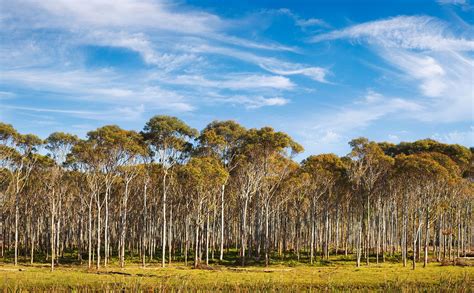
The eucalyptus tree, with its distinctive fragrance and versatile applications, is a wonder of nature that thrives in various climates around the world. Native to Australia, these trees have adapted to grow in diverse environments, from the scorching deserts to the lush rainforests. Understanding the best climates for eucalyptus growth is essential for cultivators, environmentalists, and anyone fascinated by these magnificent trees.
Introduction to Eucalyptus Adaptability
Eucalyptus trees are known for their hardiness and ability to adapt to different climates. They can be found in almost every region of the world, from the freezing mountains to the arid deserts. This adaptability is due to the vast number of eucalyptus species, each with its unique characteristics and preferences. With over 700 species, eucalyptus trees can thrive in a wide range of temperatures, humidity levels, and soil types.
Temperature and Eucalyptus Growth
Temperature plays a crucial role in the growth and development of eucalyptus trees. Most species prefer mild to warm temperatures, ranging from 64°F to 90°F (18°C to 32°C). However, some species, such as the snow gum (Eucalyptus pauciflora), can tolerate frost and snow, while others, like the Tasmanian blue gum (Eucalyptus globulus), thrive in cooler temperatures. Understanding the temperature requirements of each species is vital for successful cultivation.
Rainfall and Water Requirements
Eucalyptus trees are known for their ability to survive in areas with low rainfall. Some species, such as the red ironbark (Eucalyptus sideroxylon), can tolerate drought conditions, while others, like the swamp gum (Eucalyptus ovata), prefer areas with high rainfall. The water requirements of eucalyptus trees vary depending on the species, climate, and soil type. In general, eucalyptus trees prefer well-drained soil and full sun to partial shade.
Soil and Nutrient Requirements
Eucalyptus trees can grow in a wide range of soil types, from sandy to clay soils. However, they prefer well-drained soil with a pH range of 6.0 to 7.0. The nutrient requirements of eucalyptus trees vary depending on the species and climate. In general, they require adequate amounts of nitrogen, phosphorus, and potassium. Eucalyptus trees also benefit from micronutrients like boron, copper, and manganese.
Regions with Ideal Climates for Eucalyptus
Several regions around the world offer ideal climates for eucalyptus growth. These include:
- Mediterranean regions: Countries like Spain, Italy, and Greece have a Mediterranean climate, characterized by warm summers and mild winters, making them ideal for eucalyptus cultivation.
- Australia: The eastern and southern regions of Australia provide a perfect climate for eucalyptus growth, with mild temperatures and adequate rainfall.
- California, USA: The western coast of the United States, particularly California, has a Mediterranean climate, making it an ideal location for eucalyptus cultivation.
- South Africa: The southern region of South Africa has a mild climate, with warm summers and mild winters, making it suitable for eucalyptus growth.
Challenges and Limitations
While eucalyptus trees are adaptable, they can face challenges in certain climates. Extreme temperatures, high humidity, and poor soil quality can affect their growth and development. Additionally, eucalyptus trees can be susceptible to diseases and pests, such as the eucalyptus leaf beetle and the fungal disease, Coryneum blight.
Conclusion
Eucalyptus trees are incredibly versatile and can thrive in various climates around the world. Understanding the temperature, rainfall, and soil requirements of each species is crucial for successful cultivation. By providing the right conditions, eucalyptus trees can grow into magnificent specimens, offering numerous benefits, from timber and pulp production to environmental conservation and ornamental value.
What is the ideal temperature range for eucalyptus growth?
+The ideal temperature range for eucalyptus growth is between 64°F to 90°F (18°C to 32°C). However, some species can tolerate temperatures outside this range.
Can eucalyptus trees grow in areas with low rainfall?
+Yes, some eucalyptus species can tolerate drought conditions and grow in areas with low rainfall. However, others prefer areas with high rainfall.
What are the soil requirements for eucalyptus trees?
+Eucalyptus trees prefer well-drained soil with a pH range of 6.0 to 7.0. They can grow in a wide range of soil types, from sandy to clay soils.
In conclusion, eucalyptus trees are incredibly adaptable and can thrive in various climates around the world. By understanding their temperature, rainfall, and soil requirements, cultivators and environmentalists can provide the right conditions for these magnificent trees to grow and flourish. Whether for timber production, environmental conservation, or ornamental value, eucalyptus trees are a valuable resource that deserves our appreciation and care.
Steps to Grow Eucalyptus Trees
- Choose a suitable location with the right climate and soil conditions.
- Select a eucalyptus species that is suitable for your region and climate.
- Plant the tree in well-drained soil with a pH range of 6.0 to 7.0.
- Water the tree regularly, especially during its first year of growth.
- Provide the tree with full sun to partial shade, depending on the species.
- Fertilize the tree regularly, using a balanced fertilizer.
- Prune the tree regularly to maintain its shape and promote healthy growth.
By following these steps and providing the right conditions, you can grow healthy and thriving eucalyptus trees that will provide numerous benefits for years to come. Whether you are a seasoned cultivator or a beginner, eucalyptus trees are a great choice for anyone looking to add some beauty and value to their landscape.
Pros and Cons of Growing Eucalyptus Trees
Pros
- Eucalyptus trees are highly adaptable and can thrive in a wide range of climates.
- They are relatively low maintenance and can tolerate drought conditions.
- Eucalyptus trees have numerous practical applications, including timber production and environmental conservation.
- They are a valuable source of food and shelter for wildlife.
Cons
- Eucalyptus trees can be susceptible to diseases and pests.
- They can be messy, with leaves and branches shedding regularly.
- Eucalyptus trees can be invasive in some regions, outcompeting native species.
- They can be difficult to prune and maintain, especially for large trees.
In conclusion, eucalyptus trees are a great choice for anyone looking to add some beauty and value to their landscape. While they do require some maintenance and care, the benefits they provide make them a worthwhile investment. By understanding their pros and cons, you can make an informed decision about whether eucalyptus trees are right for you.
Eucalyptus trees are a fascinating species that offer numerous benefits and challenges. With their adaptability and versatility, they can thrive in a wide range of climates and environments. However, they do require some maintenance and care, especially when it comes to pruning and pest control. By understanding their needs and limitations, you can provide the right conditions for these magnificent trees to grow and flourish.