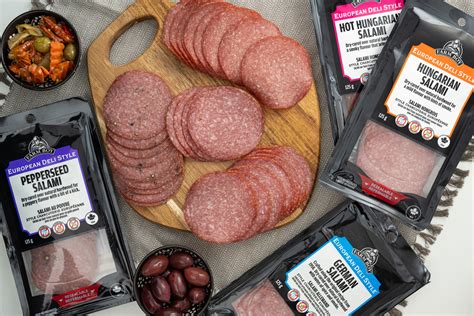
As you step into a European deli, you’re immediately engulfed in a world of rich aromas, vibrant colors, and the promise of discovering new flavors. From the velvety smoothness of Italian prosciutto to the tangy zip of German mustard, each item on the shelves is a gateway to a culinary journey that spans the continent. However, navigating this treasure trove of delights can be daunting, especially for those new to the world of European delicacies. Here’s how you can shop smart and make the most of your European deli experience.
Understanding the Deli Landscape
European delis are more than just stores; they’re repositories of tradition, family secrets, and generations of culinary excellence. To shop smart, it’s essential to understand the landscape:
Meat and Charcuterie: The core of any European deli, featuring an array of cured meats, sausages, and pâtés. Each type, from French saucisson to Spanish chorizo, boasts its own unique flavors and textures, shaped by local ingredients and age-old practices.
Cheese: A world of its own, with hundreds of types, each a reflection of the region’s soil, climate, and dairy traditions. From the creamy brie of France to the nutty parmesan of Italy, cheese is not just an accompaniment but a centerpiece of many European meals.
Bread and Pastries: Freshly baked goods that range from crusty baguettes to delicate pastries. These are not just staples but also integral components of meals, used to mop up sauces, as bases for open-faced sandwiches, or enjoyed on their own.
Preserves and Spreads: Homemade jams, honey, and an assortment of chutneys and pickles that add a burst of flavor to any dish. These preserves are crafted with love, using traditional recipes that highlight the season’s best produce.
Crafting Your Shopping List
With so much to explore, having a strategy is key:
Identify Your Needs: Start by considering what you’re looking to achieve. Are you planning a dinner party, seeking a quick lunch, or simply restocking your pantry? Your needs will guide your selections.
Explore by Region: European delis often organize items by their country of origin. Exploring this way can introduce you to new products that are traditionally paired or used in specific dishes.
Ask the Experts: Deli staff are often passionate about their products and happy to offer recommendations. They can guide you towards the perfect cheese to pair with your meats or suggest a less common item to add variety to your meals.
Taste Before You Buy: When possible, take advantage of in-store tastings. This is especially crucial for cheese and meats, as flavor profiles can vary significantly.
Consider the Seasons: Many European deli items are seasonal, reflecting the freshest ingredients available. Shopping with the seasons ensures you’re getting the best quality and supporting sustainable practices.
Enhancing Your Deli Experience
Beyond the essentials, there are ways to elevate your deli shopping and dining experience:
Pairing Like a Pro: Don’t be afraid to mix and match items. A good rule of thumb is to balance strong flavors with milder ones and consider textures—crunchy, soft, creamy.
Wine and Deli: Wine pairing can add a new dimension to your deli experiences. Many delis offer wine tastings or can provide pairing recommendations.
Cooking Classes and Workshops: Some delis offer cooking classes or workshops where you can learn to prepare traditional European dishes using the products they sell.
Subscriptions and Loyalty Programs: Consider joining a deli’s subscription service or loyalty program. These can provide regular deliveries of your favorite items, exclusive discounts, and early access to new and specialty products.
FAQs
What's the best way to store European deli meats at home?
+European deli meats, especially cured ones, are best stored in a cool, dry place. Wrap them tightly in plastic wrap or aluminum foil and keep them in the refrigerator. For longer storage, consider freezing, but always check the product's specific storage instructions.
How do I choose the perfect cheese for a cheese board?
+When selecting cheeses for a board, aim for variety in texture and taste. Include a soft cheese (like brie), a hard cheese (such as parmesan), a blue cheese for a pungent flavor, and perhaps a goat cheese for a tangy note. Don't forget to pair with crackers, fruits, and nuts for a well-rounded experience.
Are European deli items expensive?
+While some specialty items can be pricey, many European deli staples are surprisingly affordable. By shopping smart and considering what you need, you can enjoy high-quality, authentic European delicacies without breaking the bank. Look for weekly specials, buy in bulk when possible, and don't be afraid to ask for recommendations within your budget.
Conclusion
Shopping at a European deli is an adventure that awaits your exploration. With a little knowledge and an open palate, you can uncover a world of flavors that will elevate your dining experiences and connect you with the rich culinary heritage of Europe. Remember, the essence of deli shopping lies not just in the products you buy, but in the experience itself—the stories behind the items, the people you meet, and the meals you create. So, embark on this gastronomic journey with an appetite for discovery, and let the vibrant tapestry of European deli essentials become your guide to a world of culinary delight.