


Example Of A Dynamic Character Overview
A common misconception about t chart examples is that they are solely for complex data analysis. While these charts are indeed powerful tools for organizing and comparing information, their simplicity often belies their versatility. A t chart example, whether it's a simple t-table or a more intricate data visualization, serves as a clear and concise way to present categorical data. It's a straightforward approach to making sense of information, ensuring an easy and efficient understanding for all.
A Quick Overview of the T Chart
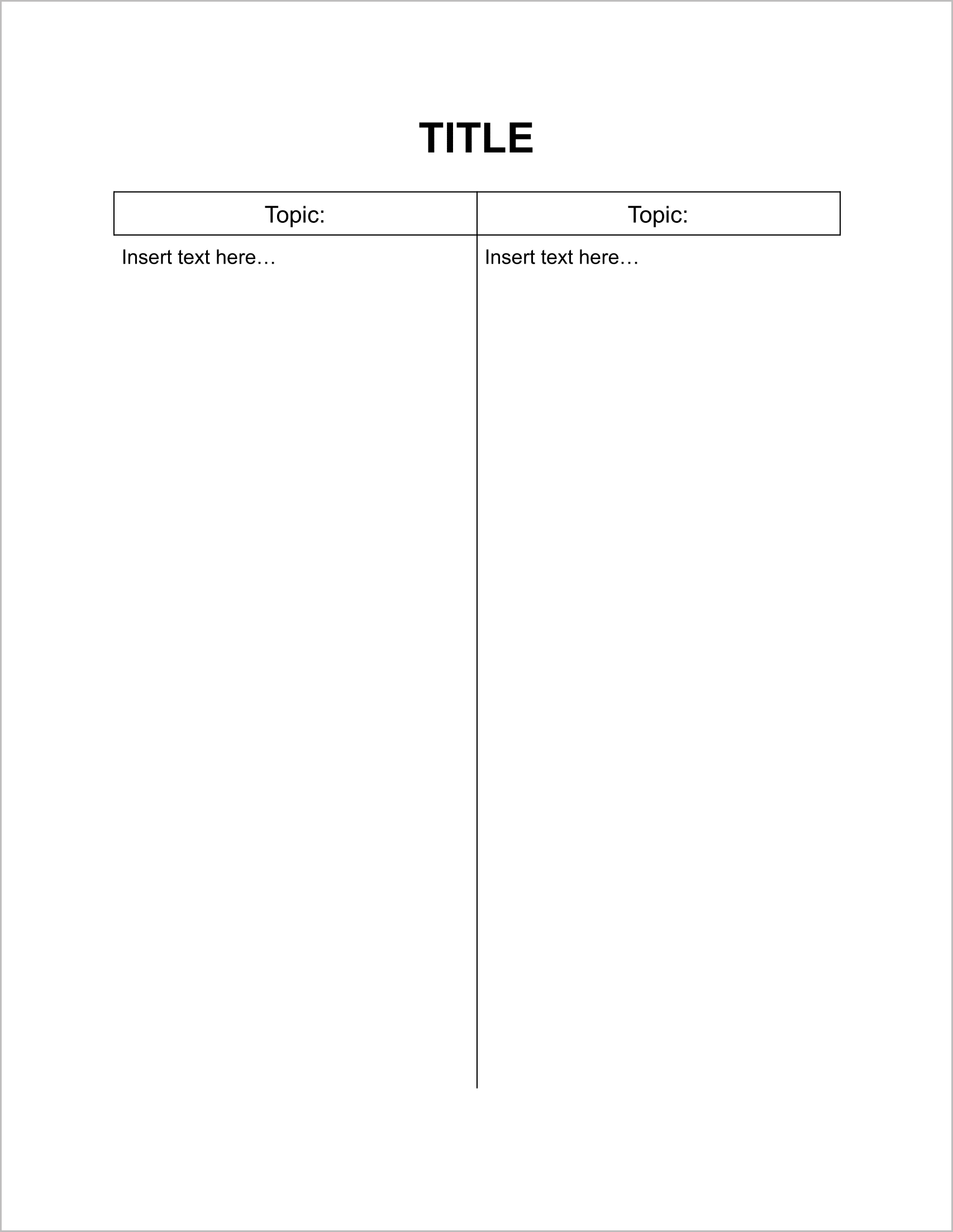
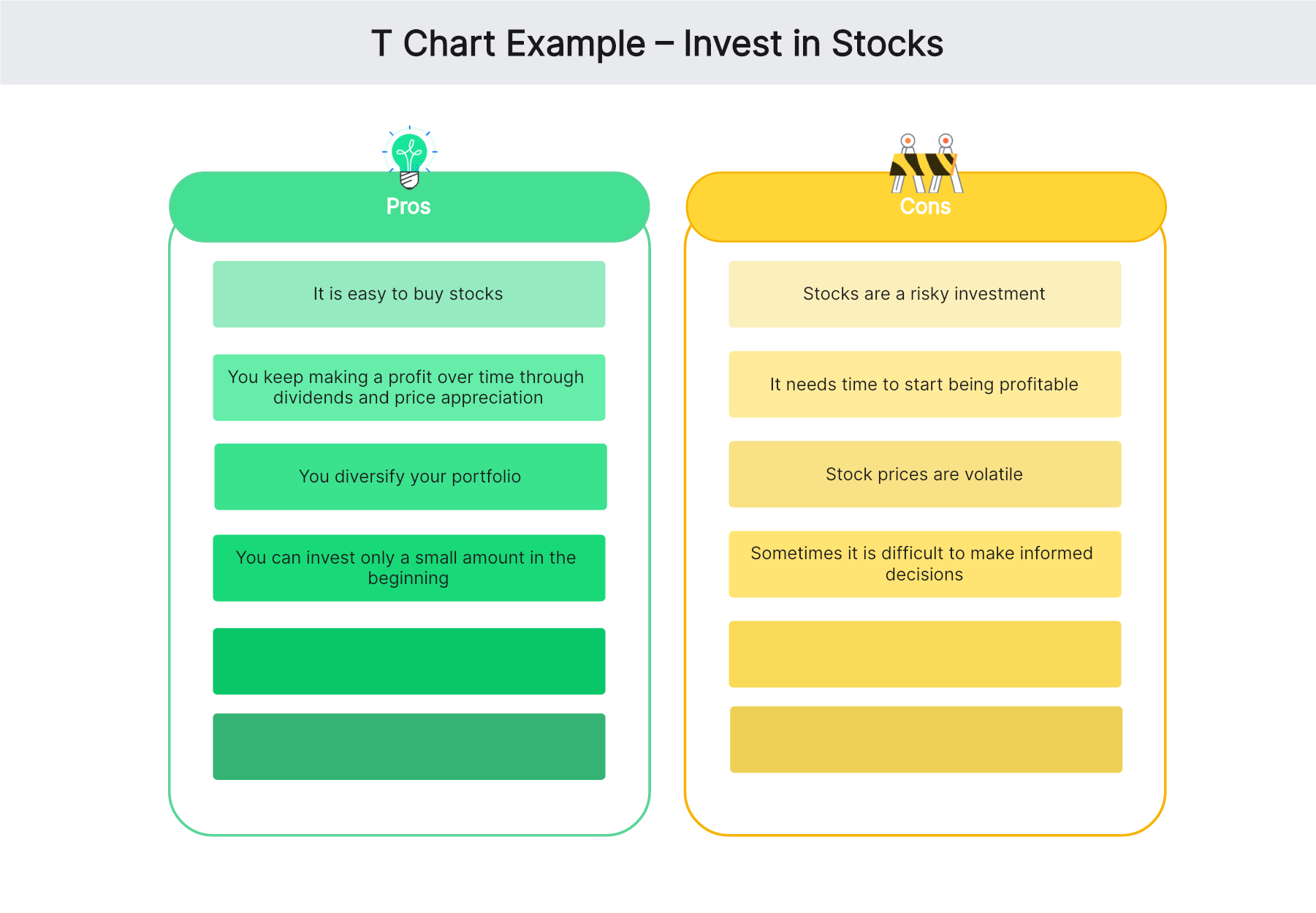
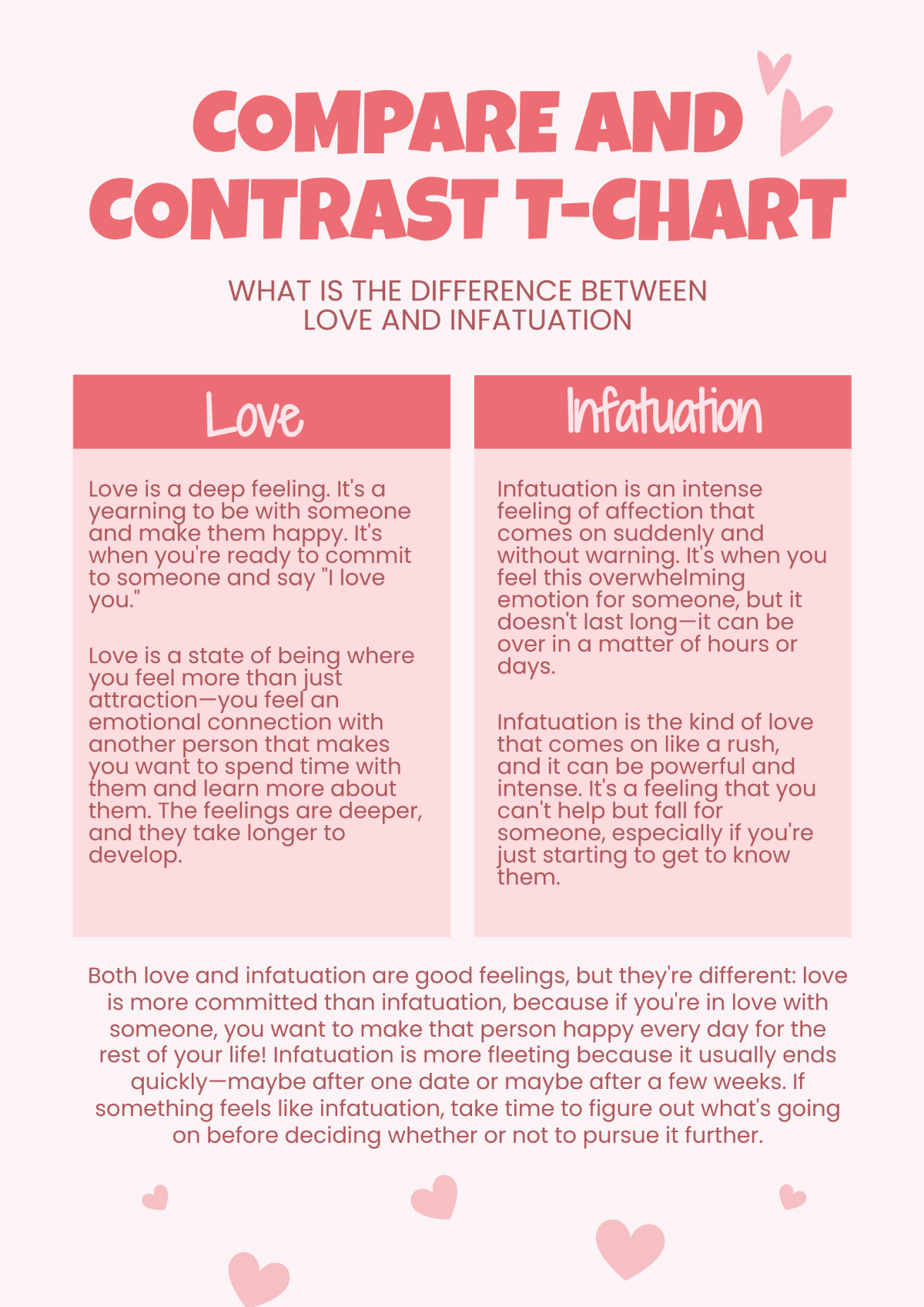
The t chart is a simple yet powerful tool for organizing and presenting data, often used to compare two sets of information or track changes over time. It consists of two columns, typically labeled with categories or variables, and rows where the corresponding data is recorded. This chart is versatile and can be applied to various scenarios, making it a popular choice for data visualization and analysis.
Comparing T Chart Formats and Standards
The beauty of the t chart lies in its flexibility. While the basic structure remains consistent, the categories and measurements can vary depending on the context and the standard being followed. For instance, in education, a t chart might compare two literary works, with columns for 'Themes' and 'Symbols' and rows for specific examples. In a scientific setting, it could display temperature variations over different days, with columns for 'Date' and 'Temperature' and rows representing each day's data.
Step-by-Step Guide to Using a T Chart
Creating and interpreting a t chart is straightforward:
- Define your categories or variables. These will form the column headers of your chart. Ensure they are clear and relevant to your data.
- Determine the rows. Decide how many rows you need based on the quantity of data points you wish to compare.
- Populate the chart. Enter your data into the appropriate rows and columns. Ensure consistency in your measurements and units.
- Analyze and interpret. Once complete, review the chart to identify patterns, trends, or differences between the categories. This step is crucial for drawing meaningful insights from your data.
Common Misreadings and How to Avoid Them
While the t chart is user-friendly, misinterpretations can occur. Here are some common pitfalls and how to steer clear:
- Mixing Units: Always ensure that the units of measurement are consistent within each column. Mixing units can lead to incorrect comparisons.
- Categorization Errors: Be precise when labeling your categories. Vague or ambiguous labels can confuse readers and impact the chart's effectiveness.
- Overlooking Trends: Sometimes, the most valuable insights come from subtle variations. Don't focus solely on extreme values; consider the overall pattern or trend.
- Data Entry Mistakes: Double-check your data for accuracy. Even a single incorrect entry can skew your analysis.
Remember, the t chart is a versatile tool, but it's essential to understand its limitations and potential variations based on the specific context and standards you're working with.
T charts are a versatile tool, and I hope this guide has given you a clear understanding of their potential. Remember, when applying these charts, it's essential to consider your unique context and requirements. While the steps and tips provided offer a solid framework, the exact values and details may vary slightly depending on the specific standards or sources you are working with.
So, take a moment to review your needs and adapt the chart to suit your purposes. It's a simple yet powerful resource, and with a bit of customization, it can become an invaluable part of your toolkit. Feel free to bookmark this page for future reference; it might just be the quick reminder you need to stay organized and on track!
Related: Cat Dental Chart: A Comprehensive Guide
Many cat owners overlook the importance of understanding their pet's dental health, but a cat dental chart is a valuable tool to have in your kitty care arsenal. It's not as scary as it sounds; this chart is a simple, visual guide to help you navigate your cat's teeth and their unique numbering system. While it may seem like a foreign concept, it's an easy-to-use reference, and once you get the hang of it, you'll wonder why you didn't explore it sooner! The chart, often featuring a cat teeth diagram, provides a clear overview of your cat's dental anatomy, and it's worth taking the time to familiarize yourself with it.
Understanding the Cat Dental Chart
The cat dental chart is a handy reference tool for cat owners and veterinary professionals. It provides a visual representation of a cat's teeth, helping you identify and locate specific teeth easily. This chart is like a map, guiding you through your cat's dental anatomy.
Standard Tooth Notation and Formats
The cat dental chart typically follows a consistent format, using a standardized tooth notation system. This system assigns unique codes or numbers to each type of tooth, indicating its position in the cat's mouth. For example, the notation may use a combination of letters and numbers, such as 'I1' for the first incisor or 'PM4' for the fourth premolar. These notations are universal and help ensure consistency across different charts and references.
Step-by-Step Guide to Using the Cat Dental Chart
- Familiarize yourself with the chart's layout. Identify the different sections representing the upper and lower jaws, and note the tooth types and their positions.
- Locate the specific tooth you want to examine or treat. Use the standardized notation to find the correct tooth on the chart.
- Refer to the chart to understand the tooth's characteristics, such as its size, shape, and typical appearance. This can aid in identifying any abnormalities or issues.
- When treating or examining your cat's teeth, refer to the chart to ensure you are working on the correct tooth and following the appropriate procedures.
Avoiding Misreadings and Pitfalls
While the cat dental chart is a valuable tool, it's essential to be aware of potential variations. Different cat breeds may have slight differences in their dental anatomy, so always double-check the specific breed's dental formula if needed. Additionally, ensure you are using the correct chart for your region or standard. For instance, some charts may use different notation systems or measurements, so always refer to the chart's key or legend for clarity. Misreading these details can lead to incorrect assumptions about your cat's dental health.
Hey there, cat lovers! We hope this guide has given you a purr-fect understanding of the cat dental chart and its uses. Remember, while the basics remain the same, there might be slight variations in the details, so always double-check the specific standards or sources you're working with.
Don't forget to bookmark this page for future reference; it'll be a life-saver the next time you need a quick reminder! We've got plenty more practical guides like this one, so feel free to explore and find the purr-fect resources for all your cat-related needs. Meow for now!
Related: Find Your Perfect Fit: The Levi's Size Chart Guide
Many people approach the Levis size chart with a bit of trepidation, assuming it's a complex and confusing tool. However, it's actually a straightforward guide that can make finding your perfect fit a breeze. The chart, often accompanied by a sizing guide, provides a clear and visual representation of Levis' sizing system, ensuring you can easily navigate the brand's unique sizing standards. It's a simple reference, yet a powerful tool when you understand its layout and key measurements, such as waist size and inseam length.
Understanding the Levis Size Chart
The Levis size chart is a valuable tool for anyone looking to find their perfect fit in Levis jeans. It provides a clear and standardized guide to help you determine your size based on key body measurements. This chart ensures a consistent sizing experience across Levis products, making it easier to shop with confidence.
Key Details and Categories
The Levis size chart typically includes measurements for waist size, hip size, and inseam length. These measurements are crucial in determining the right fit for your body. The chart provides a range of sizes, usually in inches or centimeters, depending on the standard being used. For example, the waist size may be listed in inches, while the inseam length is given in centimeters. It's important to note that these measurements are specific to Levis products and may differ from other brands' sizing guides.
How to Read and Apply the Chart
To use the Levis size chart accurately, follow these steps:
- Measure your waist size: Use a measuring tape to find the circumference of your waist, ensuring the tape is parallel to the floor. This measurement should be taken at the point where you would normally wear your jeans.
- Determine your hip size: Measure the fullest part of your hips, again keeping the tape parallel to the floor. This measurement is crucial for a comfortable and flattering fit.
- Check your inseam length: Measure the length from your crotch to the point where you want your jeans to end. This measurement ensures the jeans have the desired length and fit.
- Refer to the Levis size chart: Locate your waist and hip measurements on the chart. The intersection of these measurements will give you your size. For example, if your waist is 32 inches and your hip measurement is 40 inches, you would look for the size that corresponds to these dimensions.
- Consider the style: Different Levis styles may have slightly different fits, so be sure to check the specific style guide for any variations. Some styles may have a slimmer or more relaxed fit, impacting the overall sizing.
Variations and Differences
It's important to note that sizing can vary across different standards and regions. Levis, like many clothing brands, may have slight variations in their size charts depending on the market. Additionally, individual body shapes and preferences can also impact the fit. Some people may prefer a looser or tighter fit, which can influence their size choice. It's always a good idea to refer to the brand's size guide and consider any style-specific notes.
Common Mistakes and How to Avoid Them
- Not measuring accurately: Ensure you follow the correct measuring techniques to get precise measurements. Inaccurate measurements can lead to an incorrect size choice.
- Ignoring style-specific guides: Different Levis styles may have unique fits. Always check the style guide to ensure you're choosing the right size for the style you want.
- Relying solely on past purchases: Sizing can change over time, and brands may update their size charts. It's best to measure yourself each time you shop to ensure an accurate fit.
- Assuming one size fits all: Levis offers a range of sizes to accommodate different body types. Don't be afraid to try different sizes to find the perfect fit.
- Neglecting care and maintenance: Proper care and maintenance of your jeans can impact their fit over time. Follow the care instructions to ensure your jeans maintain their shape and size.
Well, there you have it! A comprehensive guide to navigating the world of Levi's size charts. Remember, while this chart provides a solid foundation, exact values can vary, so always double-check your specific needs and requirements.
Consider bookmarking this page for future reference; it's a handy tool to have at your fingertips when you need to quickly find the right size. Stay stylish and confident, and happy sizing!