



Fancy Bubble Letters Alphabet Overview
Frustrated by the endless scrolling and unclear charts? You're not alone. Many people seek a quick, reliable reference when dealing with Lyon Charter Twp and its various charts and diagrams. It's a common challenge, and understanding these visuals is crucial for getting things done efficiently.
Whether you're a resident of Lyon Township or just need to navigate the local government's systems, the charts and references can be a real headache. Rest assured, you're not alone in this, and there are ways to simplify the process.
Understanding Lyon Charter Twp: A Practical Guide
Lyon Charter Twp is a unique form of local government, offering a specific set of services and benefits to its residents. This guide will help you navigate the charter township's structure and operations.
Key Details and Categories
The charter township of Lyon operates under a unique legal status, providing a range of services and powers not typically found in standard townships. It's important to understand the key personnel and their roles, as well as the various departments and their functions. The township's administration is headed by a supervisor, who oversees the daily operations and acts as the chief executive. Other key personnel include the clerk, treasurer, and trustees, each with specific responsibilities.
Reading and Applying the Township Chart
The township chart is a visual representation of the Lyon Charter Twp's organizational structure. It outlines the various departments, their functions, and the reporting hierarchy. To read the chart effectively, start by identifying the supervisor at the top, who has overall authority. Below them, you'll find the clerk, treasurer, and trustees, each with their own areas of responsibility. The chart also shows the various departments and their interconnections, helping you understand the flow of information and decision-making.
Variations and Differences
While the charter township of Lyon follows a standard structure, variations can occur due to specific local needs and preferences. Different townships may have slightly different department names or functions, depending on the community's requirements. Additionally, the size and population of a township can influence its organizational structure. Larger townships may have more specialized departments, while smaller ones might combine certain functions. It's important to be aware of these variations when comparing different townships.
Common Mistakes and How to Avoid Them
One common mistake is assuming that all townships operate identically. While there are standard practices, each township has its own unique characteristics. Another pitfall is overlooking the specific roles and responsibilities of key personnel. It's crucial to understand who does what within the township administration to ensure effective engagement and communication. Finally, failing to consider the township's unique services and benefits can lead to missed opportunities for residents.
Practical Tips for Accurate Understanding
When navigating Lyon Charter Twp, take the time to familiarize yourself with the township's website and official documents. These resources provide valuable insights into the township's structure, services, and contact information. Attend township meetings or events to gain a deeper understanding of local issues and engage with community leaders. Building relationships with township staff and officials can also provide valuable insights and assistance.
Double-Checking and Handling Exceptions
While the township chart provides a useful overview, it's important to double-check specific details and exceptions. Certain services or functions may vary depending on the township's unique circumstances. For example, the availability of certain recreational facilities or specialized programs might differ. It's always a good idea to confirm these details with the relevant department or township office to ensure accurate information.
Hey there, we hope this guide has given you a clear understanding of Lyon Charter Twp and its practical applications. Remember, while we've covered the basics, exact details can vary, so always refer to the most relevant and up-to-date sources for your specific needs.
Feel free to explore our other guides; we've got a whole range of topics to help you navigate various concepts and standards. Happy learning, and stay curious!
Related: Read the 1 to 100 Chart: A Quick Guide
Many people overlook the simplicity of a 1 to a 100 chart, assuming it's just a basic number sequence. However, it's so much more than that! This chart is a powerful tool, offering a clear visual representation of numbers and their relationships. It's an essential resource for anyone wanting to grasp number patterns and sequences quickly. The beauty of this chart lies in its ability to provide an at-a-glance overview, making it easy to identify patterns and understand number lines and counting charts.
The 1 to a 100 Chart: A Quick Overview
The 1 to a 100 chart is a simple yet powerful tool for understanding and working with numbers. It's a visual representation of the numbers from 1 to 100, often arranged in a grid-like format, making it easy to read and reference. This chart is a great resource for anyone learning or teaching basic arithmetic and number sense.
Comparing Chart Formats and Standards
While the basic concept remains the same, there can be slight variations in how the 1 to a 100 chart is presented. Some charts might use a simple grid layout, while others may incorporate color-coding or additional symbols to highlight patterns or place values. The choice of format often depends on the intended audience and purpose. For instance, charts for younger learners might use brighter colors and larger fonts to make it more engaging.
Reading and Using the 1 to a 100 Chart: A Step-by-Step Guide
Start by familiarizing yourself with the chart's layout. Typically, numbers increase from left to right and top to bottom. Each number is placed in its own square or cell, making it easy to locate and read.
Understand place value. The chart can help visualize the concept of place value, as numbers increase by ones, tens, and hundreds as you move across and down the grid. This pattern is a great visual aid for understanding the base-ten number system.
Practice counting and number sequences. Use the chart to practice counting forward and backward, or to identify number patterns. For example, you can easily spot odd and even numbers, or identify number sequences like multiples of 5 or 10.
Apply it to basic arithmetic. The chart is a handy reference for addition, subtraction, and even multiplication. You can quickly find the sum of two numbers by adding them together, or identify patterns in multiplication tables.
Common Misreadings and How to Avoid Them
While the 1 to a 100 chart is straightforward, there are a few potential pitfalls to watch out for:
Misreading place value: Always double-check the position of a number to ensure you're reading the correct digit. For instance, 13 is different from 31, even though both numbers are on the chart.
Confusing number patterns: While the chart highlights patterns, it's important to understand the underlying rules. For example, recognizing that even numbers end with 0, 2, 4, 6, or 8 doesn't mean that all numbers ending with these digits are even.
Assuming universality: While the 1 to a 100 chart is a great tool, it's not a replacement for understanding specific number systems or standards. Always verify exact specifications and tolerances for your specific use case.
A 1 to 100 chart is a simple yet powerful tool, offering a quick reference guide for various tasks and calculations. We've explored the different types available and how to use them effectively, step by step.
Remember, these charts are versatile, but it's essential to ensure you're using the right one for your specific needs. Double-check the values and formats to avoid any potential pitfalls. With a bit of practice, you'll be a pro at utilizing these charts efficiently!
Consider bookmarking this page for future reference. It's a handy resource to have at your fingertips, and you never know when you might need a quick reminder on how to navigate these charts with ease.
Related: French Door Installation Cost Easy Guide
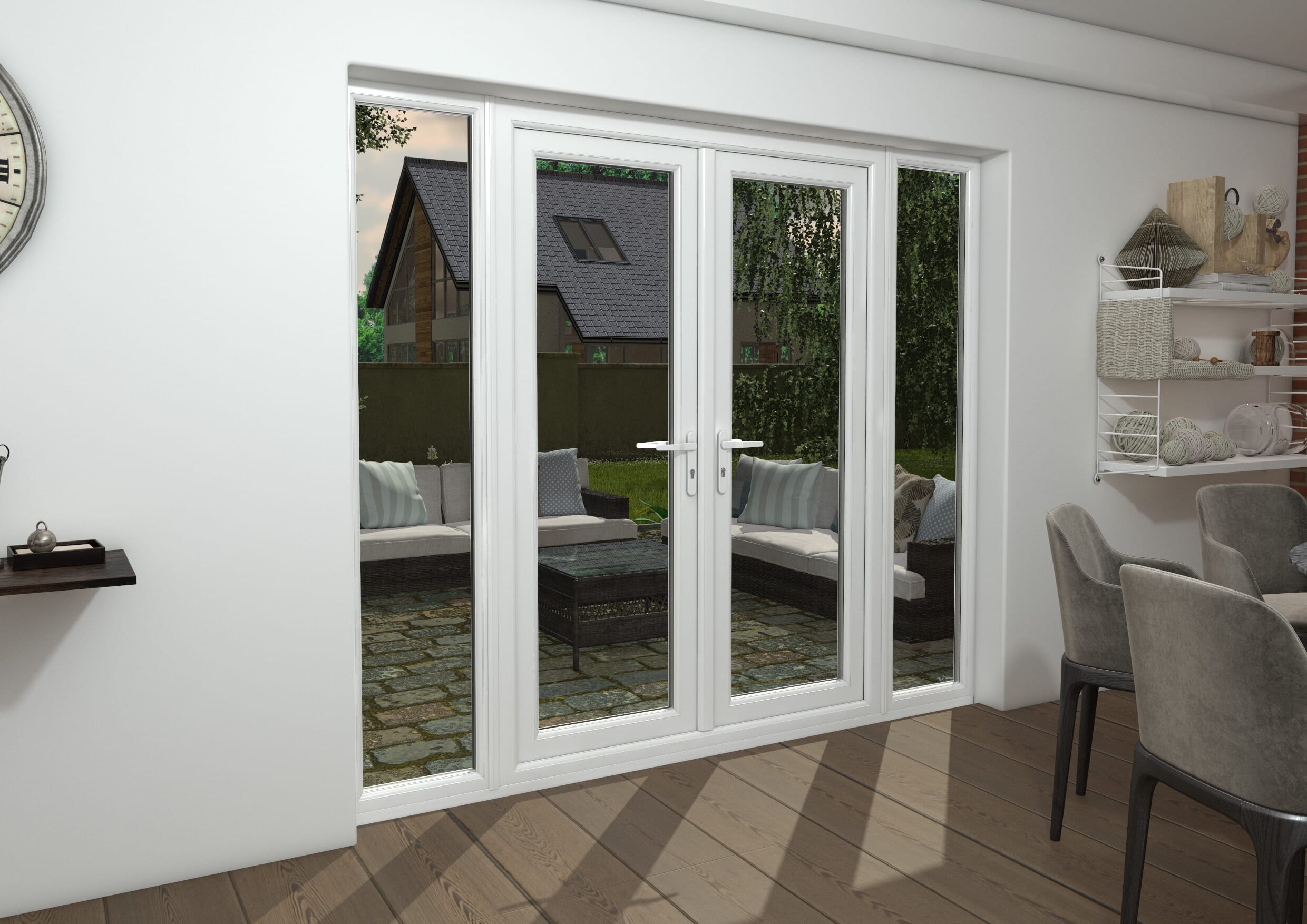
I was browsing home improvement ideas online when I stumbled upon the phrase "french door installation cost." It got me thinking about how much it would cost to install those elegant, wide-opening doors in my own home. So, I decided to do some research and share my findings with fellow homeowners.
Understanding French Door Installation Costs
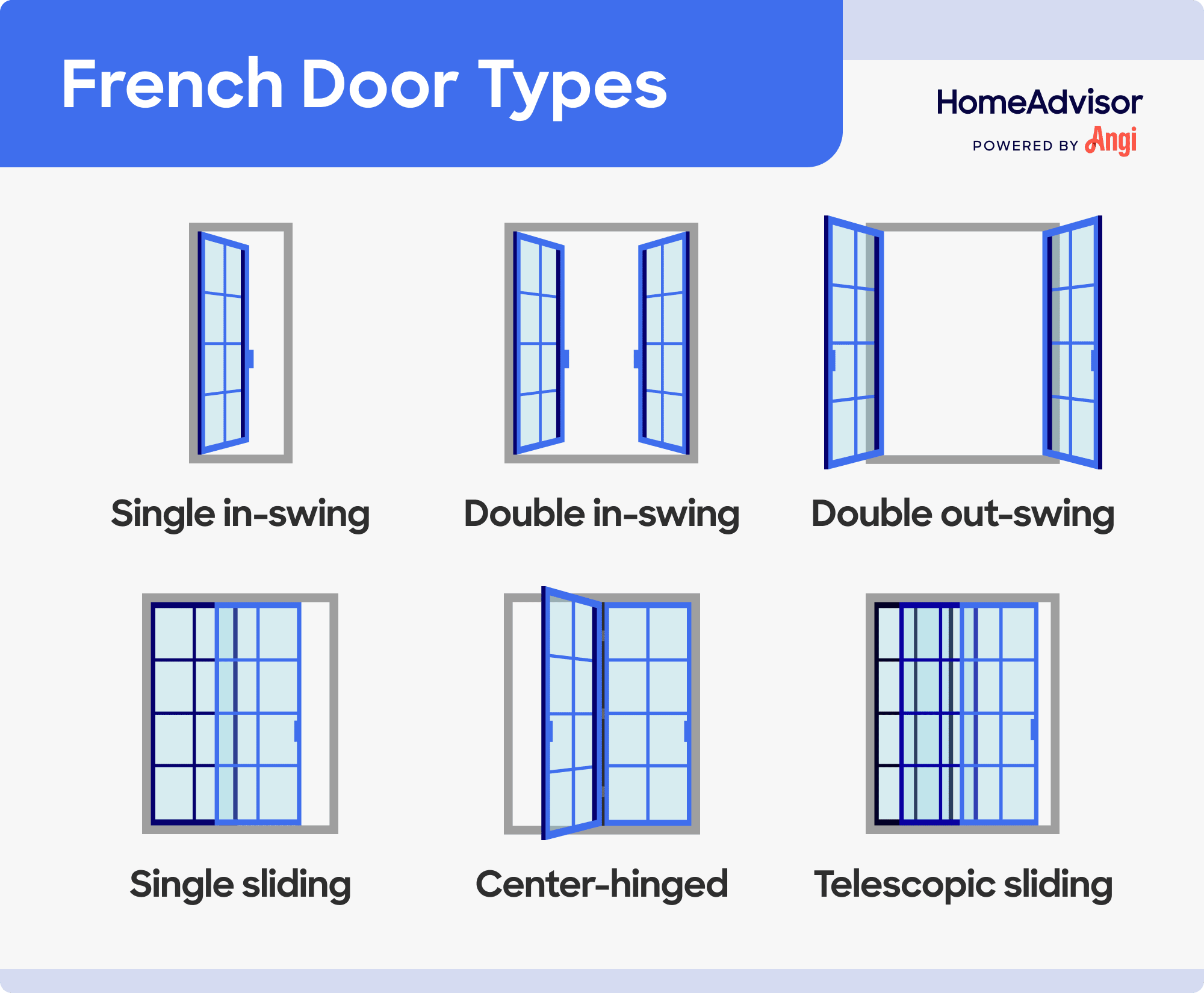
When it comes to installing French doors, there are a few key factors that can influence the overall cost. Firstly, the size and style of the doors themselves play a significant role. French doors come in various materials, including wood, fiberglass, and vinyl, each with its own price range. The size of the opening and the number of doors you need will also impact the final cost.
Another major factor is the labor involved. Installing French doors requires skilled labor, and the complexity of the job can vary. If the installation is straightforward, with no major structural changes needed, the labor costs will likely be lower. However, if additional work is required, such as modifying the door frame or making adjustments to the surrounding walls, the labor costs will increase accordingly.
Getting Quotes and Comparing Prices
To get an accurate idea of the french door installation cost, it's essential to obtain quotes from multiple contractors or remodeling companies. When requesting quotes, be sure to provide detailed information about your project, including the size and style of doors you want, the current state of your door frame, and any specific requirements or preferences you have.
When comparing quotes, look beyond the bottom line. Consider the reputation and experience of the companies, their warranties and guarantees, and the level of detail provided in their quotes. A comprehensive quote should include a breakdown of costs, covering materials, labor, and any additional expenses like permits or disposal fees.
Choosing a Contractor or Company
Selecting the right contractor or company for your French door installation is crucial. Here are a few tips to help you make an informed decision:
- Check their credentials and licensing. Ensure they are properly licensed and insured for the work they will be performing.
- Ask for references and read online reviews. Previous customers' experiences can provide valuable insights.
- Inquire about their experience with French door installations. Ask to see examples of their work and how they handle potential issues or challenges.
- Get a clear understanding of their warranty and guarantee policies. This will give you peace of mind in case any issues arise after the installation.
Company Names and Naming Ideas
When it comes to naming a construction or remodeling business, simplicity and clarity are often best. A name should reflect the services offered and be easy to remember. Here are a few original name ideas for construction companies:
- BuildCraft
- HomeCrafters
- Structure Solutions
- Renovate & Revive
- DoorWay Innovations
- Framing Future
Remember to check the availability of the name, domain, and local registration before finalizing your choice.
Wrapping Up
Understanding the factors that influence french door installation cost and taking the time to research and compare quotes will help you make an informed decision. Whether you're looking to enhance your home's curb appeal or improve functionality, French doors can be a beautiful addition. So, take that first step, gather some quotes, and start planning your home improvement project!