





Fdny Salary Chart For Kids Overview
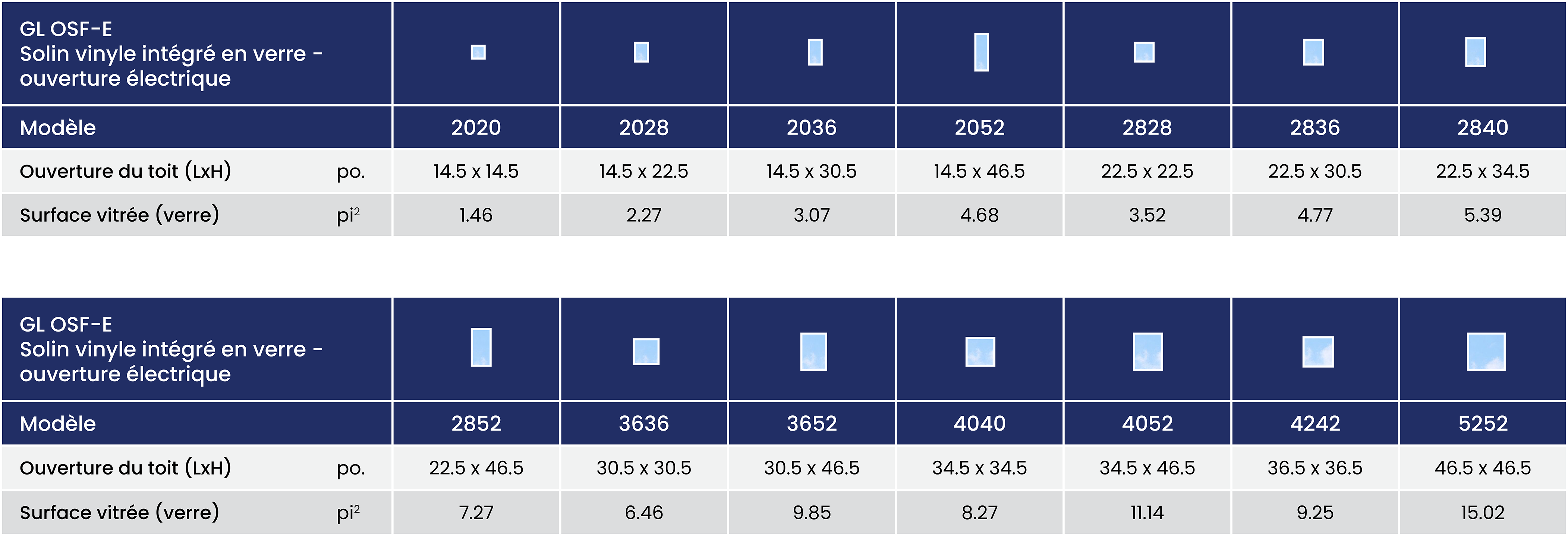
You're probably here because you need a quick answer, a reliable reference, or a simple guide to my OSF chart. It's a handy tool, a chart or scale, that offers a visual way to understand and work with OSF dimensions and conversions. This chart is a go-to for many, providing an easy-to-read reference, especially when you need accurate measurements.
Understanding the OSF Chart
The OSF (Overall Service Factor) chart is a valuable tool for understanding and applying a standardized measurement system. It provides a clear reference for various dimensions and factors, making it an essential guide for many industries and applications.
Key Details and Prerequisites
Before diving into the chart, it's important to know that the OSF scale is typically used for measuring and converting dimensions, especially when dealing with mechanical parts and equipment. The chart provides a simple way to convert between OSF values and standard measurements like inches or millimeters.
Step-by-Step Method for Using the OSF Chart
- Identify the OSF value you need to convert or work with. This value represents a specific dimension or factor related to the item you're dealing with.
- Locate the corresponding OSF value on the chart. The chart will usually have a clear legend or key to help you identify the correct value.
- Use the chart to find the equivalent measurement in inches or millimeters. The chart will provide a direct conversion, making it easy to understand the physical dimensions represented by the OSF value.
- Apply this measurement to your calculations or specifications. Whether you're designing a part, ordering equipment, or troubleshooting an issue, the OSF chart ensures you're working with accurate dimensions.
Variations and Potential Issues
While the OSF chart is a standardized tool, variations can occur due to different regional standards or specific industry requirements. For example, some regions may use the metric system, while others prefer imperial units. Additionally, certain industries might have unique tolerances or specifications that deviate from the standard OSF chart. It's crucial to double-check the exact standards and tolerances for your specific application to avoid any potential issues.
Practical Tips and Best Practices
To ensure accurate use of the OSF chart, always refer to the latest version provided by a reputable source. Outdated charts may not reflect the most recent industry standards. Additionally, be mindful of the units you're working with and ensure they align with the chart's measurements. If you're unsure, convert your measurements to the appropriate units before referencing the chart. Finally, when in doubt, consult with experts or refer to industry-specific guidelines to ensure you're applying the OSF chart correctly for your unique application.
Well, there you have it! A handy guide to your OSF chart, a simple yet powerful tool. Remember, while the basics remain the same, the exact details might shift a bit based on your specific needs and context.
Feel free to explore our other guides for more practical tips and tricks. And when you need a quick refresh, just bookmark this page for easy access!
Related: How to Read a Cigar Size Chart?
A cigar size chart is a handy tool for any cigar enthusiast, offering a quick and easy way to understand cigar dimensions. This guide will take you through the basics, covering the essential info you need to read and interpret these charts like a pro.
From cigar ring gauge to length, these charts provide a simple visual reference, ensuring you can identify and choose the right cigar size. While values may vary, the cigar size chart remains a reliable starting point, offering a clear and consistent way to explore the world of cigar sizes.
Understanding Cigar Sizes: A Practical Guide
Cigar size charts are your go-to resource for navigating the world of cigars. They provide a visual representation of the various dimensions and formats cigars come in, helping you make informed choices. These charts typically showcase two key measurements: length and ring gauge. The ring gauge, often referred to as the diameter, is a critical factor in determining a cigar's burn and flavor.
Standard Cigar Dimensions: Comparing Formats
Cigar size charts offer a standardized way to understand cigar sizes. They present a range of common formats, each with its own name and unique dimensions. For instance, a robusto is typically around 5 inches long with a 50 ring gauge, while a toro might measure 6 inches with a 54 ring gauge. These charts provide a quick reference, allowing you to visualize the differences between various cigar sizes.
How to Use a Cigar Size Chart: A Step-by-Step Guide
- Identify the two primary measurements: length and ring gauge. These are usually displayed side by side or in a clear, tabular format.
- Match the length of the cigar you have or are considering with the chart's length column.
- Cross-reference the ring gauge to find the corresponding format. For example, if your cigar is 6 inches long and has a 52 ring gauge, it likely fits the description of a "Churchill."
- Understand the implications: Different sizes impact the smoking experience. Larger cigars may offer a longer, more complex smoke, while smaller ones provide a quicker, more focused flavor profile.
Common Misreadings and How to Avoid Them
One common pitfall is assuming all cigars within a size category are identical. While the ring gauge and length are standardized, other factors like brand, tobacco blend, and construction can vary. These nuances impact the smoking experience, so always consider the cigar's brand and specific details when making comparisons. Additionally, be mindful of regional variations; some countries may use different measurement systems or have unique size names.
Factors Affecting Accuracy and Real-World Use
Several variables can influence the accuracy of a cigar size chart. Firstly, the chart's origin matters; some are designed for specific regions or markets, so ensure you're using one relevant to your location. Secondly, while standardized, there can be slight variations in measurements across different manufacturers. Always check the cigar's packaging or official brand specifications for precise details. Lastly, remember that cigars, especially handmade ones, may have slight imperfections, so the chart serves as a guide rather than an absolute measurement tool.
Well, there you have it! A handy guide to cigar sizes, covering the main options, how to use the chart, and some common pitfalls to avoid. Remember, these measurements can vary slightly, so always double-check if precision is key.
Feel free to explore our other guides for more practical tips and tricks. We've got a whole range of topics to help you navigate the world of cigars and beyond!
Related: Understand the Jordan Shoe Chart: A Simple Guide
Many people approach the Jordan shoe chart with a bit of hesitation, unsure of how to navigate its measurements and conversions. It's a common misconception that these charts are complex and confusing, but I'm here to assure you, it's a straightforward process!
The Jordan shoe chart is your go-to resource, offering a simple guide to finding your perfect fit. While the values might vary slightly depending on the region or brand, the chart provides a reliable starting point. Think of it as a universal language for shoe sizing, making it easy to convert between different standards, like US to UK sizes, and even helping with kids' shoe sizes!
Understanding the Jordan Shoe Chart
The jordan shoe chart is your go-to guide for finding the perfect fit when it comes to Jordan sneakers. It's a simple yet effective tool that helps you navigate the brand's sizing and ensure you get the right size for your feet. This chart provides a reference for both men's and women's shoe sizes, making it easy to find your ideal fit.
Comparing Size Standards and Formats
The jordan shoe chart follows a standard sizing system, typically based on US sizes. However, it's important to note that shoe sizes can vary slightly between brands and even within different Jordan shoe models. The chart usually includes a size conversion guide, allowing you to easily convert between US, UK, and European sizes. This is especially useful when you're used to one sizing system and need to adapt to another.
Step-by-Step Guide to Using the Chart
- Measure your feet accurately: This is the first step to ensure a precise fit. You can use a shoe sizing gauge or simply measure your foot length and width with a ruler or tape measure.
- Identify your foot length and width: The jordan shoe chart often provides a range of sizes, catering to different foot lengths. It also includes width variations, such as narrow, medium, and wide, to accommodate various foot shapes.
- Convert and compare: If you're used to a different sizing system, use the conversion guide on the chart to find your equivalent Jordan size. Compare your foot measurements to the chart's size recommendations to determine the best fit.
- Consider personal preferences: While the chart provides a guide, personal comfort and fit preferences may vary. Some people prefer a snug fit, while others go for a slightly larger size for added comfort. Trust your judgment and choose the size that feels right for you.
Common Misreadings and Pitfalls
One common mistake is assuming that all Jordan shoes follow the same sizing guidelines. While the jordan shoe chart provides a general reference, certain models may have slight variations. Always double-check the specific size guide for the shoe you're interested in to ensure an accurate fit. Additionally, remember that foot shape and personal comfort play a role, so don't be afraid to try on different sizes and listen to your feet's feedback.
The jordan shoe chart is a valuable tool, but it's essential to use it as a guide and trust your own judgment and comfort level. By following these simple steps and being aware of potential variations, you'll be able to find your perfect Jordan shoe size with ease.
Hey there! We've covered a lot of ground in this guide, giving you a comprehensive look at the Jordan shoe chart and its uses. Remember, while the basics remain the same, some details might shift based on your specific needs and the sources you consult.
So, keep this page bookmarked for future reference, and feel free to explore our other guides for more practical tips and insights. We aim to make these resources as helpful and accessible as possible, so you can find the right info when you need it most. Happy reading, and we hope to see you again soon!