


Fem Invincible R34 Overview
A lexile score chart is a handy tool that simplifies the process of understanding reading levels and text complexity. This guide will provide you with a straightforward overview, ensuring you can navigate and utilize these charts effectively.
The chart acts as a visual guide, offering a quick reference for determining the difficulty of books and texts. While the specific values and formats may vary depending on the context and region, the core purpose remains the same: to provide a lexile measure, helping readers find suitable materials and track their reading progress.
Understanding Lexile Scores: A Quick Overview
The lexile score chart is a valuable tool for educators, parents, and readers to understand and match reading abilities with appropriate text complexity. It provides a simple, standardized way to measure and communicate reading levels, making it easier to select books that are neither too easy nor too challenging.
Comparing Lexile Levels and Text Complexity
The chart presents a range of lexile measures, typically from beginner levels like 0L to advanced levels exceeding 1700L. These scores indicate the text's complexity, considering factors like sentence length, word frequency, and syntax. Higher lexile scores mean more challenging texts, suitable for advanced readers.
Selecting Appropriate Texts: A Step-by-Step Guide
- Identify the reader's current lexile level. This can be done through standardized tests or by assessing their reading abilities.
- Use the lexile score chart to find the corresponding lexile range. For instance, a reader with a lexile level of 800L would fall within the range of 750L to 900L.
- Select books or materials within this range. You can use online lexile finders or check the lexile level on the book's cover or inside flap.
- Adjust as needed. If the reader finds the text too easy or too hard, consider books at the higher or lower end of the range.
Common Misconceptions and How to Avoid Them
One pitfall is assuming that higher lexile levels always indicate better reading ability. While it's true that more advanced readers will have higher lexile scores, it's essential to remember that reading ability is not solely determined by lexile level. Other factors, like reading speed, comprehension, and personal interest, also play a role.
Factors Affecting Accuracy and Real-World Use
Several variables can impact the accuracy of lexile scores and their real-world application. These include the reader's age, prior knowledge of the subject, and personal reading goals. For instance, a young reader with a high lexile level might still prefer easier books for recreational reading. Additionally, the lexile framework may not capture the complexity of certain genres or formats, like poetry or graphic novels. It's crucial to consider these factors when using the lexile score chart to ensure a well-rounded and enjoyable reading experience.
Well, there you have it! A handy lexile score chart can be a powerful tool, but it's essential to remember that these scores are just a guide. Each person's reading journey is unique, so ensure you tailor your approach to suit your goals and interests.
Before you go, take a moment to ensure you've considered your specific needs. These charts provide a great starting point, but the exact values may differ slightly depending on the source. Bookmark this page for a quick reminder, and you'll always have a helpful reference at your fingertips!
Related: What is a piano chords chart?
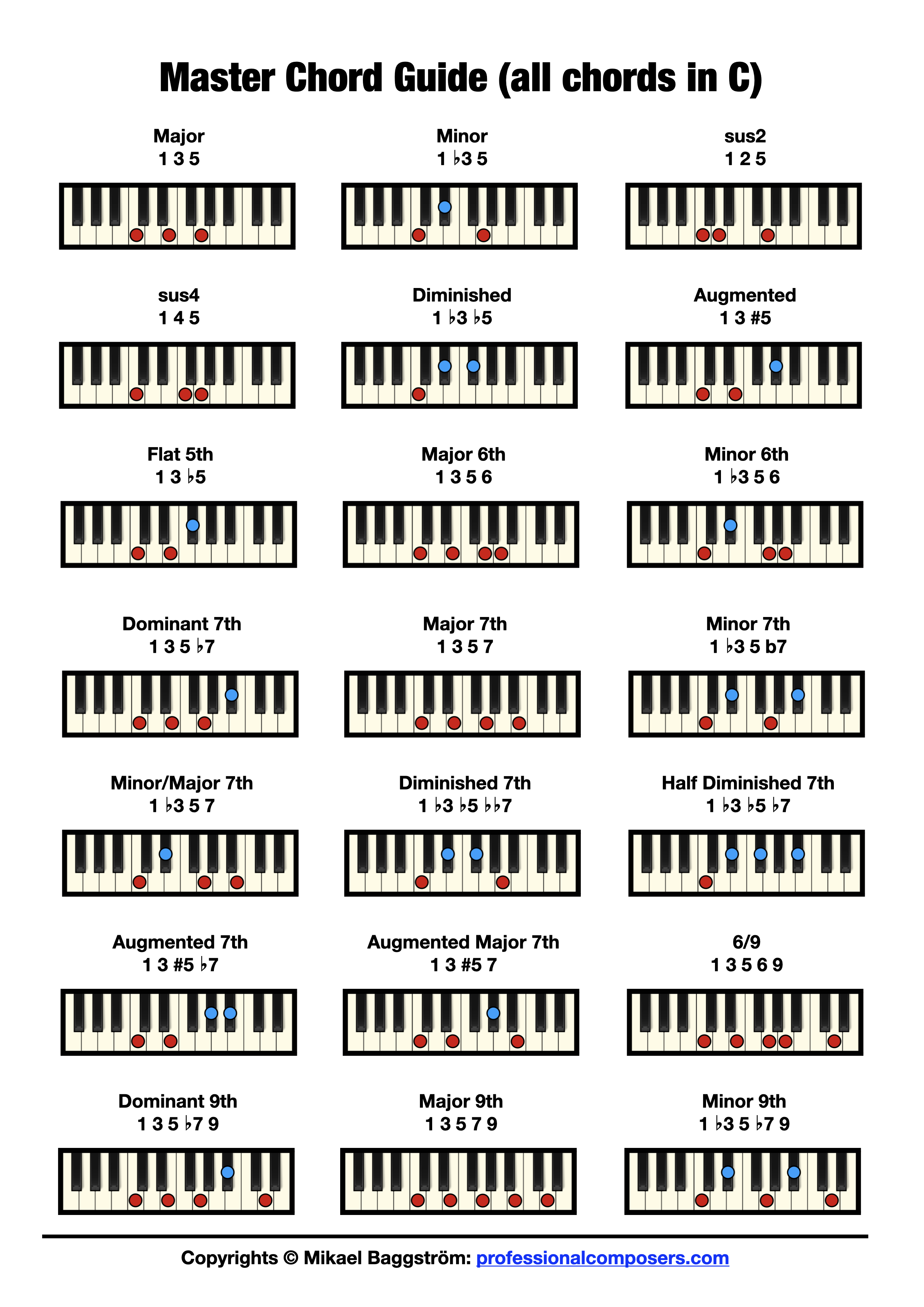
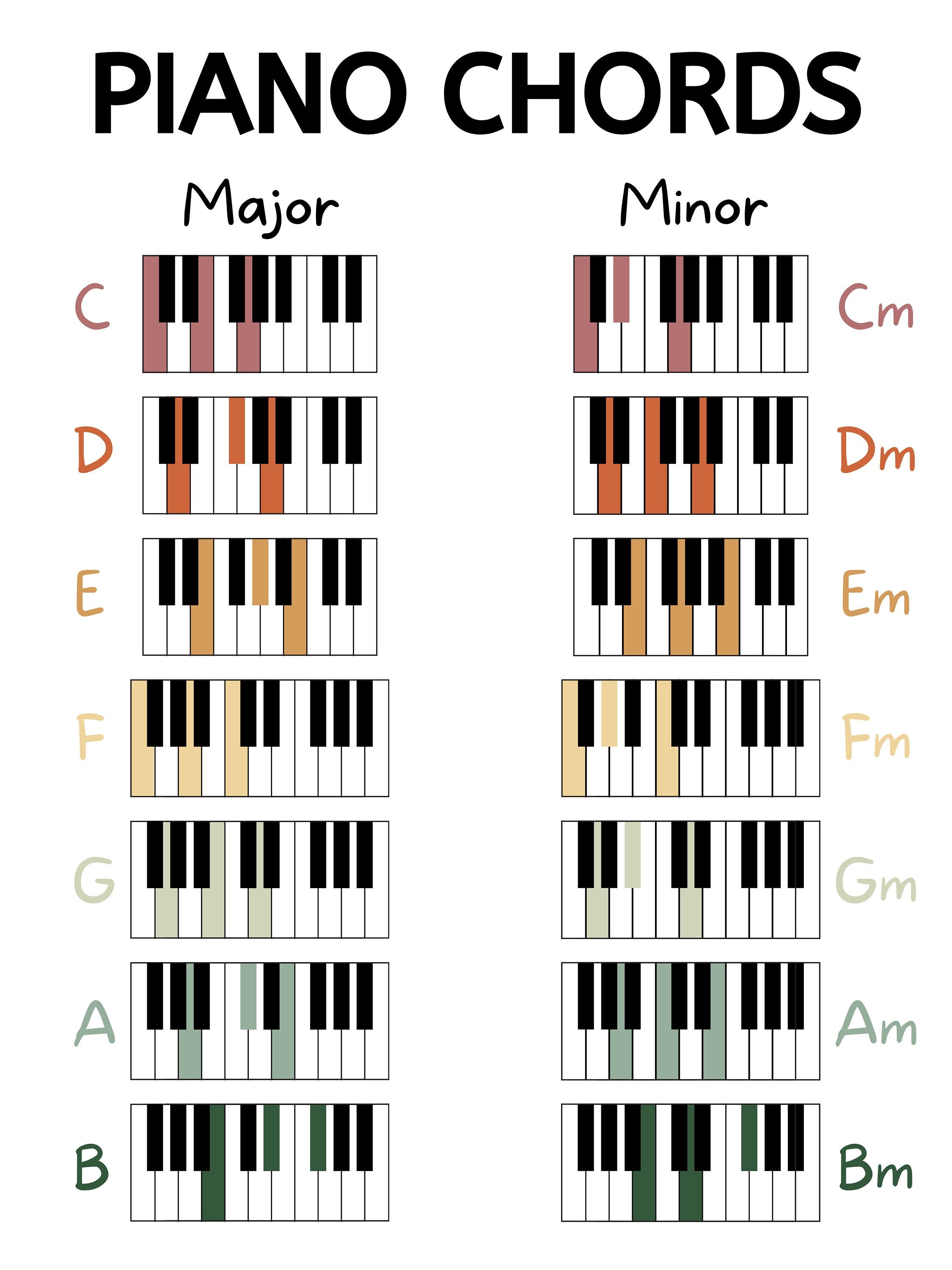
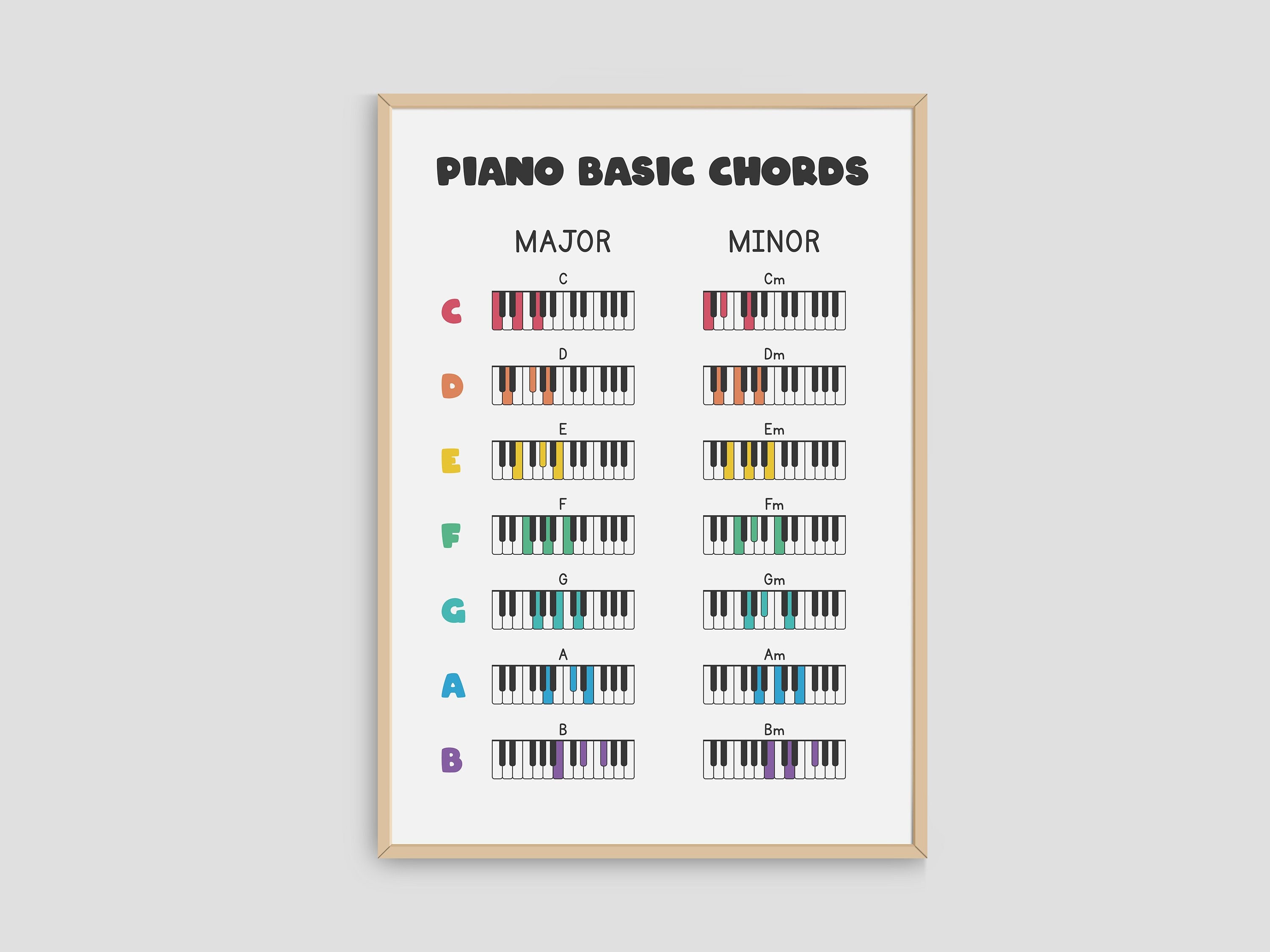
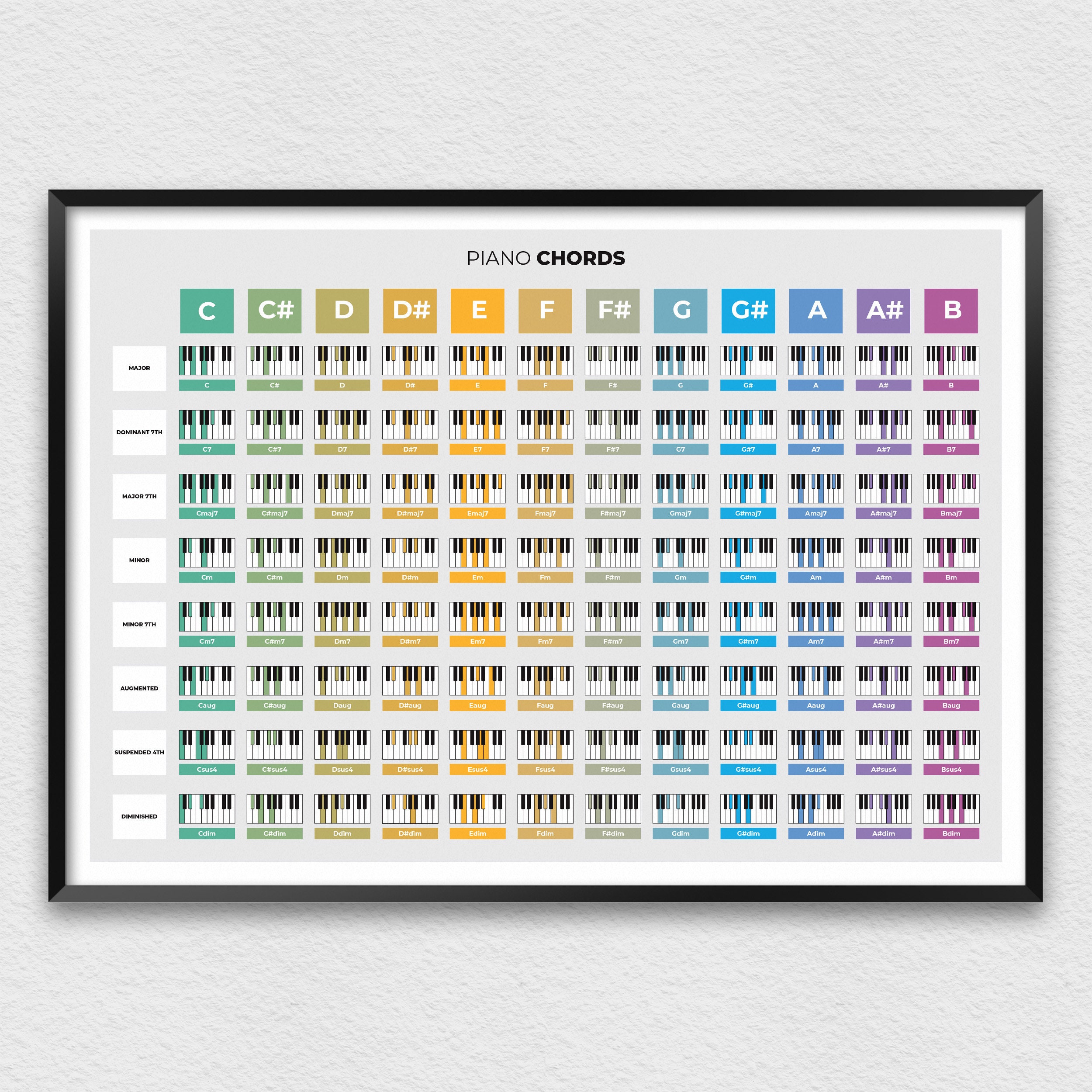
Frustrated by the hunt for the perfect piano chords chart? You're not alone. Whether you're a beginner or an experienced player, having a reliable and easy-to-read chart is essential for quick reference and practice. A good piano chords chart should be your go-to resource, offering a clear layout of chord structures, from basic major and minor chords to more complex progressions.
Understanding Chord Symbols
A piano chords chart is a handy reference tool for musicians, especially pianists. It's like a map that shows you the layout of different chords and their components. This chart is a great way to quickly grasp the basics of chord construction and progressions. The symbols on the chart represent the notes that make up each chord, and by understanding these symbols, you can easily build and play various chords on the piano.
Common Chord Progressions and Formats
There are several standard chord progressions and formats used in music. The piano chords chart typically includes major and minor chords, which are the most common. These chords are represented by symbols like C, Dm, G7, and so on. The chart might also feature more complex chords like suspended chords (Csus) or added-note chords (Cadd9). Each symbol gives you a snapshot of the notes that create that specific chord.
Reading Chord Charts: A Step-by-Step Guide
When reading a piano chords chart, follow these steps:
- Identify the chord symbol you want to play.
- Locate the symbol on the chart and find the corresponding notes.
- Place your fingers on the piano keys according to the chart's diagram.
- Play the chord and listen to its unique sound.
For example, if you see the symbol C, you'll find it represents the notes C, E, and G. Place your fingers on these keys, and you've just played a C major chord!
Avoiding Misreadings and Pitfalls
While piano chords charts are incredibly useful, it's important to be aware of a few potential pitfalls:
- Variations: Different charts may use slightly different symbols or notations. Always double-check the specific chart's key or legend to ensure you're interpreting the symbols correctly.
- Complex Chords: Some chords, especially those with added notes or extensions, can have multiple variations. Be sure to explore all the possible fingerings to find the one that works best for you.
- Practice: Reading chord charts takes practice. Start with simple major and minor chords, and gradually work your way up to more complex progressions.
Remember, a piano chords chart is a valuable tool, but it's just one part of your musical journey. Keep exploring, practicing, and enjoying the beautiful world of music and chord progressions!
Hey there, fellow music enthusiasts! We've covered a lot of ground in this blog post, and I hope it's given you a solid foundation to start exploring piano chords. Remember, the specifics might differ slightly based on your needs and the context, so feel free to adapt and make it your own.
If you're keen to dive deeper into the world of music theory and practice, why not check out some of our other guides? We've got a whole range of topics to explore, from basic music theory to more advanced techniques. It's a great way to keep learning and growing as a musician, so take a look and see what piques your interest!
Related: What is the vocal ranges chart?
Many people mistakenly believe that vocal ranges charts are complex and intimidating, but in reality, they are a simple and powerful tool for singers and vocal enthusiasts. These charts, often presented as visual guides, provide a clear overview of the different voice types and their respective ranges. While the specifics may vary slightly depending on the source, the vocal ranges chart serves as an accessible reference, helping singers navigate and understand their vocal potential.
Understanding the Chart: An Overview
The vocal ranges chart is a handy reference tool for singers and vocal enthusiasts. It provides a visual representation of the different vocal ranges, helping you identify and understand your voice type and its capabilities. This chart is a great starting point for anyone wanting to explore their singing potential and improve their vocal technique.
Comparing Voice Types and Ranges
The chart typically categorizes vocal ranges into several standard types, including soprano, mezzo-soprano, alto, tenor, baritone, and bass. Each category has a specific range of notes, shown as a visual scale, that defines the voice's capabilities. For instance, a soprano voice, often associated with higher pitches, has a range that extends to the higher end of the scale.
How to Read and Use the Chart
Using the vocal ranges chart is straightforward:
- Identify your voice's general range by singing through a scale or using a pitch-detecting app.
- Locate your lowest and highest comfortable notes.
- Refer to the chart and match your range with the closest vocal type.
- Use this information to choose songs that suit your voice and explore your vocal potential.
For example, if your range aligns with the soprano category, you'll know you can comfortably sing higher-pitched songs.
Common Misconceptions and Pitfalls
One common mistake is assuming that the chart provides an exact, rigid definition of your voice type. In reality, vocal ranges can overlap, and some voices may not fit neatly into one category. It's essential to understand that the chart is a guide, and your voice may have unique characteristics that set it apart. Additionally, factors like age, training, and vocal health can influence your range, so regular assessment is beneficial.
Factors Affecting Accuracy and Real-World Use
Several key factors can impact the accuracy of the vocal ranges chart and its real-world application:
- Age and Development: Vocal ranges can change as you age, especially during puberty and early adulthood.
- Training and Practice: Consistent vocal training can expand your range and improve your technique.
- Vocal Health: Illness, strain, or damage to the vocal cords can temporarily alter your range.
- Musical Style and Genre: Different music genres may require specific vocal ranges or techniques.
Adapting the Chart for Specific Needs
While the standard vocal ranges chart is a great starting point, it might not cater to everyone's needs. For instance, some charts provide more detailed subdivisions for specific voice types, offering a more precise guide. Others might use different measurement systems or cater to non-traditional vocal styles. It's essential to choose a chart that aligns with your musical goals and preferences. If you're unsure, consulting a vocal coach or expert can provide valuable guidance.
Hey there! I hope this vocal ranges chart guide has been a helpful tool for you. Remember, these charts are a great reference, but they are not set in stone; the exact details might differ slightly based on your specific needs and the context.
Feel free to explore other guides and resources to deepen your understanding. And don't forget to bookmark this page for future reference; it's always handy to have these tools at your fingertips!