


Five Into Roman Overview
You're here because you need a reliable reference for my Norton chart, a trusted tool for material hardness testing. Whether it's a quick check or a detailed task, this chart is your go-to guide. It offers a clear, visual representation of hardness values, often using the Norton hardness scale, and can include various other scales like Rockwell and Brinell. While the specific values may vary depending on your region or industry standards, the chart's format remains a consistent and valuable resource.
My Norton Chart: An Overview
The My Norton Chart is a valuable tool used in material hardness testing, providing a quick and efficient way to determine the hardness of various materials. This chart is particularly useful for engineers, metallurgists, and quality control professionals who need to assess material properties. It offers a standardized scale, the Norton Hardness Scale, which allows for easy comparison and interpretation of results.
Comparing Hardness Scales and Formats
When it comes to material hardness testing, there are different scales and formats available. The My Norton Chart utilizes the Norton Hardness Scale, which is often compared to other popular scales like the Rockwell and Brinell hardness scales. Each scale has its own advantages and is suitable for specific applications. The Norton scale provides a unique and comprehensive approach, offering a wide range of values and categories.
Step-by-Step Guide to Using My Norton Chart
To accurately use My Norton Chart, follow these steps:
- Identify the material you wish to test. Different materials have varying hardness properties, so it's essential to know what you're working with.
- Select the appropriate test method. The Norton scale offers different test methods, such as indentation or rebound testing, depending on the material's characteristics.
- Perform the hardness test. Follow the specific procedure for your chosen method, ensuring accurate and consistent testing conditions.
- Record the test results. The Norton scale provides a reference table with corresponding hardness values. Match your test result to the appropriate value on the chart.
- Interpret the results. The hardness value obtained can be compared to standard specifications or material requirements to assess its suitability for your application.
Avoiding Common Misreadings and Pitfalls
While My Norton Chart is a reliable tool, there are a few potential pitfalls to be aware of:
- Ensure you are using the correct version of the chart for your region or industry. Different standards may have slight variations, so double-check the applicable standard for your specific application.
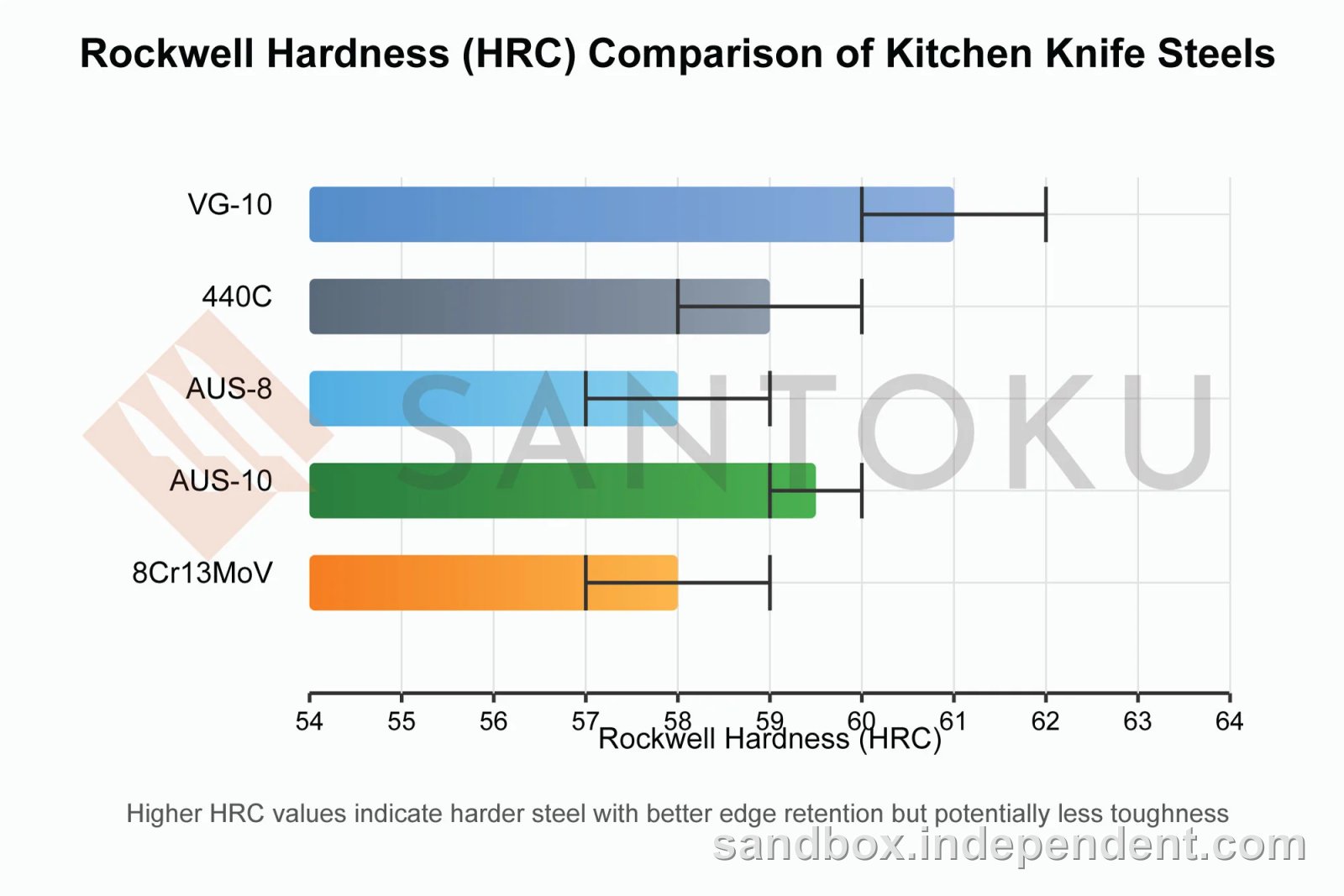
- Pay attention to the units of measurement. The Norton scale typically uses the HRC (Hardness Rockwell C) scale, but conversions to other scales like Brinell or Vickers may be necessary for certain materials.
- Understand the limitations of the chart. While it provides a comprehensive range of values, extremely hard or soft materials may require additional testing methods for accurate assessment.
Factors Affecting Accuracy and Real-World Use
The accuracy of My Norton Chart depends on several key factors:
- Test Conditions: Ensure consistent testing conditions, including temperature, pressure, and sample preparation, to minimize variability.
- Material Properties: Different materials have unique characteristics, and some may require specialized testing techniques to obtain accurate results.
- Calibration and Maintenance: Regularly calibrate your testing equipment and maintain it according to manufacturer guidelines to ensure reliable readings.
- Operator Skill: Proper training and experience are essential for accurate testing and interpretation of results.
Choosing the Right Format for Specific Needs
My Norton Chart is versatile and can be adapted to specific needs. Here are some considerations:
- Standardized Formats: For general applications, the standard Norton chart provides a comprehensive overview. However, for specialized industries or materials, customized charts or tables may be more suitable.
- Digital Tools: In addition to the physical chart, digital versions or software can offer enhanced features, such as automatic conversions and data analysis.
- Conversion Tips: If you work with multiple hardness scales, having a conversion chart or tool can simplify the process and ensure accurate comparisons.
- Practical Examples: Refer to real-world examples and case studies to understand how the Norton scale is applied in various industries, helping you choose the right format for your specific application.
Well, there you have it! My Norton Chart guide aims to provide a practical and accessible reference for your projects. Remember, while the fundamentals remain consistent, the exact details may shift slightly based on your specific context.
Feel free to explore our other guides; we've got a range of topics covered, each offering a unique perspective and practical insights. Happy reading and discovering!
Related: Construction Cost Database Essential Guide
I've been thinking about doing some home renovations lately, and one thing that's been on my mind is how to budget and plan for the costs. That's when I stumbled upon the construction cost database - a handy tool that seems like it could really help me out. So, I did some digging and here's what I found...
Understanding Construction Costs
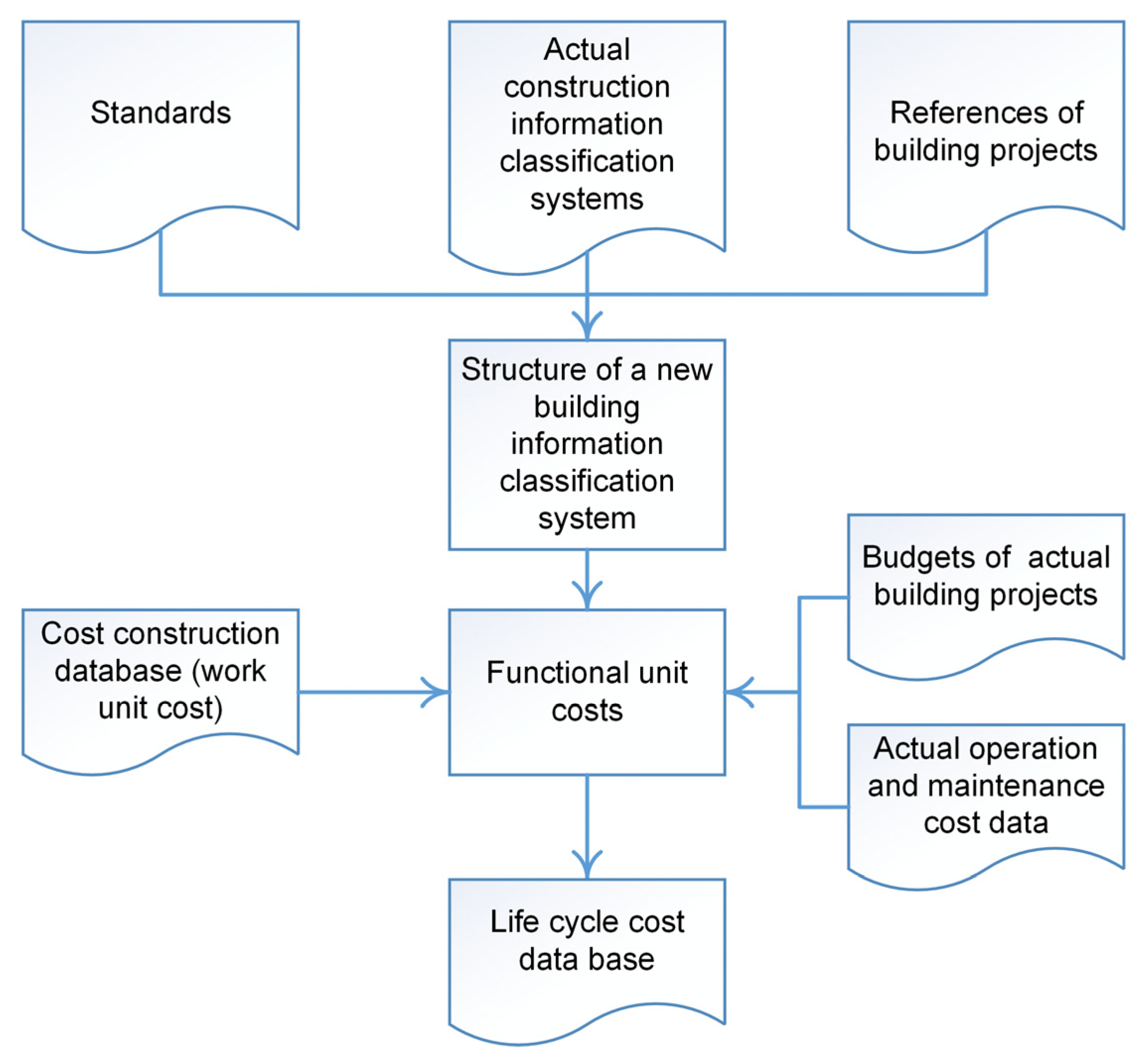
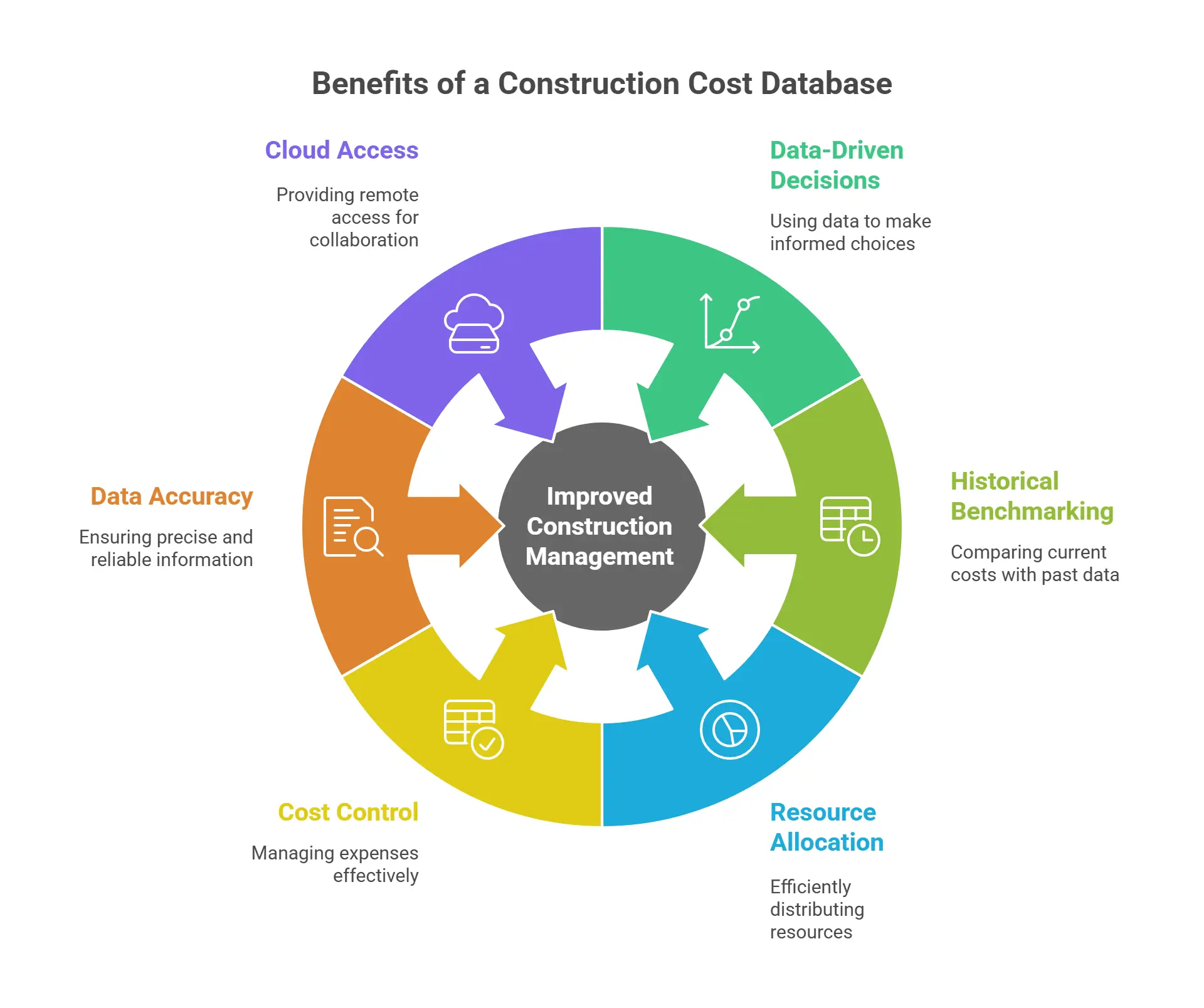
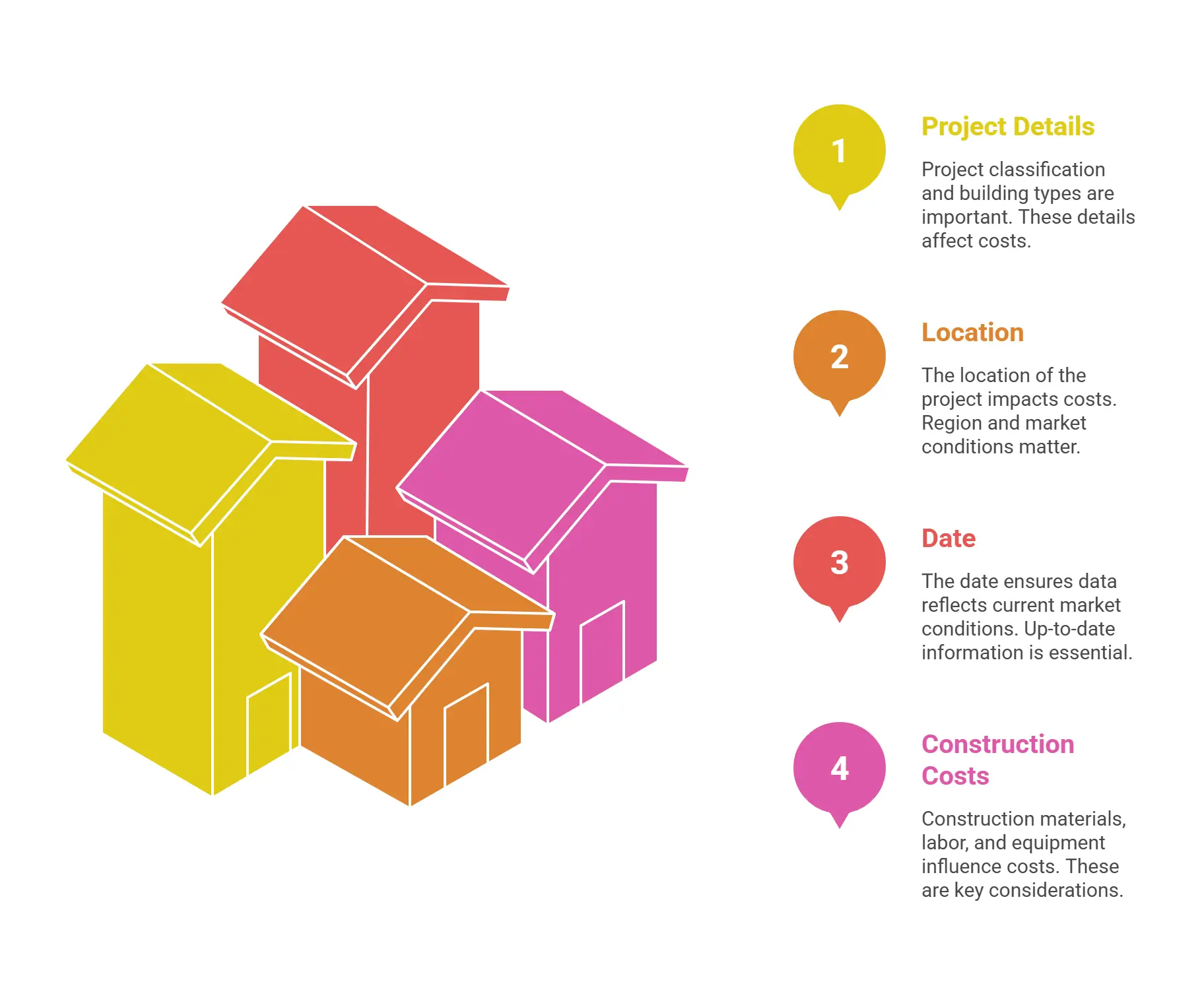
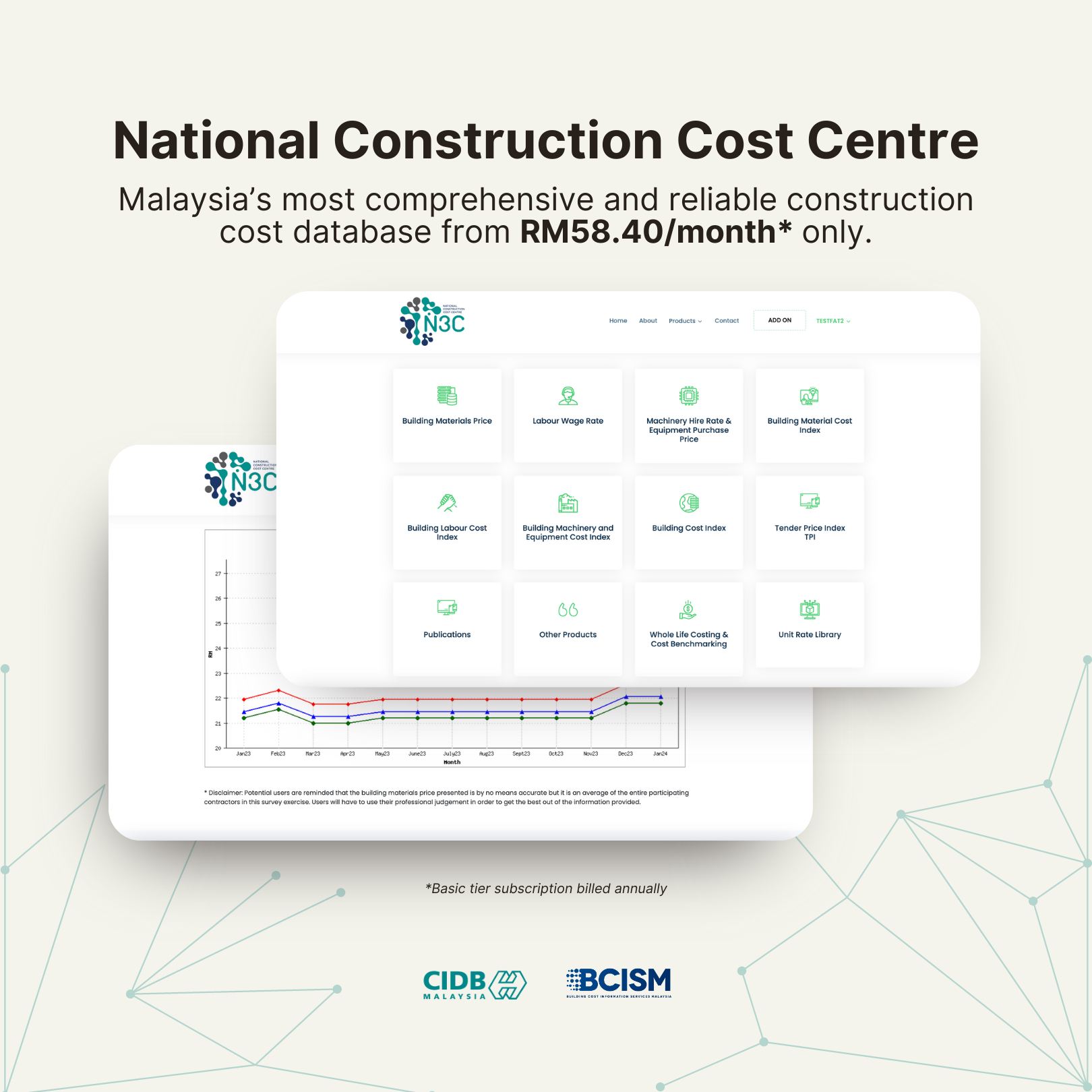
A construction cost database is like a big, detailed library of information about building and renovation costs. It's a resource that construction companies, contractors, and even homeowners like me can use to get a better idea of what projects might cost. This database covers all sorts of construction work, from new builds to remodels and everything in between.
The beauty of it is that it provides estimates for different types of work, like installing a new roof, adding a room, or even just painting a wall. It takes into account things like the size of the project, the materials needed, and even the location, which can affect costs. So, it's a great way to get a rough idea of what you might be looking at financially before you even start a project.
Finding the Right Contractor
When it comes to hiring a contractor, the construction cost database can be a real lifesaver. It can help you compare quotes and ensure you're getting a fair deal. You see, contractors will often use these databases to estimate their quotes, so if you have access to the same info, you can better understand the costs they're quoting you.
Before hiring, make sure to check their references, ask about their experience with similar projects, and get a detailed breakdown of the costs. A good quote will cover all the bases, from labor to materials, and will give you a clear idea of any potential extra costs that might come up.
Company Names and the Industry
In the construction world, company names can be a bit of a giveaway about what they do. Often, you'll see names that are straightforward and to the point, like "Atlanta Building Solutions" or "Helena Home Renovations". These names are easy to remember and give a clear indication of the services offered.
If you're thinking of starting a construction business, choosing a name is an important step. It needs to be unique, memorable, and reflect the services you provide. Some fun examples could be "Build-it-Right Construction", "Hammer & Nail Builders", or "Renovate & Revive". Just remember to check the availability of the name and secure the relevant registrations and domains.
Jobs and Opportunities
The construction industry offers a wide range of jobs, from general contractors and estimators to project managers and specialists in various trades. These roles can vary greatly in terms of responsibility and salary, depending on experience and the size of the company.
If you're interested in construction jobs, you'll likely find opportunities advertised online, through job boards, and even on company websites. It's a good idea to keep an eye on these platforms and to tailor your resume and cover letter to the specific role and company you're applying for.
Industry Tools and Insights
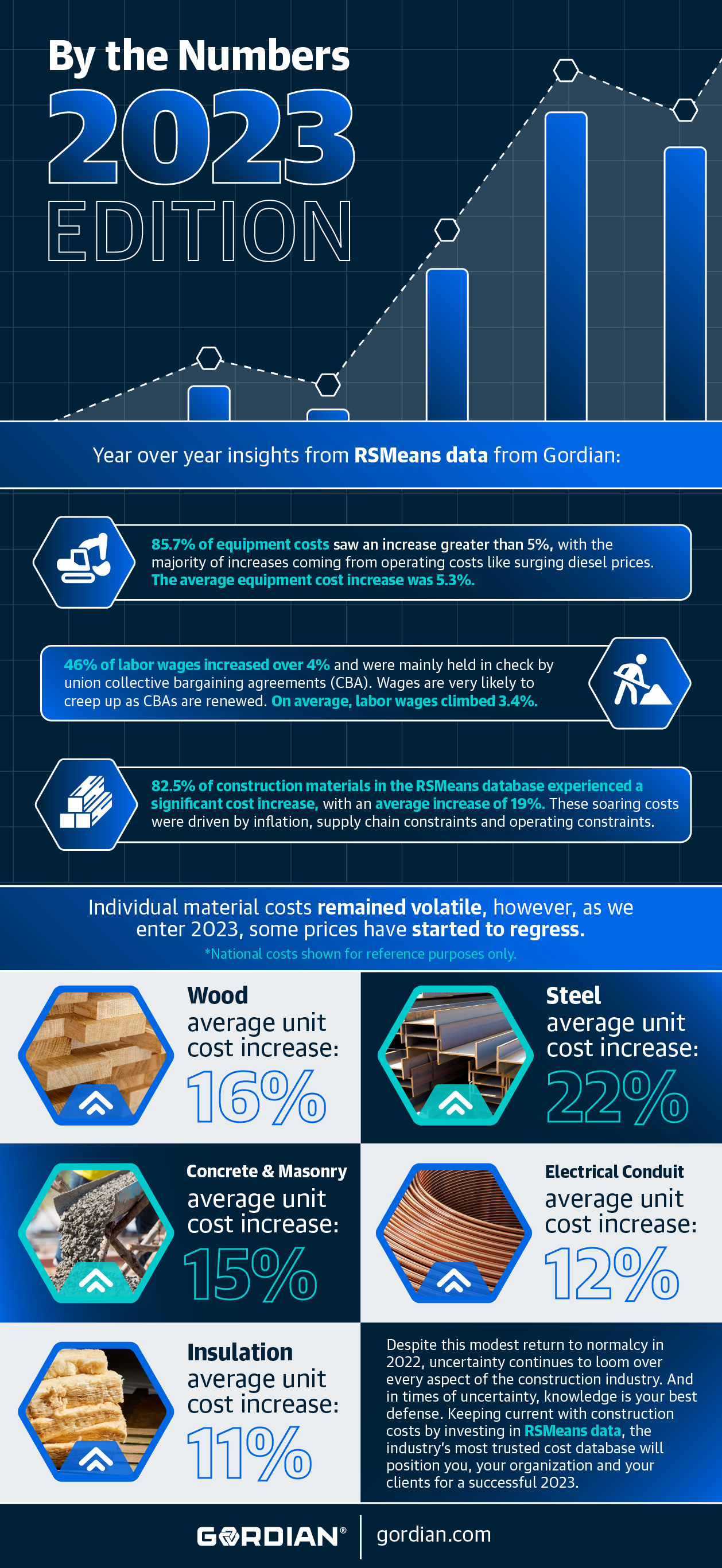
Tools like RSMeans are popular in the construction industry and are essentially detailed cost databases. These tools are used by professionals to estimate costs accurately and efficiently. They provide valuable insights into the costs of different materials, labor, and even the potential impact of economic factors on a project.
Having access to these tools can be a real advantage, especially for larger construction companies. It allows them to provide accurate quotes and plan projects effectively. For homeowners, it's a great way to get a realistic idea of what your renovation might cost.
Big Players and the Industry
The construction industry is diverse, with companies of all sizes. The big players often have the advantage of economies of scale, allowing them to take on larger projects and offer more specialized services. They might have access to better resources, like advanced cost databases and tools, which can give them an edge in the market.
However, smaller companies can offer a more personalized service and often have a strong local presence. It's a balance between size and specialization, and both types of companies play a vital role in the industry.
So, there you have it! The construction cost database is a valuable resource for anyone involved in construction, whether you're a homeowner, a contractor, or a company owner. It's a great way to get a handle on costs and plan effectively.
Related: Find Your Thread Size: A Quick Guide
A thread size chart is a handy tool for anyone working with screws, bolts, and fasteners. It's a simple yet effective way to ensure you're using the right size and type of thread for your project. This guide will cover the basics of reading and using these charts, so you can tackle any fastening task with confidence.
You'll find charts for both metric and imperial thread sizes, and they often include details like thread pitch and bolt sizes. While the values may vary depending on the standard and region, these charts provide a reliable reference point to get you started.
Understanding Thread Dimensions: A Quick Overview
The thread size chart is your practical guide to understanding the various dimensions and specifications of threads, a crucial component in fasteners like bolts and screws. This chart simplifies the process of identifying and selecting the right thread size for your project, ensuring a perfect fit and secure connection.
Comparing Common Thread Types and Standards
There are two main standards for thread sizes: metric and imperial. The metric thread size chart uses millimeters for measurements, while the imperial chart relies on inches. Both charts provide essential information, including thread diameter, pitch (the distance between threads), and sometimes even the thread's length.
Reading the Chart: A Step-by-Step Guide
Here's a simple process to read and utilize a thread size chart:
Identify the Standard: Determine whether you need a metric or imperial thread size chart. This choice depends on the region and the specific project requirements.
Locate the Diameter: Find the column or row that represents the thread's diameter. This value is typically given in millimeters (mm) for metric threads and inches for imperial threads.
Check the Pitch: Once you've identified the diameter, locate the corresponding pitch value. The pitch is often given as a number followed by the symbol "TPI" (threads per inch) for imperial threads, or simply "mm" for metric threads.
Consider Additional Factors: Some charts may provide extra details, such as thread length or specific thread types (e.g., coarse or fine threads). These additional factors can influence your choice, especially for specialized applications.
Common Misreadings and How to Avoid Them
One common mistake is confusing the thread diameter with the bolt or screw's overall diameter. Remember, the thread size chart focuses on the thread's dimensions, not the entire fastener. Another pitfall is assuming that all threads of the same diameter have the same pitch. Always double-check the pitch, especially when working with different thread types or standards.
Factors Affecting Accuracy and Real-World Use
Several factors can impact the accuracy and applicability of a thread size chart. Firstly, always refer to the specific standard being used, as thread sizes can vary slightly between different regions and industries. Additionally, the chart may not cover every possible thread size or type, so it's essential to cross-reference with manufacturer specifications for precise information, especially for specialized or custom threads.
Hey there! I hope this thread size chart has been a helpful resource for you. Remember, while the basics are covered here, there can be slight variations in measurements and standards, so it's always good to double-check the specific details for your project.
Feel free to explore our other guides and resources; we've got a range of practical topics to keep you informed and inspired. Happy crafting!