





Flange Bolt Chart Editable Overview
You've likely found yourself searching for a jean size chart at some point, whether it's to double-check a size before ordering online or to understand the measurements listed on a clothing tag. These charts are a handy tool, offering a quick reference for finding your perfect fit, and they can vary slightly depending on the brand and region. With a simple glance, you can navigate the world of denim sizing, ensuring you always get the right pair of jeans.
Understanding Size Charts: A Guide to Jean Sizing
The jean size chart is a handy tool that simplifies the process of finding your perfect fit in denim. This chart provides a standardized way to determine your jean size, making it easier to shop for jeans, both in-store and online. It offers a quick reference for waist and hip measurements, ensuring you choose the right size for your body.
Comparing Standards and Formats
Jean size charts can vary depending on the region and manufacturer. The most common standards are the US and international (metric) systems, each with its own set of measurements and size labels. US sizes are often based on waist size, while international sizes may use a combination of waist and hip measurements. It's essential to know which standard a chart follows to ensure accurate sizing.
Step-by-Step Guide: Measuring for Jeans
To use a jean size chart accurately, follow these steps:
- Gather a measuring tape and stand in a comfortable position. Ensure the tape is straight and not twisted.
- Measure your waist at the narrowest point, usually just above your belly button. This is your waist size.
- Optionally, measure your hip at its widest point, typically around the hip bones. This measurement is crucial for a precise fit, especially for curvier figures.
- Refer to the jean size chart and locate your waist size. Some charts may also provide a hip size range for each waist size, ensuring a better fit.
- Choose the size that corresponds to your measurements. If your waist and hip measurements fall into different size categories, select the size that accommodates your hip measurement to ensure comfort and a flattering fit.
Avoiding Misreadings and Pitfalls
One common mistake is assuming all jean size charts are universal. Always check the standard and units used on the chart. For instance, a US size 8 may not align with an international size 8. Additionally, remember that jeans can stretch over time, so consider choosing a size that feels slightly snug initially.
Factors Affecting Accuracy
Several factors can influence the accuracy of a jean size chart. Firstly, body shape and proportions vary greatly, so a single chart may not cater to all body types. Secondly, denim fabric can stretch and shrink, especially with frequent wear and washing. To account for this, some charts provide a size range or suggest choosing a size down for a more tailored look. Lastly, manufacturing variations can lead to slight size discrepancies between brands. Always refer to the brand's size guide for specific tolerances.
Adapting the Chart for Your Needs
If you prefer a more tailored fit, consider using a pant size calculator or a detailed clothing size chart that considers multiple body measurements. These tools offer a precise fit by accounting for various body dimensions. Alternatively, for a quick and convenient option, stick to the standard jean size chart, which provides a good starting point for finding your size.
Well, there you have it! A comprehensive guide to jean sizes, covering all the bases and offering a practical solution for your sizing needs.
Remember, while this chart is a fantastic tool, it's always wise to double-check your specific requirements and context. Exact values can vary, so ensure you're using the right standards and measurements for your situation. With this guide, you're well-equipped to navigate the world of jean sizes confidently.
Consider bookmarking this page for future reference; it'll be a handy resource whenever you need to size up your denim game!
Related: What is a screw sizes chart?
A screw sizes chart is a handy tool for anyone working with screws and fasteners. It's a simple yet effective way to ensure you're using the right screw for the job. This guide will show you how to navigate and utilize these charts, covering the basics and offering some practical tips.
You'll find these charts provide valuable information, from screw gauge measurements to thread pitch details. They can vary slightly depending on the standard or region, but the key is to understand the format and you'll be able to apply this knowledge to any project.
Understanding Screw Sizes Chart
The screw sizes chart is your practical guide to choosing the right screw for any project. It's a handy reference tool that simplifies the process of selecting screws based on their size and other key characteristics. This chart is a visual representation of screw dimensions, making it easy to identify and compare different screw types.
Key Details and Units
Before diving into the chart, let's understand the basics. Screw sizes are typically described using two main measurements: the diameter and the length. The diameter refers to the width of the screw's thread, while the length is the overall height of the screw from the head to the tip. These measurements are crucial for ensuring a proper fit and function.
Additionally, screws have different thread types, such as coarse or fine threads, which affect their strength and suitability for various materials. The chart will also indicate the thread pitch, which is the distance between threads.
Reading and Applying the Chart
Using the screw sizes chart is straightforward. First, identify the screw's intended use and the material it will be securing. Then, locate the relevant section on the chart that corresponds to your needs.
The chart typically organizes screws by diameter, with each row representing a specific diameter size. Within each row, you'll find columns indicating the length and other relevant details. Simply match the required diameter and length to find the perfect screw for your project.
For example, if you need a screw with a diameter of 6mm and a length of 25mm, locate the 6mm diameter row and scan across to find the 25mm length column. Here, you'll find the recommended screw size, along with any additional information, such as thread type and pitch.
Variations and Differences
It's important to note that screw sizes charts can vary depending on the standard being used. There are different measurement systems, like the metric system and imperial system, which use different units and ranges. Additionally, specific industries or applications may have their own unique standards and tolerances.
For instance, the metric system uses millimeters for screw sizes, while the imperial system uses inches. So, when referring to a screw sizes chart, ensure you are using the correct standard for your region or industry.
Common Mistakes and How to Avoid Them
One common mistake is assuming that all screw charts follow the same format and units. Always double-check the standard being used to avoid confusion and ensure accuracy.
Another pitfall is not considering the thread type and pitch. These factors are crucial for ensuring the screw's compatibility and performance. Always refer to the chart's key for an explanation of thread types and their meanings.
Lastly, remember that screw sizes can vary slightly between manufacturers. While the chart provides a general guide, it's always a good idea to verify the exact specifications with the manufacturer's documentation or consult with a professional for precise recommendations.
Well, there you have it! A handy guide to screw sizes and their charts. Remember, while these charts provide a solid foundation, exact values can differ slightly, so it's always good to double-check.
Don't stop here! Our site offers a range of practical guides to help you tackle various DIY and home improvement projects. Why not explore some more and discover new tips and tricks?
Related: Master the Army AFT Chart: A Quick Guide
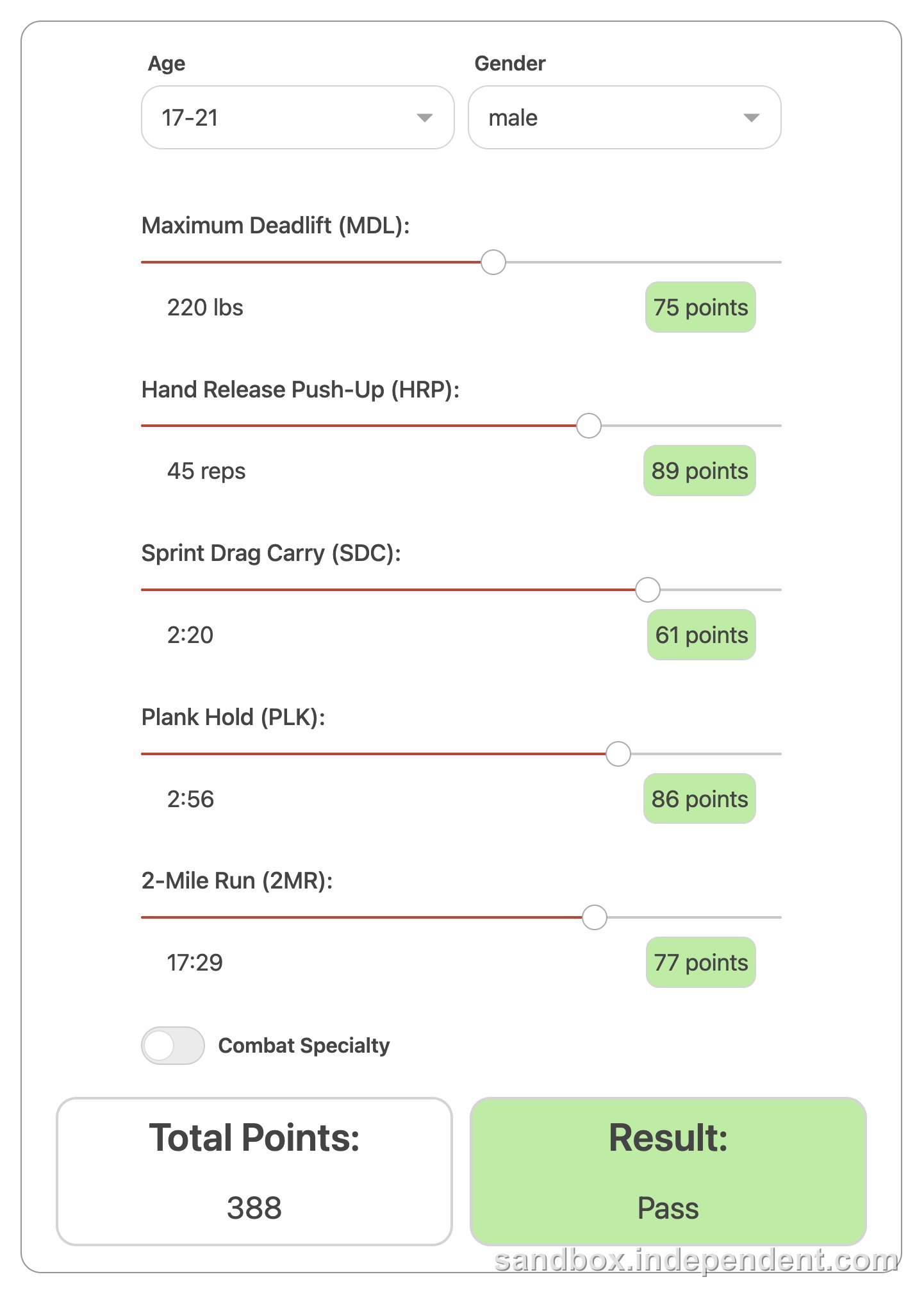
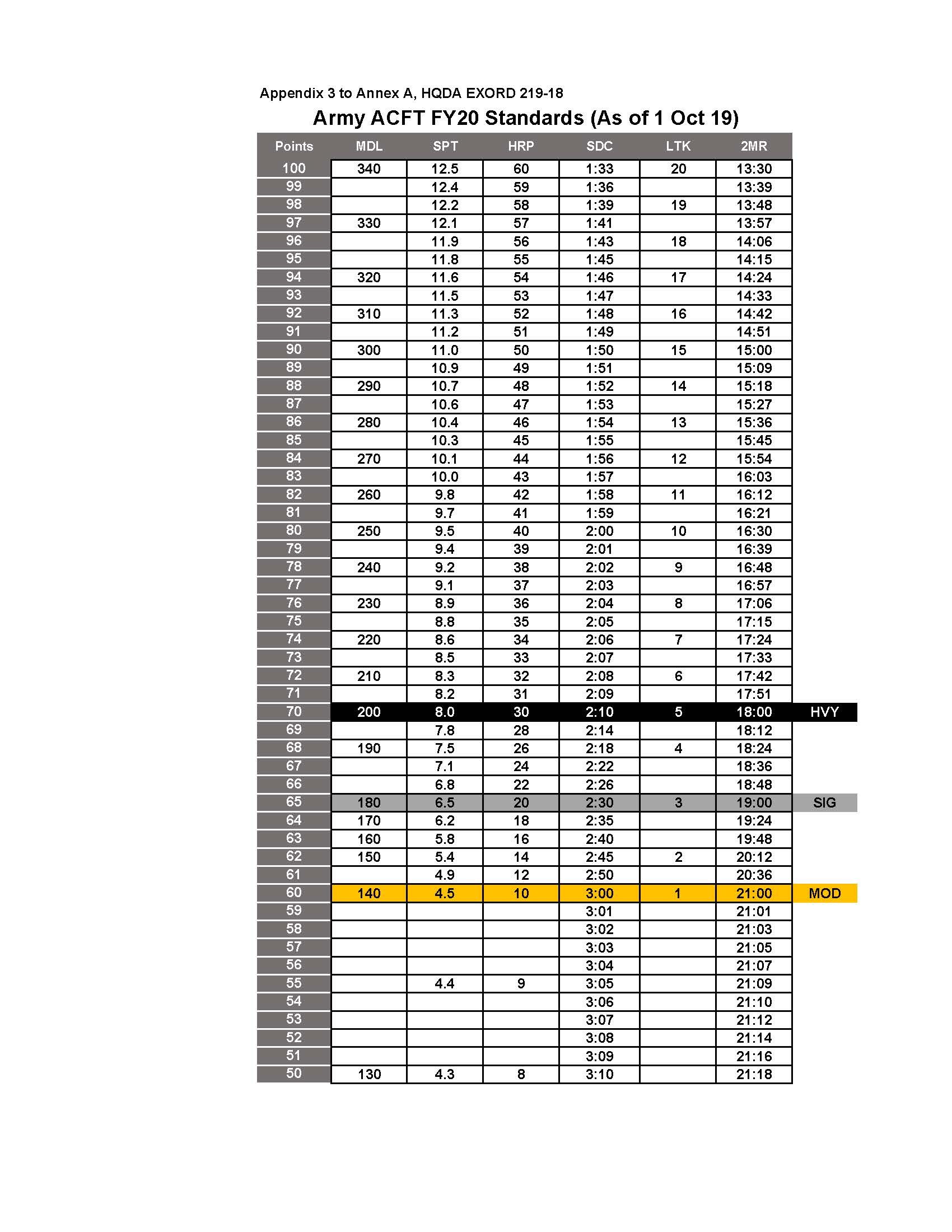
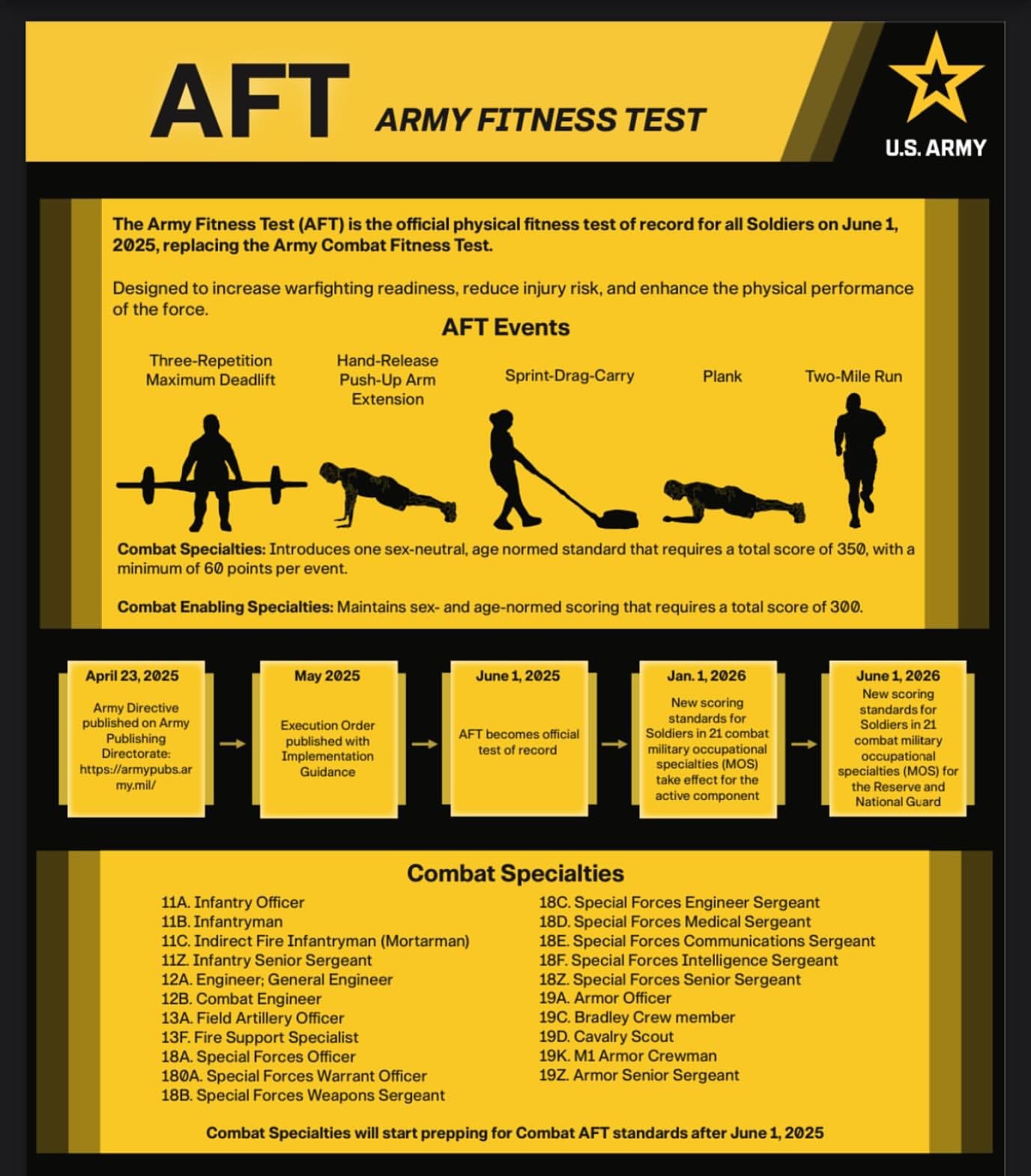
The army aft chart is a handy tool for anyone looking to understand and track their physical fitness progress, especially those with a military background or an interest in meeting army fitness standards. This guide will cover the basics of reading and interpreting the chart, ensuring you can use it effectively.
It provides a clear visual representation of the Army Physical Fitness Test (APFT) standards, including push-up and sit-up requirements, and can help you assess your current fitness level and set goals. While the exact values may vary depending on your region and specific army guidelines, the chart offers a reliable framework to get you started on your fitness journey.
Understanding the Army AFT Chart
The army aft chart, or the Army Physical Fitness Test (APFT) chart, is a valuable tool used to assess and evaluate soldiers' physical fitness levels. It provides a standardized way to measure and compare performance across different units and individuals. This chart is an essential reference for soldiers and their commanders, as it helps determine if they meet the required physical standards.
Comparing APFT Standards and Categories
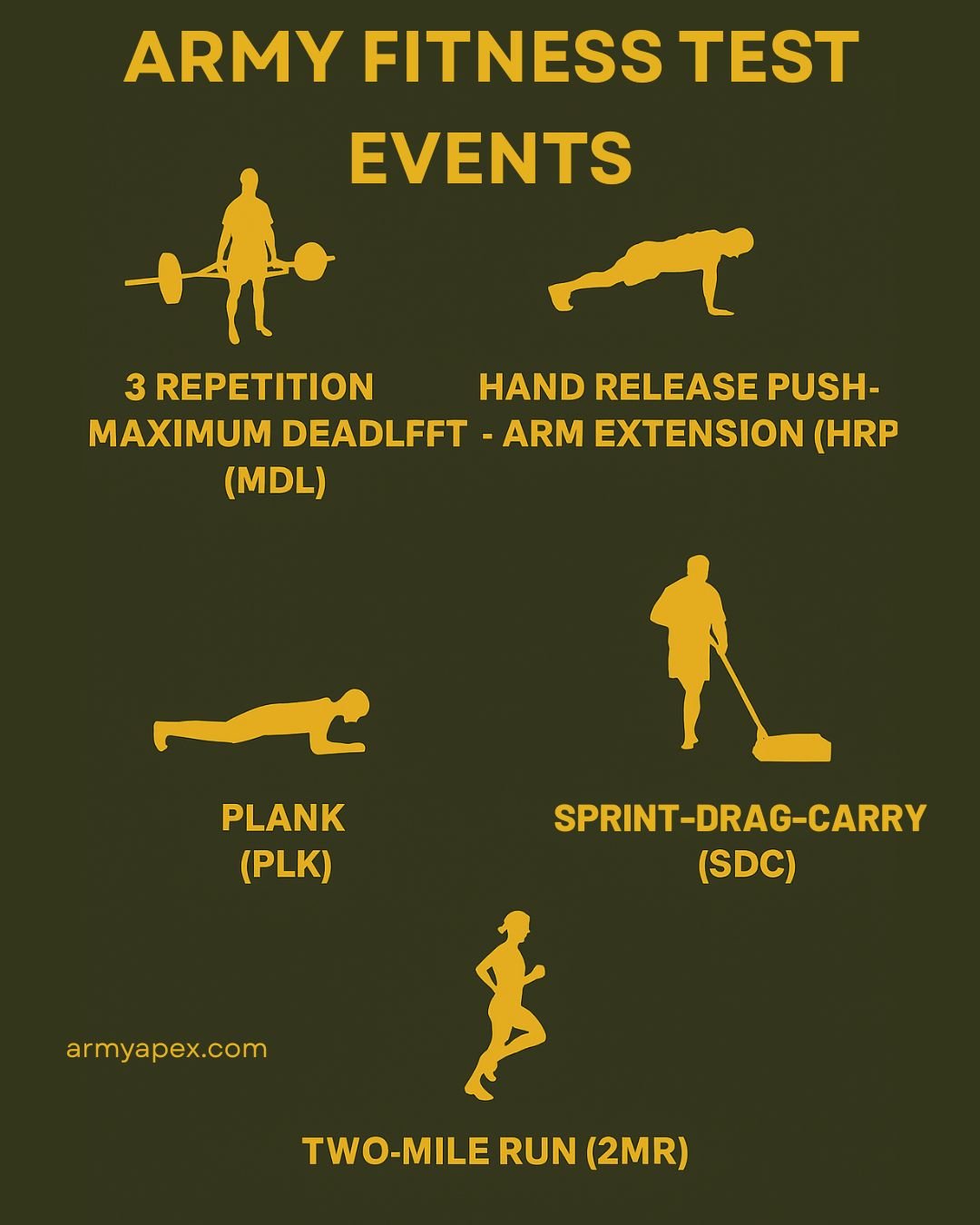
The army aft chart consists of various categories and standards that soldiers must meet. These categories typically include push-ups, sit-ups, and a two-mile run. Each category has specific performance standards, and soldiers are scored based on their ability to meet or exceed these standards. The chart provides a clear breakdown of the expected performance for each category, ensuring consistency and fairness in assessments.
Step-by-Step Guide to Using the APFT Chart
Using the army aft chart is straightforward, but it requires attention to detail. Here's a simple guide:
- Identify the category you want to assess, whether it's push-ups, sit-ups, or the run.
- Locate the corresponding column on the chart. Each category has its own set of standards.
- Determine your age group, as age-based standards are applied.
- Perform the exercise or run as per the test guidelines.
- Refer to the chart to find your score. The chart provides a range of scores, and you aim to achieve the highest score possible.
- Repeat this process for all categories to get a comprehensive assessment.
Avoiding Common Misreadings and Pitfalls
One common mistake is misinterpreting the age categories. Ensure you are referring to the correct age group, as standards can vary significantly between younger and older soldiers. Additionally, pay attention to the specific test guidelines for each category. For instance, the push-up and sit-up standards might have different requirements for male and female soldiers. Always double-check the instructions to avoid any confusion.
Factors Affecting Accuracy and Real-World Performance
While the army aft chart provides a standardized assessment, several factors can influence the accuracy of the results. These include individual fitness levels, training consistency, and even environmental conditions. For instance, performing the two-mile run on a hot day with high humidity can impact your performance. It's crucial to consider these variables and ensure fair testing conditions to get accurate assessments.
Adapting the Chart for Specific Needs
The army aft chart is designed to be flexible and adaptable to various situations. If you have specific fitness goals or are preparing for a particular mission, you can use the chart to tailor your training. For example, if you aim to improve your endurance for long-distance runs, you can focus on the run category and aim for higher scores. The chart allows you to track your progress and set achievable goals.
Maintaining Reliable References for Future Assessments
To ensure the reliability of your assessments, it's essential to keep an updated copy of the army aft chart. The chart may undergo revisions and updates to reflect changing standards or new research. Stay informed about any changes and ensure you are using the most recent version. Additionally, regularly review the test guidelines and procedures to maintain consistency in your assessments. This way, you can accurately track your progress and compare it with others.
The army aft chart is a powerful tool for soldiers to gauge their physical fitness and ensure they meet the required standards. By understanding the categories, interpreting the results accurately, and adapting the chart to specific needs, soldiers can take control of their fitness journey and strive for excellence. Remember, consistent training and attention to detail are key to achieving the best results.
Hey there, we hope this guide has been helpful in demystifying the Army AFT Chart and its various aspects. Remember, while we've covered the basics, the specifics can differ slightly based on your unique circumstances. So, keep an eye out for those nuances!
If you're keen to explore more practical guides like this, feel free to browse our collection. We've got a range of topics to suit your needs, all designed to make your life a little easier. Happy reading and learning!