



Flange Bolt Chart For Kids Overview
A blanket size chart is a handy tool to have when you're shopping for the perfect blanket, whether it's for your bed or a cozy throw. This guide will show you how to navigate and understand these charts, ensuring you get the right size every time.
Blanket size charts can vary, offering different measurements and sizes, so it's helpful to know the standard sizes like twin, full, and queen, and even the metric conversions. With this knowledge, you'll be able to choose the ideal blanket size with confidence.
A Quick Overview of Blanket Size Charts
Blanket size charts are a handy reference tool to help you choose the right blanket size for your needs. These charts provide standard dimensions for various blanket sizes, making it easier to find the perfect fit for your bed or specific use. Whether you're shopping for a new blanket or just want to understand the sizes better, this guide will walk you through the basics.
Comparing Blanket Size Standards and Formats
Blanket size charts can vary depending on the standard or region. In the US, you'll often find measurements in inches, with common sizes like twin, full, queen, and king. Internationally, metric measurements are used, and you might see sizes like single, double, queen, and super king. It's important to know which standard you're dealing with to ensure accurate sizing.
Step-by-Step Guide to Reading a Blanket Size Chart
Here's a simple process to read and understand a blanket size chart:
Identify the Standard: First, check if the chart uses US or metric measurements. This will impact the dimensions and size labels.
Locate the Size Category: Look for the size you're interested in, such as twin, full, or queen. These categories are typically listed clearly on the chart.
Read the Dimensions: Under each size category, you'll find the width and length measurements. These are the standard dimensions for that particular size.
Consider Variations: Keep in mind that while charts provide standard sizes, there can be slight variations between manufacturers. Always check the exact specifications if precision is crucial.
Common Misreadings and How to Avoid Them
It's easy to misinterpret a blanket size chart if you're not familiar with the format. Here are some common mistakes and how to avoid them:
Mixing Up Standards: Always double-check if the chart uses US or metric measurements. Using the wrong standard can lead to significant sizing errors.
Assuming Exact Fit: Blanket size charts provide standard dimensions, but actual products might have slight variations. Always check the product specifications for precise measurements.
Ignoring Size Labels: Pay attention to the size labels on the chart. Each label corresponds to a specific size category, so ensure you're looking at the right one.
Factors Affecting Size Variations
Several factors can cause variations in blanket sizes:
Manufacturer Differences: Each manufacturer might have slight variations in their sizing, so always check the product details.
International Standards: Blanket sizes can vary between countries due to different standards and measurements.
Product Type: Different types of blankets, such as crib blankets or throw blankets, might have unique sizing. Always check the specific product category.
Choosing the Right Size for Your Needs
When selecting a blanket size, consider your specific requirements:
Bed Size: Ensure the blanket fits your bed size comfortably. A queen-size blanket won't fit a king-size bed, for example.
Personal Preference: Some people prefer oversized blankets for extra coverage. If you like a snug fit, choose a size that matches your bed dimensions.
Blanket Type: Consider the purpose of the blanket. A crib blanket will have different dimensions compared to a standard bed blanket.
Keeping Your Reference Reliable for Future Use
To ensure you can rely on your blanket size chart for future purchases:
Save the Chart: Keep a digital or printed copy of the chart for easy reference.
Check for Updates: Blanket size standards might evolve over time. Periodically review the chart to ensure it's up-to-date.
Note Product Variations: If you find a blanket with slightly different dimensions, make a note of it for future reference. This can help you make more informed choices.
Well, that's a wrap on our blanket size chart adventure! We've covered a lot of ground, from understanding the different options to learning how to use and adapt them to your needs. Remember, the exact details might vary slightly, so always double-check the source or standard you're using.
Feel free to explore more of our practical guides and resources. We've got a whole collection of tips and tricks to make your life easier, so don't be a stranger!
Related: Bond Angles Chart: Your Quick Reference Guide
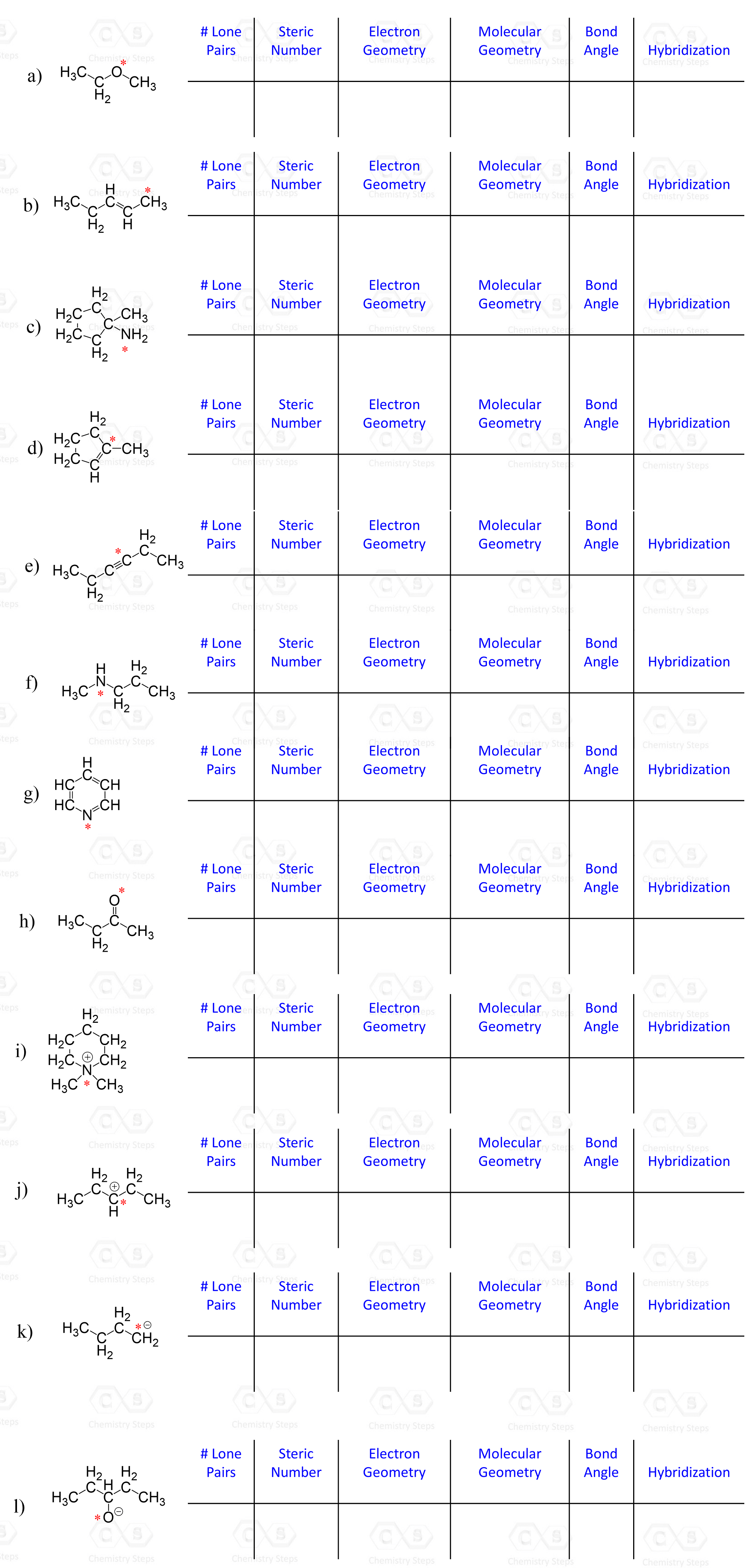
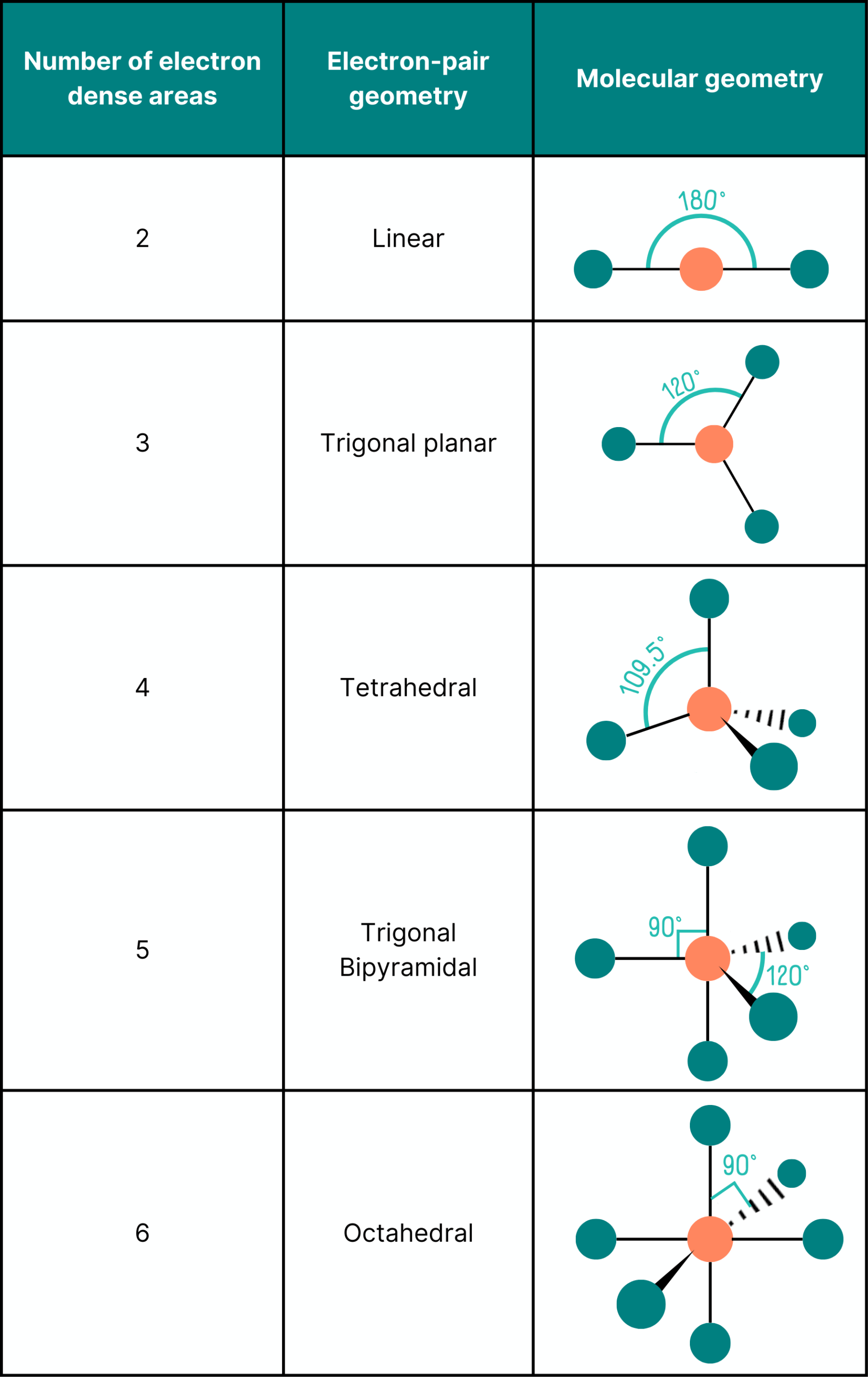
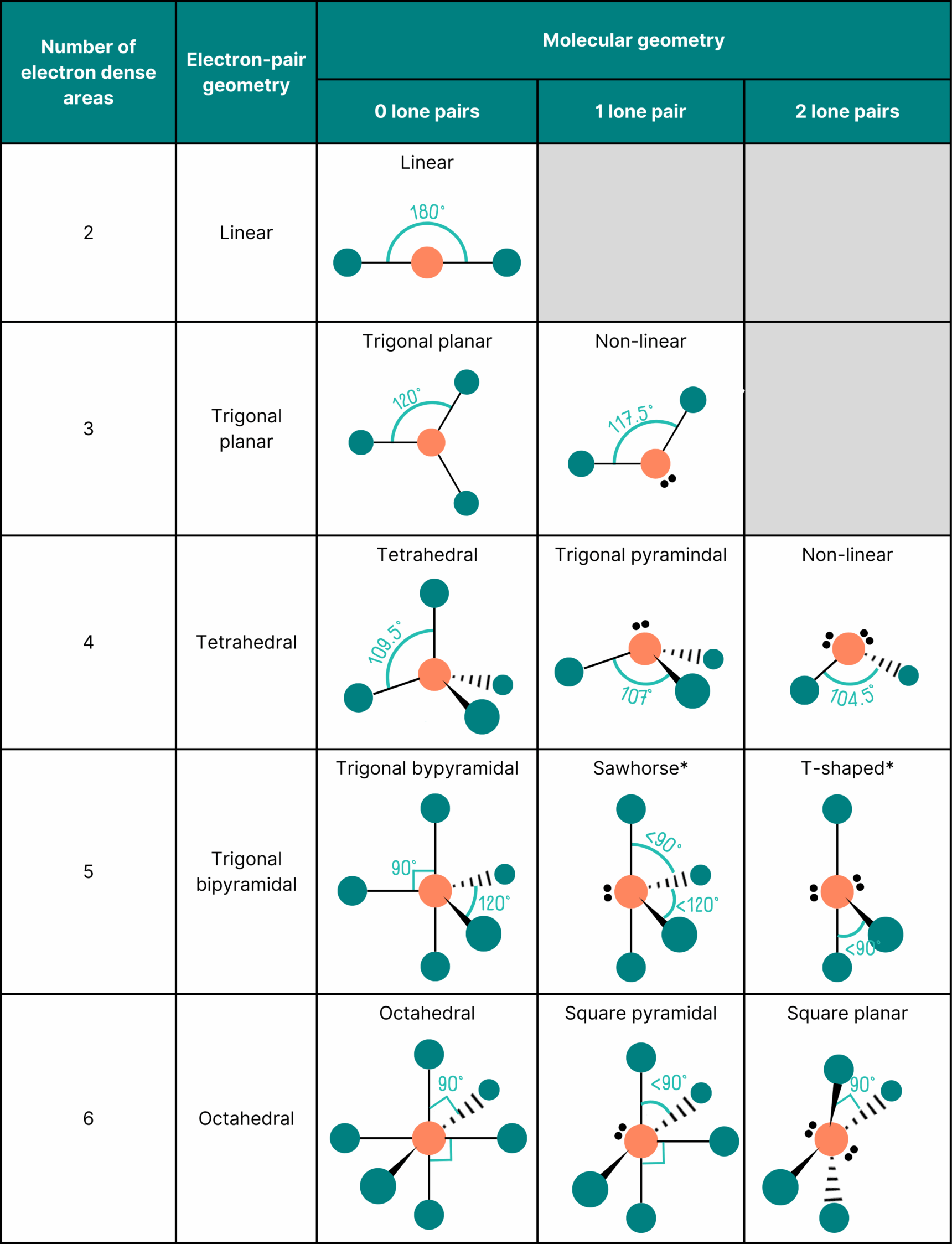
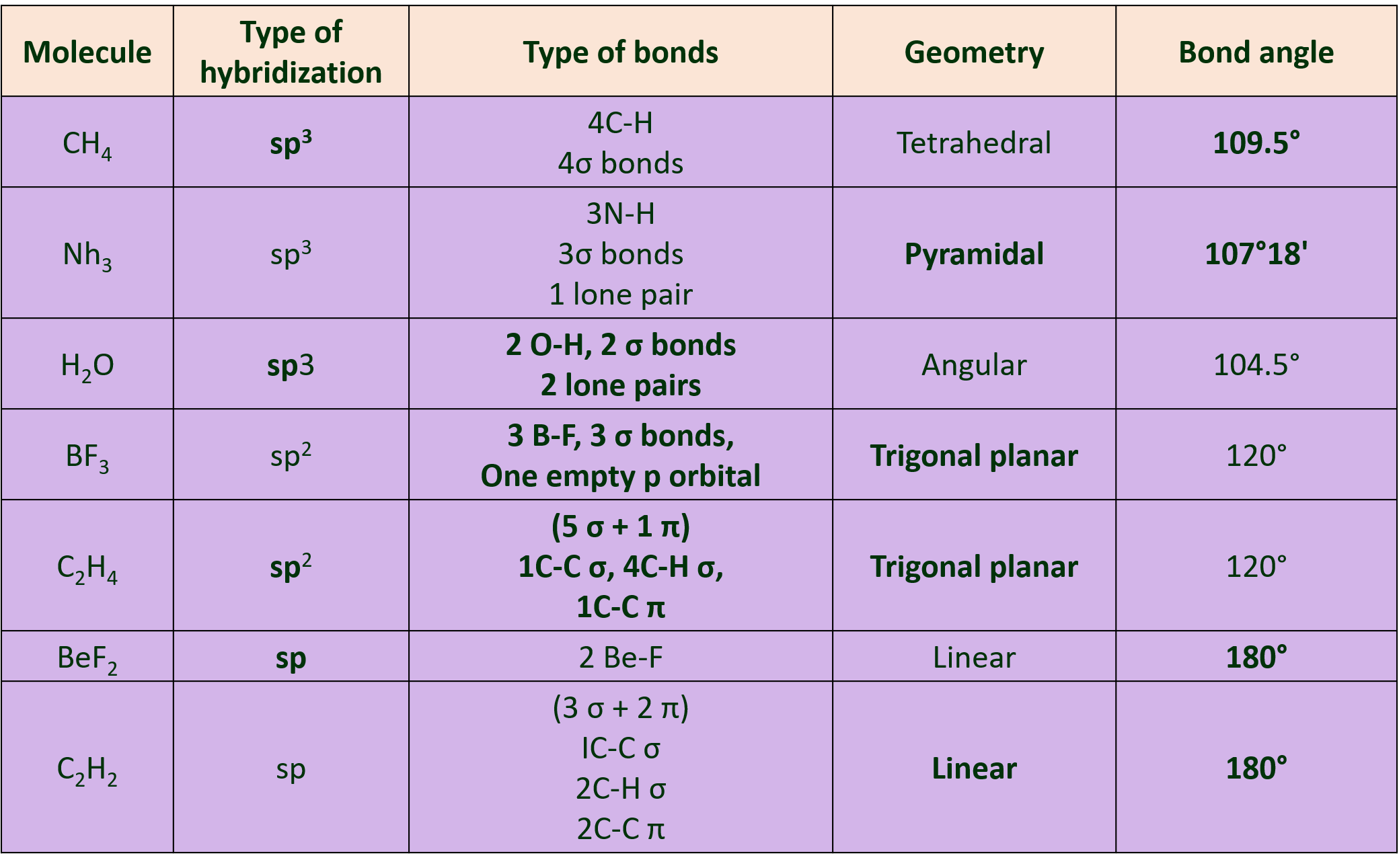
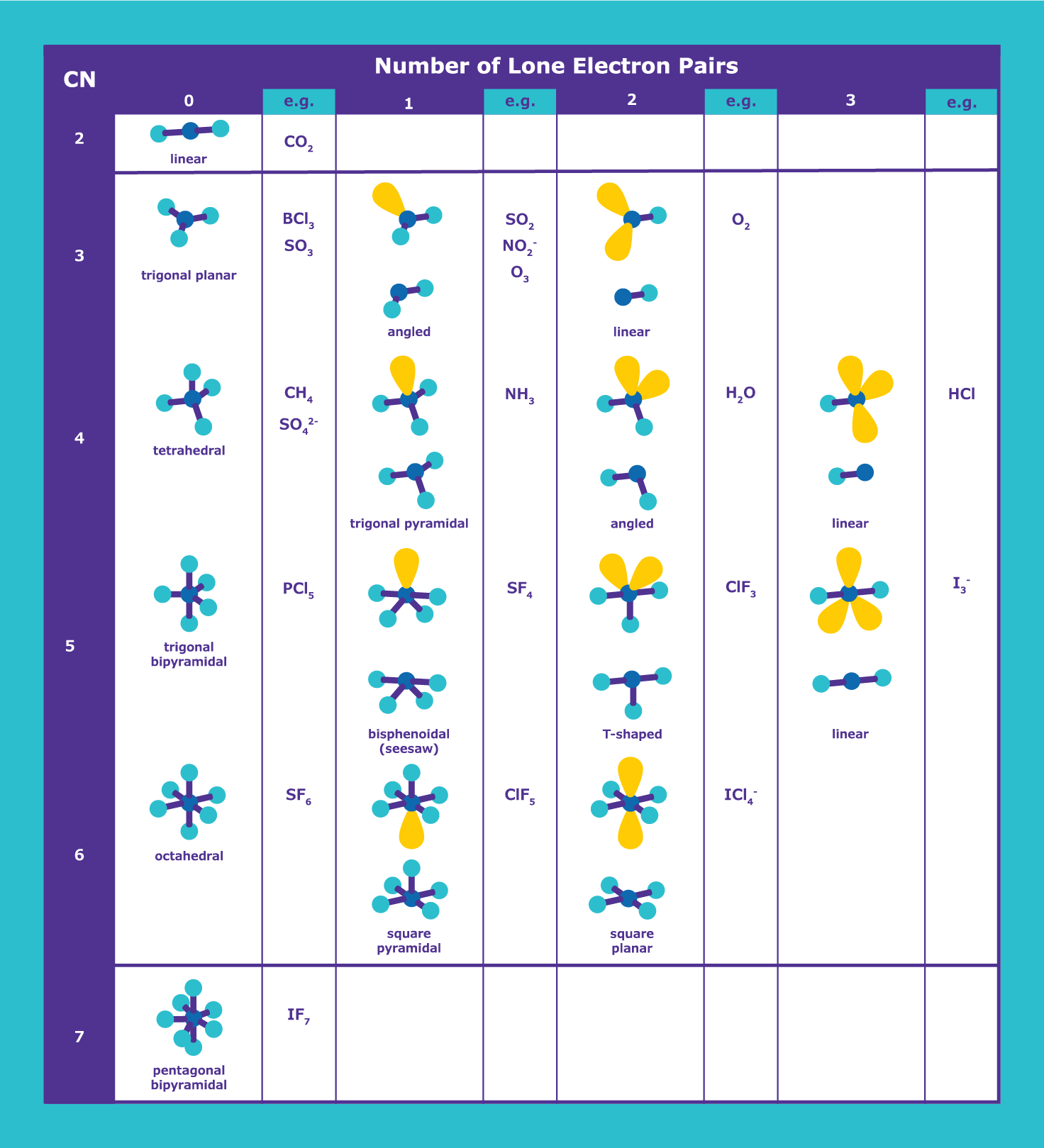
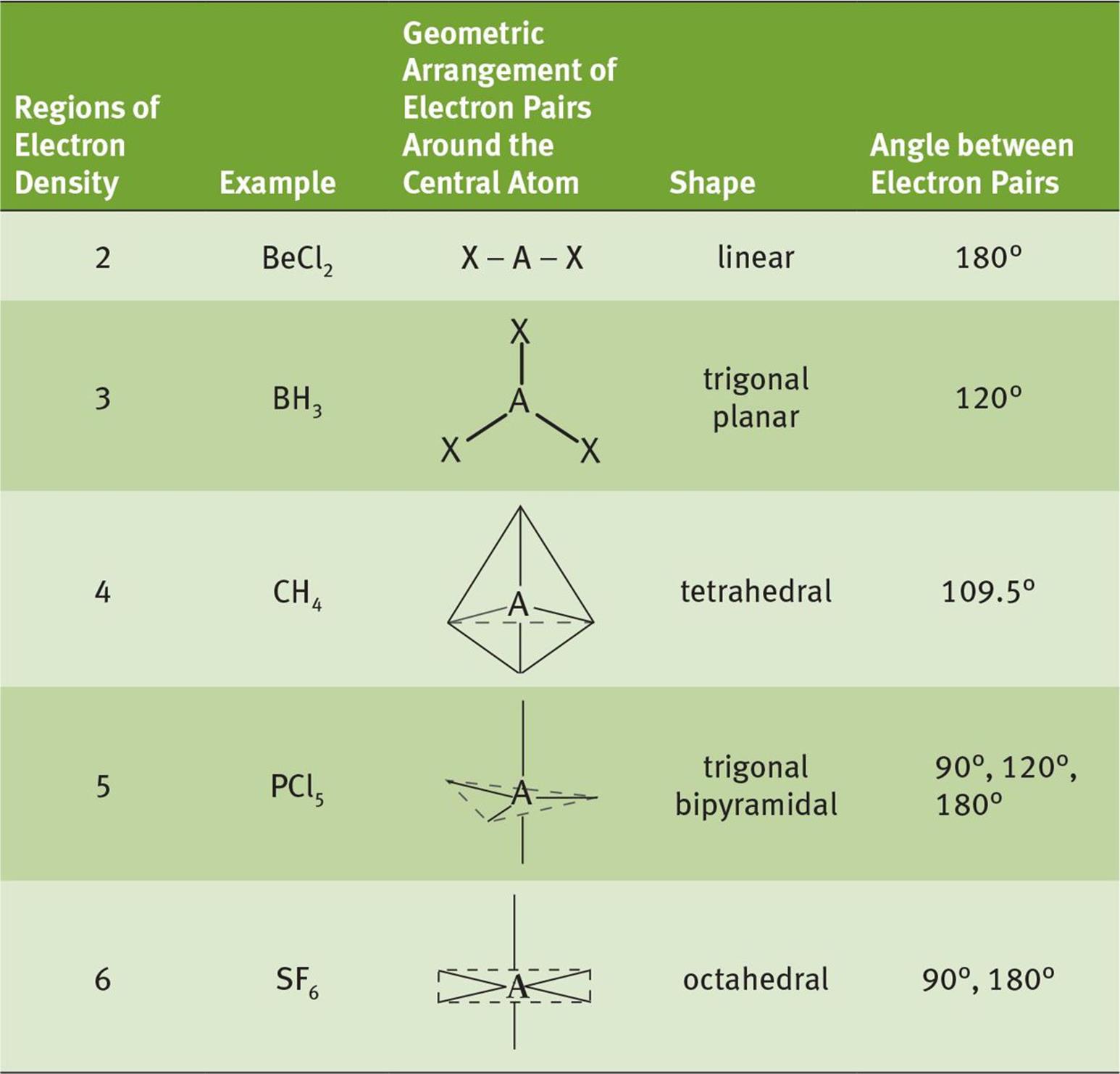
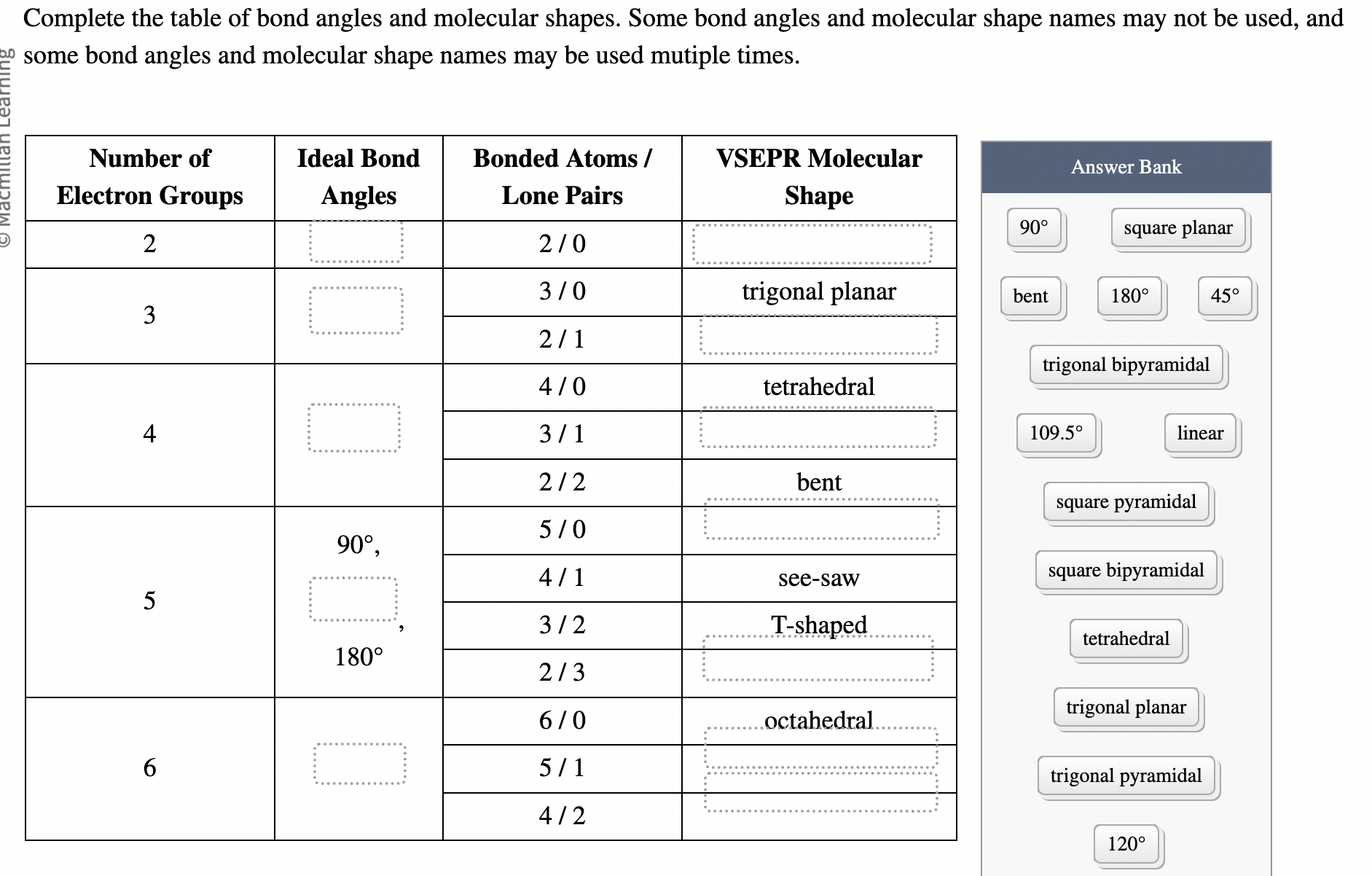
If you're seeking a swift and reliable guide, the bond angles chart is an invaluable tool. It offers a concise visual representation, allowing you to quickly grasp and apply the principles of molecular geometry. This chart, whether in table or diagram form, provides an efficient way to understand chemical bonding and its associated angles. While values may vary depending on the context, having a bond angles chart at your fingertips ensures you can navigate these variations with ease.
Bond Angles Chart: A Quick Overview
The bond angles chart is a valuable reference tool for anyone working with molecular geometry and chemical bonding. It provides a visual representation of typical bond angles, offering a quick and accessible way to understand and compare the geometry of different molecules. This chart is a handy guide for students, scientists, and professionals in fields like chemistry, materials science, and engineering.
Comparing Chart Formats and Standards
There are various formats and standards for bond angle diagrams and molecular geometry charts. The most common ones are based on the VSEPR model, which predicts molecular geometry based on valence shell electron pair repulsion. These charts typically use degree measurements to represent bond angles. However, it's essential to note that the specific values and categories may vary depending on the standard being used. Some charts provide a general overview, while others are more specialized, focusing on specific types of molecules or chemical bonding.
Step-by-Step Guide to Using the Chart
Using the bond angles chart is straightforward:
- Identify the molecule or chemical structure you want to analyze.
- Locate the relevant section or category on the chart. This could be based on the central atom, the number of bonded atoms, or the overall molecular geometry.
- Find the specific bond angle you need. The chart will provide typical values or a range of angles for that particular structure.
- Use this information to understand the geometry, predict molecular behavior, or compare it with other molecules.
Common Misreadings and How to Avoid Them
Misinterpreting the bond angles chart can lead to incorrect assumptions. Here are some common pitfalls:
- Assuming Exact Values: Bond angles often have a range of values due to variations in molecular structure. Avoid treating the chart as an absolute reference; instead, use it as a guide to estimate typical angles.
- Ignoring Molecular Context: Different molecules with the same central atom may have varying bond angles due to their unique structures. Always consider the overall molecular geometry, not just the central atom.
- Mixing Up Units: Ensure you understand the units used in the chart. Some charts use degrees (°), while others may use radians or other units. Convert if needed.
Factors Affecting Accuracy and Real-World Use
Several factors can influence the accuracy of bond angle diagrams:
- Molecular Flexibility: Molecules with flexible bonds or multiple conformations may exhibit a range of bond angles.
- Environmental Factors: Temperature, pressure, and the presence of other molecules can affect bond angles.
- Bond Strength and Length: Stronger bonds may result in narrower angles, while longer bonds can lead to wider angles.
- Hybridization: The hybridization of the central atom can impact bond angles. For example, sp^3 hybridization typically results in tetrahedral angles of around 109.5°.
Choosing the Right Chart for Your Needs
When selecting a bond angles chart, consider your specific requirements:
- General vs. Specialized: Choose a general chart for an overview or a specialized one for detailed analysis of specific molecules or bonding types.
- Level of Detail: Opt for charts with more detail if you need precise values or a broader range of molecular structures.
- Standardization: Ensure the chart aligns with your regional or industry standards. Different standards may have slight variations.
Maintaining Reliable References for Future Use
To ensure the reliability of your bond angles chart:
- Update Regularly: Keep your charts up-to-date with the latest research and advancements in molecular geometry.
- Verify Sources: Cross-reference information from multiple sources to ensure accuracy.
- Note Limitations: Be aware of the chart's limitations and when it might not apply to your specific situation. Always double-check exact specifications for critical applications.
- Share and Collaborate: Share your charts and insights with colleagues or within your industry to promote accurate and consistent use.
Well, there you have it—a comprehensive guide to bond angles and their charts. We've covered a lot of ground, from understanding the basics to navigating potential pitfalls and ensuring accuracy.
Remember, while this guide provides a solid foundation, it's always wise to consider your unique circumstances. Bond angles can have slight variations, so ensure you're referring to the right standards and sources for your specific needs. With that in mind, you're well-equipped to tackle any bond angle queries that come your way.
Feel free to explore our other guides; we've got a wealth of resources to enhance your understanding of various topics. Until next time, happy learning!
Related: Need a chore weekly chart? Get one here!
A chore weekly chart is a handy tool to keep your household tasks organized and ensure a smooth daily routine. This guide will show you how to make the most of your chart, offering a simple and effective way to manage chores.
The beauty of a chore chart is its adaptability; you can customize it to fit your family's needs. Whether you prefer a simple task list or a more visual weekly planner, the key is finding a format that works for you and helps keep everyone on track with their household duties.
What is a Chore Weekly Chart?
A chore weekly chart is a practical tool to help you organize and manage household tasks efficiently. It's a visual representation of your weekly chores, making it easier to stay on top of your responsibilities and ensure a clean and well-maintained home.
Understanding the Key Details
The chart typically consists of a grid with days of the week across the top and chore categories down the side. Each cell represents a specific chore for a particular day. Common categories include cleaning tasks like vacuuming, laundry, dishes, and grocery shopping. The chart provides a clear overview of what needs to be done and when.
Reading and Applying the Chart
Here's a step-by-step guide to using your chore weekly chart:
- Start by identifying the tasks you want to include. Consider daily, weekly, and monthly chores, as well as any specific tasks that need to be done regularly, like taking out the trash or changing bed linens.
- Assign tasks to each day of the week. Distribute the chores evenly to avoid an overwhelming workload on any single day.
- Use symbols or colors to indicate the status of each chore. For example, a checkmark can signify completion, while a red X might mean the task is overdue.
- Review and update your chart regularly. As you complete tasks, mark them off. If something comes up and a chore needs to be rescheduled, adjust the chart accordingly.
- Involve your family or housemates. If you're sharing the workload, ensure everyone understands their responsibilities and can refer to the chart for guidance.
Variations and Differences
While the basic concept of a chore weekly chart remains consistent, there can be variations based on personal preferences and household needs. Here are some factors that may cause differences:
- Household size: A larger family may require more complex chore rotations to ensure fairness.
- Individual preferences: Some people prefer a simple list format, while others like the visual appeal and organization of a chart.
- Task frequency: Certain chores may need to be done daily or monthly, influencing how you structure your chart.
Common Mistakes and How to Avoid Them
It's easy to make mistakes when creating a chore weekly chart, but these tips can help you avoid them:
- Overloading: Avoid assigning too many tasks to one day. Spread the workload evenly to prevent burnout.
- Forgetting regular tasks: Include all recurring chores, even if they seem obvious. It's easy to overlook something like taking out the recycling or wiping down kitchen counters.
- Not updating: Regularly review and update your chart to reflect changes in your routine or household needs.
Tips for Success
To make the most of your chore weekly chart and ensure it works effectively for your household, consider these best practices:
- Personalize your chart: Tailor it to your specific needs and preferences. Add notes or symbols that make sense to you and your family.
- Keep it visible: Display your chart in a central location, like the kitchen or family room, so everyone can refer to it easily.
- Review and adjust: Regularly assess how well your chart is working and make adjustments as needed. Flexibility is key to a successful chore management system.
- Involve everyone: Encourage participation and ownership of chores by involving all family members or housemates in creating and maintaining the chart.
A chore weekly chart is a great way to stay organized and ensure everyone pitches in. With the right approach, you can create a simple and effective system for your household. Remember, it's all about finding a balance and making it work for your unique situation.
When adapting any guide, it's important to consider your specific needs and context. While these charts offer a solid framework, they can be tailored to suit your family's routines and preferences. So, take the time to customize and make it your own! And don't forget to explore our other resources for even more practical tips and tricks.