


Flange Bolt Chart Free Printable Overview
A glove size chart is a handy tool to ensure you get the perfect fit for your hands. This guide will show you how to navigate these charts and find your ideal glove size with ease.
Glove sizing can vary depending on the type and purpose of the glove, so having a reliable chart is key. It's a simple process to measure your hand and find your size, and we'll cover the steps to ensure you get it right. With a glove size chart, you'll be able to choose the right gloves for any task, from gardening to safety gear.
Glove Size Chart: A Quick Overview
A glove size chart is your handy guide to finding the perfect fit for your hands. It's a simple yet effective tool that ensures your gloves are neither too loose nor too tight, offering comfort and functionality. This chart typically includes measurements for hand length and width, helping you choose the right size for various glove types.
Comparing Standards and Formats
Glove size charts can vary depending on the standard used. Common standards include the US sizing system and the international glove size standards. These standards provide different measurement categories and ranges. For instance, the US system often uses letter sizes like S, M, L, while international standards may employ numerical sizes with more precise measurements. It's essential to know which standard your chart follows to ensure accurate sizing.
Step-by-Step Guide to Using the Chart
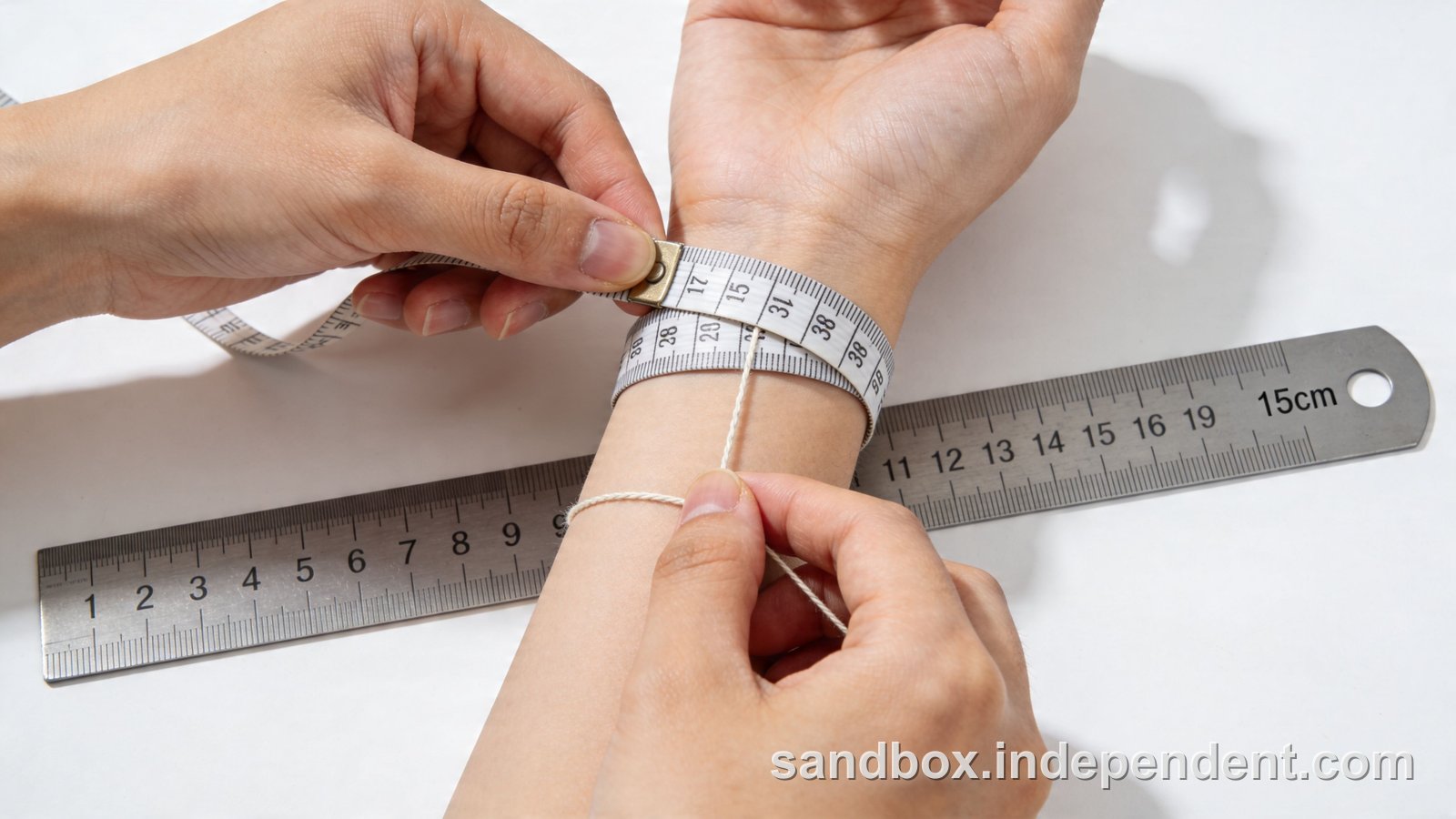
Using a glove size chart is straightforward. First, measure your hand length from the tip of your middle finger to the base of your palm. Then, measure your hand width across your palm at its widest point. These measurements will guide you to the right size on the chart. For instance, if your hand length is 7.5 inches and your hand width is 3.5 inches, you'd likely need a medium-sized glove according to the US standard. Always refer to the chart's legend or key to understand the measurements and categories.
- Measure your hand length and width accurately.
- Locate these measurements on the chart.
- Identify the corresponding glove size.
- Cross-check with the glove's product description or packaging for any specific sizing details or recommendations.
- Try on the gloves to ensure a comfortable fit.
Common Misreadings and Pitfalls
Misreading a glove size chart can lead to an inaccurate fit. One common mistake is assuming all glove types follow the same sizing standards. For example, safety gloves might have different measurements than regular gloves. Always check the chart's specific use case or purpose. Another pitfall is neglecting to measure both hand length and width. Both measurements are crucial for an accurate fit. Lastly, remember that hand shapes can vary, so a size that fits one hand perfectly might not fit the other.
Factors Affecting Accuracy
Several factors can influence the accuracy of a glove size chart. Here are some key considerations:
- Hand Shape: Hands come in various shapes, and some gloves might fit certain shapes better than others.
- Material Stretch: The material of the glove can affect its stretch and fit. For instance, leather gloves might have less give than fabric gloves.
- Safety Features: Gloves with extra padding or safety features might have a different fit compared to standard gloves.
- Personal Preferences: Some people prefer a tighter or looser fit, so personal preference plays a role in sizing.
- Manufacturing Tolerances: Gloves from different manufacturers might have slight variations in sizing, so always check the brand's specific measurements.
Always refer to the glove sizing guide provided by the manufacturer for the most accurate fit.
So, there you have it, a handy guide to glove sizing. Remember, it's always a good idea to double-check your specific needs and consider any unique factors that might impact your glove choice.
We've covered a lot of ground, but there's always more to explore. If you found this helpful, why not check out some of our other practical guides? We've got a range of topics to keep you informed and ensure you're always making the right choices. Happy reading!
Related: Understanding DPS Charts in World of Warcraft
"Dps charts wow" is a handy tool for any World of Warcraft player looking to maximize their damage output. This guide will break down the ins and outs of these charts, helping you understand their purpose and how to utilize them effectively. From dps charts wow to dps meters wow, we'll cover it all, ensuring you have the knowledge to make informed decisions about your character's performance.
Understanding DPS Charts in World of Warcraft
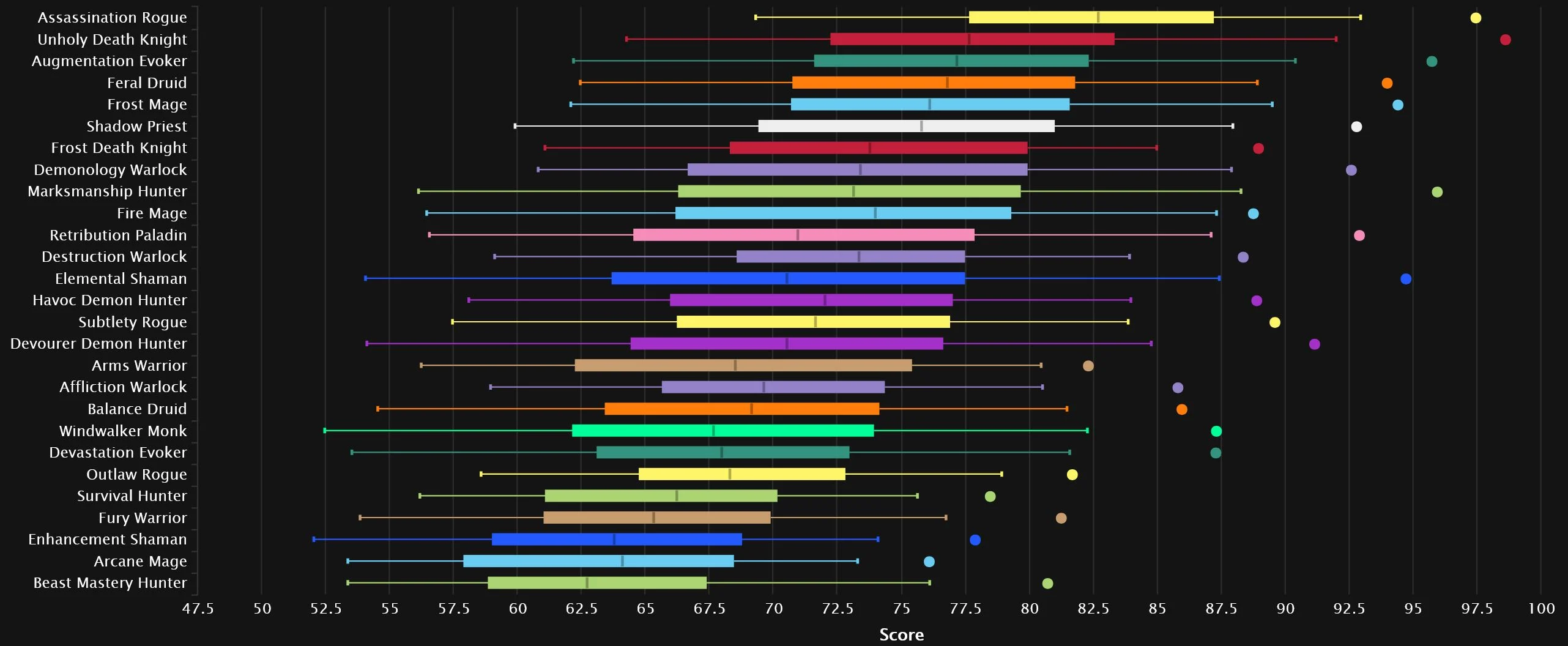
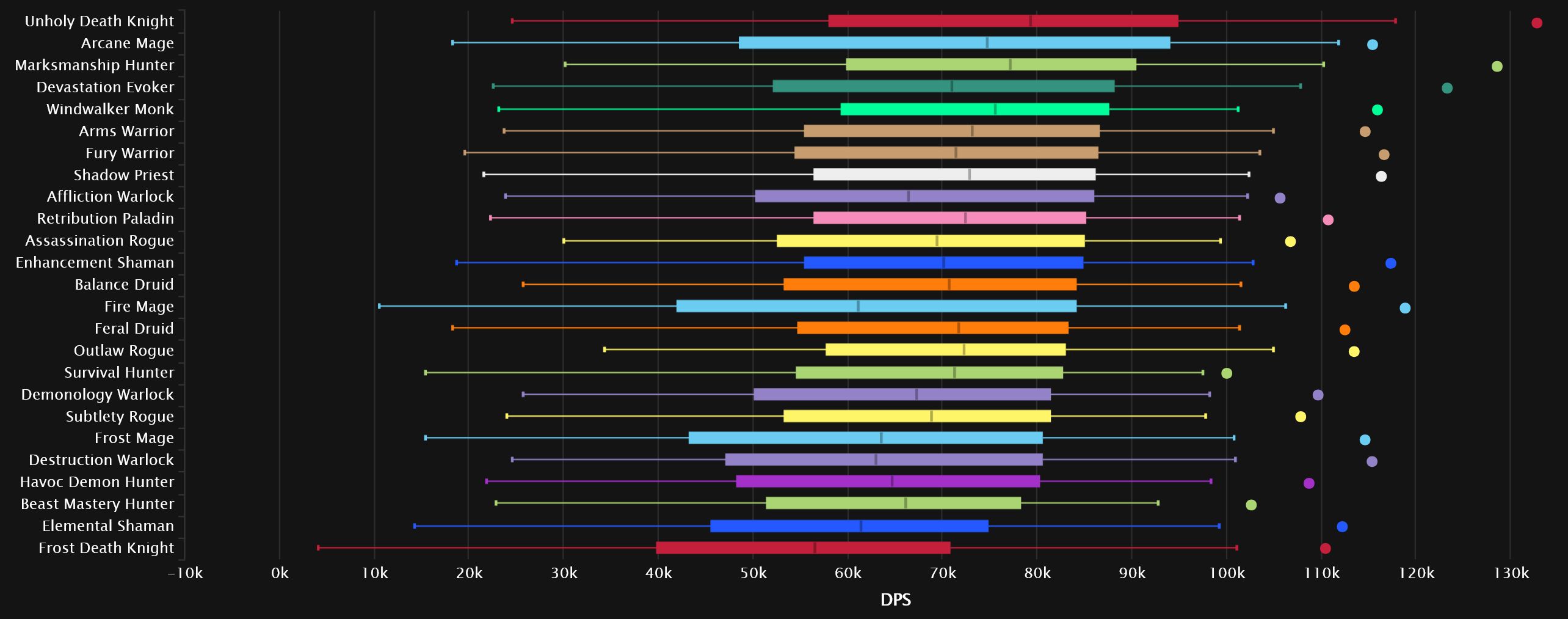
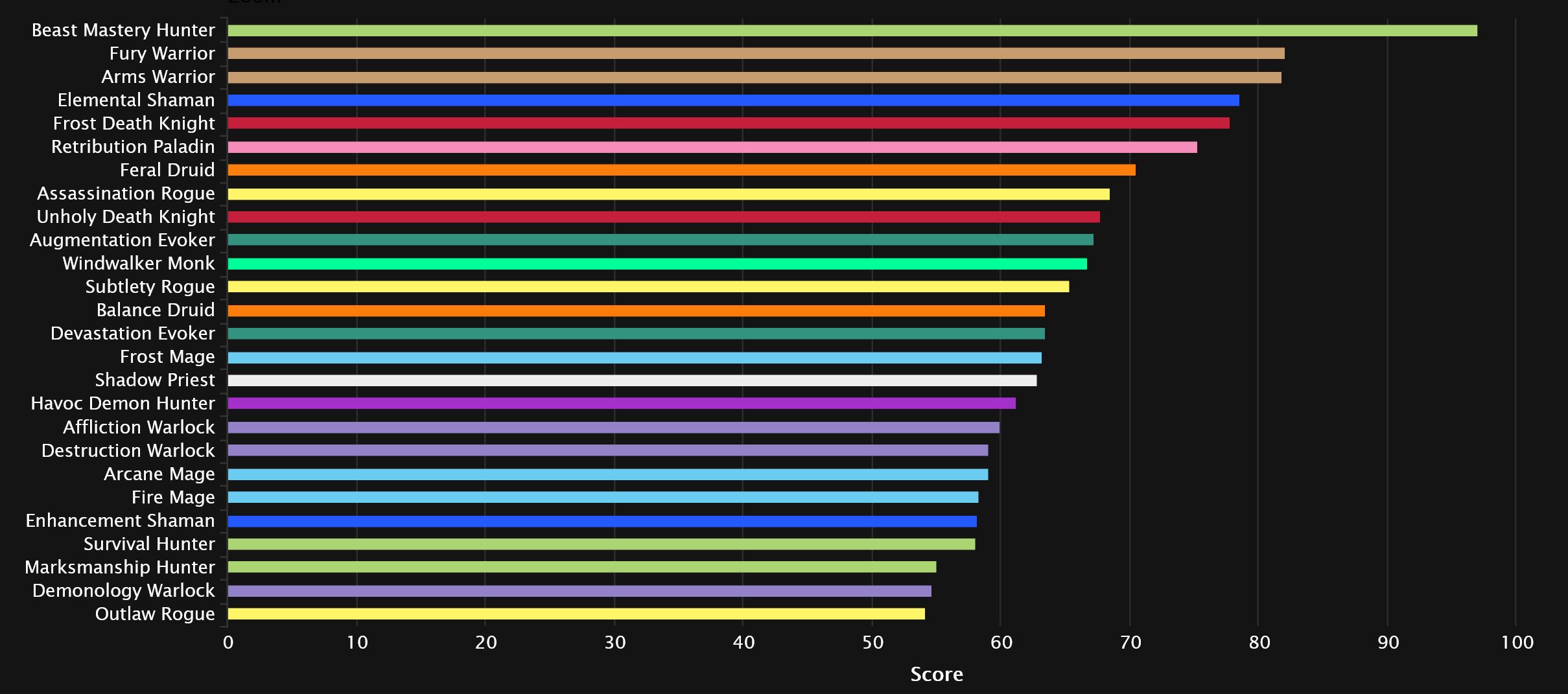
DPS charts in World of Warcraft are a visual representation of a player's damage output. These charts provide a snapshot of a player's performance and can be a valuable tool for analyzing and improving their gameplay.
Key Details and Metrics
The DPS chart typically displays two main categories: damage dealt and damage per second (DPS). The damage dealt category shows the total damage a player inflicts on enemies, while the DPS category focuses on the average damage output over time. These values are usually measured in game-specific units, such as damage per hit or per spell cast.
Interpreting the Data: A Step-by-Step Guide
To read a DPS chart accurately, follow these steps:
Start by identifying the player's name or character on the chart. This ensures you are analyzing the correct data.
Locate the damage dealt column. This value represents the cumulative damage inflicted during the encounter. Compare it to other players' damage to gauge your performance.
Move on to the DPS column. Here, you'll find the average damage output per second. This metric is crucial for understanding your sustained damage over time. Compare your DPS to the group's average to assess your contribution.
Some charts may also provide additional details, such as damage taken or healing done. These metrics offer a more holistic view of your performance and can be valuable for specific roles or strategies.
Variations and Differences
It's important to note that DPS charts can vary depending on the encounter, raid composition, and strategy employed. Different boss fights and game modes may require unique approaches, affecting the damage output and thus the DPS values. Additionally, the gear and talents chosen by players can significantly impact their performance, leading to variations in DPS charts.
Common Mistakes and How to Avoid Them
When interpreting DPS charts, avoid these common pitfalls:
Misinterpreting the data: Ensure you understand the units and categories used in the chart. Misreading the damage dealt as DPS or vice versa can lead to incorrect conclusions.
Comparing apples to oranges: Be mindful of the context. Comparing your DPS to a player with a different class, spec, or gear level may not provide an accurate assessment. Focus on relative performance within your group.
Overlooking other factors: Remember that DPS is just one aspect of gameplay. Consider other contributions, such as crowd control, utility, and survival skills, which are equally important in a raid or dungeon setting.
Practical Tips for Accurate Results
To make the most of DPS charts wow, consider these best practices:
Consistency is key: Focus on maintaining a steady DPS throughout the encounter. Avoid burst damage followed by periods of low output, as it can impact your overall performance.
Optimize your rotation: Study your class's optimal rotation and ensure you are executing it effectively. Practice and refine your skills to maximize your damage output.
Gear and talent choices: Pay attention to your gear and talent selections. Ensure they align with your class's DPS specialization and consider the encounter's specific mechanics.
Learn from others: Compare your performance to top players or guilds. Analyze their strategies and techniques to identify areas for improvement.
By understanding and utilizing DPS charts wow, you can gain valuable insights into your gameplay, identify areas for growth, and contribute more effectively to your group's success in World of Warcraft.
Hey there, fellow Wow players! I hope this guide has given you a solid understanding of DPS charts and their practical uses. Remember, while the basics remain the same, exact details might shift a little depending on your specific context or the standards you're working with.
So, keep this page bookmarked for future reference, and feel free to explore our other guides for more helpful tips and tricks. Happy charting, and may your DPS always be through the roof!
Related: Understand the Blonde Hair Chart: A Simple Guide
A common misconception about the blonde hair chart is that it's solely for professionals; however, this handy tool is accessible and beneficial for anyone interested in hair coloring. The chart, a simple yet effective visual aid, offers a clear path to understanding and achieving desired blonde shades. It provides an organized system, often using a level system and tone guide, to navigate the world of blonde hair colors.
Understanding the Blonde Hair Chart
The blonde hair chart is a visual guide that helps you navigate the world of blonde hair colors. It provides a comprehensive overview of various blonde shades, their characteristics, and how they can be achieved. This chart is an essential tool for anyone looking to explore and experiment with blonde hair, whether you're a professional stylist or an individual seeking the perfect blonde.
Key Details and Categories
The blonde hair chart typically consists of a color wheel or a grid-like layout, with each section representing a specific blonde shade. These shades are categorized based on their level of lightness or darkness, often referred to as the "level system." The levels range from 1 to 10, with 1 being the darkest blonde and 10 being the lightest, almost white blonde. Additionally, the chart may include sub-categories to indicate the tone, such as ash, golden, or platinum. Each shade is further described using a combination of numbers and letters, providing a unique code for each color.
Reading and Applying the Blonde Hair Chart
To use the blonde hair chart, follow these steps:
- Identify your current hair color's level and tone. This will help you determine the starting point for your blonde journey.
- Choose your desired blonde shade from the chart. Consider the level and tone that appeal to you and match your personal style.
- Understand the required process. The chart may indicate if a simple tone change is enough or if you need a more extensive color transformation.
- Consult a professional. While the chart provides a guide, a qualified stylist can offer personalized advice and ensure a safe and successful hair color change.
- Maintain your blonde. Follow aftercare instructions and use specialized products to preserve the color and health of your hair.
Variations and Differences
It's important to note that blonde hair charts may vary depending on the standard or brand being used. Different manufacturers may have slightly different level systems or tone guides. Additionally, individual hair types and previous color treatments can affect the final result. Here are some key factors that can cause variations:
- Hair porosity: The ability of hair to absorb and retain moisture can impact color uptake.
- Natural hair color: Starting from a darker base may require multiple processes to achieve a light blonde.
- Previous color history: Hair that has been previously colored may react differently to new color applications.
- Environmental factors: Sun exposure and water quality can affect the longevity of blonde shades.
Remember, while the blonde hair chart is a valuable tool, it's always recommended to seek professional advice for the best results and to ensure the health of your hair.
Before you put this chart into action, remember to tailor it to your specific needs. While we've covered the basics, the exact values and categories may vary slightly between different sources and standards. So, take a moment to ensure you have the right references for your context.
Consider bookmarking this page for future reference. It's a handy tool to have at your fingertips, and with a quick refresh, you'll be ready to navigate the world of blonde hair tones with confidence!