


Flange Bolt Chart Letter Size Overview
A kitten age chart is a handy tool for any cat lover or owner, offering a quick glimpse into a kitten's growth and development. This guide will cover the essentials, providing you with the knowledge to interpret and utilize a kitten age chart effectively.
From weeks to months, these charts outline standard milestones and common development stages, giving you an overview of your kitten's progress. While values may vary slightly depending on factors like breed and region, the charts offer a reliable reference point for cat enthusiasts and owners alike.
Understanding the Kitten Age Chart
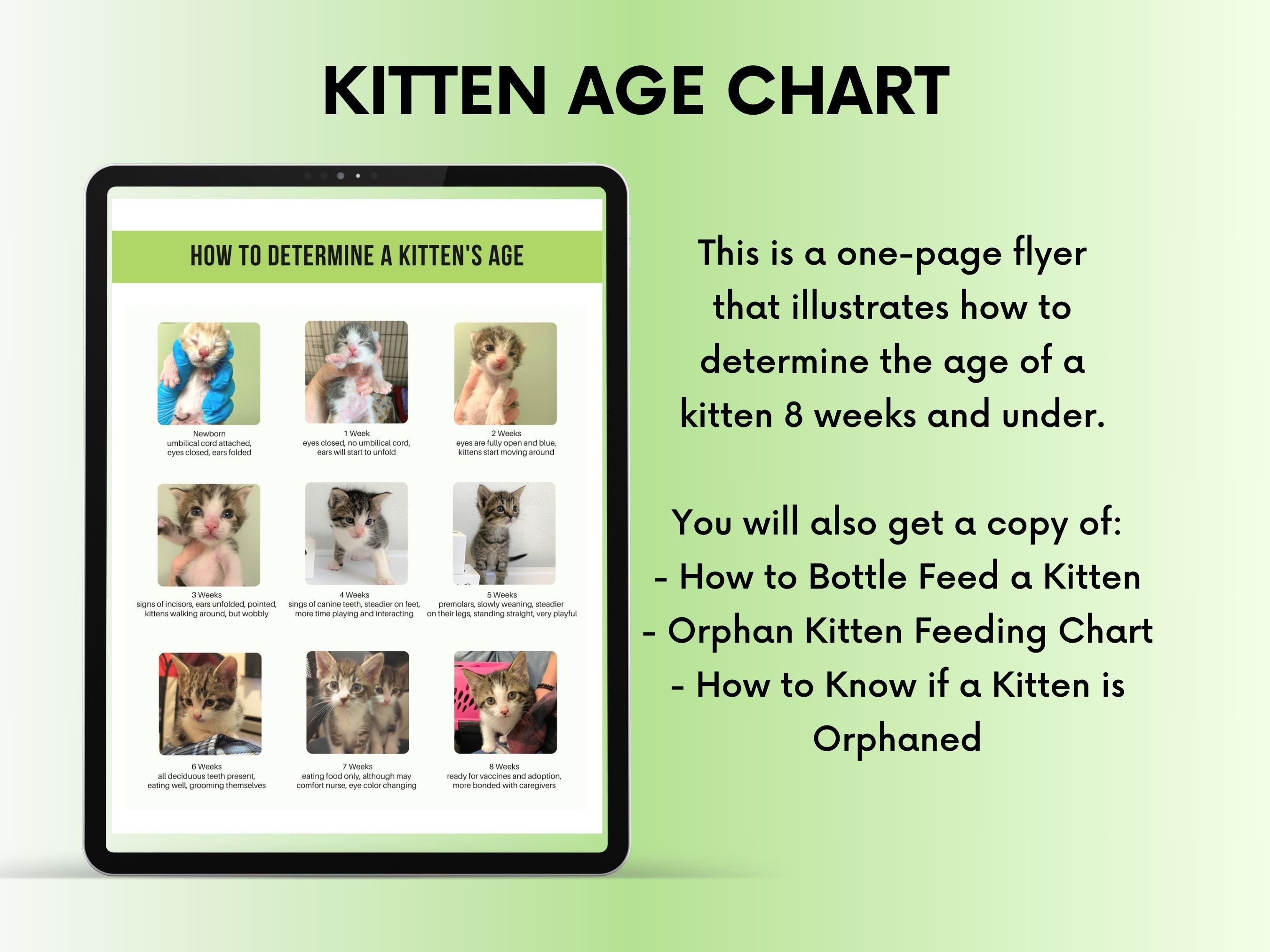
The kitten age chart is a valuable tool for cat owners and enthusiasts, offering a visual representation of a kitten's growth and development over time. This chart provides a practical guide to understanding a kitten's age and the associated milestones.
Key Details and Categories
The kitten age chart typically presents age in weeks or months, with corresponding physical and behavioral changes. It covers a kitten's journey from birth to adulthood, usually up to one year. The chart may vary slightly depending on the standard used, but it generally follows a consistent format.
Reading and Applying the Chart
To use the kitten age chart accurately, follow these steps:
- Identify the age of your kitten in weeks or months.
- Locate the corresponding age range on the chart.
- Review the physical and behavioral characteristics listed for that age range.
- Compare these characteristics to your kitten's development.
- Note any significant variations or delays, which may indicate the need for veterinary attention.
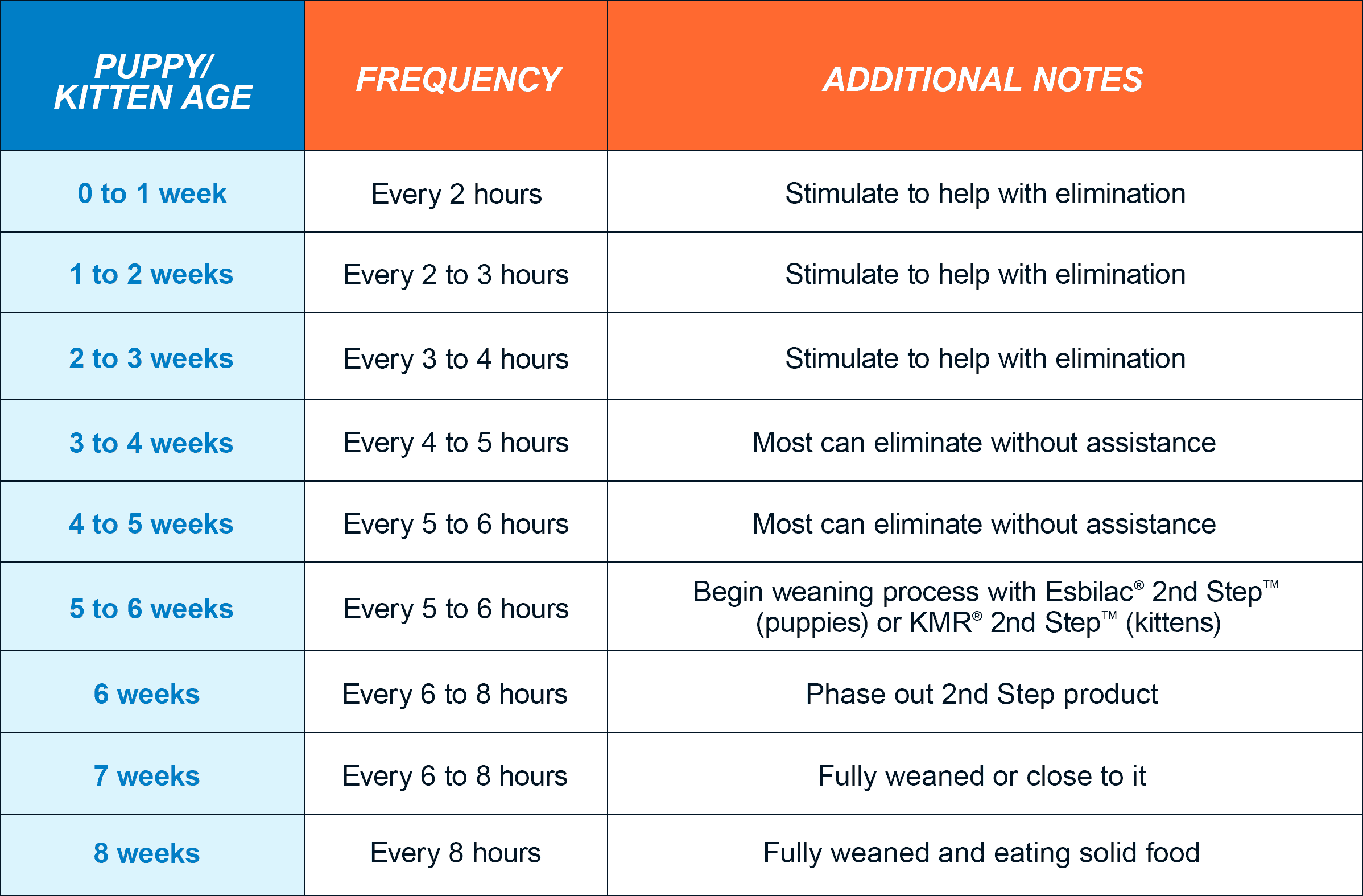
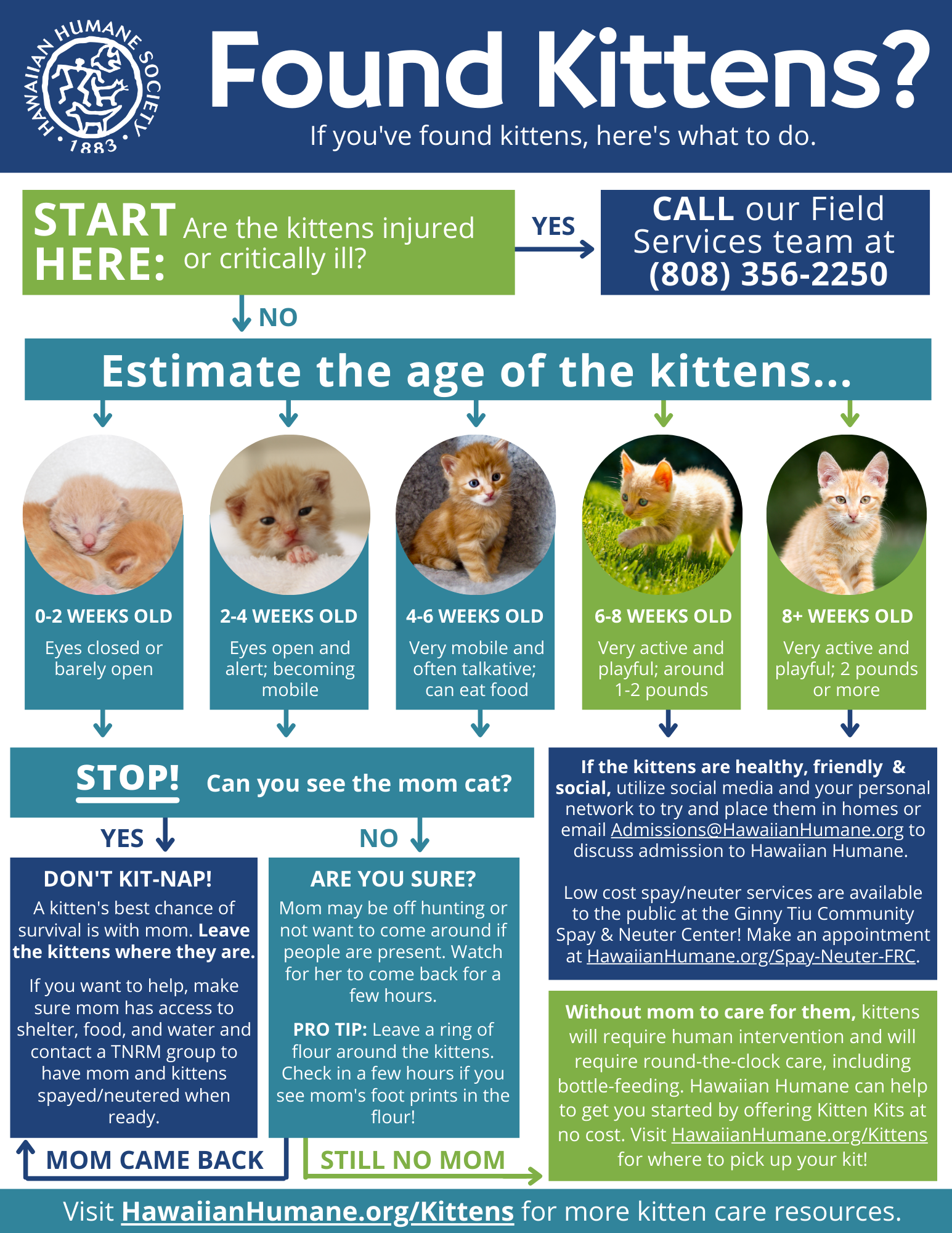
For instance, a four-week-old kitten should be gaining weight steadily, with eyes and ears opening, and initial attempts at walking. By eight weeks, kittens should be fully weaned and showing more independence.
Variations in Growth
It's important to note that every kitten is unique, and growth rates can vary. Factors such as breed, nutrition, environment, and overall health can influence a kitten's development. Here are some key variations to consider:
- Breed: Different cat breeds have distinct growth patterns. For example, larger breeds may take longer to reach maturity.
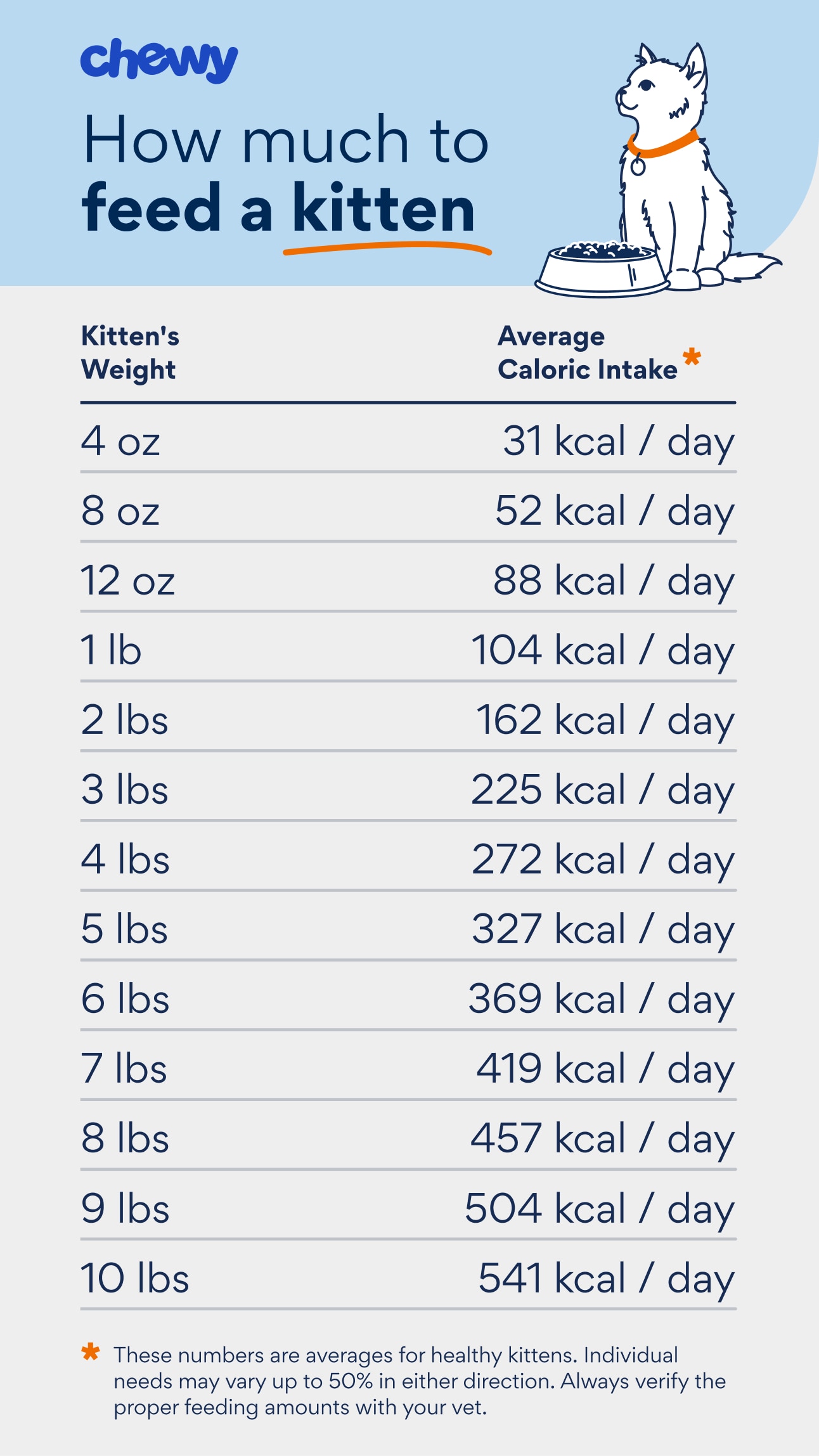
- Nutrition: A well-balanced diet is crucial for healthy growth. Malnutrition can lead to stunted development.
- Environment: A stimulating and safe environment promotes healthy growth. Stress or lack of stimulation can impact a kitten's development.
- Health: Underlying health issues can affect growth. Regular veterinary check-ups are essential to identify and address any concerns.
Remember, the kitten age chart provides a general guide, and individual kittens may develop at their own pace. If you have concerns about your kitten's growth, consult a veterinarian for personalized advice.
Remember that while this chart provides a great starting point, the exact details may differ slightly based on your kitten's unique development and the specific guidelines you follow. Every kitten is an individual, so keep an eye on their progress and adjust your expectations accordingly.
Feel free to explore our other guides for more practical tips and insights into the wonderful world of kitten care. You'll find a wealth of information to support you and your furry friend through every stage of their growth and development.
Related: Jacket Size Chart: A Simple Guide to Perfect Fit
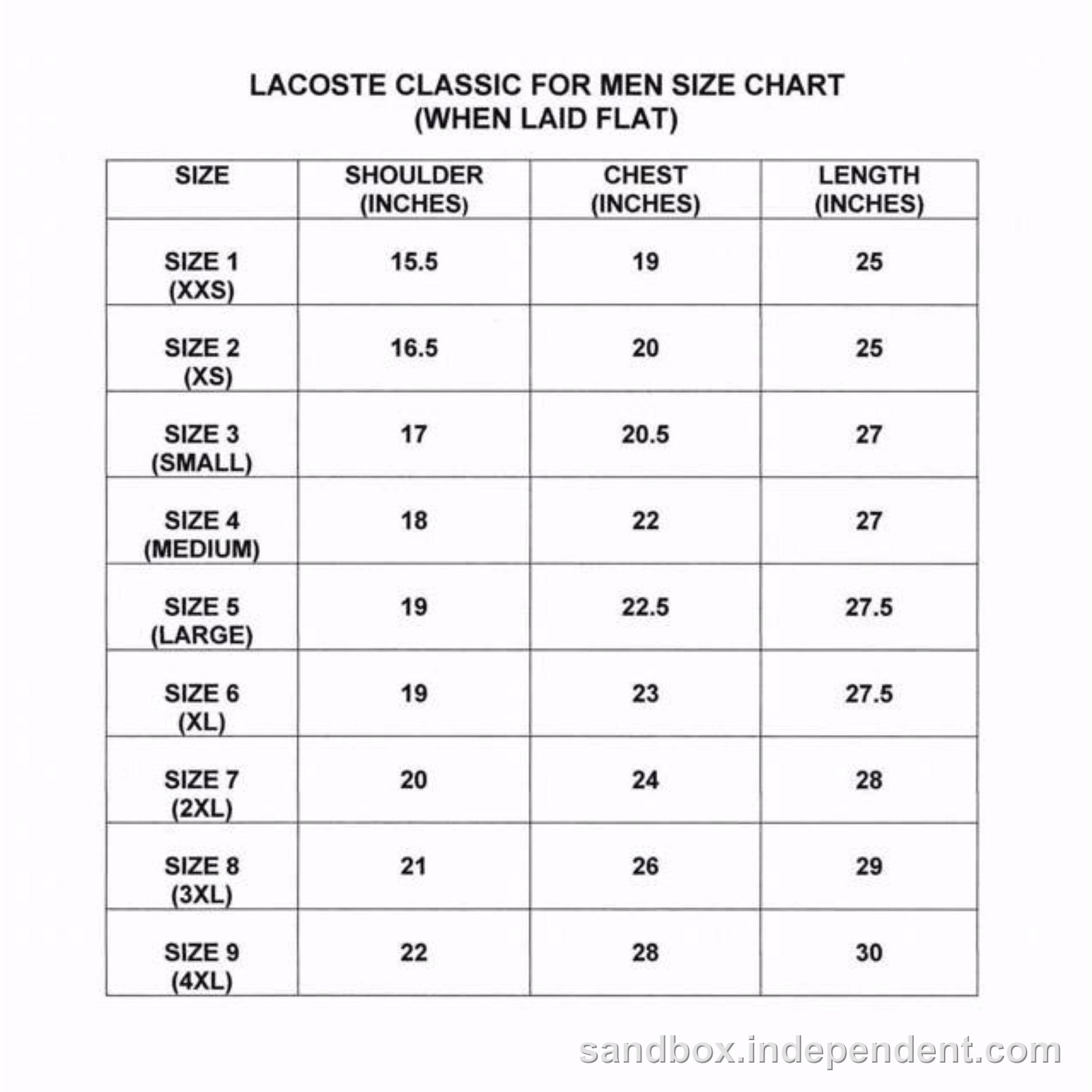
A jacket size chart is a handy tool to ensure you get the perfect fit when shopping for outerwear. This guide will navigate you through the process of understanding and utilizing these charts effectively. Whether you're seeking a coat size chart or a jacket sizing guide, this reference covers the basics to help you find your ideal size. While values may vary across different brands and standards, a clear jacket size chart can provide a reliable starting point for your measurements.
Understanding Jacket Size Charts
A jacket size chart is a valuable tool for anyone looking to purchase a jacket that fits perfectly. It provides a standardized guide to help you determine your ideal size based on various measurements. This chart is an essential reference, ensuring you make an informed choice and avoid common sizing pitfalls.
Key Details and Categories
The jacket size chart typically includes measurements such as chest circumference, sleeve length, and sometimes waist or hip measurements, depending on the style of the jacket. These measurements are presented in a clear, tabular format, often with columns indicating different sizes and rows for each measurement type. The chart may also provide guidance on how to measure these body parts accurately. It's important to note that the units of measurement can vary; some charts use inches, while others use centimeters. Always check the units before taking measurements.
Step-by-Step Guide: Reading and Applying the Chart
To use a jacket size chart effectively, follow these steps:
- Gather the necessary measuring tools, such as a flexible tape measure. Ensure it's suitable for measuring both your body and the jacket.
- Take accurate measurements of your body. Measure your chest circumference at the fullest part of your chest, ensuring the tape is not too tight or too loose. For sleeve length, measure from the center of the back of your neck to the desired sleeve length.
- Refer to the jacket size chart and locate the size that best matches your measurements. Look for the size where your chest circumference and sleeve length (or other relevant measurements) fall within the specified range.
- If your measurements fall between two sizes, consider the fit you prefer. If you want a looser fit, choose the larger size; for a more tailored look, opt for the smaller size.
- Check the jacket's specific sizing guidelines, if available. Some brands or styles may have unique sizing recommendations or variations.
Variations and Differences Across Standards
Jacket size charts can vary depending on several factors. One significant factor is the region or country of origin. International size standards can differ, with variations between the US, Europe, and other regions. For instance, a size 'M' in the US may not correspond to the same size in Europe. Additionally, different manufacturers may have their own sizing systems, which can lead to slight variations even within the same region. It's crucial to be aware of these differences and refer to the specific jacket size chart provided by the brand or retailer.
Common Mistakes and How to Avoid Them
One common mistake is assuming that all jacket size charts are universal. Always check the specific chart for the brand or style you're interested in. Another pitfall is measuring yourself incorrectly. Ensure you follow the guidelines provided on the chart for accurate measurements. Avoid estimating or guessing your size, as this can lead to an ill-fitting jacket. Lastly, be mindful of the style and cut of the jacket. Some jackets, like tailored blazers, may require more precise measurements compared to casual, loose-fitting styles.
Practical Tips for Accurate Results
To ensure an accurate fit, consider the following tips:
- Measure yourself regularly, as your body shape can change over time.
- Take measurements at the same time of day, as body shape can vary slightly throughout the day.
- If you're between sizes, consider the fabric and stretchiness of the jacket material. A more flexible fabric may allow for a slightly looser fit.
- Don't be afraid to try on multiple sizes, especially if you're shopping online. Many retailers offer easy return policies.
- Pay attention to the jacket's intended fit. Some jackets are designed to be oversized or fitted, and this can impact your sizing choice.
Double-Check and Handle Exceptions
While jacket size charts provide a great starting point, there are some exceptions to consider:
- If you have a unique body shape or specific fit preferences, you may need to adjust the standard measurements. For example, if you have a broad chest and narrow shoulders, you might need to choose a size based on your chest measurement, even if it means the sleeve length is slightly longer.
- Certain jacket styles, like puffer jackets or down-filled coats, may have different sizing considerations due to the bulkiness of the insulation. In such cases, it's essential to check the brand's specific sizing guidelines.
- Always refer to the product description and reviews for additional sizing insights. Sometimes, customers provide valuable feedback on the fit and sizing of a particular jacket.
Remember, while this chart provides a comprehensive guide, it's always wise to confirm the specific requirements for your intended use. Exact values can vary, so double-check the standards or guidelines relevant to your context.
Consider bookmarking this page for future reference; it's a handy tool to have at your fingertips when you need a quick reminder on jacket sizing. Stay organized, and happy measuring!
Related: Ear Piercing Chart: Your Easy Reference Guide
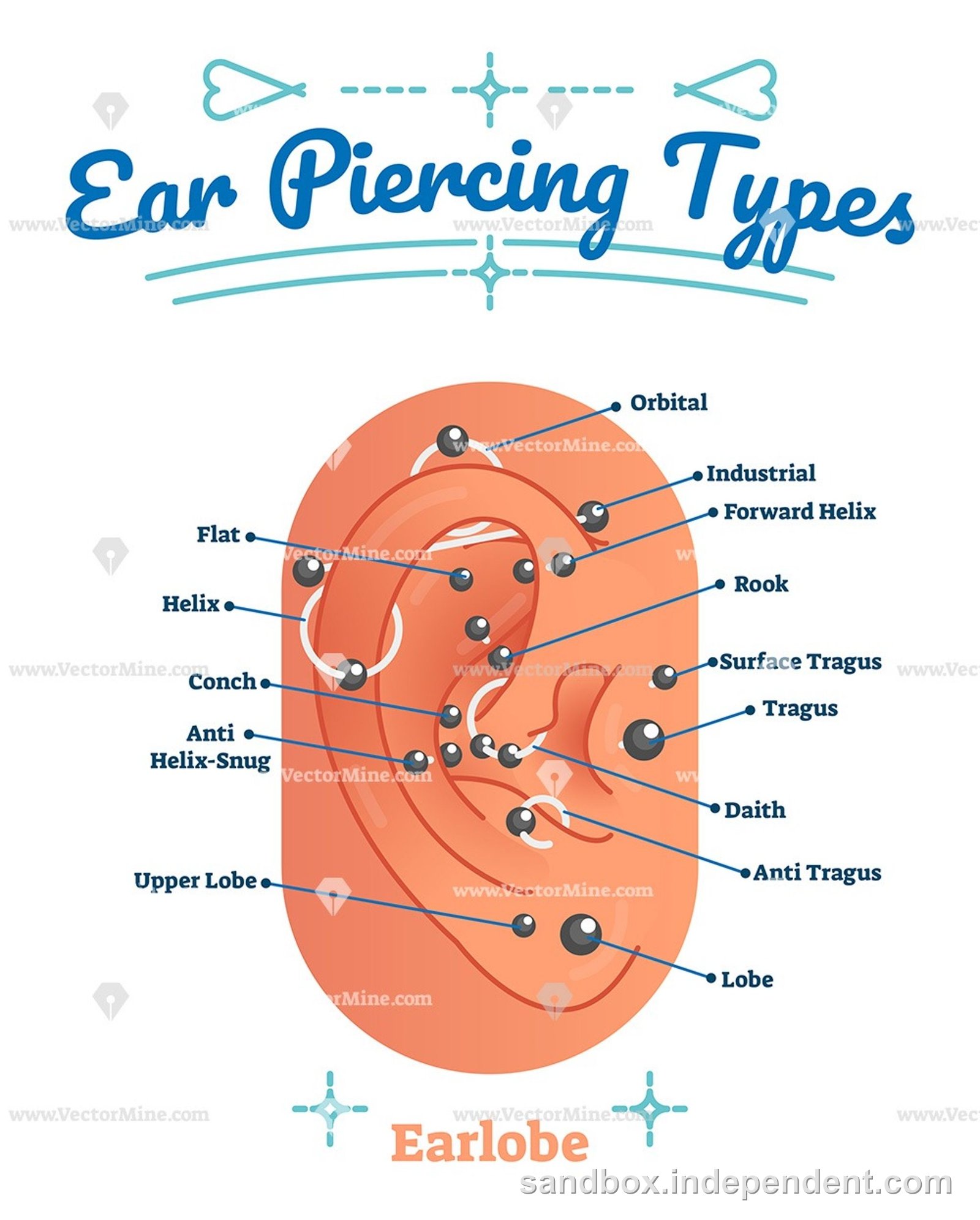
Many people mistakenly believe that an ear piercing chart is a rigid, one-size-fits-all guide, but it's actually a flexible tool with some room for interpretation. While it provides a visual reference, the exact values and measurements can vary, depending on factors like personal preference and anatomical differences.
These charts, including ear placement guides and helix piercing measurements, offer a great starting point, but it's essential to understand that they are not set in stone. You'll find standard sizes and common locations, but your unique ear anatomy might require some adjustments.
Understanding Ear Piercing Charts
Ear piercing charts are a handy reference tool for anyone considering an ear piercing or looking to expand their collection. These charts provide a visual guide to different piercing locations and the standard gauge sizes used. It's an easy way to explore your options and plan your next piercing adventure!
Key Details and Categories
The ear piercing chart typically includes a range of popular piercing placements, from the classic lobe piercings to more unique spots like the helix or tragus. Each piercing is represented with a simple illustration or icon, making it easy to identify and visualize. The chart also displays the standard gauge sizes for each piercing, which are the measurements used to determine the thickness of the jewelry. These sizes are usually given in either American Wire Gauge (AWG) or millimeters (mm).
Reading the Chart: A Step-by-Step Guide
To read and use an ear piercing chart effectively, follow these simple steps:
- Identify the piercing you're interested in. Look for the icon or illustration that matches the placement you desire.
- Locate the gauge size associated with that piercing. This will tell you the standard thickness of the jewelry typically used for that location.
- If you're considering multiple piercings, repeat the process for each one. This way, you can plan and visualize your entire ear project.
- Keep in mind that some charts may offer a range of sizes for certain piercings. This allows for some flexibility and personal preference.
Variations and Differences
It's important to note that ear piercing charts can vary depending on the standard being used. Different regions and manufacturers may have slightly different gauge size measurements or naming conventions. For example, the AWG system is primarily used in the United States, while the rest of the world often uses millimeters. Additionally, some piercers or studios may have their own preferred sizes or techniques, so it's always a good idea to double-check with a professional for exact specifications.
Common Mistakes and How to Avoid Them
One common mistake is assuming that all piercing charts are universal. As mentioned, standards can vary, so it's crucial to be aware of the specific gauge sizes used in your region or by your piercer. Another pitfall is neglecting aftercare. While the ear piercing chart provides a great starting point, proper care is essential for a successful healing process. Follow your piercer's aftercare instructions diligently to ensure a smooth recovery.
Practical Tips for Accurate Results
When using an ear piercing chart, consider these practical tips:
- Research different styles and placements to find the ones that resonate with you.
- Discuss your ideas with a professional piercer. They can offer expert advice and ensure your choices are suitable for your ear anatomy.
- Stay informed about the latest trends and techniques. The world of piercings is constantly evolving, so keeping up-to-date can inspire new ideas.
- Remember that ear piercings are a commitment. Take your time, plan carefully, and enjoy the process!
Hey there! I hope this ear piercing chart has given you a clear understanding of the process and what to expect. Remember, while the basics remain the same, the exact details can vary slightly, so it's always good to double-check with a professional piercer or a trusted source for your specific needs.
Consider bookmarking this page for future reference; it's a handy tool to have on hand when you need a quick reminder or want to explore different piercing options. Stay tuned for more practical guides coming your way soon!