







Flashcards In Digital Format Overview
Many newcomers to the world of Tarkov might find themselves overwhelmed by the sheer variety of ammo options, often leading to some costly trial and error. Rest assured, the ammo chart Tarkov is here to save the day! It's a simple yet powerful tool, offering a quick glance at the vital stats of each bullet. From penetration to damage, this chart ensures you're making informed choices, avoiding those expensive learning curves.
Understanding the Ammo Chart Tarkov
The ammo chart Tarkov is your go-to reference for navigating the world of ammunition in the game. It's a comprehensive guide, but it's not just a static table; it's a dynamic tool to help you make informed decisions about your ammo choices. This chart provides an overview of various ammo types, their attributes, and how they perform in-game.
Comparing Ammo Types and Formats
When you look at the chart, you'll see a range of ammo options, each with its own unique characteristics. These include bullet caliber, damage potential, penetration capabilities, and even price. The chart compares these factors, giving you a side-by-side view to help you choose the right ammo for your playstyle and situation. For instance, you might opt for higher-damage rounds for close-quarters combat or prioritize penetration for long-range engagements.
Step-by-Step: Using the Ammo Chart Tarkov
Using the chart is straightforward:
Identify the ammo type you're interested in. This could be based on the weapon you're using or the specific situation you're facing in-game.
Look up the ammo's details on the chart. You'll find key stats like damage, penetration, and velocity. These values are standardized, so you can easily compare different ammo types.
Consider the context. The chart provides a general guide, but real-world factors like distance, armor, and environmental conditions can affect ammo performance. Adjust your strategy accordingly.
Make an informed decision. Choose the ammo that best suits your needs, considering both the chart's data and your in-game experience.
Avoiding Misreadings and Pitfalls
While the chart is a valuable tool, it's important to be aware of potential pitfalls. Here are some tips to ensure accurate interpretation:
Always double-check the ammo type and its attributes. Mistakes can happen, so verify the details, especially if you're using a less common ammo type.
Understand the chart's limitations. It provides a general overview, but real-world performance can vary. Consider factors like weapon modifications and enemy armor when making your choice.
Keep an eye on updates. The ammo chart Tarkov may evolve as new ammo types are introduced or existing ones are adjusted. Stay informed to ensure you're using the most up-to-date information.
Factors Affecting Accuracy and Real-World Use
Several factors can influence the accuracy and effectiveness of your ammo choices:
Distance: Ammo performance can degrade over long distances, especially with lower-velocity rounds. Consider the range at which you'll be engaging targets.
Armor Penetration: The chart provides a general guide, but enemy armor can significantly reduce ammo effectiveness. Choose ammo with higher penetration values for better results against well-armored opponents.
Environmental Conditions: Weather and terrain can affect ammo performance. For instance, wet conditions may impact bullet velocity and accuracy.
Weapon Modifications: Attachments like suppressors or muzzle brakes can alter ammo performance. Consider the impact of these modifications on your ammo choice.
Choosing the Right Ammo Format for Your Needs
The ammo chart Tarkov offers a standardized format, but you can adapt it to your specific needs:
Customize Your Chart: If you frequently use certain ammo types, create a personalized chart with only the relevant details. This can make decision-making quicker and easier.
Digital vs. Physical: Consider using a digital version for easy access in-game, or print a physical copy for quick reference during gameplay.
Standardize Your Ammo: If you prefer a more simplified approach, choose a standard ammo type for most situations and only switch for specific scenarios. This can reduce the need for constant reference checks.
Remember, when it comes to ammo charts in Tarkov, the specifics might differ slightly based on your setup and the game's updates. It's always a good idea to double-check and adapt to ensure you're using the most accurate and relevant information for your needs.
Our guides cover a wide range of topics, so feel free to explore and discover more about the game. You might find some hidden gems and useful tips to enhance your Tarkov experience. Happy hunting!
Related: Nursery Renovation Cost Essential Guide
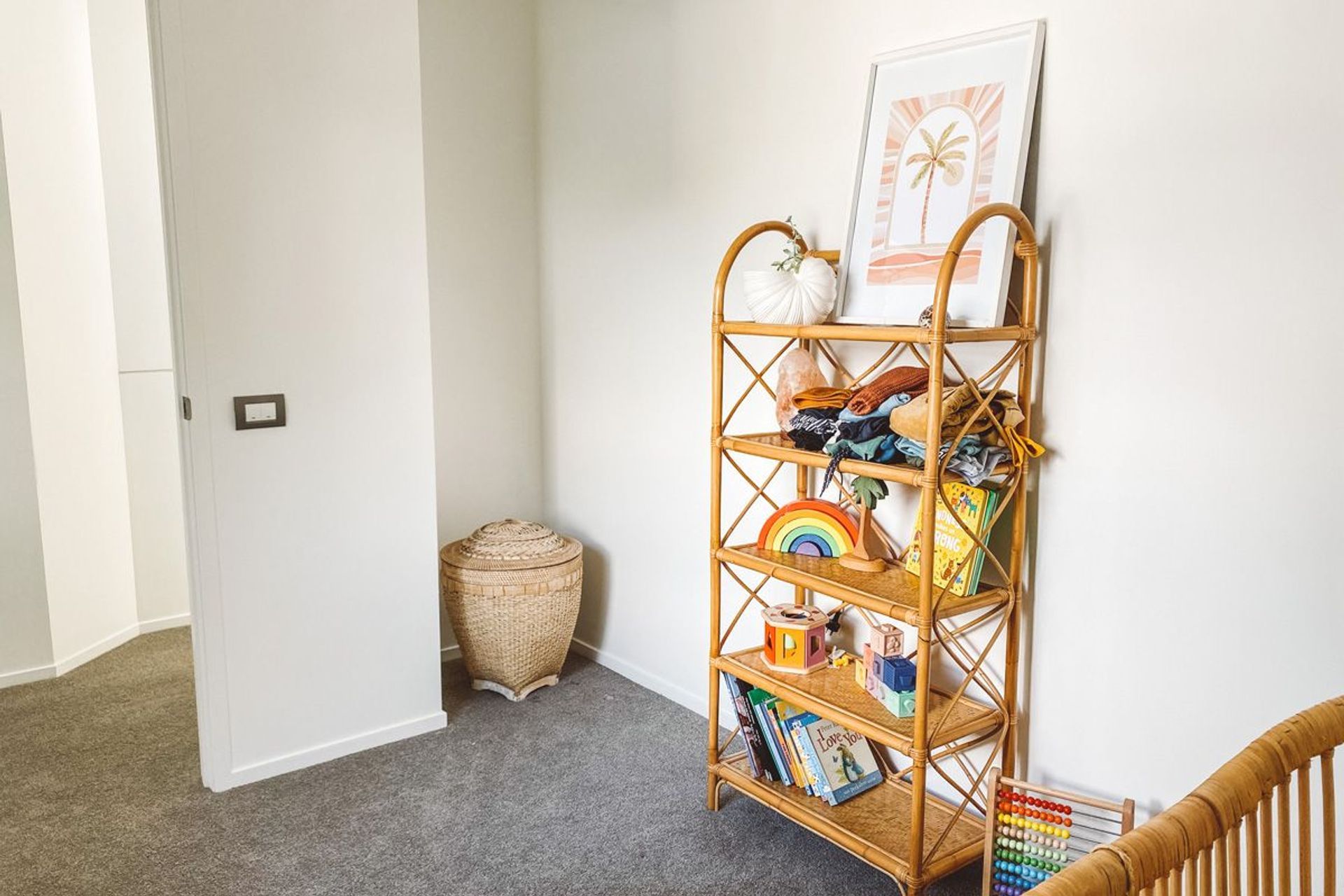
I'm just about to start planning my nursery renovation cost and I've been doing some research. It's a big project, and I want to make sure I'm prepared and get the best value for my money. I know it can be a bit overwhelming, so I thought I'd share my findings and hopefully help others out there who are in a similar situation.
Understanding the Costs
When it comes to nursery renovation cost, there are a few key factors that will influence the final price. The size of the nursery, the materials you choose, and the complexity of the design will all play a part. It's a good idea to get a few quotes from different contractors to compare prices and ensure you're getting a fair deal. Don't be afraid to ask questions and understand the breakdown of costs.
The labor costs can vary, and it's worth considering the skill level and experience of the contractors. You may find that more specialized work, like custom carpentry or electrical work, will cost more. It's a balance between finding skilled professionals and staying within your budget.
Finding the Right Contractor
Hiring a reputable contractor is crucial for a successful nursery renovation. Look for local companies with a good track record and positive reviews. Check their licensing and insurance, and don't be shy to ask for references. A good contractor will be happy to provide this information and will guide you through the process.
When getting quotes, make sure they are detailed and itemized. This will help you compare apples with apples and ensure you're not paying for unnecessary extras. Ask about their experience with similar projects and how they handle unexpected issues that may arise during the renovation.
Construction Company Names
If you're thinking of starting a construction business, choosing a name is an important step. It should be catchy, memorable, and reflect the nature of your work. Some ideas could be:
- Build-It-Better
- Renovate & Revive
- Constructive Solutions
- Home Transformation Co.
- Fix-It-Right
- The Build Crew
Remember to check the availability of the name and secure the relevant domains and local registrations.
Jobs and Salaries
The construction industry offers a range of roles, from general contractors to specialized tradespeople. Estimators, for example, play a crucial role in calculating nursery renovation cost and other construction projects. They assess the materials, labor, and time needed for a job, and their skills are in high demand.
You'll find job openings advertised online, through recruitment agencies, and sometimes even through word of mouth. Salaries can vary depending on experience, location, and the size of the company.
Industry Tools and Data
RSMeans is a well-known resource in the construction industry. It provides cost data and estimating tools to help contractors and businesses plan and manage projects effectively. This kind of tool is essential for accurate nursery renovation cost estimates and ensures that businesses can provide competitive quotes.
Big Companies and the Industry
The construction industry is diverse, with a range of small, medium, and large companies. Larger firms often have the resources to take on bigger projects and may have more specialized teams. They can offer a wider range of services and have the capacity to manage multiple projects simultaneously.
However, smaller companies can also bring unique advantages, like a more personalized service and the ability to offer more flexibility and creativity in their work. It's a matter of finding the right fit for your project.
Next Steps
So, there you have it! I hope this has given you some insight into nursery renovation cost and the factors that influence it. Remember, it's important to do your research, get multiple quotes, and find a contractor you trust. Good luck with your renovation project, and I wish you a beautiful and functional nursery space!
Related: Unraveling the Bolt Grade Chart: A Clear Guide
Many folks assume the bolt grade chart is a complex, intimidating beast, but it's actually a simple, handy tool. This chart is your friend, offering a quick glance at bolt strength and properties. It's not as scary as it seems!
Think of it as a reference guide, a visual aid, with values that may vary slightly depending on the standard or region. It's a practical way to understand bolt head markings and specifications, like ASTM or SAE grades, and it's a must-have for any project.
Understanding Grade Markings
The bolt grade chart is a handy reference tool that provides essential information about bolt grades and their properties. It offers a quick and easy way to understand the strength and characteristics of different bolts, which is crucial for any fastening project. This chart is a visual guide, often presented as a table or diagram, that simplifies the process of selecting the right bolt for your needs.
Common Grade Standards
When it comes to bolt grades, there are several standards and systems used globally. The most common ones include the ASTM bolt specifications and the SAE bolt grades in the US, as well as the metric bolt grades used internationally. These standards define the grade based on factors like tensile strength, yield strength, and hardness. The bolt grade chart typically covers these different standards, allowing you to compare and understand the variations.
Interpreting the Chart: A Step-by-Step Guide
Start by identifying the standard you are working with. As mentioned, there are US and metric systems, so ensure you are referring to the right one for your project.
Locate the grade you need. Bolt grades are often represented by numbers or letters, such as Grade 2, Grade 5, or Grade 8. These grades indicate the bolt's strength and are crucial for ensuring a secure fastening.
Check the corresponding properties. The chart will provide information on the bolt's tensile strength, yield strength, and hardness. These values are essential for determining the bolt's ability to withstand forces and stresses.
Consider the application. Different projects require varying levels of bolt strength. For instance, automotive applications often use higher-grade bolts compared to general construction. Ensure you choose a grade suitable for your specific needs.
Don't forget the head markings. Bolt head markings, often in the form of lines or symbols, provide additional information. These markings can indicate the bolt's grade, material, and even the manufacturer.
Common Misreadings and How to Avoid Them
One common mistake is assuming that all bolt grade charts are universal. Remember, charts may vary based on the standard and region. Always double-check the specific chart you are using and ensure it aligns with your project's requirements.
Another pitfall is ignoring the bolt's material. The bolt grade chart often focuses on the grade, but the material (e.g., steel, stainless steel) also plays a significant role in the bolt's performance. Ensure you select a material suitable for your application's environment and conditions.
Bolt Strength Variations: Key Factors
Several factors can influence a bolt's strength and, consequently, its grade. These include the bolt's material, heat treatment, and manufacturing process. For instance, a bolt made from high-strength steel will have a higher grade compared to one made from regular steel. Additionally, the thread type and pitch can also impact the bolt's performance and suitability for certain applications.
Adapting the Chart for Specific Needs
While the bolt grade chart provides a comprehensive overview, it's essential to note that it may not cover every unique application. If you have specific requirements or are working with specialized bolts, you may need to consult additional resources or seek expert advice. In such cases, referring to bolt torque charts or hardness charts can provide more detailed information tailored to your needs.
Keeping Your Reference Reliable
To ensure the accuracy and reliability of your bolt grade chart, it's crucial to keep it updated. Standards and specifications can evolve over time, so regularly check for any updates or revisions. Additionally, if you frequently work with bolts, consider creating a personalized chart or reference guide that suits your specific projects and needs. This way, you'll always have a reliable and tailored resource at your fingertips.
Hey there! I hope this guide has given you a clear understanding of bolt grade charts and their practical uses. Remember, these charts are a handy tool, but the exact details can vary, so always double-check the standards and sources relevant to your project.
There's always more to learn, so feel free to explore our other guides on related topics. We've got a whole range of practical tips and tricks to help make your projects a success. Happy learning, and happy bolting!