

Flashcards In Obsidian Overview
"Wow, this bedroom is looking a bit tired. I wonder what a bedroom renovation cost would be..."
Understanding Bedroom Renovation Costs
So, you're thinking about giving your bedroom a makeover, but you're curious about the costs involved. Bedroom renovation costs can vary widely, and it's important to have a good idea of what you're getting into before you start. The price tag depends on a few key factors, and understanding these will help you plan and budget effectively.
The first thing to consider is the size of your bedroom. A larger room will naturally cost more to renovate than a smaller one, as it will require more materials and labor. The materials you choose also play a big role. Opting for higher-end finishes and fixtures will push the price up, while more budget-friendly options will keep costs down.
Another significant factor is the scope of the renovation. Are you just looking to freshen up the room with a new coat of paint and some updated furniture, or do you want to completely overhaul the space, including electrical and plumbing work? The more extensive the work, the higher the costs will be.
Hiring a Contractor
If your renovation involves structural changes or complex work, you'll likely need to hire a professional contractor. When looking for a contractor, it's important to do your research and check their credentials. Ask for references and examples of their previous work. Get several quotes to compare prices and ensure you're getting a fair deal.
A good quote will break down the costs clearly, so you can see exactly where your money is going. It should cover materials, labor, and any permits or inspections required. Don't be afraid to ask questions and seek clarification if something isn't clear.
Construction Company Names
If you're in the construction business or thinking of starting a company, choosing the right name is important. It should be memorable, reflect the nature of your work, and stand out from the competition. Some construction company name ideas could include:
- Build-It-Right
- HomeCrafters
- Solid Foundations
- Modern Makeovers
Remember to check the availability of the name you choose, both as a business registration and a domain name, to ensure you can establish an online presence too.
Industry Insights
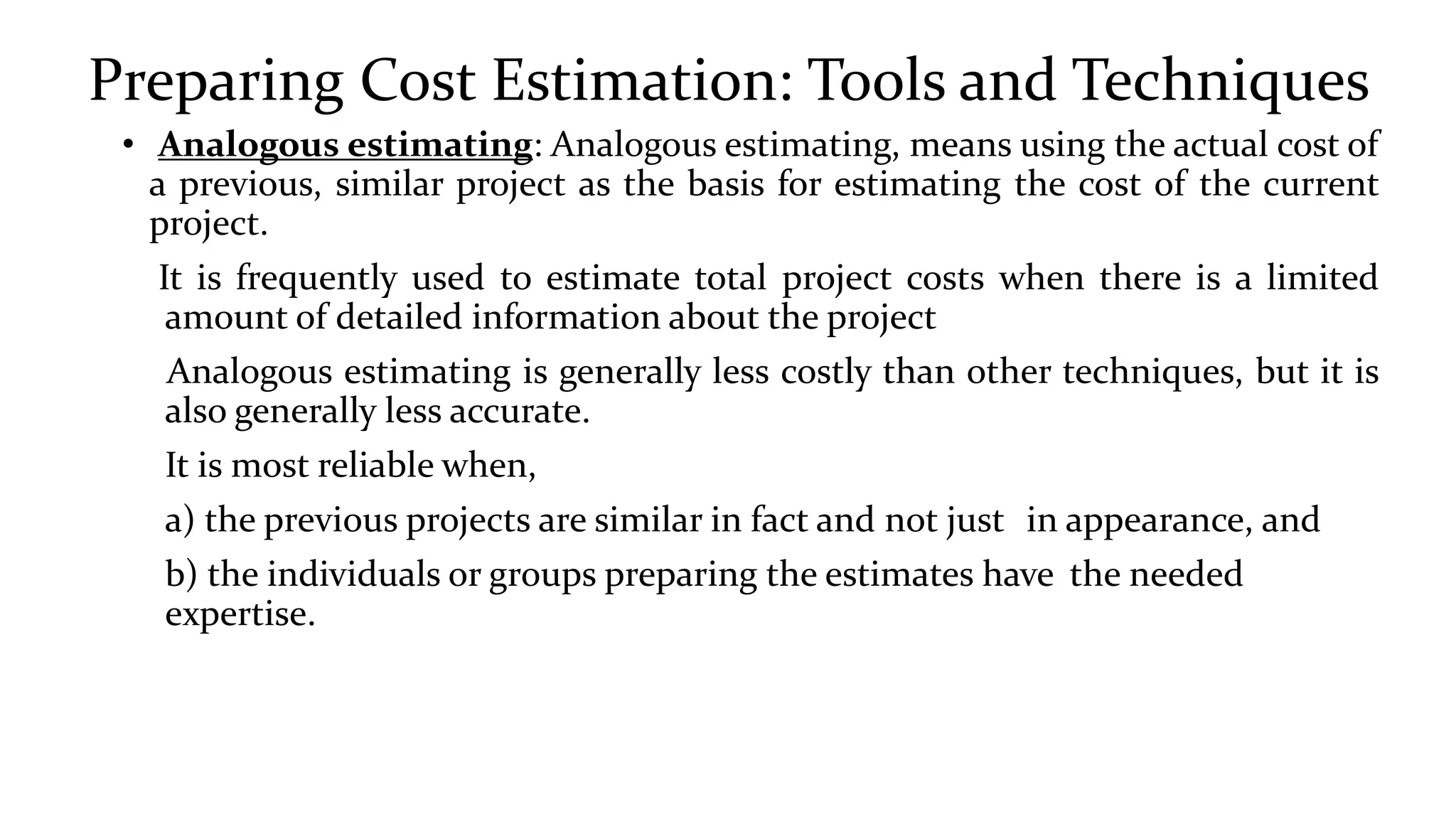
The construction industry has its own language and tools. One commonly used resource is RSMeans, which provides cost data and estimates for various construction projects. It's a valuable tool for contractors and estimators to ensure accurate pricing.
The industry also has its own cost indexes, which track the costs of materials and labor over time. These indexes help construction professionals stay informed about market trends and make informed decisions about pricing and budgeting.
Large vs. Small Firms
The construction industry is diverse, with both large, established firms and smaller, local businesses. Large firms often have the resources to take on bigger projects and may have a wider reach, but they can also be more expensive. Smaller firms might offer more personalized service and competitive pricing, but may have a more limited scope of work.
When choosing a firm, consider your specific needs and the scale of your project. It's always a good idea to get quotes from a few different companies to compare and find the best fit for your bedroom renovation.
Final Thoughts
Renovating your bedroom can be an exciting project, and understanding the costs involved is a crucial step. By considering factors like size, materials, and scope, you can get a good estimate and plan accordingly. Remember, it's always a good idea to get multiple quotes and do your research to ensure a successful renovation.
Related: RSMeans Cost Estimating Essential Guide
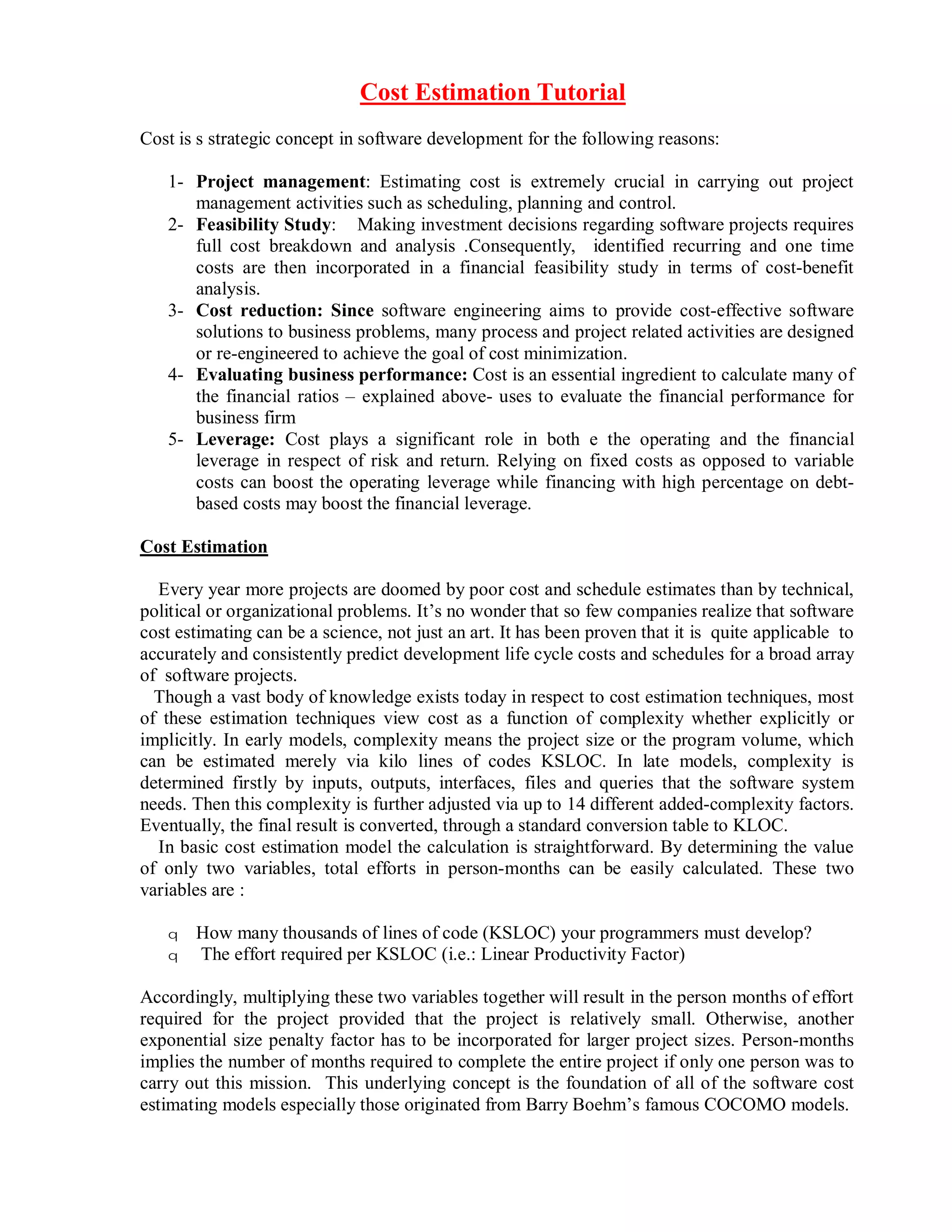
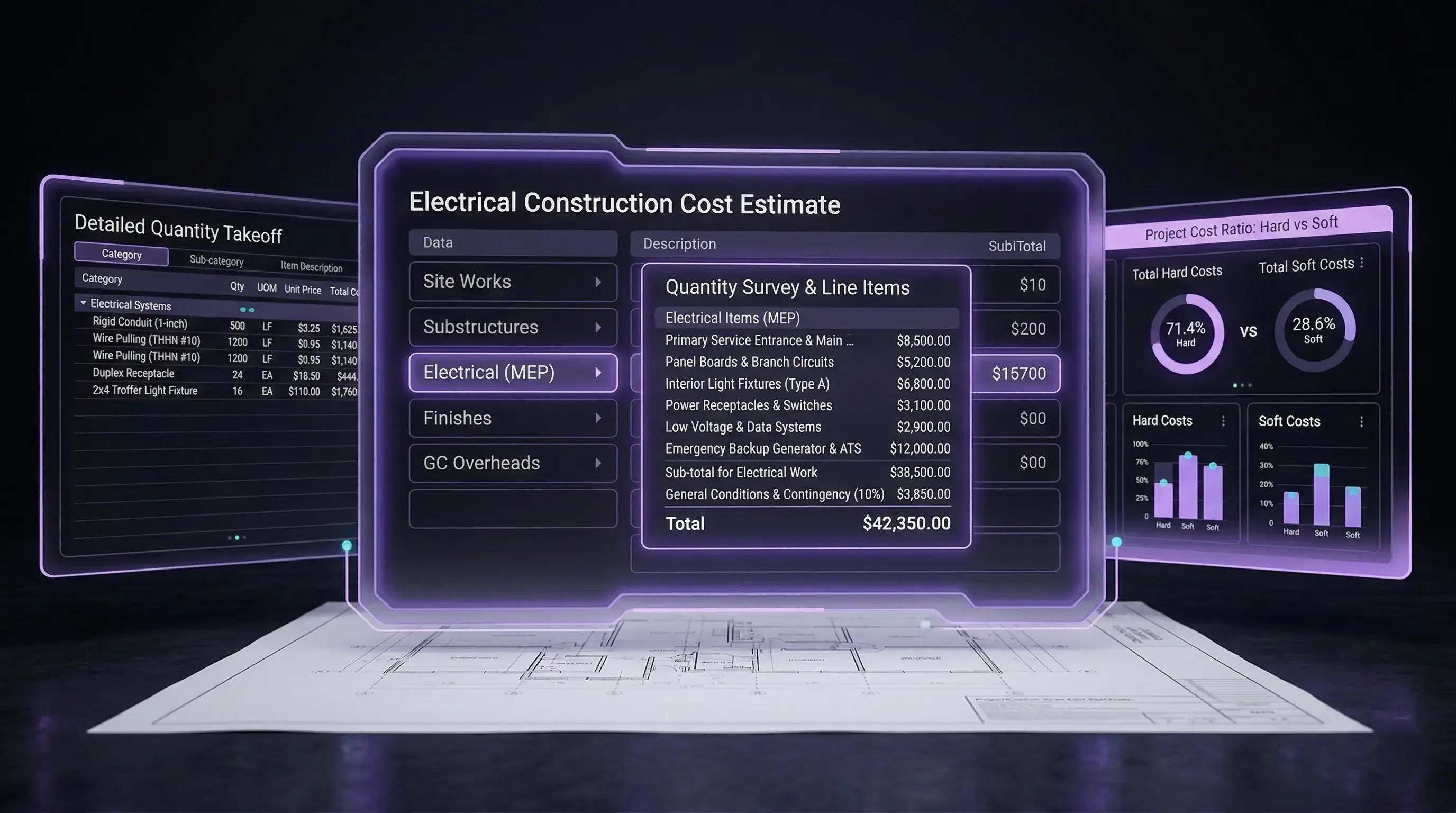
I was chatting with a friend the other day, and they mentioned how they wanted to do some home renovations but were overwhelmed by the costs. That got me thinking about means cost estimating and how it can help us navigate these projects. So, let's break it down and see what it's all about!
Understanding Means Cost Estimating
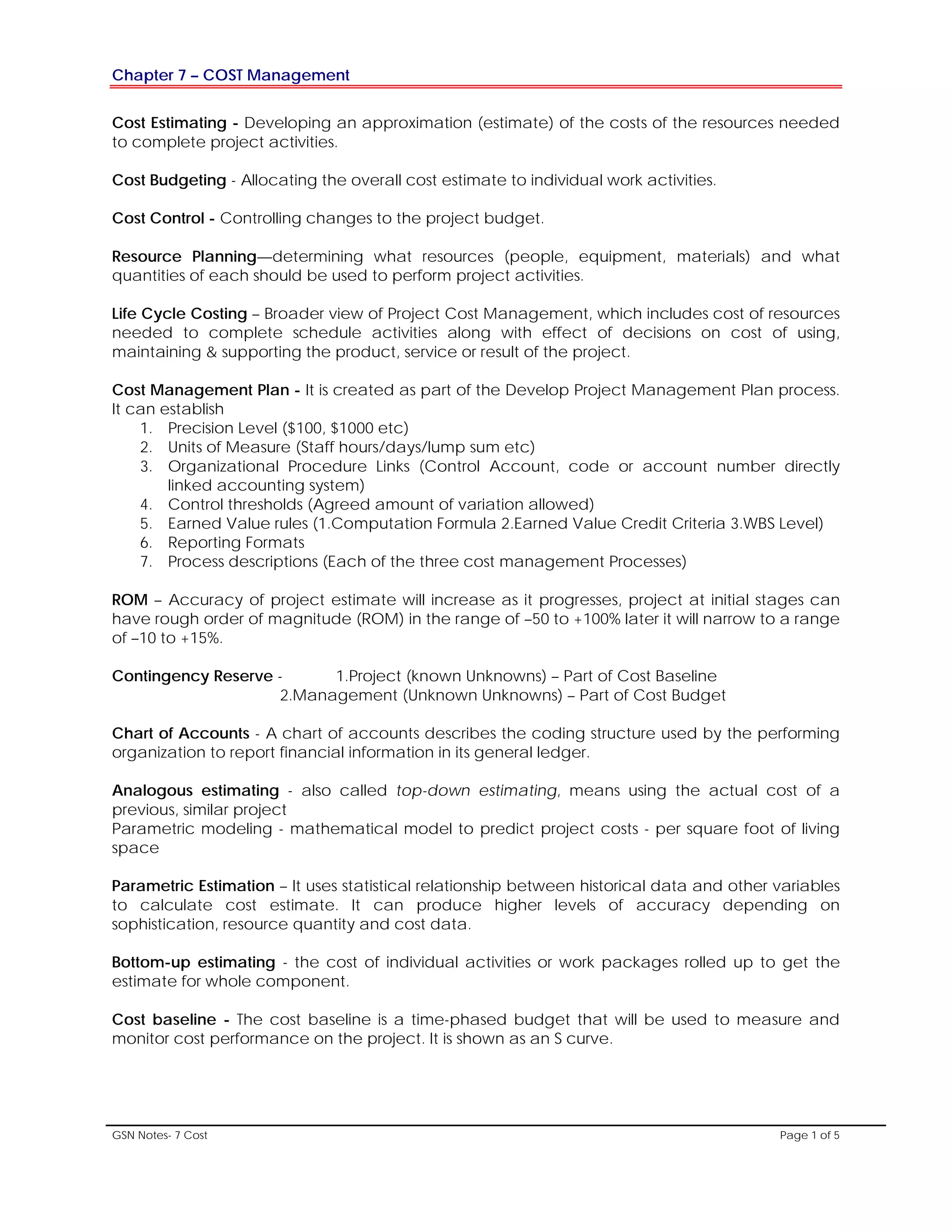
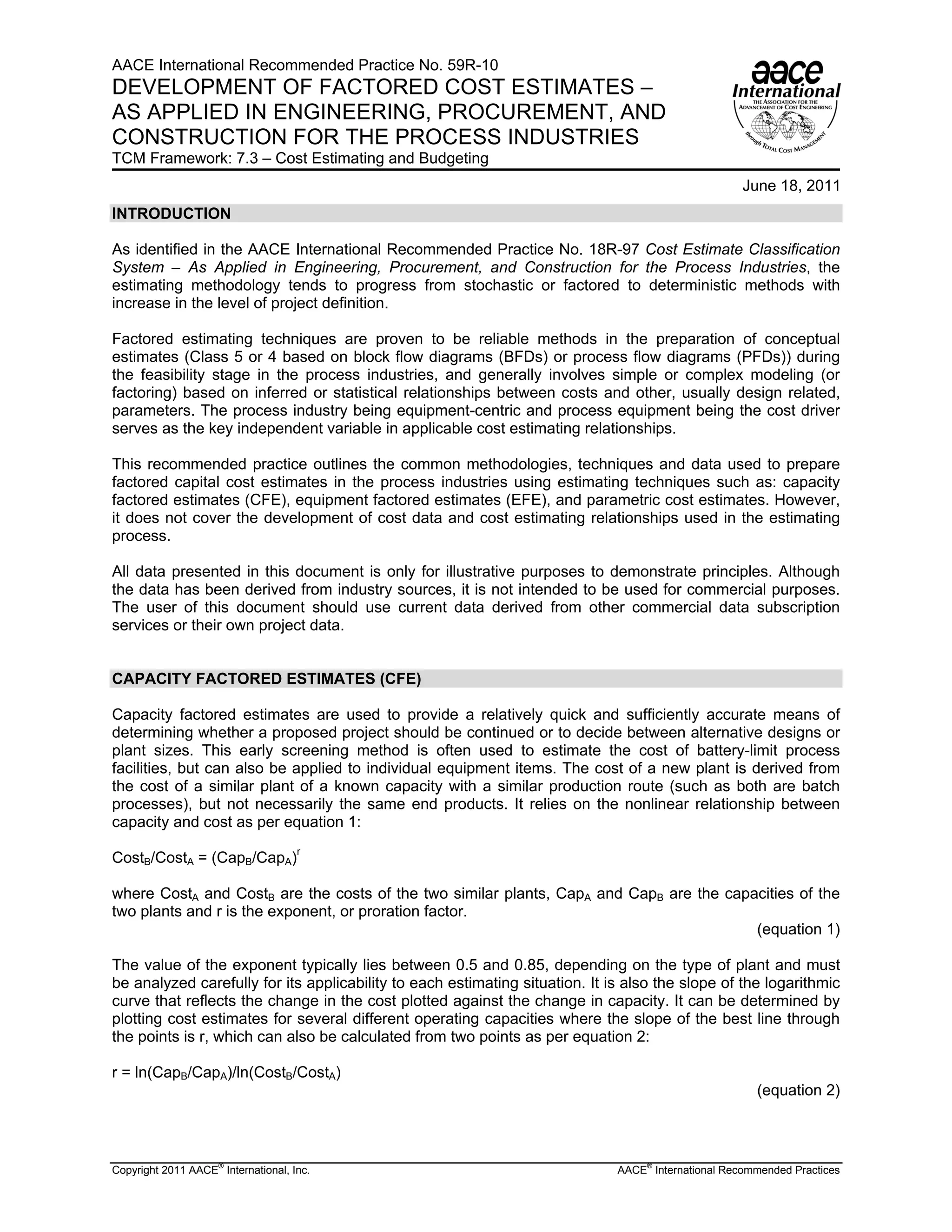
Means cost estimating is a method used in the construction industry to calculate and predict the expenses of a project. It's like a roadmap for builders, helping them plan and budget effectively. This process considers various factors, such as materials, labor, equipment, and even unexpected costs, to provide an accurate estimate. It's a crucial step for any construction project, big or small, and it ensures that you, as a homeowner or business owner, have a clear idea of what you're getting into financially.
What Affects the Cost?
The cost of a construction project can vary greatly depending on several factors. For instance, the size and complexity of the project play a significant role. A simple bathroom renovation will differ greatly from a full-scale house addition. The materials chosen also impact the budget; high-end finishes will cost more than basic ones. Additionally, labor costs can vary by region and the availability of skilled workers. It's essential to get multiple quotes to compare and understand these variations.
Hiring a Contractor
When it comes to hiring a contractor, there are a few things to consider. First, check their credentials and experience. Ask for references and examples of their previous work. A good contractor will provide a detailed estimate, outlining the costs and scope of the project. Ensure they have the necessary licenses and insurance. It's also beneficial to ask about their process and how they handle unexpected issues. A transparent and communicative contractor is often a good sign.
Construction Company Names
Naming a construction company is an important step. It should be memorable, reflect your business values, and stand out. Some construction company names I've come across that I quite like are:
- Build-It-Right
- HomeCrafters
- SkyHigh Construction
- Earthbound Builders
- Structure Solutions
- Renova Renovations
Remember to check the availability of these names and secure the relevant domains and local registrations.
Jobs and Opportunities
The construction industry offers a range of jobs, and means cost estimating is just one aspect. There are roles for estimators, project managers, site supervisors, and more. These jobs often involve working with clients, understanding their needs, and providing solutions. Many construction companies post job openings on their websites or local job boards. It's a great industry to be in, offering a variety of career paths and the satisfaction of seeing your work come to life.
Industry Tools and Resources
Means cost estimating often utilizes tools like RSMeans, a comprehensive database that provides cost data for various construction projects. It's a valuable resource for estimators and contractors, offering accurate information on material and labor costs. Additionally, the industry uses cost indexes to track and predict price fluctuations, ensuring estimates remain relevant. These tools help keep the construction industry efficient and competitive.
Large vs. Small Firms
The construction industry has a range of companies, from small, local businesses to large, national firms. Small firms often provide a more personalized service and may be more flexible with pricing. They tend to focus on local projects and have a deep understanding of the community. Large firms, on the other hand, have the resources to take on bigger projects and often have a wider reach. They may offer more specialized services and have a broader network of connections.
Wrapping Up
So, there you have it! Means cost estimating is a vital process in the construction world, helping us understand and manage costs effectively. Whether you're a homeowner planning renovations or a business owner looking to expand, it's a tool that can provide valuable insights. Remember, when it comes to construction, knowledge is power, and a well-informed decision is always the best one.
Related: Unravel the Mystery: Hook Size Chart
You're here, searching for a hook size chart, probably for your next fishing adventure or a craft project. These charts are a handy tool, offering a quick and easy way to find the right hook size for your needs. Whether you're a seasoned angler or a beginner, having a reliable reference like this is essential. The great thing about hook size charts is their simplicity; they provide a clear guide, and while the values may vary slightly depending on your location or the brand you use, they offer a consistent framework to work with.
Understanding the Chart: A Quick Overview
The hook size chart is a handy tool for anglers, providing a simple visual guide to choosing the right hook size for your fishing needs. It's a reference tool that displays hook sizes, often in a table format, to help you select the appropriate hook for your fishing line, bait, and target fish.
Comparing Hook Size Standards and Formats
Hook size charts can vary depending on the standard or region. For instance, the American system uses numbers, while the European system employs letters. These charts typically show hook sizes in a range, such as 2/0, 1/0, 1, 2, 4, 6, and so on, with smaller numbers indicating larger hooks. Some charts may also include additional information like hook type and recommended line strength.
Choosing the Right Hook: A Step-by-Step Guide
To use a hook size chart effectively:
- Identify your target fish species. Different fish require different hook sizes.
- Determine your fishing method: fly fishing, bait fishing, or other techniques.
- Check the chart for the recommended hook size based on your fish and technique.
- Consider the bait you're using; larger baits may require bigger hooks.
- Select a hook size that aligns with the chart's recommendations.
- Always double-check the exact specifications, especially for specialized fishing techniques.
Common Misreadings and How to Avoid Them
It's important to note that hook size charts provide general guidelines. Factors like hook brand, bait size, and personal preference can influence your choice. Misreading the chart might lead to selecting a hook that's too small or too large for your needs. Always consider the context and adjust accordingly.
Factors Affecting Accuracy: Key Considerations
Hook size and fish: Different fish species have varying mouth sizes and feeding habits, influencing the hook size required.
Hook size and line: The strength of your fishing line should match the hook size to ensure a secure connection.
Hook size and bait: The size of your bait plays a role; larger baits may need bigger hooks to support them.
Personal preference: Anglers may have their own preferences based on experience, so the chart serves as a guide, not a strict rule.
Some key factors that can cause variations include:
- Water conditions: Turbulent waters might require larger hooks to handle the current.
- Fish behavior: Active fish may need smaller, more subtle hooks.
- Hook material: Different hook materials can affect the hook's strength and size.
Adapting the Chart for Specific Needs
While the hook size chart provides a standard guide, anglers can adapt it for their unique situations. If you prefer a specific hook brand, you might need to adjust the size based on its unique characteristics. Specialized fishing techniques, like ice fishing or deep-sea fishing, may require custom hook size charts. Always consider the context and adjust the chart to fit your specific fishing needs.
Well, there you have it! A handy hook size chart is a simple yet effective tool to ensure your hook choices are spot on. Remember, while this guide offers a comprehensive overview, it's always wise to double-check the specific requirements of your project. Exact values can vary, so it's best to be prepared and ensure you're using the right reference for your needs.
Feel free to explore our other guides and resources; we've got plenty of practical tips and tricks to offer. Happy hook-choosing, and we hope you find the perfect fit for your next adventure!