








Flashcards Jolly Phonics Overview
Many pianists, especially beginners, often overlook the power of a simple piano scales chart. It's a common misconception that these charts are only for advanced players or music theorists. However, a piano scales chart is an incredibly useful tool for all levels!
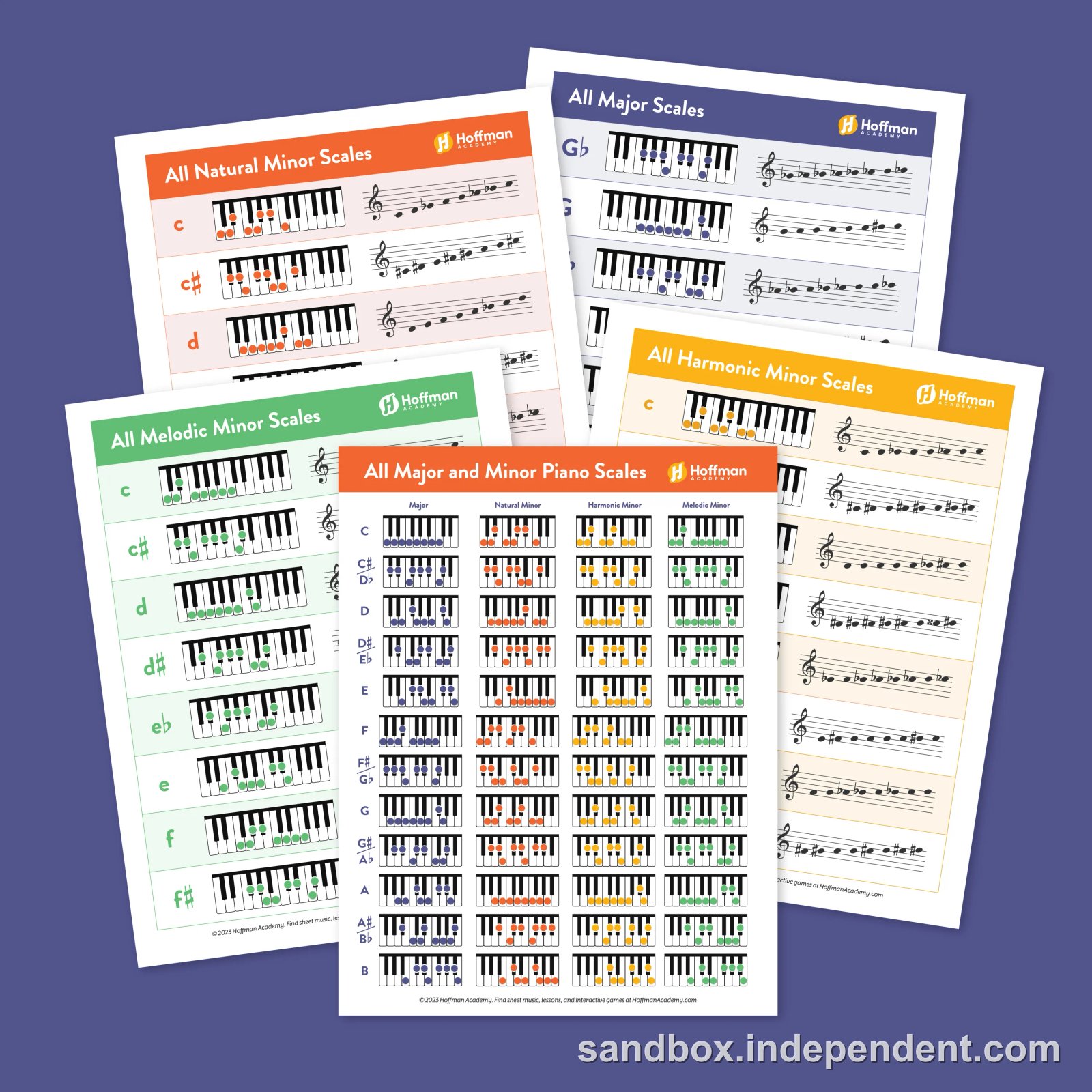
This chart is your quick guide to understanding and mastering scales. It provides a visual representation of scale patterns, intervals, and fingerings, making it easier to navigate and play scales with confidence. While there may be variations in format or notation, the essence remains the same: a practical guide to exploring major and minor scales.
Piano Scales Chart: Your Visual Guide to Musical Mastery
The piano scales chart is a powerful tool for musicians, offering a visual representation of the building blocks of music. It's like a map that helps you navigate the world of scales, providing a quick reference for understanding and playing different scale patterns. This chart is your secret weapon to mastering the piano keyboard and creating beautiful melodies.
Understanding Scale Structure: The Basics
Before diving into the chart, let's grasp some fundamental concepts. A scale is a sequence of notes that forms the foundation of music. There are two main types: major and minor scales, each with its unique sound and mood. The chart typically displays these scales in a standardized format, showing the notes and their intervals. You'll find scale degree names, like "tonic" or "dominant," which are essential for understanding the structure.
Reading Scale Charts: A Step-by-Step Guide
Using the piano scales chart is straightforward. Here's a simple guide:
- Identify the scale you want to learn. Let's say it's the C major scale.
- Locate the C major scale on the chart. It will show the notes in sequence, often with fingerings to guide your playing.
- Follow the notes and fingerings, playing each one on your piano.
- Practice the scale until you can play it smoothly and confidently.
- Repeat this process for other scales, exploring the various patterns and sounds.
Common Scale Variations: Navigating Differences
While the piano scales chart provides a standard reference, scales can vary depending on the musical context. Different styles, such as jazz or classical, may use unique scale variations. Additionally, some scales have multiple forms, like the harmonic minor scale, which has a distinct sound compared to its natural minor counterpart. It's essential to explore these variations and understand their applications to become a versatile musician.
Mistakes to Avoid: Common Pitfalls
When working with the piano scales chart, it's crucial to avoid common mistakes. One pitfall is rushing through the learning process. Take your time to understand each scale and its characteristics. Another mistake is neglecting to practice the scales in context. Apply them to real songs or exercises to reinforce your understanding and muscle memory.
Practical Tips for Accurate Results
To get the most out of your piano scales chart, consider these practical tips:
- Start with the basic major and minor scales. These are the foundation for many other scales and musical concepts.
- Practice regularly, even if it's just a few minutes each day. Consistency is key to mastering scales.
- Explore different piano scale patterns and intervals to expand your musical vocabulary.
- Use the chart as a reference, but also try to internalize the scales by playing them from memory.
- Challenge yourself with more complex scales once you've mastered the basics.
Remember, the piano scales chart is a valuable tool, but it's just the beginning. Practice, experimentation, and a deep understanding of music theory will take your piano skills to new heights. Happy practicing!
Well, there you have it! A piano scales chart is a handy tool to keep close by, offering a quick and easy reference for your musical adventures. Remember, while this guide provides a solid foundation, exact values might shift slightly based on the source or standard you follow.
So, before you dive in, ensure you're using the right chart for your specific needs. And hey, why not bookmark this page for future musical missions? It's always good to have a reliable resource at your fingertips!
Related: Bathroom Remodeling Contractor Essential Guide
I was standing in my bathroom, staring at the dated tiles and worn-out fixtures, when it hit me: it's time for a renovation! I started thinking about finding a bathroom remodeling contractor and all the possibilities that come with it. So, here's a little guide to help you navigate this exciting process.
What's a Bathroom Remodeling Contractor?
A bathroom remodeling contractor is your go-to expert for transforming your bathroom into a stylish and functional space. They handle everything from design to construction, ensuring your vision becomes a reality. It's like having a personal bathroom makeover team!
The Cost Factor
When it comes to costs, it's a bit of a wild card. Prices can vary widely depending on the scope of your project. A simple update might be more affordable, while a full-scale renovation could be a bigger investment. It's all about balancing your dream bathroom with your budget.
Finding the Right Contractor
Hiring a bathroom remodeling contractor is a big decision. You want someone reliable, experienced, and aligned with your vision. Check their past projects, ask for references, and ensure they have the necessary licenses and insurance. It's also a good idea to get multiple quotes to compare prices and services.
Naming Your Business
If you're in the construction business, choosing a catchy name is crucial. It should be memorable and reflect your services. Some ideas could be:
- Build-it-Right Construction
- Renovate & Revive
- Home Transformation Team
- Modern Bath Solutions
Remember to check name availability and secure your domain and local registration.
Construction Jobs and Salaries
The construction industry offers a range of roles, from estimators to project managers. Salaries can vary based on experience and the specific job. If you're looking for opportunities, check online job boards and local construction companies. It's a great field with plenty of growth potential.
Tools of the Trade
In the world of construction, tools like RSMeans can be a game-changer. It's a cost database that helps contractors estimate project expenses accurately. It's a valuable resource for both small and large-scale projects.
The Big Picture
The construction industry is diverse, with companies of all sizes. Larger firms often have more resources and can take on bigger projects, while smaller companies might offer more personalized service. It's all about finding the right fit for your needs.
Local Connections
When it comes to bathroom remodeling contractors, local knowledge can be a plus. They understand the unique challenges and regulations of your area. For example, in Atlanta, you might need to consider specific building codes. It's always a good idea to check with your local building department for any specific requirements.
So, there you have it! A little insight into the world of bathroom remodeling contractors. It's an exciting process, and with the right team, you can create a bathroom that's truly yours.
Related: Jersey Size Chart: A Quick Reference Guide
A jersey size chart is a handy tool for anyone looking to ensure a perfect fit when ordering clothing online or understanding garment measurements. This guide will provide an overview of these charts, covering their purpose and the key information they offer.
They offer a quick reference, typically presenting measurements for various body parts and the corresponding clothing sizes. While standards can vary, a good chart will provide a reliable starting point for finding your ideal size, whether you're shopping for men's, women's, or kids' apparel.
Understanding the Jersey Size Chart
A jersey size chart is an essential tool for anyone looking to purchase clothing, especially online. It provides a standardized guide to help you choose the right size for your body measurements. This chart ensures a perfect fit and can save you from the hassle of returns and exchanges.
Key Details and Categories
The jersey size chart typically includes measurements for chest, waist, and hip circumference, as well as height. These measurements are presented in a table format, with sizes categorized by numerical values or alphabetical letters, depending on the standard being used. For example, the US standard may use numerical sizes like 32, 34, 36, etc., while the European standard might use letters such as S, M, L, XL, and so on. It's important to note that these sizes can vary slightly between brands and manufacturers, so always refer to the specific jersey size chart provided by the retailer or brand you're purchasing from.
Step-by-Step Guide: Reading the Chart
To use the jersey size chart accurately, follow these steps:
Measure your body: Take accurate measurements of your chest, waist, hips, and height. Ensure you follow the guidelines provided on the chart for proper measuring techniques.
Find your size: Locate your measurements on the chart. For instance, if your chest measurement is 38 inches, look for the column or row that corresponds to this value.
Check other measurements: Ensure that your waist and hip measurements also align with the size you've chosen based on your chest measurement. If there's a significant discrepancy, you may need to choose a different size or consider a custom-fit option.
Consider the fit: Different brands and styles may offer various fits, such as slim, regular, or relaxed. Refer to the chart's notes or additional guidelines to understand how these fits may impact the overall size.
Size Variations and Differences
Size charts can vary across brands and regions due to different standards and preferences. For instance, a size medium in one brand might fit like a large in another. This is why it's crucial to refer to the specific jersey size chart for the brand you're purchasing from. Additionally, some brands may offer size guides with detailed measurements for each size, providing a more precise fit.
Common Mistakes and How to Avoid Them
One common mistake is assuming that your size remains constant across all brands. Always refer to the jersey size chart for each brand to ensure an accurate fit. Another mistake is neglecting to measure yourself properly. Ensure you follow the guidelines provided on the chart to get the most precise measurements.
Tips for a Perfect Fit
To achieve the best fit, consider these tips:
Measure yourself regularly, especially if you're purchasing clothing after a significant weight change or growth spurt.
If you're between sizes, choose the larger size for a more comfortable fit or the smaller size for a tighter, more fitted look.
Pay attention to the fabric and style of the jersey. Some fabrics may have more or less stretch, impacting the overall fit.
Don't be afraid to try on multiple sizes if you're unsure. Many online retailers offer free returns, so take advantage of this to find your perfect fit.
Well, there you have it, a comprehensive guide to jersey size charts. With this knowledge, you can confidently navigate the world of sizing and ensure a perfect fit every time. Remember, while this guide provides a solid foundation, exact values can vary, so always refer to the specific guidelines provided by the brand or manufacturer for the most accurate results.
Feel free to explore our other resources on sizing and fitting guides; we've got plenty of practical tips to ensure your wardrobe choices are always spot on. Happy shopping, and don't forget to measure twice (or thrice) to ensure that perfect fit!