









Flashcards Quiz Practice Overview
Top construction management companies are a key part of any major building project, but when you're not in the industry, it can be hard to know where to start. So, let's break it down and explore what these companies do and why they matter.
What's the Deal with Top Construction Management Companies?
These companies are the experts who oversee the entire construction process, from planning and budgeting to managing contractors and ensuring the work is completed on time and to a high standard. They're like the conductors of an orchestra, keeping everything in harmony and on beat.
When you're taking on a big building project, whether it's a new home, a renovation, or a commercial development, you want to make sure it's done right. That's where these companies come in. They bring a wealth of experience and knowledge to the table, ensuring your project runs smoothly and efficiently.
Hiring the Right Team
When it comes to hiring a top construction management company, there are a few key things to consider. First, check their track record and experience. You want a company that has a proven history of successful projects, especially in the type of work you need. Ask for references and take the time to call and chat with previous clients.
Next, look at their team. A good company will have a range of skilled professionals, from project managers and estimators to site supervisors and safety officers. Make sure they have the right people for the job and that their team is well-organized and communicates effectively.
Finally, get quotes from a few different companies. Compare their proposals, not just on price, but also on the scope of work, timeline, and any guarantees or warranties they offer. A detailed, itemized quote is a good sign that they've thought through the project thoroughly.
Company Names and the Industry
In the construction industry, company names can be a bit of a giveaway. Often, they'll include the founder's name, a reference to the type of work they do, or a unique, memorable phrase. For example, "Smith & Sons Construction" or "Blue Sky Builders."
When coming up with a name for your construction business, think about what makes you unique and how you can stand out. Keep it simple, memorable, and reflective of your brand. And don't forget to check name availability and secure the right domain and local registration before you start using it.
Industry Insights and Tools
The construction industry has its own language and tools. One you might have heard of is RSMeans, a popular cost database and estimating tool. It's a go-to resource for many in the industry, providing accurate cost information for a range of construction projects.
Other tools and topics to be aware of include escalation, which refers to the increase in construction costs over time, and the cost indexes, which track and predict these changes. These tools are essential for accurate budgeting and forecasting, especially on larger, long-term projects.
Taking the Next Step
If you're ready to dive into a construction project, whether it's a renovation or a new build, consider reaching out to a few top construction management companies in your area. They can provide valuable insights, help you navigate the process, and ensure your project is a success.
Remember, it's all about finding the right team for your vision and ensuring they have the skills and experience to bring your project to life.
Related: What is the DMC Color Chart All About?
You're likely here because you need a reliable dmc color chart to guide your creative project, be it embroidery, cross-stitch, or another craft. This chart is a crucial tool, offering a clear and organized display of colors, often in the form of a thread or floss color guide. With various formats and standards, it's essential to find the right reference for your specific needs, ensuring an accurate and satisfying result.
Understanding the DMC Color Chart
The DMC color chart is an essential tool for embroidery enthusiasts and professionals. It serves as a comprehensive guide to the vast range of DMC thread colors, providing a visual reference and accurate color codes. This chart is your key to unlocking the full potential of DMC embroidery threads.
Comparing Color Standards and Formats
DMC offers a standardized color system, ensuring consistency across their thread range. The chart typically displays a color swatch with its corresponding DMC color code. These codes are unique identifiers, allowing you to easily specify and match colors accurately.
Step-by-Step Guide to Using the DMC Color Chart
- Begin by identifying the color you wish to use. Look for the desired shade on the chart, which is usually organized by color family.
- Once you've located the color, note its DMC color code. This code is essential for referencing and ordering the correct thread.
- Use the chart as a guide when selecting threads for your embroidery projects. It ensures you achieve the intended color scheme and maintain consistency.
Avoiding Common Misreadings
It's important to note that lighting conditions can affect how colors appear. Ensure you view the chart in natural light to get an accurate representation of the shades. Additionally, be mindful of the difference between on-screen colors and physical thread colors, as screens may not always display true-to-life shades.
Factors Affecting Accuracy
Several factors can influence the accuracy of color representation on the DMC color chart. These include the type of paper or fabric used for the swatches, as well as the printing process. It's advisable to cross-reference colors with actual thread samples whenever possible to ensure precise color matching.
Choosing the Right Format
DMC provides various formats of their color chart to cater to different needs. You can opt for a physical color card, which is portable and convenient for on-the-go reference. Alternatively, digital versions are available for easy access on your device. Consider your preferred method of reference and choose the format that suits your embroidery workflow.
Maintaining Reliability for Future Projects
To ensure the longevity and reliability of your DMC color chart, handle it with care. Keep it away from direct sunlight and moisture to prevent fading or damage. Regularly update your chart to the latest version, as DMC may introduce new colors or make adjustments to their color range. By doing so, you'll always have an accurate and up-to-date reference for your embroidery endeavors.
Remember, the specifics of your DMC color chart may differ slightly, so it's always good to refer back to this guide for a quick refresh. Exact values can vary, so it's best to have your trusted reference at hand.
Feel free to bookmark this page for future use, and check out our other guides for more practical tips and insights. We aim to provide clear, concise information, so you can navigate these topics with ease. Happy crafting!
Related: How to read a newborn size chart?
Many new parents might assume that all newborns are the same size, but that's not quite true! While it's a common misconception, the reality is that newborn size charts actually vary quite a bit.
These charts, which include details like birth weight percentiles and infant head circumference, are a handy tool to understand a baby's growth and development. They provide a simple, visual way to track and compare a newborn's size and can help parents and healthcare professionals ensure a baby is growing as expected. It's worth noting that these charts may differ based on various factors, so it's always best to consult a healthcare professional for personalized guidance.
The Newborn Size Chart: A Quick Overview
The newborn size chart is a handy tool for parents and caregivers to understand and track a baby's growth and development during their first few weeks of life. It provides a visual representation of a baby's typical measurements, including length, weight, and head circumference, and helps identify any potential concerns. This chart is a great reference for new parents, offering a simple way to monitor their baby's progress.
Comparing Standards and Formats
There are different standards and formats for newborn size charts, depending on the region and medical guidelines. The most common ones are based on international or metric standards, which are widely used and accepted globally. These charts typically use centimeters (cm) for length and weight measurements and provide a comprehensive view of a baby's growth. Some charts may also include additional details, such as body mass index (BMI) or specific growth percentiles.
Step-by-Step Guide to Using the Chart
Using a newborn size chart is straightforward:
Obtain a reliable chart from a trusted source, such as a healthcare provider or a reputable online resource. Ensure it follows the appropriate standard for your region.
Measure your baby's length, weight, and head circumference accurately. For length, place your baby on a flat surface and gently stretch them out, measuring from the top of the head to the heel. Weigh your baby on a scale designed for infants. Head circumference is measured using a tape measure, just above the eyebrows and around the largest part of the head.
Locate the corresponding values on the chart. The chart typically has age or week ranges on one axis and measurement values on the other. Find the appropriate age range and then identify the value that matches your baby's measurement.
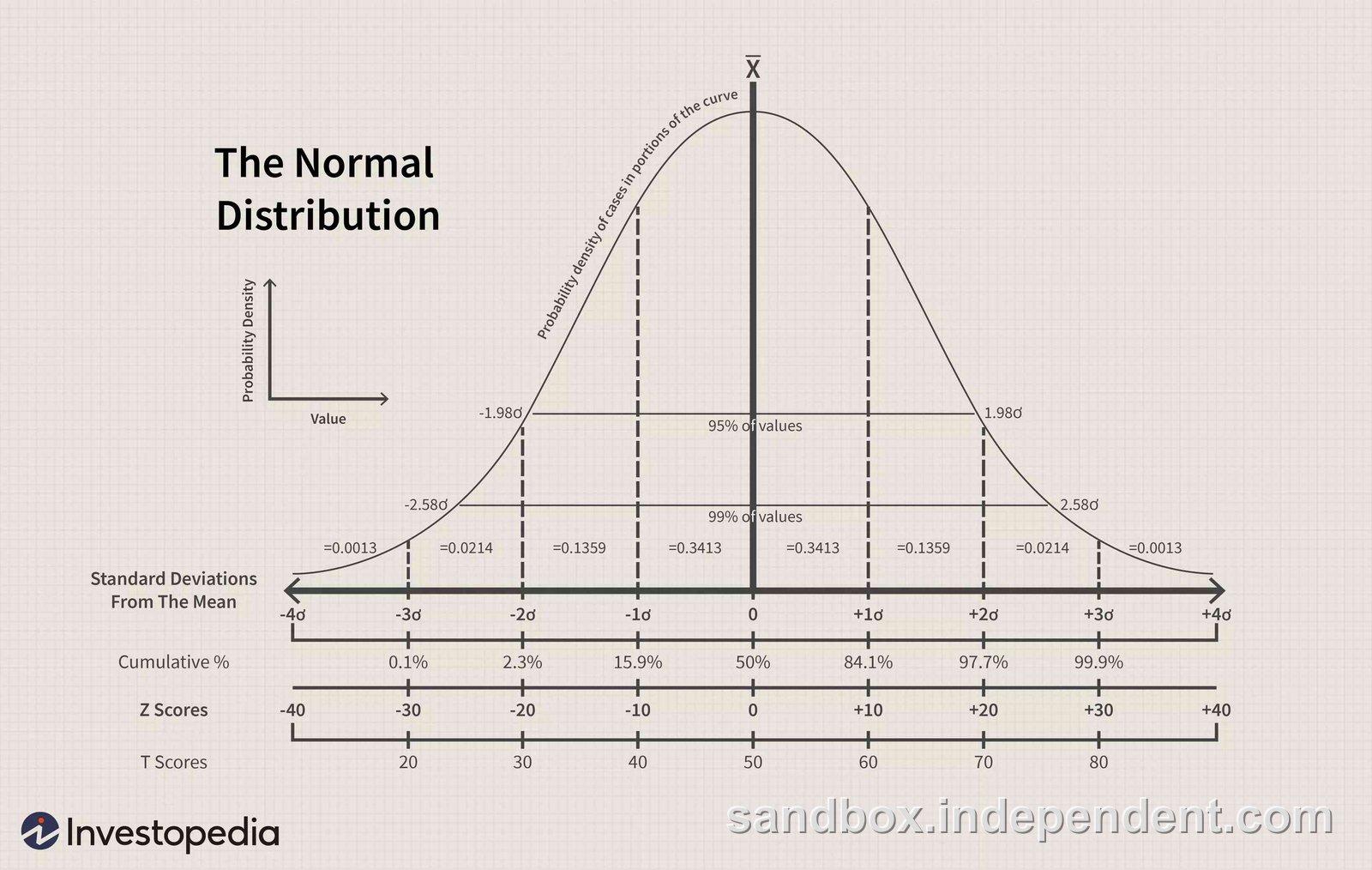
Interpret the results. The chart will show percentiles, indicating where your baby's measurements fall in comparison to other babies of the same age. A percentile of 50% is considered average, while values above or below indicate a larger or smaller size, respectively.
Track progress over time. Repeat these measurements regularly (weekly or monthly) and plot the results on the chart to visualize your baby's growth pattern. This helps identify any significant deviations or concerns.
Common Misreadings and Pitfalls
It's important to note that newborn size charts are general guidelines and may not represent every baby's growth accurately. Here are some common misreadings and how to avoid them:
Interpreting Percentiles: Percentiles don't indicate a baby's health or development; they simply show where a measurement falls in comparison to others. A lower percentile doesn't necessarily mean a problem, as long as the baby is healthy and growing consistently.
Aging Out of the Chart: Some charts have limited age ranges. If your baby is older than the chart's maximum age, you may need to consult a different chart or discuss with your healthcare provider.
Measuring Inaccurately: Always use proper measuring techniques to ensure accurate results. Inconsistent or incorrect measurements can lead to misleading interpretations.
Factors Affecting Accuracy
Several factors can influence a baby's growth and, consequently, their position on a newborn size chart:
Genetics: A baby's size can be influenced by their parents' height and build.
Nutrition: Adequate nutrition is crucial for healthy growth. Breastmilk or formula provides the necessary nutrients, but solid food introduction can also impact growth patterns.
Health Conditions: Certain medical conditions or premature birth can affect a baby's growth. Consult your doctor if you have concerns.
Gender: On average, baby girls tend to be slightly smaller than baby boys, but this varies widely.
Choosing the Right Chart for Your Needs
While standard newborn size charts are widely available and useful, some parents may require more specialized charts. Here are a few variations:
Premature Baby Charts: If your baby was born prematurely, a specialized chart may be more accurate for tracking their growth.
International Charts: If you're traveling or living abroad, ensure you have a chart that follows the local standard.
Growth Charts for Specific Concerns: In some cases, doctors may recommend specialized charts to monitor a baby with a specific health condition or growth concern.
Remember, while newborn size charts are valuable tools, they should be used as a guide, and any concerns should be discussed with a healthcare professional.
Hey there, we hope this guide has given you a clear understanding of newborn size charts and their practical use. Remember, while the basics remain the same, exact details can vary slightly, so always refer to reliable sources and adapt to your specific needs.
Feel free to explore our other guides for more insights and tips on various parenting topics. We've got a range of resources to help you navigate this exciting journey, so take a look and find what resonates with you!