







Flashcards Real Estate Exam Overview
You're here because you need a quick answer, a reliable reference for a chart that's got you stumped. Maybe it's a body mass index (BMI) chart, or a weight-height ratio guide - these can be off the charts confusing! It's easy to feel lost when you're trying to understand the categories and ranges, especially as they can vary depending on where you are and who you ask. But don't worry, we'll get you on track with a simple breakdown. These charts are designed to give you a snapshot of your health, and with a few key insights, you'll be reading them like a pro.
Understanding Body Mass Index (BMI): What It Means to Be "Off the Charts"
Body Mass Index, or BMI, is a simple calculation that helps give an indication of whether your weight is in a healthy range for your height. It's a useful tool to get an overview of your health, but it's not the only measure of health or fitness. So, what does it mean when someone is "off the charts" with their BMI? Let's find out!
Key Details and Categories to Know
The BMI chart is a visual representation of the BMI calculation, which is your weight (in kilograms) divided by the square of your height (in meters). The result is then compared to a standard range to determine your BMI category. These categories are: underweight (below 18.5), healthy weight (18.5 to 24.9), overweight (25 to 29.9), and obese (30 or above). The chart often uses colors or shading to represent these categories, making it easy to see where you fall.
Step-by-Step Guide: Reading and Interpreting Your BMI
To use the BMI chart accurately, follow these steps:
- Weigh yourself and note your weight in kilograms.
- Measure your height accurately and convert it to meters (if needed).
- Square your height (multiply it by itself).
- Divide your weight by the squared height.
- Locate your BMI on the chart.
- Identify the color or category it falls into.
For example, if your BMI is 28, you would be in the overweight category. It's a simple process, but remember, it's just one tool to assess your health.
Variations and Differences: Why BMI Can Vary
It's important to understand that BMI can vary due to several factors. Age, muscle mass, and bone density can all affect your BMI. For instance, highly muscular individuals might have a higher BMI but not be overweight or obese. Additionally, BMI charts and categories can differ slightly depending on the standard used. Some charts might have slightly different ranges or categories, so always check which standard is being used.
- Key factors that can cause BMI variations:
- Muscle mass
- Bone density
- Age
- Body composition
Common Mistakes and How to Avoid Them
When using the BMI chart, be aware of these potential mistakes:
- Assuming BMI is the only health indicator: It's just one tool, so consider other factors like diet, exercise, and overall well-being.
- Forgetting to convert units: Always ensure your height is in meters and weight in kilograms for an accurate calculation.
- Not considering individual differences: BMI is a general guide; it might not apply accurately to everyone.
- Relying solely on the chart: It's a visual aid, but the calculation is more precise.
Remember, being "off the charts" with BMI doesn't always mean there's a health issue. It's a guide, and understanding your individual circumstances is key.
Well, that's a wrap on our exploration of this handy reference tool! We've covered the basics, from understanding the key elements to navigating any variations you might encounter. Remember, while the fundamentals remain consistent, exact details can shift based on your specific context or the source you're referencing.
Feel free to dive into our other guides for more practical tips and tricks. We've got a whole library of resources to help you master various topics, so take a browse and find something that piques your interest!
Related: Need a shirt size chart? Find your perfect fit!
You're probably here because you need a quick fix, a simple solution to finding your perfect shirt size. And what better tool than a shirt size chart? It's a handy reference, a map to navigate the world of clothing sizes, and it's right at your fingertips. These charts offer a straightforward way to ensure you get the right fit, and they can vary slightly depending on the brand or region, so it's always good to have a reliable guide.
Shirt Size Chart: A Practical Guide
A shirt size chart is a handy reference tool that helps you find the perfect fit for your shirts. It provides a standardized way to determine your size based on key body measurements. These charts are essential for online shopping or when you need to order custom-made shirts.
Key Details and Categories
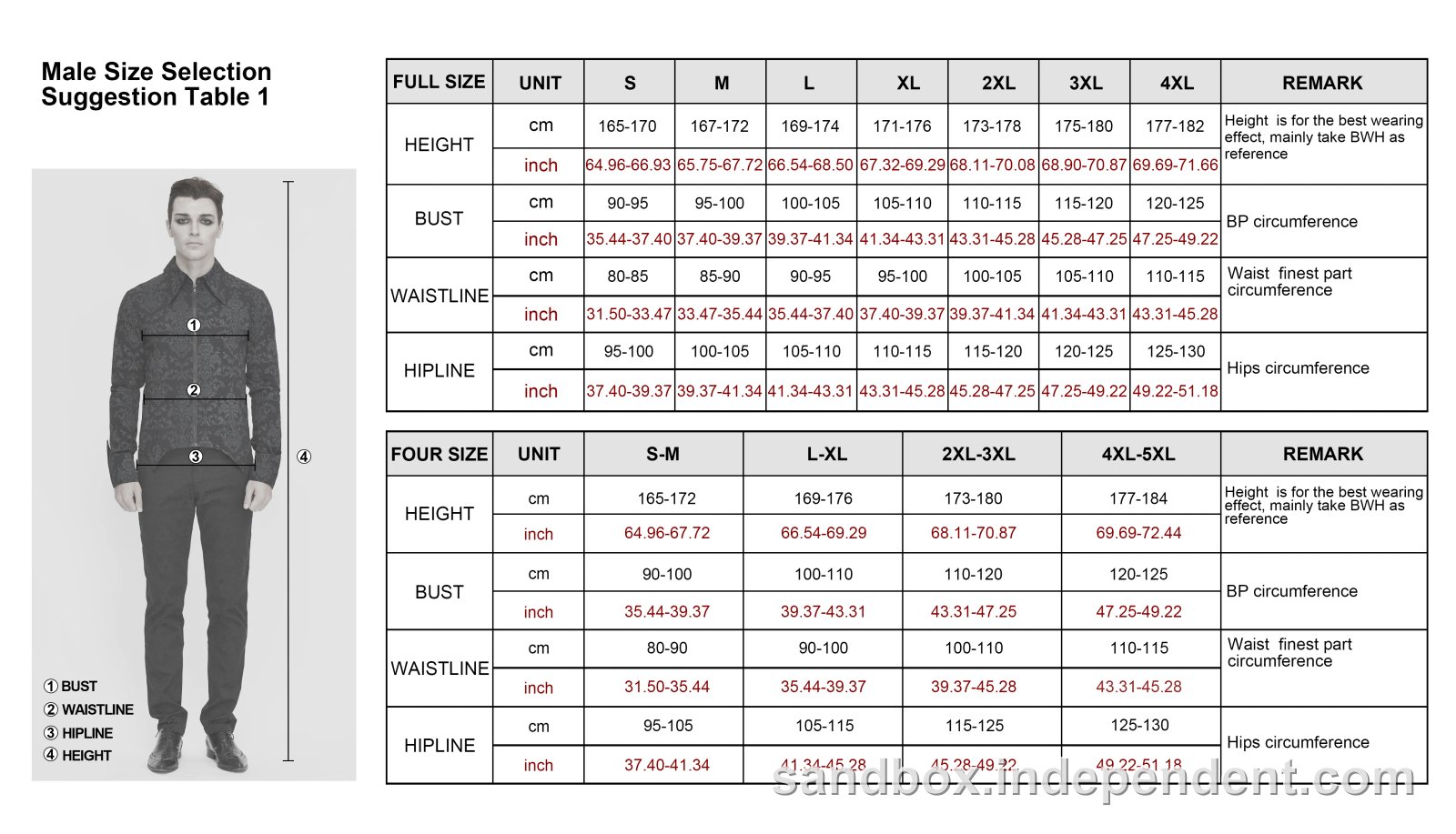
The shirt size chart typically includes measurements for chest circumference, waist circumference, and sometimes arm length. These measurements are usually given in inches or centimeters, depending on the standard being used. The chart also provides a range of sizes, often in small increments, to ensure a precise fit. For example, a chart might offer sizes from XS to 5XL, with each size representing a specific measurement range.
Step-by-Step Guide: Reading and Using the Chart
Follow these steps to accurately determine your shirt size using a size chart:
Measure your chest circumference at the fullest part of your chest, keeping the measuring tape parallel to the floor. This measurement is crucial for finding the right fit.
Locate your chest measurement on the chart. The chart will guide you to the corresponding size, often with a range of measurements for each size. For instance, a size Medium might fit chest circumferences between 38 and 40 inches.
If the chart provides waist circumference measurements, repeat the process for your waist. This measurement ensures a comfortable fit around your midsection.
Compare your measurements to the size chart's ranges. Choose the size that aligns most closely with your measurements. If your measurements fall between two sizes, consider factors like your preferred fit (more relaxed or snug) and the fabric's stretchability.
For more precise fitting, some charts may include arm length measurements. Measure your arm length from the base of your neck to your wrist. Match this measurement to the chart's arm length column to ensure a perfect sleeve length.
Understanding Variations and Differences
It's important to note that shirt size charts can vary depending on the brand, manufacturer, or even the specific style of shirt. Some brands may have slightly different measurement standards or size increments. Additionally, the intended fit of the shirt (e.g., slim, regular, or relaxed) can impact the size chart. Always check the brand's size guide or any notes about fit to ensure an accurate selection.
Common Mistakes and How to Avoid Them
One common mistake is relying solely on your usual shirt size without considering the specific brand or style. Each brand may have its own unique sizing system, so it's crucial to refer to their size chart. Another mistake is neglecting to measure yourself accurately. Take precise measurements, especially for the chest and waist, to ensure an accurate fit. Avoid guessing or estimating, as this can lead to disappointment with the final product.
Practical Fitting Tips for Accurate Results
To ensure the best fit, consider these tips:
When measuring, stand naturally and relax your arms. Avoid pulling the measuring tape too tight or too loose.
If you're between sizes, choose the larger size for a more comfortable fit, especially if the shirt has a slim or tailored cut.
Pay attention to the fabric and its stretchability. Some fabrics, like cotton blends, have more give, while others, like linen, are more rigid.
Check the brand's size guide for any specific notes or recommendations. They might offer tips for their unique sizing or suggest sizing up or down for certain styles.
Consider the intended use of the shirt. If it's for a formal occasion, you might want a more tailored fit, while casual shirts can allow for a looser fit.
Remember, the shirt size chart is a valuable tool, but it's just a guide. Always prioritize your comfort and personal style when making a final decision.
Well, there you have it! A shirt size chart is a handy tool to ensure you get the perfect fit every time. Remember, while these charts provide a great starting point, exact values can vary, so it's always wise to check the specific guidelines for your chosen brand or standard.
Don't forget to explore our other guides and resources; we've got plenty of practical tips to help you navigate the world of fashion and sizing with ease. Stay tuned for more!
Related: Home Office Renovation Cost Essential Guide
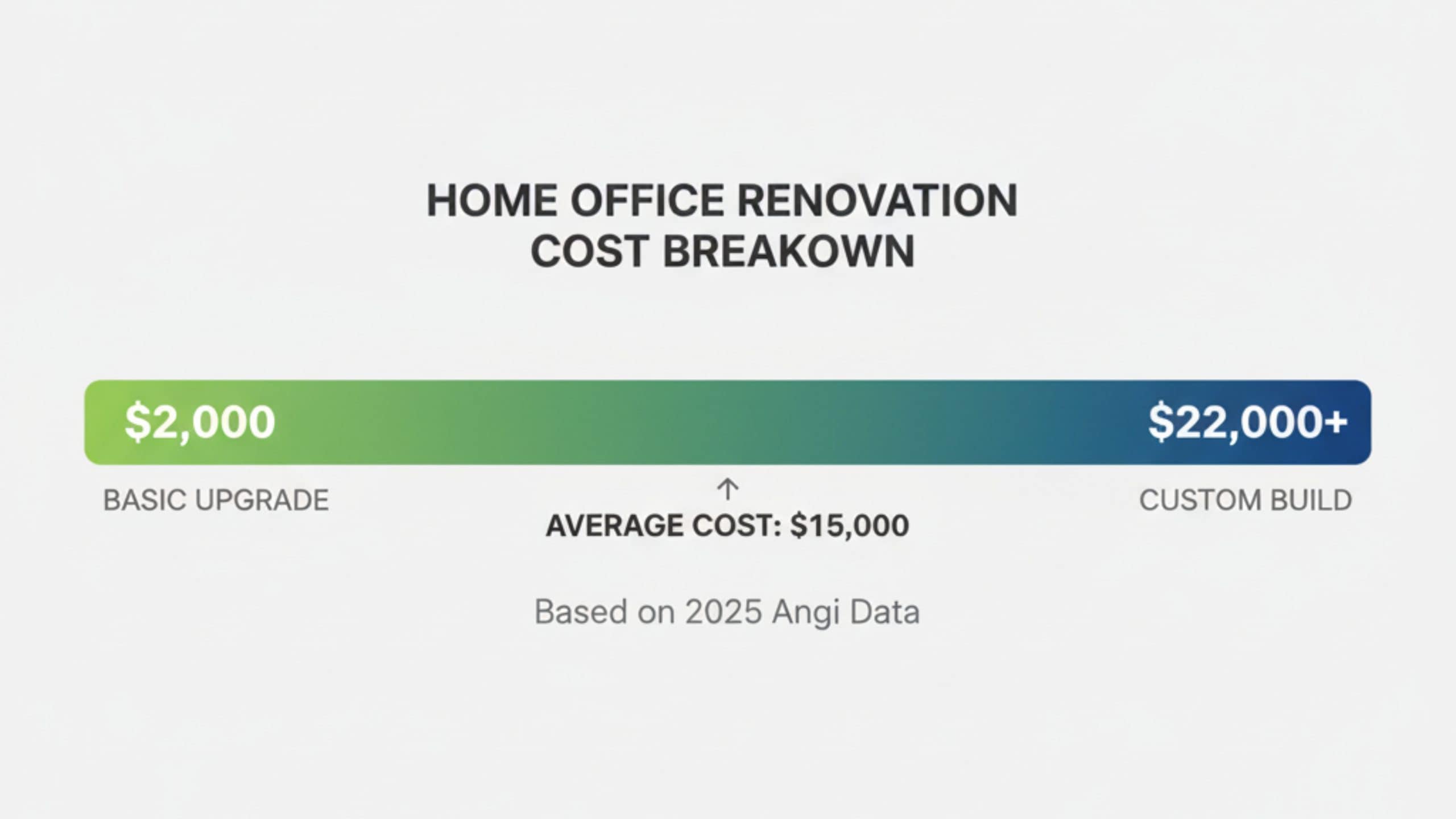
I'm thinking of turning my spare room into a home office. I've been working remotely for a while now, and it's time to create a dedicated space. But home office renovation cost is something I need to consider. I don't want to break the bank, but I also want a functional and comfortable workspace.
Understanding the Costs
When it comes to home office renovations, the costs can vary greatly. It all depends on the size of your project and the specific requirements. You might be surprised at how quickly the expenses add up, so it's essential to have a good understanding of what drives the price.
The main factors that influence home office renovation cost are the materials you choose, the complexity of the design, and the labor involved. For example, if you're converting an existing room, you may need to remove and replace walls, install new flooring, and add electrical outlets and lighting. These tasks can quickly increase the overall cost.
Getting Quotes and Comparing
To get a good idea of the home office renovation cost, it's wise to obtain multiple quotes from different contractors or companies. This allows you to compare not only the prices but also the services offered and the reputation of the businesses.
When comparing quotes, ensure they are detailed and itemized. This makes it easier to identify any significant differences and understand exactly what you're paying for. It's also a good idea to ask for references and check online reviews to get a sense of the contractor's quality of work and reliability.
Hiring a Contractor
Choosing the right contractor is crucial for a successful home office renovation. You'll want to find someone who understands your vision, offers a fair price, and has the skills and experience to deliver high-quality work.
Before hiring, ask about their experience with similar projects and request a portfolio of their past work. Check that they are licensed and insured, and don't be afraid to ask for proof. It's also beneficial to ask about their process, including how they manage timelines and communicate progress.
Construction Company Names
If you're considering starting your own construction business, choosing a name is an important step. The name should be memorable, unique, and reflect the services you offer.
Here are a few examples of construction company names that might inspire you:
- BuildPro
- Crafted Spaces
- Renova Construction
- HomeWorkz
- Constructive Solutions
- BuildTech
Remember to check the availability of your chosen name and secure the relevant domain and local registrations to protect your brand.
Industry Tools and Data
The construction industry uses various tools and resources to estimate costs and manage projects effectively. One such tool is RSMeans, a database that provides cost data for a wide range of construction-related activities.
RSMeans is used by estimators, contractors, and project managers to help determine the home office renovation cost and ensure accurate budgeting. It provides valuable information on labor and material costs, helping to keep projects on track financially.
Construction Jobs and Salaries
The construction industry offers a variety of roles, from skilled tradespeople to project managers and estimators. Salaries can vary depending on the role, experience, and location.
For those interested in a career in construction, it's worth researching the different positions and the skills required. Many jobs are advertised online, and you can also find opportunities through local trade associations or by contacting construction companies directly.
Large vs. Small Firms
When it comes to hiring a construction company, you'll often have the choice between a large, established firm and a smaller, local business. Both have their advantages and disadvantages.
Large firms often have more resources, a wider range of services, and may be able to offer better rates due to economies of scale. On the other hand, smaller firms can provide a more personalized service, with closer attention to detail and a more flexible approach.
Final Thoughts
Understanding the home office renovation cost is key to planning and budgeting for your project. By obtaining multiple quotes, comparing services, and hiring the right contractor, you can ensure a successful renovation. Remember, it's always worth taking the time to research and plan, as it will pay off in the long run.