






Flashcards Study Techniques Overview
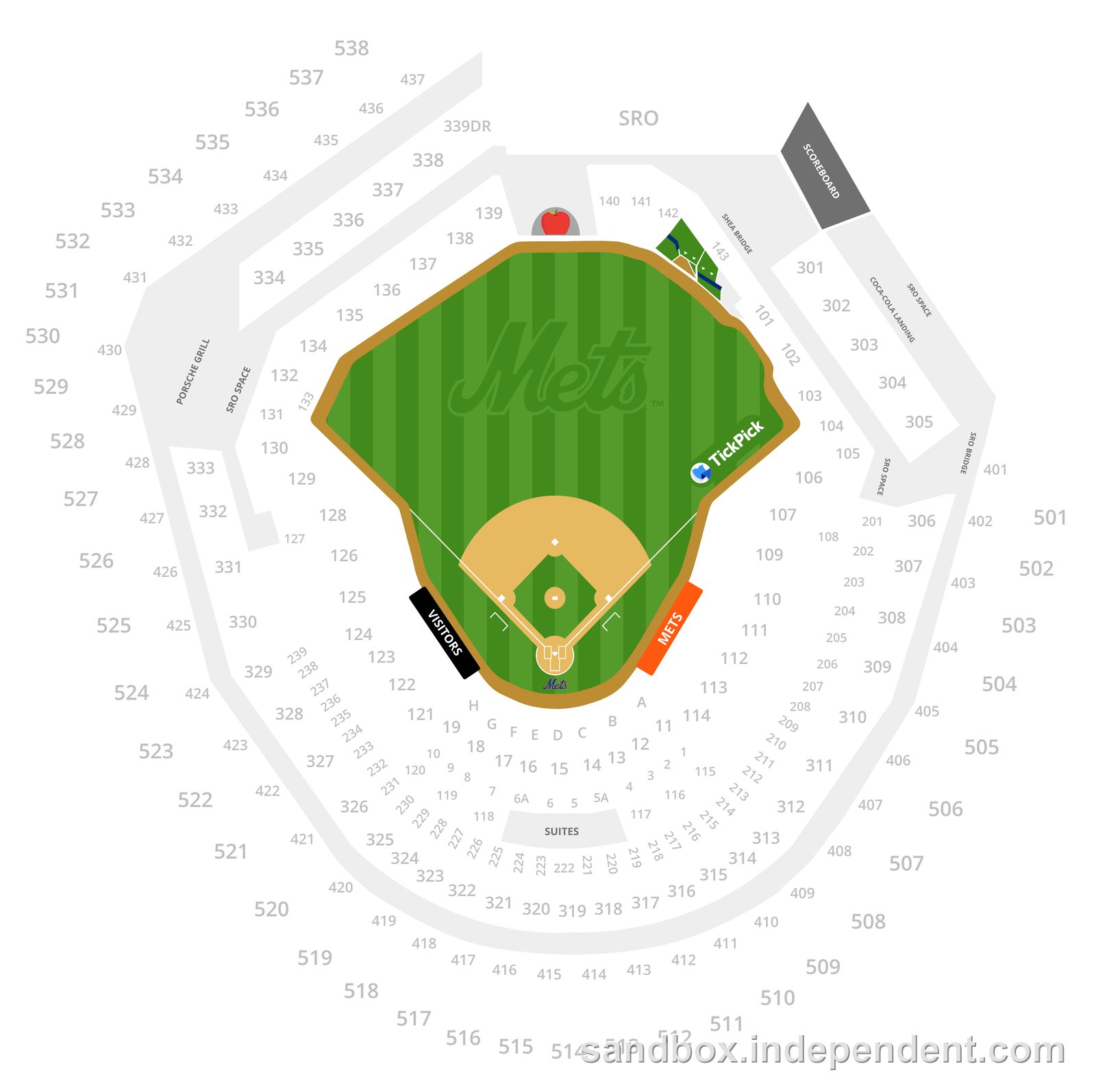
A band seating chart can often be a source of confusion, especially for those new to the world of live music and performance. While it may seem like a simple diagram, there's more to it than meets the eye! This chart is a crucial tool for musicians and organizers, offering a clear layout of the stage and ensuring everyone knows their place. It's not just about seating; it's a map for a smooth performance.
Understanding the Layout: Band Seating Chart Basics
A band seating chart is a visual representation of how a band or orchestra is arranged on stage. It's a practical tool for musicians, conductors, and venue staff to ensure everyone knows their position and the overall stage setup. This chart provides a clear layout, helping to avoid confusion and ensure a smooth performance.
Common Configurations and Standards
There are various ways to arrange a band, and the seating chart reflects these differences. The most common configurations include the traditional orchestra layout, where instruments are grouped by family, and the modern band setup, which often features a more flexible and dynamic arrangement. These charts typically use standard symbols and labels to represent instruments and their positions, making them easily readable and adaptable.
Practical Tips for Placement: A Step-by-Step Guide
- Start by identifying the stage dimensions and the desired seating capacity. This will help determine the overall layout and the number of rows or sections needed.
- Place the conductor or lead vocalist at the center, ensuring they have a clear view of the entire band and can effectively lead the performance.
- Group instruments by family or section. For example, place all the string instruments together, followed by woodwinds, brass, and percussion. This traditional arrangement ensures a balanced sound and makes it easier for musicians to communicate and interact during the performance.
- Consider the size and shape of each instrument when positioning them. Larger instruments, like the double bass or tuba, may require more space, so plan accordingly to avoid overcrowding.
- Leave sufficient space between sections to allow for movement and ensure a comfortable playing environment. This is especially important for performances involving dance or energetic movements.
Avoiding Misreadings and Common Pitfalls
While band seating charts are a useful tool, it's important to remember that they are a general guide. Variations may occur based on the specific performance requirements, the venue's unique layout, or even the conductor's preferences. Always double-check the exact specifications and tolerances, especially when dealing with non-standard instruments or unconventional setups. Misreading a chart can lead to confusion and potential issues during the performance, so it's crucial to communicate and clarify any deviations from the standard layout.
Hey there, band seating charts are a handy tool and it's great to have a basic understanding of the process. Remember, the exact details might differ slightly based on your specific needs and the standards you follow. It's always a good idea to refer to the relevant guidelines and adapt them to your situation.
Feel free to explore our other guides; we've got a range of topics covered to help you with your musical adventures. There's always something new to learn, so keep an eye out for our latest posts!
Related: House Remodel Contractors Essential Guide
I've got a bit of a project on my hands, and I'm thinking of hiring some house remodel contractors. I want to freshen up my place, but I've never done this before, so I'm not sure where to start. I've heard some horror stories about dodgy builders, so I want to make sure I get it right.
Understanding House Remodel Contractors
House remodel contractors are the professionals who can bring your home renovation dreams to life. They're the experts who handle everything from planning and design to construction and finishing touches. Whether you want to update your kitchen, add a new room, or give your entire home a makeover, these contractors are the go-to team.
They'll work with you to understand your vision, provide expert advice, and create a plan that fits your budget and timeline. It's a big decision, so it's important to choose the right contractor for your project.
Choosing the Right Contractor
When it comes to hiring a house remodel contractor, there are a few key things to consider. First, check their credentials and experience. Make sure they're licensed and insured, and ask for references from previous clients. You want to ensure they have a good track record and can deliver quality work.
Get detailed quotes from a few different contractors. Compare their proposals, but remember that the cheapest option isn't always the best. Look for a balance between price and the services offered. A good quote should include a clear breakdown of costs, a timeline, and a description of the work to be done.
Construction Company Names
Naming your construction business is an important step. It's your brand, and it needs to be memorable and professional. Avoid generic names and try to choose something unique that reflects your company's personality and services.
Here are a few original name ideas to get you started:
- Build-it-Right Construction
- HomeCrafters
- Renovate & Revive
- Constructive Solutions
- Hammer & Nail Co.
- The Building Blocks
Remember to check name availability and secure your domain and local business registration before you start promoting your business.
The Industry and Its Opportunities
The construction industry offers a range of job roles, from general contractors and estimators to specialized tradespeople. It's a hands-on field, and you'll often find job openings posted on dedicated construction job boards or general job sites.
As for salaries, they can vary widely depending on the role, experience, and location. Estimators, for example, play a crucial role in pricing projects accurately, and their skills are in demand.
Tools of the Trade
In the world of construction, tools like RSMeans can be a big help. It's a cost database that provides accurate estimates for construction projects, helping contractors and clients understand the financial side of renovations.
Tools like these are essential for planning and budgeting, especially when dealing with large-scale projects. They ensure that estimates are fair and accurate, which is a win-win for both contractors and clients.
The Size of the Business
The construction industry is diverse, with businesses of all sizes. Larger companies often have the resources to take on bigger projects and may offer a wider range of services. They might have specialized teams for different aspects of construction, from design to project management.
Smaller companies, on the other hand, can offer a more personalized service. They might be better suited to smaller-scale projects and can provide a closer working relationship with the client.
Final Thoughts
Hiring house remodel contractors is a big step, but with the right research and preparation, you can find the perfect team for your project. Remember, it's all about finding the right fit for your needs and budget. So, take your time, ask around, and you'll be on your way to a successful renovation.
Related: Find Your Perfect Fit: The AE Size Chart Guide
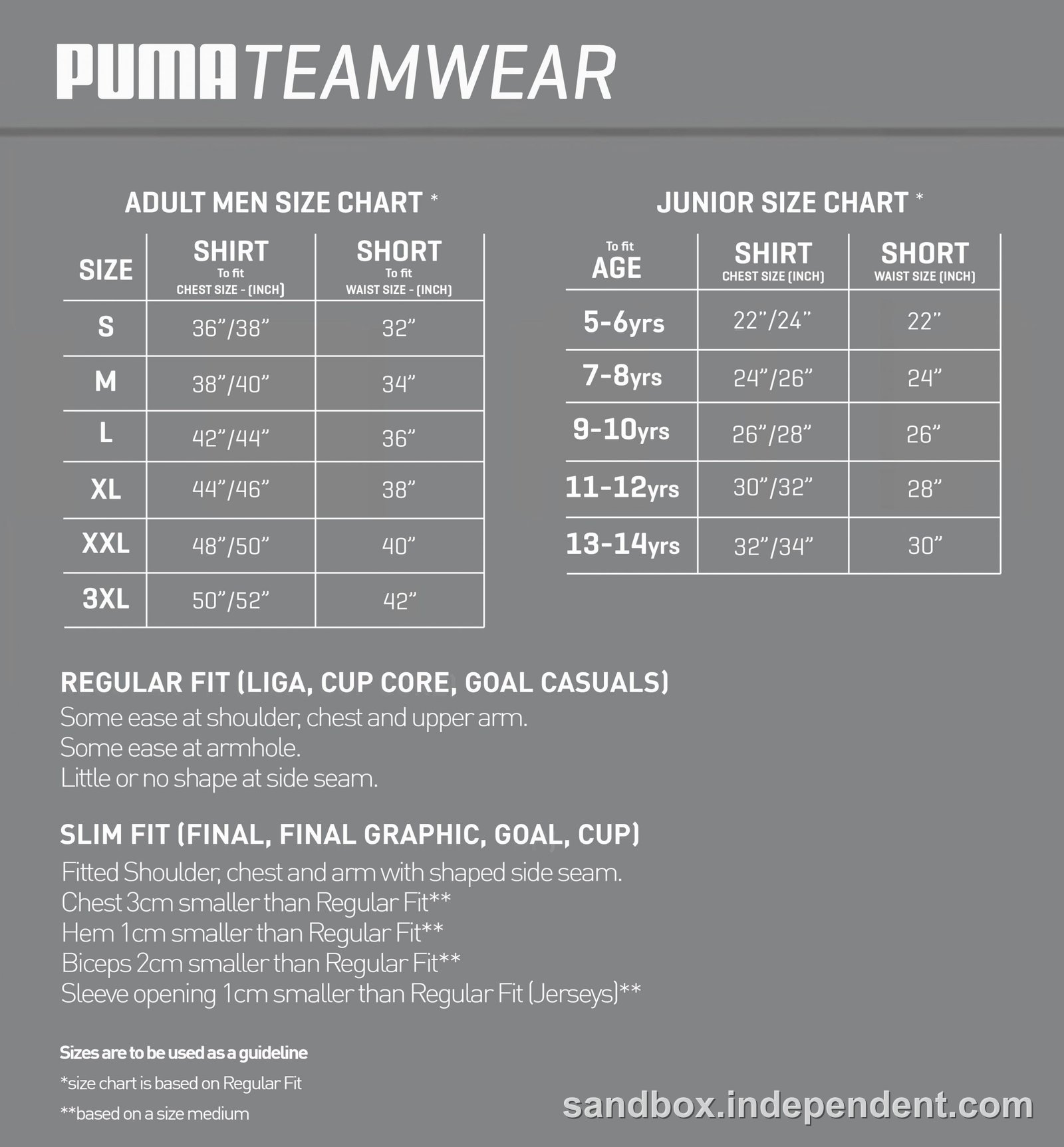
Frustrated by the endless search for the right size? You're not alone. That's why having a reliable ae size chart at your fingertips can be a game-changer. It's a simple yet effective tool, offering a quick solution to a common dilemma. This chart provides a clear and concise guide, helping you navigate the world of apparel sizing with ease. Whether you're an online shopper or prefer in-store browsing, understanding ae size charts and apparel size guides is key to ensuring a perfect fit every time.
Understanding the AE Size Chart: A Quick Overview
The ae size chart is a handy tool for anyone shopping for apparel, especially online. It provides a standardized guide to help you choose the right size for your body measurements. This chart is particularly useful for the AE (American Eagle) brand, ensuring a perfect fit for their clothing range.
Comparing Size Chart Standards and Formats
Size charts can vary depending on the brand and region. The AE size chart follows the US sizing standard, which is different from international or metric sizing. It's important to note that even within the US, some brands may have slightly different size guides, so always refer to the specific brand's chart for accuracy.
Step-by-Step Guide to Using the AE Size Chart
Using the AE size chart is straightforward:
Take your body measurements: bust, waist, and hip. These are the key measurements for most apparel items. Ensure you measure accurately and consistently.
Locate your measurements on the chart. The chart will typically have a column for each measurement type (bust, waist, hip) and rows for different sizes.
Find the size where your measurements intersect. For example, if your bust measurement corresponds to a size 6 and your waist and hip measurements align with size 8, you might want to opt for a size 8 to ensure a comfortable fit.
Consider the garment type. Different clothing items may fit differently, so always check the product description for any specific fitting notes or recommendations.
If you're still unsure, refer to the brand's size guide, which often provides additional fitting tips and advice.
Common Misreadings and How to Avoid Them
One common mistake is assuming that all brands use the same size chart. Always double-check the brand's specific size guide, as even within the US, there can be slight variations.
Another pitfall is relying solely on your usual size without considering your actual measurements. Remember, size charts are guidelines, and your body measurements are unique. Always measure yourself and refer to the chart for the best fit.
Factors Affecting Accuracy and Real-World Use
Several factors can impact the accuracy of size charts and your real-world experience:
Fabric type and stretchiness: Some fabrics have more give, so a garment might fit differently depending on the material.
Style and cut: Different clothing styles can have varying fits, even within the same size. For example, a loose-fit top might feel more comfortable than a fitted one, even if they are the same size.
Personal preference: Some people prefer a tighter or looser fit. Consider your personal style and comfort when choosing a size.
Body shape variations: Size charts provide a general guide, but everyone's body is unique. If you have a unique body shape, you might need to size up or down to achieve the desired fit.
Remember, the ae size chart is a helpful tool, but it's not an exact science. Always trust your measurements and consider the specific garment's style and fabric when making your size choice.
Well, there you have it! A quick and easy guide to navigating the world of AE size charts. Remember, these charts are a handy tool, but it's always wise to double-check the specific context and requirements for your project.
Consider bookmarking this page for future reference; it's a simple way to ensure you always have the right information at your fingertips. Happy measuring, and may your creations fit perfectly!