





Floral Mandala Coloring Pages Overview
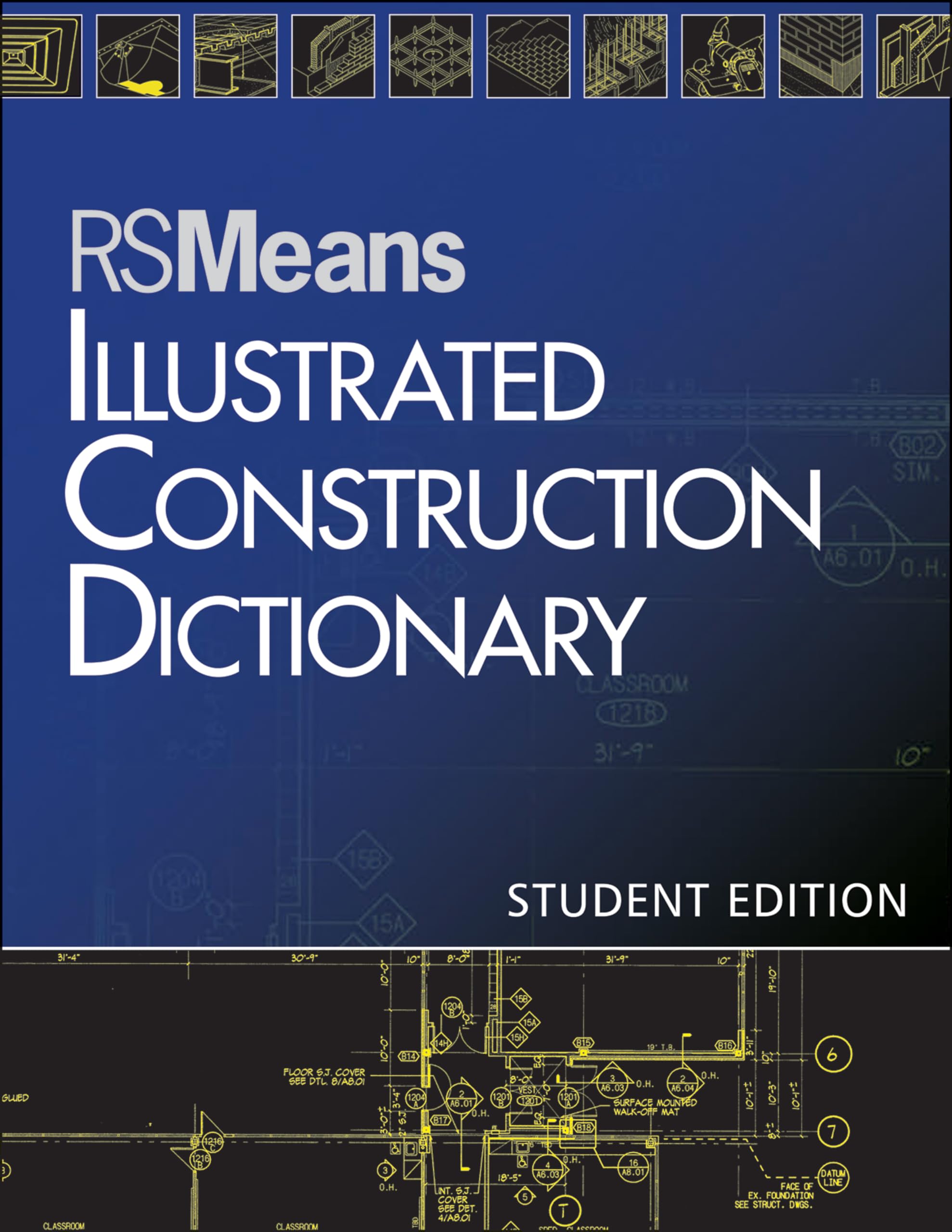
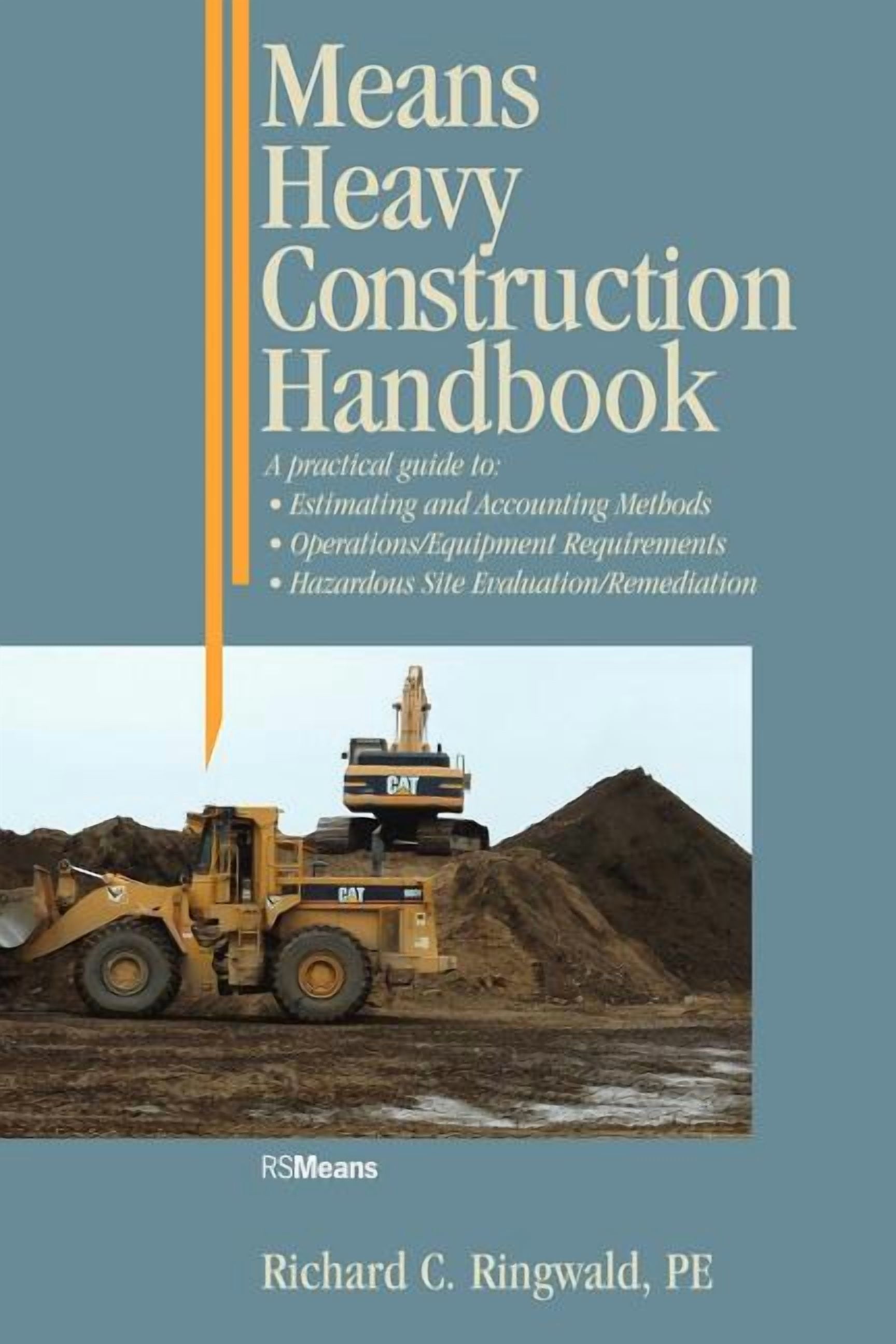
"rs means construction" is a phrase that might pop up when you're planning a home renovation or building project. It's a mouthful, but it's a useful tool for anyone wanting to understand construction costs. So, let's break it down and see what it's all about!
Understanding RSMeans and Construction Costs
RSMeans is a database and resource for construction professionals and homeowners alike. It provides detailed information on construction costs, helping you estimate and plan your project's budget. This tool is a go-to for many in the industry, offering insights into labor, materials, and other expenses. It's especially handy for comparing quotes and ensuring you get a fair deal.
When using RSMeans, you can get a good idea of what your project might cost. It considers various factors like the size of the project, the materials you choose, and the local labor rates. This data helps you set a realistic budget and understand the costs involved. It's a great way to ensure you're not overspending or underestimating the expenses.
Hiring a Contractor: What to Look For
When it comes to hiring a contractor, RSMeans can be a valuable ally. It can help you understand the typical costs for your project, so you know if a quote is reasonable. Before hiring, always check the contractor's references and licenses. Ask for a detailed breakdown of the costs and what's included in the quote. A good contractor will be transparent and provide this information.
You should also consider the scope of the project and whether the contractor has experience with similar work. Don't be afraid to ask questions and get a clear picture of what you're paying for. It's your project, and you want to ensure it's done right!
Construction Company Names and Branding
Naming a construction company is an important step. It's the first impression you give to potential clients and should reflect your business's values and services. A good name is memorable, unique, and gives a hint at what you do. For example, "BuildStrong", "Renovate Right", or "HomeCrafters" are catchy and descriptive.
When choosing a name, consider registering it and checking domain availability. You want to ensure your online presence is secure and that your name isn't already taken locally. It's a small but crucial step in building your brand and standing out in a competitive industry.
Jobs and Opportunities in Construction
The construction industry offers a range of roles, from estimators who use tools like RSMeans to project managers and skilled laborers. These jobs are in demand, and you'll often find opportunities advertised online or through local trade associations. It's a varied industry, and you can specialize in different areas, whether it's residential construction, commercial projects, or specific trades like plumbing or electrical work.
Data and Tools for the Industry
RSMeans is just one of the many tools and resources available to construction professionals. These tools help manage projects, estimate costs, and keep track of industry trends. For example, cost indexes provide an overview of construction costs over time, helping businesses and homeowners plan and budget effectively. Escalation, another term for cost increases, is also an important factor to consider when planning long-term projects.
Big Companies and the Industry
In the construction world, you'll find a mix of small, local businesses and large, national firms. The size of the company often reflects the scale of projects it takes on. Big companies may have the resources to tackle large-scale developments, while smaller businesses might focus on local renovations and additions. It's a diverse industry, and both types of companies play a crucial role in building our communities.
So, there you have it! RSMeans construction is a useful tool for anyone involved in construction, whether you're a homeowner, a contractor, or a business owner. It's a great way to stay informed and ensure your projects are on track and within budget.
Related: Understand Your Hair Level Chart Easily
You're probably here because you need a quick solution, right? Well, if you're looking for a simple guide to understanding hair length, the hair level chart is a handy tool. It's like having a secret code to deciphering those tricky hair measurements. This chart, a simple yet effective reference, can help you determine your hair's growth and length accurately. From there, you can explore various hair growth charts, length guides, and even styling tips tailored to your hair's level.
Understanding the Hair Level Chart: A Quick Overview
The hair level chart is a useful tool for anyone interested in hair care and styling. It provides a visual representation of hair length, offering a standardized way to measure and communicate hair length. This chart is especially handy for professionals in the hair industry, ensuring consistency in haircuts and styles.
Comparing Hair Level Chart Standards and Formats
There are a few different standards and formats for hair level charts. The most common one is based on the hair growth chart, which typically uses a numerical scale. This scale ranges from 1 to 10, with each number representing a specific hair length. For example, level 1 might indicate very short hair, while level 10 represents extremely long hair.
Another format uses descriptive terms, such as "short," "medium," and "long," to categorize hair lengths. This method is often used in everyday conversations and provides a more general idea of hair length. However, it lacks the precision of numerical scales.
Measuring Hair Accurately: A Step-by-Step Guide
To use the hair level chart accurately, follow these simple steps:
- Start by determining your current hair length. You can do this by measuring your hair from the scalp to the tip.
- Compare your measurement to the chart. Look for the closest match on the numerical scale or find the descriptive term that best describes your hair length.
- If you're using a numerical scale, you might find your hair length falls between two levels. In such cases, you can estimate or round up to the nearest level.
- Once you've identified your hair level, you can communicate it to your hairstylist or use it as a reference for styling and product choices.
Common Misconceptions and Pitfalls to Avoid
While the hair level chart is a practical tool, there are a few things to keep in mind:
- Hair length can vary depending on factors like hair type, texture, and individual growth rates. So, while the chart provides a standard, your personal hair characteristics may influence the accuracy of the measurement.
- The chart might not cover all hair types and styles. For instance, some hairstyles, like dreadlocks or extensions, may require additional considerations.
- It's essential to measure your hair accurately. Ensure you measure from the scalp and consider the natural fall of your hair.
- Remember, the chart is a guide, and individual preferences may vary. Feel free to adjust the level based on your desired style and comfort.
By understanding these factors, you can use the hair level chart effectively and make informed decisions about your hair care and styling.
Well, there you have it! A handy hair level chart can be a great tool to ensure you're getting the right products and services for your hair type. It's always a good idea to refer to these charts and guides, but remember, every head of hair is unique, so make sure to consider your specific needs and goals.
Feel free to explore our other guides and resources; we've got plenty of practical tips and tricks to help you navigate the world of hair care and styling. Happy hair adventures!
Related: Understand the Tap Drill Chart: A Quick Guide
You're here, searching for a quick fix, a reliable guide to help you with your tap drill chart needs. Well, you've come to the right place! This handy reference tool is your go-to for all things related to drilling and tapping. Whether you're a pro or a DIY enthusiast, the tap drill chart is an essential companion, offering a simple and visual way to ensure your projects are precise and accurate. It's like having a secret weapon, a map to guide you through the world of thread sizes and drill bits.
Understanding the Tap Drill Chart
The tap drill chart is your handy guide to choosing the right drill bit size for creating threads with a tap. It's a simple yet powerful tool that ensures your projects turn out just right. Think of it as a map to help you navigate the world of drilling and tapping.
Comparing Common Thread Types
When it comes to threads, there are a few common standards: the Unified Thread Standard (UTS) and the metric system. These standards define the size and pitch of threads, and they're crucial for selecting the correct tap and drill bit. The tap drill chart often covers both, so you can easily switch between systems.
Step-by-Step Guide to Using the Chart
Using the tap drill chart is straightforward:
- Identify the thread size you need, whether it's a UTS or metric size.
- Locate the corresponding column on the chart.
- Find the row that matches the thread size and pitch.
- The intersection of the row and column gives you the recommended drill bit size.
- Choose your drill bit accordingly, and you're ready to tap!
Avoiding Common Misreadings
It's easy to misinterpret the tap drill chart if you're not careful. Here are a few tips to avoid common mistakes:
- Always double-check the units. Some charts use inches, while others use millimeters.
- Pay attention to the thread pitch. A small difference in pitch can lead to a different drill bit size.
- If you're unsure, consult a professional or refer to the manufacturer's guidelines.
Key Factors Affecting Accuracy
Several factors can influence the accuracy of your tapping process:
Drill bit quality: Using a dull or worn-out drill bit can affect the thread's accuracy.
Material hardness: Softer materials may require a larger drill bit size.
Tapping speed: Going too fast can lead to inaccurate threads.
Lubrication: Proper lubrication is essential for smooth tapping.
Thread depth: Ensure you're drilling to the correct depth for the desired thread length.
Adapting the Chart for Specific Needs
While the tap drill chart provides a general guide, it might not cover every scenario. Here's how to adapt it:
- For unusual thread sizes or materials, consult the manufacturer's specifications.
- If you're working with a specific project, consider using a tap drill size calculator to get precise measurements.
- In some cases, you might need to create a custom chart or adjust the standard sizes to fit your needs.
Remember, the tap drill chart is a valuable tool, but it's always wise to cross-reference and adapt it to your specific requirements. Happy tapping!
Hey there, we've covered a lot of ground on tap drill charts and I hope you found it useful! These charts are an essential tool for anyone working with taps and threads, and it's great to have a reliable reference guide.
Remember, the exact details might differ slightly depending on the standard or your specific needs, so it's always good to double-check. Feel free to explore our other guides too; we've got plenty of practical tips and tricks to share!
Consider bookmarking this page for a quick refresh whenever you need it. It's a handy resource to have at your fingertips!