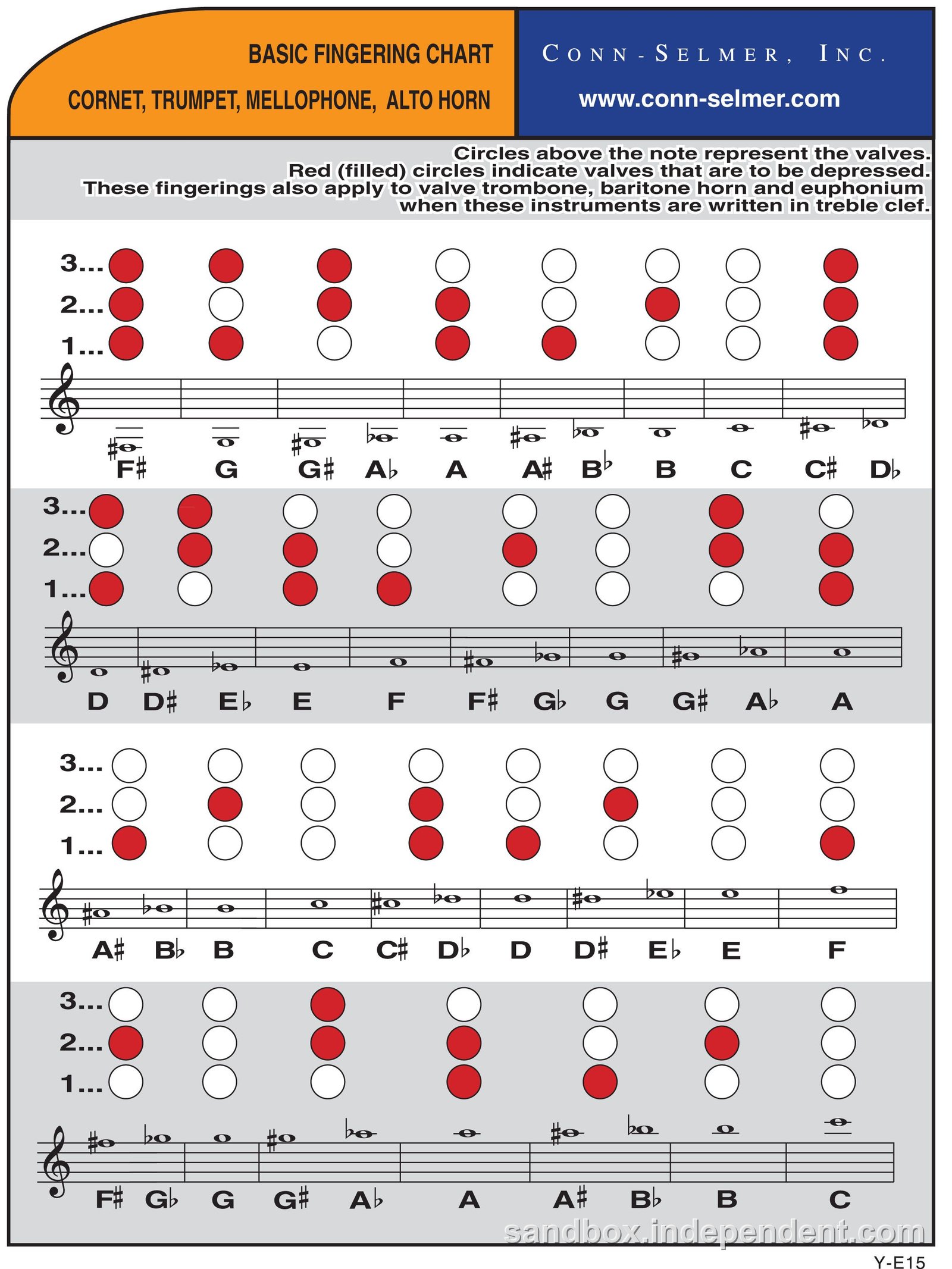





Flute Notes Chart Free Printable Overview
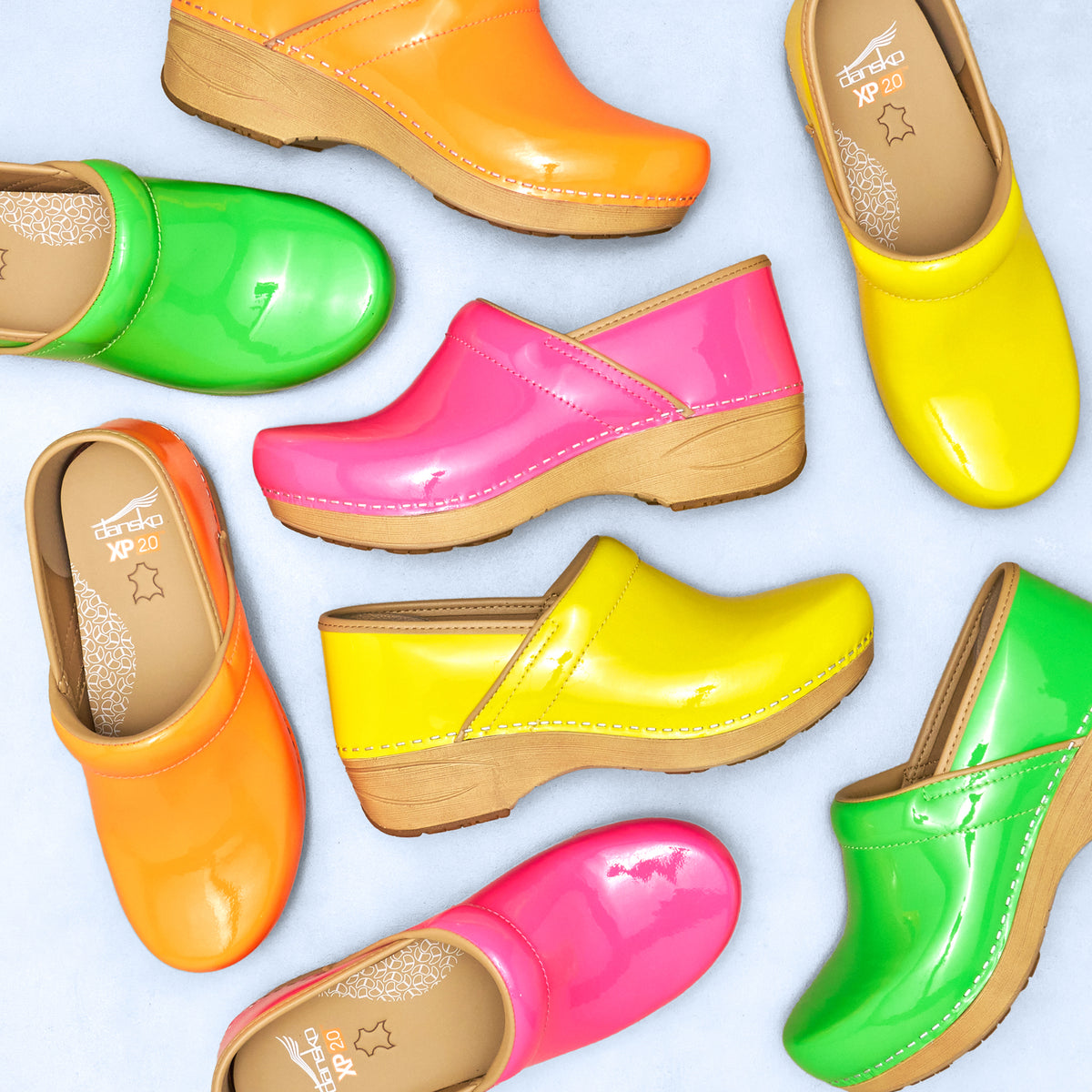
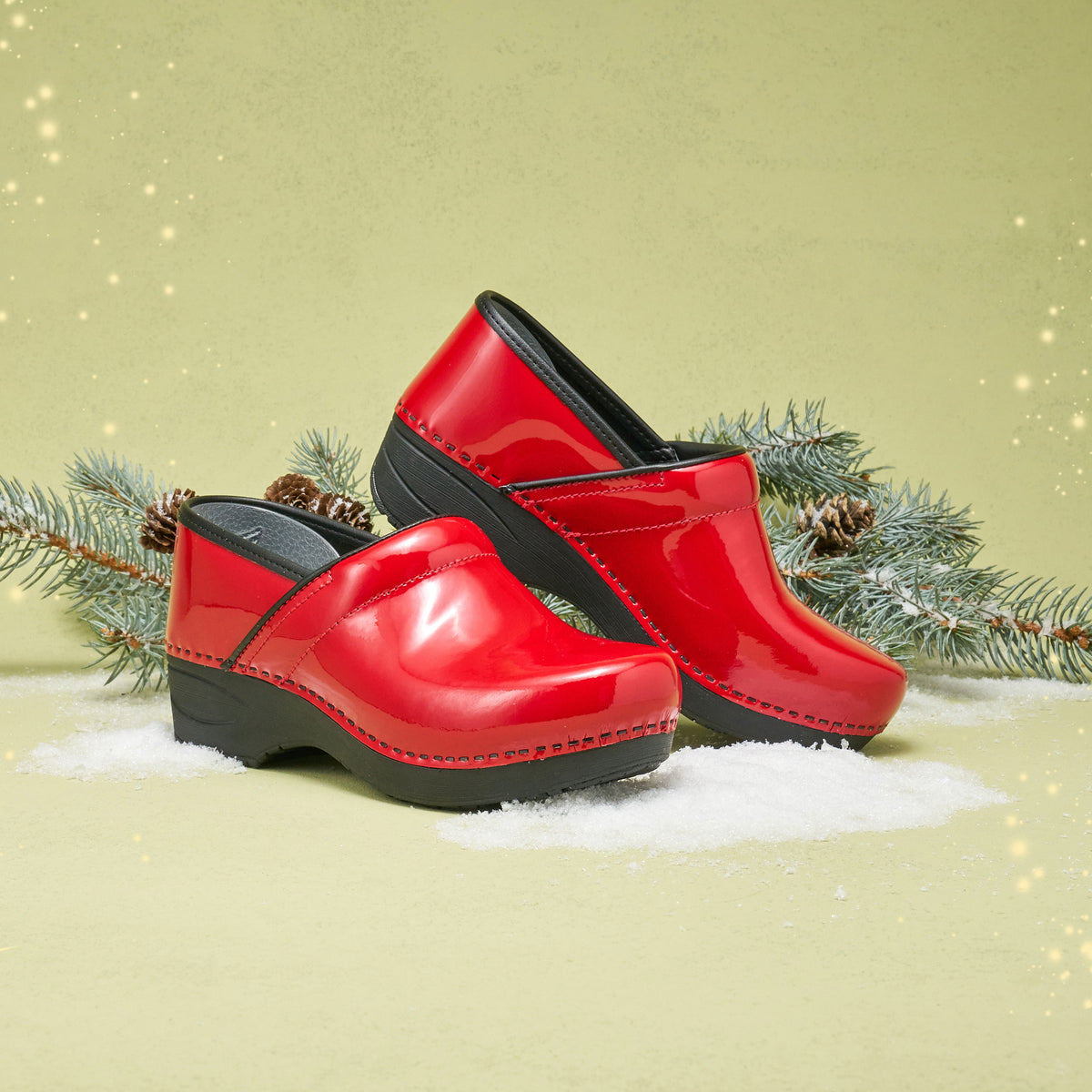
Many people struggle with the initial step of understanding shoe size charts, often assuming they are a universal guide. However, it's important to note that Dansko's size chart, like many others, is specific to their brand and may differ from other shoe brands. This chart serves as a crucial tool to ensure a perfect fit, so let's clarify how to navigate it effectively. Size charts can vary, and Dansko's is no exception, offering a range of measurements and conversions to cater to different needs.
Dansko Shoe Size Chart: A Practical Guide
The Dansko size chart is an essential tool for anyone looking to purchase their perfect pair of Dansko shoes. It provides a clear and concise reference to help you find your ideal size, ensuring a comfortable and well-fitted shoe. This guide will walk you through the chart, its key details, and how to use it effectively.
Key Details and Categories
The Dansko size chart is designed to cater to both men and women, offering a comprehensive range of sizes. It typically displays shoe sizes in US measurements, with a clear indication of the corresponding European sizes for easy conversion. The chart provides length measurements in centimeters and inches, allowing for precise comparisons. Additionally, it may include width categories, such as narrow, medium, and wide, to ensure an accurate fit for different foot shapes.
Understanding and Reading the Chart
Using the Dansko size chart is straightforward. Here's a step-by-step guide:
Measure your foot length: Use a ruler or a measuring tape to determine the length of your foot in centimeters or inches. Ensure you measure from the heel to the longest toe for an accurate reading.
Locate your size: Find your foot length on the chart and identify the corresponding Dansko shoe size. The chart will typically have a clear indication of the size range it covers, making it easy to locate your ideal size.
Consider width: If the chart includes width categories, take note of your foot's width. This step is crucial for a comfortable fit, especially if you have wider or narrower feet.
Convert if needed: If you are more familiar with European sizes, the chart will provide a clear conversion guide, ensuring you choose the correct size.
Variations and Differences
It's important to note that shoe size charts can vary slightly between brands and manufacturers. Dansko size charts are designed to provide a consistent fit, but individual foot shapes and preferences may require some adjustments. Additionally, regional differences in sizing standards can impact the chart's accuracy. Always refer to the specific Dansko size chart for the most accurate information.
Common Mistakes and How to Avoid Them
One common mistake is assuming that all shoe brands have the same sizing standards. While Dansko size charts are reliable, it's essential to double-check the brand's specific size guide. Another pitfall is neglecting to measure both feet, as slight differences can occur. Always measure both feet and choose the size that corresponds to the larger foot.
Tips for a Perfect Fit
To ensure an accurate and comfortable fit, consider these practical tips:
Take your time and measure your feet accurately. A slight miscalculation can lead to an ill-fitting shoe.
If you are between sizes, it's generally recommended to size up for a more comfortable fit, especially if you plan to wear thick socks.
Pay attention to the width category, as a narrow or wide foot may require a specific fit.
Consider the type of shoe and its intended use. Some Dansko styles may have slightly different fits, so choosing the right style for your activities is crucial.
Double-Checking and Edge Cases
While the Dansko size chart is a reliable guide, it's always a good idea to double-check your measurements and the specific shoe style's sizing details. If you have unique foot characteristics, such as a high arch or wide toes, you may need to consult a specialist or try the shoes on in-store to ensure a perfect fit.
The Dansko size chart is a valuable tool, offering a straightforward and accurate way to find your ideal shoe size. By following this guide and considering individual foot characteristics, you can ensure a comfortable and well-fitted Dansko shoe experience.
Well, there you have it! A comprehensive guide to understanding the Dansko size chart and its applications. Remember, when it comes to sizing, it's always a good idea to refer back to your specific needs and preferences. Dansko's size chart provides a great starting point, but exact values can vary, so it's wise to double-check and ensure a perfect fit.
Feel free to explore our other resources and guides; we have a range of practical tips and insights to offer, all designed to make your shopping experience smoother and more informed. Happy browsing!
Related: Need a T-Shirt Size Chart? Find Your Perfect Fit!
You're probably here because you need a quick answer, right? Maybe you're trying on a new T-shirt and it's a bit of a mystery whether it fits or not. Well, fear not! A T-shirt size chart is your handy guide to cracking this code. It's a simple tool that helps you find your perfect fit, and it's especially useful when shopping online or trying out a new brand. These charts can vary slightly, but they usually give you a clear idea of measurements and sizes, often with a T-shirt sizing guide and a clothing size chart to refer to.
Understanding the Chart: A Quick Overview
The t-shirt size chart is your practical guide to finding the perfect fit. It's a reference tool that simplifies the process of choosing the right size, ensuring comfort and style. This chart provides a standardized way to measure and categorize t-shirts, making online shopping or in-store browsing a breeze.
Comparing Standards and Formats
T-shirt size charts can vary depending on the region and manufacturer. The most common standards are the US sizing system and the international metric system. US sizes often use alphabetical letters (e.g., S, M, L) with numerical values for specific measurements. International sizes, on the other hand, typically use numerical values for height and weight ranges. It's essential to know which standard you're dealing with to ensure accurate sizing.
Measuring for Accuracy: A Step-by-Step Guide
To use a t-shirt size chart accurately, follow these simple steps:
- Gather your measuring tools: a flexible tape measure and a notepad.
- Measure your body: Take accurate measurements of your chest, waist, and height. For chest and waist, wrap the tape measure around the fullest part of your body. For height, stand straight and measure from the top of your head to the floor.
- Refer to the chart: Locate your measurements on the chart. Match your chest and waist measurements to the corresponding size categories. If your measurements fall between sizes, consider the fit you prefer: a looser or tighter look.
- Consider fabric and fit: Different fabrics and styles can affect the fit. Stretchier fabrics may require a smaller size, while structured fabrics might need a larger size. Always check the product description for any specific fitting notes.
- Double-check: If you're unsure, try comparing your measurements with a well-fitting t-shirt you already own. Place it flat and measure the width and length to get an idea of the ideal size.
Common Misreadings and How to Avoid Them
Misinterpreting a t-shirt size chart is easy, especially with varying standards. Here's how to avoid common mistakes:
- Don't assume: Always double-check the sizing standard. US and international sizes can differ significantly.
- Consider the fabric: The stretch and drape of the fabric can impact the fit. If the t-shirt is made of a stretchy material, it might fit differently than a structured fabric.
- Know your brand: Some brands have unique sizing systems. Check the brand's size guide or customer reviews for any specific sizing notes.
- Don't rely on vanity sizing: Some brands use vanity sizing, which means their sizes may not align with standard measurements. Always trust the measurements provided rather than the size label.
Key Factors Affecting Accuracy
Several factors can influence the accuracy of your t-shirt size chart readings:
Fabric type: As mentioned, different fabrics have varying levels of stretch and drape, which can affect the fit.
Brand variations: Each brand may have slight variations in their sizing, so always check their specific size guide.
Personal preference: Your desired fit can impact the size you choose. Do you prefer a loose, relaxed fit or a more tailored look?
International differences: Sizing can vary between countries and regions. Always check if the chart follows the US or international standard.
Body shape: Different body types may require adjustments. For example, a muscular build might need a different size than indicated by height and weight alone.
Adapting the Chart for Specific Needs
While t-shirt size charts provide a general guide, you may need to adapt them for specific situations:
- Layering: If you plan to wear the t-shirt as a base layer, consider going for a size up to accommodate additional clothing.
- Style variations: Different t-shirt styles, like slim-fit or oversized, may require adjustments. Check the product description for any fitting recommendations.
- Custom sizing: Some brands offer custom sizing options, allowing you to input your exact measurements for a perfect fit.
- Pregnancy or weight fluctuations: During these periods, your body shape may change, requiring temporary adjustments to your usual size.
Remember, the t-shirt size chart is a helpful tool, but it's not an exact science. Always consider your personal preferences and the specific characteristics of the t-shirt you're buying. With these tips, you'll be a pro at finding the perfect fit!
Hey there! I hope this guide has been helpful in navigating the world of T-shirt size charts. Remember, while the basics remain the same, there can be slight variations in measurements and standards. It's always a good idea to double-check and ensure you're referring to the right chart for your needs.
Feel free to bookmark this page for future reference, and don't hesitate to explore other guides on related topics. We've got you covered!
Related: Find Your Perfect Fit: Wetsuit Size Chart
You're here, searching for a wetsuit size chart, probably with a wetsuit in hand, ready to take on the waves. And let's face it, getting the size right is crucial; no one wants a wetsuit that's too tight or too loose, right? The wetsuit size chart is your go-to guide, a simple yet effective tool to ensure a perfect fit. It's all about finding the right measurements, from chest to waist, and even considering the neoprene thickness. So, let's get you suited up and ready for some serious surfing!
Understanding the Wetsuit Size Chart
The wetsuit size chart is your go-to guide for finding the perfect fit. It's a simple tool that ensures you get a wetsuit that's comfortable and functional, allowing you to enjoy your water activities without any discomfort or restrictions. This chart provides a quick and easy reference for sizing, but it's important to understand how to use it accurately.
Comparing Sizing Standards and Formats
Wetsuit size charts can vary slightly depending on the manufacturer and the intended use of the wetsuit. While there are some standard sizing guidelines, it's essential to check the specific chart for the brand and type of wetsuit you're interested in. These charts often cover different wetsuit styles, including full-body suits, shorties, and wetsuit tops or bottoms. The sizing may also differ for men's and women's suits, so be sure to refer to the correct chart.
Step-by-Step Guide to Using the Size Chart
Using the wetsuit size chart is straightforward, but it's crucial to follow these steps to ensure an accurate fit:
Measure yourself: Take accurate measurements of your chest, waist, hips, and inseam length. These measurements are critical for finding the right size. Make sure you follow the instructions provided on the chart for measuring these areas.
Choose the right size: Compare your measurements to the size chart. Look for the size that aligns with your largest measurement. For example, if your chest measurement is larger than your waist and hips, choose the size based on your chest. This ensures a comfortable fit without restricting your movement.
Consider neoprene thickness: The thickness of the neoprene material can affect the fit. Thicker wetsuits may feel tighter, so you might need to size up if you prefer a looser fit. Keep this in mind, especially if you plan to use the wetsuit in warmer waters.
Check sleeve and leg lengths: Some charts provide additional measurements for sleeve and leg lengths. Ensure these measurements align with your preferences to avoid any discomfort or awkwardness while wearing the wetsuit.
Common Misreadings and How to Avoid Them
It's easy to make a mistake when using a wetsuit size chart, especially if you're not familiar with the process. Here are some common pitfalls to watch out for:
Overlooking the size guide: Always refer to the specific size guide for the wetsuit you're interested in. Different brands may have slight variations in their sizing, so relying on a generic chart can lead to an incorrect fit.
Measuring incorrectly: Take your time and follow the instructions carefully when measuring yourself. Inaccurate measurements can result in a poor fit. Ensure you understand how to measure each area properly.
Ignoring personal preferences: The size chart provides a starting point, but it's essential to consider your comfort and activity level. If you prefer a tighter fit for better performance, you might need to size down. Conversely, if you want a more relaxed fit, sizing up might be the better option.
Factors Affecting Accuracy and Real-World Use
Several factors can impact the accuracy of the wetsuit size chart and its real-world application:
Body shape: The chart provides a general guide, but body shape can vary significantly. If you have a unique body shape, you might need to adjust the sizing accordingly. For example, if you have broad shoulders and a narrow waist, you may need to size up to accommodate your upper body.
Brand variations: Different wetsuit brands may have slightly different sizing standards. Always check the brand's specific size chart and consider their sizing philosophy. Some brands might run smaller or larger than others, so be mindful of this when choosing a size.
Activity and water temperature: The type of activity and water temperature can influence the fit you need. For instance, if you're a competitive swimmer, you might prefer a tighter fit for better performance. On the other hand, if you're surfing in cold water, a slightly looser fit might be more comfortable.
Remember, while the wetsuit size chart is a valuable tool, it's just a guide. Always consider your personal preferences and the intended use of the wetsuit to ensure you get the perfect fit for your needs.
So, there you have it! A wetsuit size chart is a handy tool to ensure you get the right fit for your aquatic adventures. It's a simple guide, but one that can make a big difference to your comfort and performance.
Remember, while this chart provides a solid framework, it's always wise to consider your personal preferences and the specific activities you'll be doing. Exact values might vary slightly, so it's good to double-check and ensure you're happy with the fit. Consider bookmarking this page for future reference; it'll be there waiting for you when you need it next!