








Foster Parent Billing Invoice Kentucky Overview
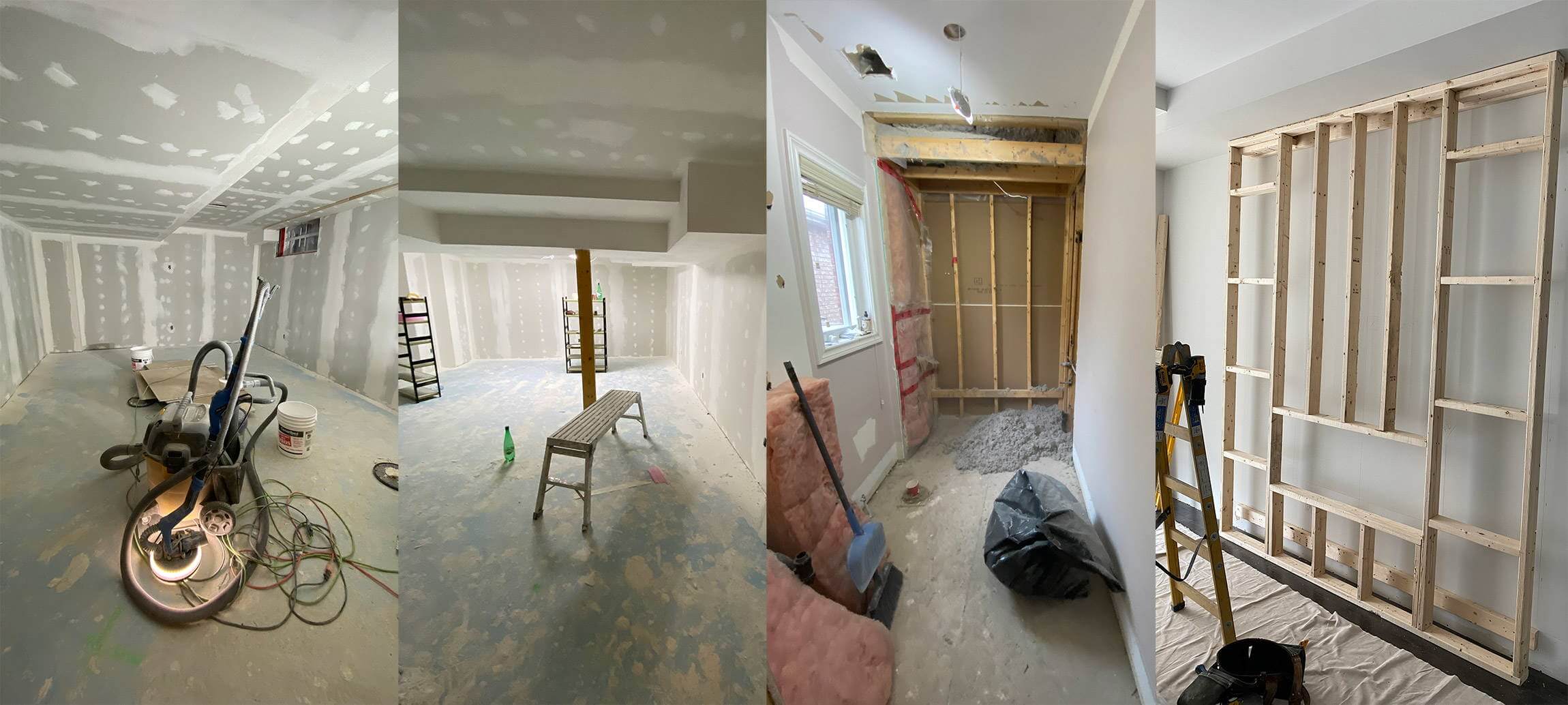
Home renovation services can be a daunting prospect for many homeowners, but it's a necessary step for those wanting to upgrade their living space. Whether it's a bathroom remodel or an entire house addition, these services offer a way to transform your home into your dream space. So, let's break down what home renovation services entail and how to navigate this process effectively.
Understanding the Basics
Home renovation services cover a wide range of construction and remodeling projects. From simple installations like new kitchen cabinets to complex structural changes, these services cater to various needs. It's important to know that the cost of renovations can vary greatly depending on the scope of work. Factors like the size of the project, the materials used, and the labor required all influence the final price. When comparing quotes, ensure you're getting an accurate assessment of the work needed and the associated costs.
Hiring the Right Team
Finding the right contractor or company is crucial for a successful renovation. Research and recommendations are key here. Check online reviews, ask for references from past clients, and ensure the company is licensed and insured. When requesting quotes, be specific about your project and ask detailed questions about their process, timeline, and any potential challenges. A good quote should provide a clear breakdown of costs and a realistic timeline.
Company Names and Branding
For those in the construction business, choosing a name is an important step. A good name should be memorable, reflect the nature of your work, and be unique. It's a balance between creativity and practicality. Some example names could be:
- Build & Bloom
- Home Revampers
- Crafted Spaces
- Renovo
- Constructive Solutions
- Creative Renovations
Remember to check the availability of these names and secure the relevant domains and local registrations.
Jobs and Opportunities
The home renovation services industry offers a range of job roles, from general contractors to specialized estimators. These roles often involve managing projects, coordinating with clients, and ensuring the smooth execution of renovations. Many construction jobs are advertised through online job boards and local classifieds. It's a competitive field, so highlighting your skills and experience is key when applying.
Industry Tools and Data
Tools like RSMeans provide valuable data for the construction industry. These databases offer cost information, helping contractors and businesses estimate project expenses accurately. They also provide insights into labor and material costs, which can be useful for budgeting and planning.
Large vs. Small Firms
The home renovation services industry caters to various scales of operations. Large firms often have the resources to take on extensive projects and may offer a wider range of services. They might have specialized teams for different aspects of construction. On the other hand, smaller firms can provide a more personalized approach, often with a focus on local projects.
Final Thoughts
Home renovation services can be a rewarding investment, but it's important to do your research and plan effectively. From choosing the right team to understanding the costs, each step is crucial. Remember, a well-planned renovation can transform your home and enhance your living experience. So, take the time to explore your options and create a space you'll love coming home to.
Related: Cox and Charter: A Simple Reference Guide
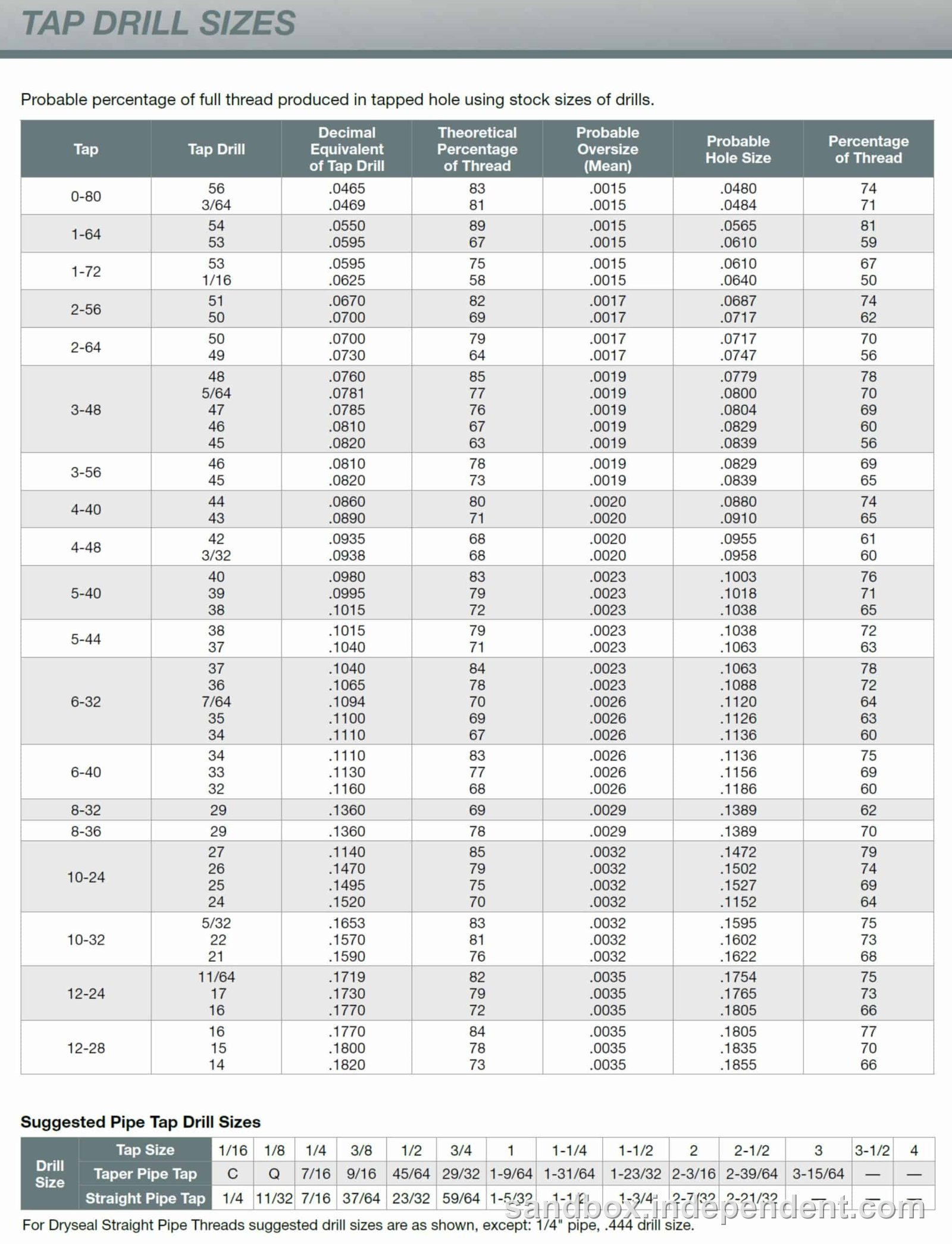
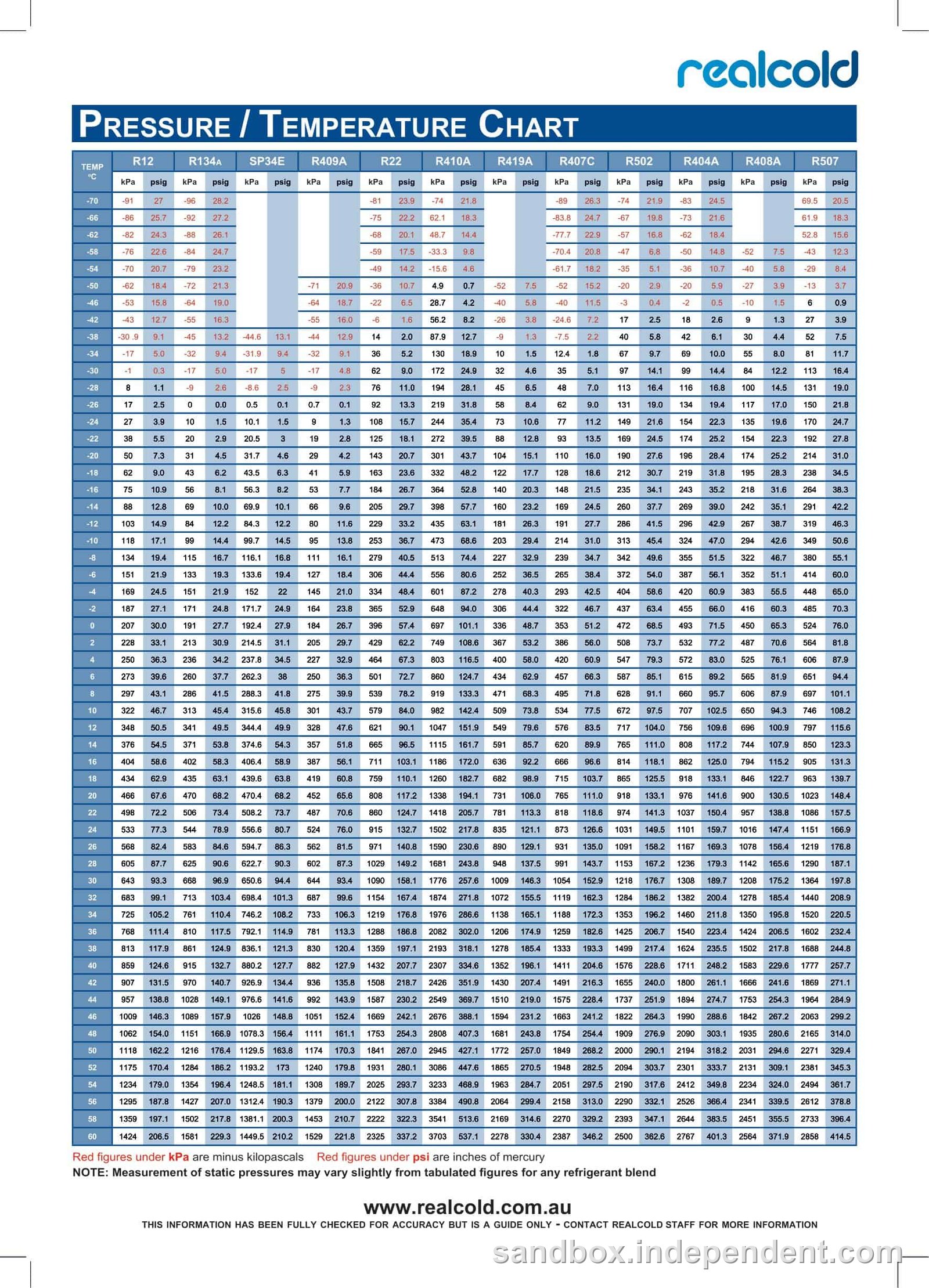
Many people often mistake cox and charter for being interchangeable terms, but they are, in fact, distinct concepts with specific applications. Cox and charter, a reference table, offers a clear and organized way to understand and utilize a set of standards and measurements. It provides a visual guide, ensuring accuracy and consistency, which is crucial for various practical purposes.
Understanding the Cox and Charter Chart
The cox and charter chart is a valuable reference tool, providing a visual representation of standard measurements and categories. It offers a quick and easy way to compare and understand various specifications, making it an essential guide for professionals and enthusiasts alike. This chart is particularly useful when dealing with complex systems or processes that involve multiple variables.
Comparing Options: Cox vs. Charter
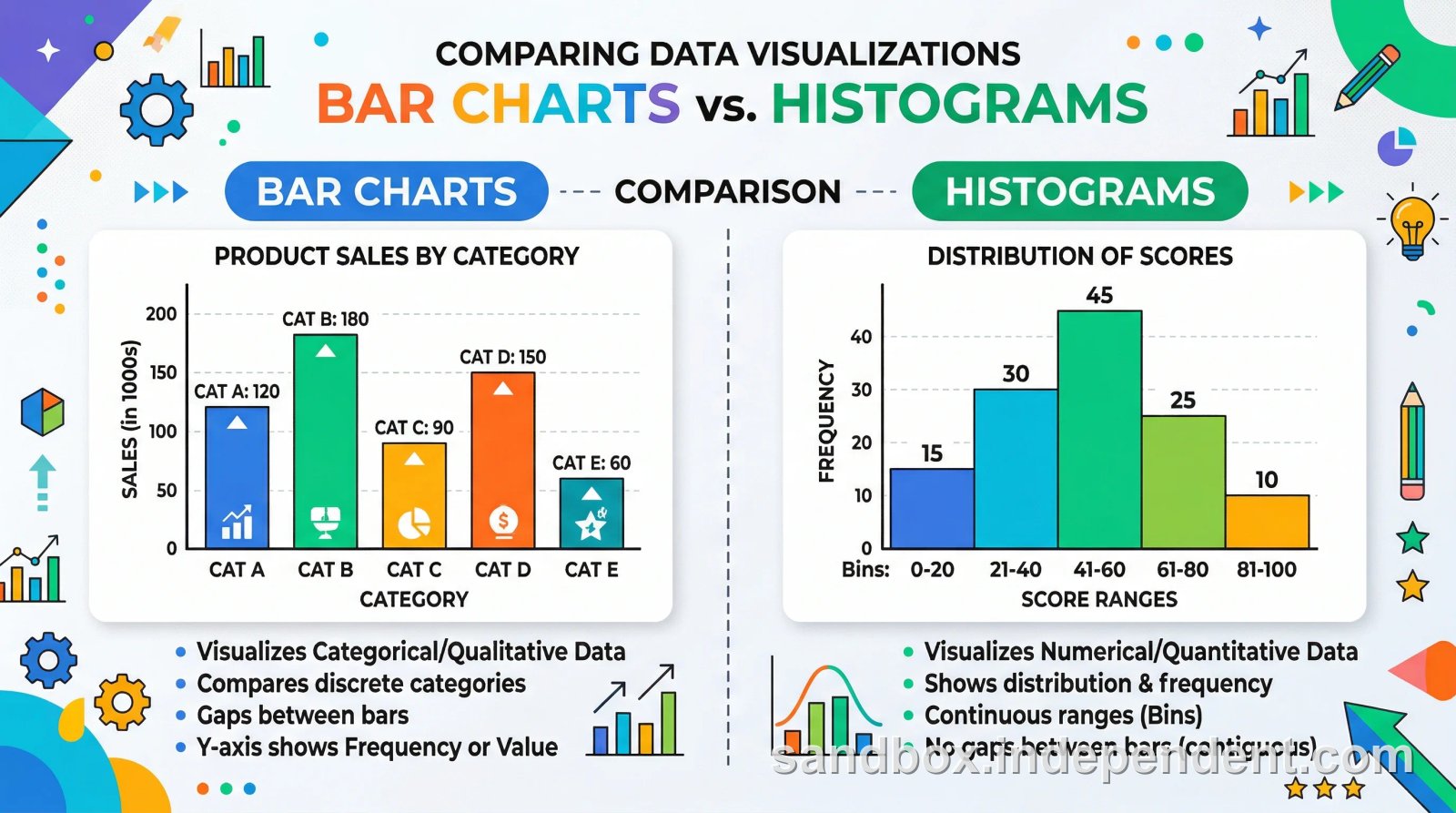
The cox and charter chart presents two primary categories: Cox and Charter. Each category has its own set of measurements and specifications, allowing for a clear comparison. The Cox category often represents a more traditional or established standard, while Charter offers an alternative, sometimes with modern adaptations. The chart provides a side-by-side view, making it simple to identify the differences and choose the most suitable option for a given application.
Step-by-Step Guide to Using the Chart
- Identify the Category: Begin by determining whether your specific application falls under the Cox or Charter category. This initial step is crucial as it sets the foundation for accurate interpretation.
- Locate the Relevant Measurements: Once you've identified the category, locate the corresponding measurements or specifications on the chart. These measurements are typically presented in a clear, tabular format, making it easy to find the values you need.
- Interpret the Data: The chart provides a range of values for each measurement. Understand the context and purpose of your application to interpret these values accurately. Consider any specific requirements or tolerances that may apply to your project.
- Apply the Information: With the relevant measurements in hand, you can now apply this knowledge to your project. Whether it's selecting the right components, calculating dimensions, or making informed decisions, the cox and charter chart ensures you have the necessary data to proceed with confidence.
Common Misreadings and How to Avoid Them
While the cox and charter chart is designed for simplicity, misreadings can occur. One common mistake is failing to consider the specific standard being used. Remember, measurements and categories may vary depending on the standard, so always double-check the applicable standard for your project. Another pitfall is assuming the chart covers every possible scenario. While it provides a comprehensive overview, there may be exceptions or unique cases that require additional research or consultation with experts.
Factors Affecting Accuracy and Real-World Use
The accuracy of the cox and charter chart relies on several key factors. Firstly, the chart's effectiveness depends on staying up-to-date with the latest standards and specifications. Regular updates ensure the chart remains relevant and accurate. Secondly, the chart's applicability varies across industries and regions. What may be standard in one field might differ in another, so understanding the specific context is essential. Lastly, while the chart provides a valuable reference, it is always beneficial to cross-reference with other resources or seek expert advice for complex or critical applications.
Remember, while this guide provides a solid framework, the specifics may shift based on your unique context. Every situation is different, so adapt these principles to fit your needs.
Feel free to explore our other guides, where you'll find a wealth of practical information and tips to enhance your understanding and skills. We've got you covered, whether you're seeking more comparisons, step-by-step guides, or insights into potential pitfalls. Happy learning!
Related: Understand Egg Candling Charts
An egg candling chart is a simple yet effective tool for anyone interested in egg incubation and hatching. It's a visual guide that simplifies the process of understanding egg development.
This guide will walk you through the basics, covering the key stages and what to expect. You'll learn how to read and interpret the egg candling chart, which can vary slightly depending on the source, so we'll explore the common elements and their meanings. From embryo development to candling egg stages, it's all about demystifying this fascinating process.
Understanding the Egg Candling Chart: A Practical Guide
The egg candling chart is your handy reference tool for assessing egg quality and development. It's a visual guide, often in table format, that helps you evaluate eggs during the candling process. This chart is a valuable resource for anyone involved in egg incubation, whether you're a hobbyist or a professional.
Interpreting Results: Comparing Candling Chart Standards
Egg candling charts can vary based on the standards and units used. Some charts provide measurements in inches, while others use centimeters. It's crucial to ensure you're using the right chart for your region and specific needs. For instance, a chart designed for metric measurements might not align with US standard units.
The chart typically presents a range of values, indicating the expected size or appearance of an egg at different stages of development. These values can refer to the size of the air cell, the embryo's progress, or other indicators of egg quality. By comparing these values to your egg, you can gain insights into its health and potential.
Step-by-Step Guide to Using the Candling Chart
Using the egg candling chart is straightforward. Here's a simple process:
- Ensure you have the right chart for your region and the type of eggs you're assessing.
- Gather your egg candling equipment, including a reliable light source and a dark room for optimal visibility.
- Carefully candle your egg by holding it up to the light.
- Compare the appearance of the egg to the values and categories on your chart.
- Interpret the results: a healthy, developing egg will show specific indicators, such as a growing embryo or a decreasing air cell.
- Repeat the process at regular intervals to track the egg's progress.
Avoiding Common Misreadings and Pitfalls
Misinterpreting the egg candling chart is common, especially for beginners. Here are some tips to avoid mistakes:
- Ensure your light source is bright and focused. A weak light might lead to inaccurate readings.
- Be cautious of eggs with unusual shapes or sizes. These can distort the results and require a more experienced eye.
- Don't rush the process. Take your time to observe and compare, especially if you're new to candling.
- Double-check your chart's units and standards. Using the wrong chart can lead to misinterpretation.
Key Factors Affecting Accuracy
Several factors can influence the accuracy of your egg candling readings:
Egg size and breed: Different breeds and sizes of eggs may have varying norms.
Incubation conditions: Temperature and humidity can impact embryo development.
Candling equipment: Ensure your light source is consistent and powerful enough.
Experience: The more you candle, the better your eye for interpreting results.
Egg quality: Always start with high-quality, fertile eggs for accurate readings.
Egg age: Older eggs might not develop as expected, affecting the results.
Adapting the Chart for Specific Needs
While standard egg candling charts cover most scenarios, you might need to adapt them for specific situations. Here are some considerations:
- If you're incubating exotic bird eggs, you might need a specialized chart with different development norms.
- For eggs with known issues or abnormalities, a standard chart might not apply. In such cases, consult an expert or a more detailed reference guide.
- If you're a professional breeder, you might prefer a more detailed chart with precise measurements and additional indicators.
Remember, the egg candling chart is a valuable tool, but it's just one part of the incubation process. Combine it with your knowledge and experience for the best results.
Hey there, I hope this egg candling chart guide has been helpful! It's a handy tool to have, and while the basics remain the same, you might find some variations in practice.
Every situation is unique, so it's always a good idea to be aware of the different factors that can influence your candling experience. Remember, this is a reference guide, and you can adapt it to your specific needs.
Feel free to bookmark this page for future reference. It's always good to have these practical tools at your fingertips!