







Four Leaf Clover Color Sheet Overview
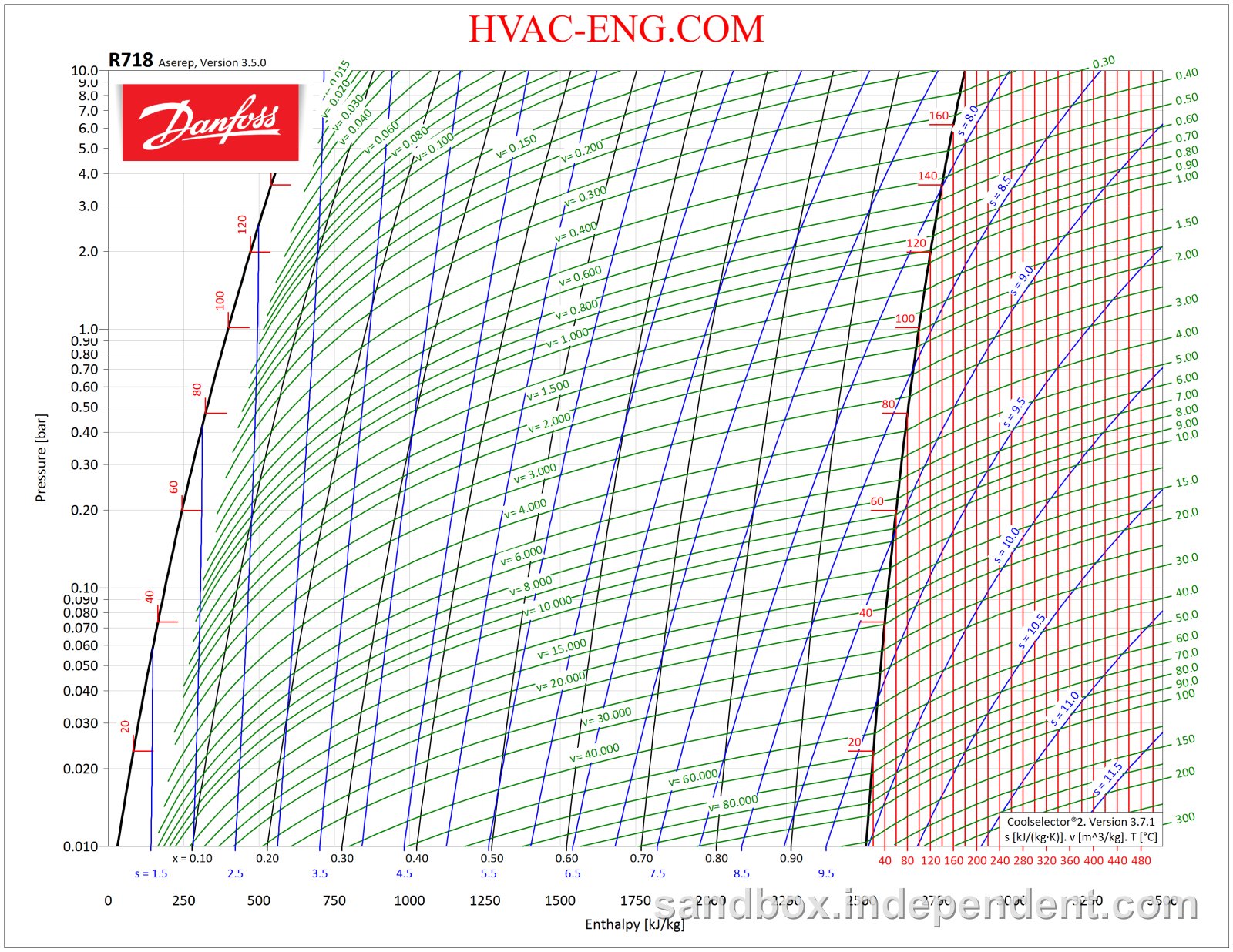
The R22 PT chart is a handy tool for anyone working with refrigeration or air conditioning systems. It's a simple yet powerful visual guide, providing essential information at a glance. This guide will walk you through the basics, ensuring you can read and interpret the chart like a pro. From understanding the pressure-temperature relationship to grasping the concepts of superheat and subcooling, we'll cover it all.
Understanding the R22 PT Chart: A Quick Overview
The R22 PT chart, or the R22 pressure-temperature chart, is a valuable tool for anyone working with refrigeration or air conditioning systems. It provides a visual representation of the relationship between pressure and temperature for R22 refrigerant, a commonly used coolant. This chart is your guide to understanding how these two critical factors interact and how to interpret them accurately.
Comparing R22 PT Chart Standards and Variations
It's important to note that R22 PT charts can vary slightly depending on the standard or region. Some charts may use different pressure units, like psi (pounds per square inch) or bar, while others might display temperature in Fahrenheit or Celsius. However, the core information remains the same: the relationship between pressure and temperature for R22 refrigerant. Always ensure you are using the correct chart for your specific application and region.
Step-by-Step Guide to Reading the R22 PT Chart
- Identify the Pressure Unit: The chart will typically display pressure in either psi or bar. Ensure you are familiar with the unit used on your chart.
- Locate the Temperature Axis: The temperature range is usually displayed on the y-axis, with the scale in either Fahrenheit or Celsius.
- Find the Intersection: For a given pressure and temperature, find the point where the corresponding lines intersect. This intersection represents the state of the refrigerant.
- Interpret the State: The point of intersection provides valuable information. It indicates whether the refrigerant is in a saturated vapor, saturated liquid, or superheated/subcooled state.
- Use the Information: This data is crucial for various applications, such as charging or troubleshooting refrigeration systems. It helps ensure the system is operating efficiently and safely.
Common Mistakes and How to Avoid Them
- Using the Wrong Chart: Always double-check you are using the correct R22 PT chart for your specific refrigerant and region. Using the wrong chart can lead to inaccurate readings and potentially dangerous situations.
- Misinterpreting the State: The chart provides a visual representation, but it's essential to understand the state of the refrigerant accurately. Misinterpreting this can result in incorrect system adjustments.
- Ignoring Tolerances: R22 PT charts provide general guidelines. Always refer to the specific tolerances and specifications for your system to ensure accurate and safe operation.
Getting the Most Accurate Results
- Regular Calibration: Ensure your pressure gauges and temperature sensors are calibrated regularly to maintain accuracy.
- Use Reliable Sources: Obtain your R22 PT charts from reputable sources to ensure the data is up-to-date and accurate.
- Stay Informed: Keep yourself updated on any changes or updates to the standards and regulations regarding refrigerant charts. This ensures you are always working with the most current and reliable information.
By following these guidelines and understanding the R22 PT chart, you can effectively interpret and utilize this valuable tool in your refrigeration or air conditioning work. Remember, accurate readings and interpretations are crucial for efficient and safe system operation.
Well, there you have it, a handy guide to your R22 PT chart needs. We've covered the basics, compared some options, and given you a simple process to follow. Remember, it's always a good idea to double-check your specific requirements and context, as exact values may differ slightly between standards and sources.
Consider bookmarking this page for future reference; it's a quick and easy way to ensure you have the right info at your fingertips when you need it. Happy charting!
Related: Construction Innovation News Essential Guide
"Construction innovation news" is something that's always on my radar as a homeowner. I mean, who doesn't want to keep up with the latest trends and advancements in the building world? It's not just about keeping an eye on the cool new tools and techniques; it's also about making sure your home stays modern, efficient, and, most importantly, safe.
Unveiling the Buzz: What's All the Fuss About?
Construction innovation news covers a whole lot more than just shiny new gadgets. It's about the methods and materials that are shaping the industry and, by extension, our homes and communities. Think 3D-printed houses, sustainable building practices, and even construction robots! These innovations can impact everything from the cost and speed of your next project to the environmental footprint of your home.
Costs and Comparisons: A Balancing Act
When it comes to costs, construction innovation news can be a double-edged sword. While new technologies and methods can often streamline processes and reduce labor costs, they can also introduce new materials or techniques that are pricier. So, when you're comparing quotes, it's not just about the bottom line. You want to understand what's included, what materials are being used, and how those choices might impact your project's timeline and overall success.
Hiring Help: What to Look For
If you're considering hiring a contractor or company for your next project, construction innovation news can be a great resource. It can help you understand the latest trends and best practices, which can be useful when evaluating potential hires. Look for companies that are keeping up with the times, whether that's through the equipment they use or the techniques they employ. Ask about their experience with new methods and materials, and don't be afraid to request references or examples of their work.
Company Names: Making an Impact
For those in the business, construction innovation news might also mean rebranding or starting anew. A catchy, memorable name can be a powerful tool for any construction company. It should be unique, easy to remember, and ideally, it should give a hint about what the company does. Some ideas could be "Build-It-Right," "Future Homes," or "Eco-Construct." But remember, before you settle on a name, check its availability for domains and local registration to avoid any legal headaches down the line.
Industry Insights: A Bird's-Eye View
The construction industry is a beast, and construction innovation news can give us a glimpse into its inner workings. From cost databases and escalation indexes to the latest tools for estimating and planning, these innovations help keep the industry moving forward. They provide a framework for professionals to stay organized, accurate, and efficient, which ultimately benefits us as consumers.
Jobs and Opportunities: Where to Look
For those seeking construction jobs, construction innovation news can be a great way to stay informed about industry trends and potential opportunities. While specific openings and salaries can vary widely, keeping up with the latest innovations can give you an edge in a competitive job market. Whether you're an estimator, project manager, or skilled laborer, understanding the latest tools and techniques can make you a more attractive candidate.
Final Thoughts: Stay Informed, Stay Inspired
Construction innovation news is an exciting, ever-evolving field. Whether you're a homeowner, a business owner, or a job seeker, staying informed about the latest trends and advancements can give you a real edge. So, keep an eye out, ask questions, and don't be afraid to explore new ideas. After all, innovation is what keeps our homes, businesses, and communities moving forward.
Related: Yarn Weight Chart: A Quick Reference Guide
You're likely here because you need a reliable guide to understand and utilize a yarn weight chart effectively. These charts are essential tools for any yarn enthusiast, offering a quick reference to navigate the world of yarn weights and their various applications. Whether you're a seasoned crafter or just starting, having a clear understanding of yarn weights is key to achieving your desired results.
Understanding Yarn Weights: A Practical Guide
The yarn weight chart is a valuable tool for knitters, crocheters, and yarn enthusiasts. It provides a standardized way to categorize and understand the thickness or weight of different yarns, allowing crafters to choose the right yarn for their projects with ease. This guide will help you navigate the chart and make informed decisions.
Key Details and Categories
The yarn weight chart typically uses a numerical system to categorize yarns, with lower numbers indicating finer yarns and higher numbers representing thicker ones. This system is widely adopted and followed by yarn manufacturers and crafters. The chart often includes categories such as lace, fingering, sport, DK (double knitting), worsted, aran, bulky, and super bulky. Each category has a specific range of thickness and is denoted by a corresponding number.
Reading the Chart: A Step-by-Step Guide
To read the yarn weight chart, follow these steps:
Identify the category: Look for the category that best describes the yarn you are working with. Common categories include lace, fingering, and worsted weight.
Check the numerical range: Each category has a numerical range associated with it. For example, lace weight yarn typically falls within the range of 0-1, while worsted weight yarn is usually categorized as 4-5.
Compare and select: Compare the thickness of your yarn to the ranges provided. If your yarn's thickness falls within the range of a specific category, it belongs to that category.
Variations and Differences
It's important to note that while the yarn weight chart provides a standardized system, variations can occur due to different standards and regional practices. For instance, the US and UK have slightly different interpretations of some categories. Additionally, yarn manufacturers may use their own unique labeling systems, which can deviate from the standard chart.
- Key factors that can cause variations include:
- Regional differences in standards
- Manufacturer-specific labeling
- Yarn composition and fiber type
- Intended use and project requirements
Common Mistakes and How to Avoid Them
To ensure accurate yarn selection, be mindful of these common mistakes:
Relying solely on the yarn label: While yarn labels provide valuable information, they may not always align perfectly with the yarn weight chart. Always double-check the thickness by comparing it to the chart's ranges.
Ignoring fiber content: Different fibers have unique characteristics, and their weight can vary. Consider the fiber content when selecting yarn, as it may affect the overall weight and behavior of the yarn.
Neglecting project requirements: Different projects have specific yarn weight recommendations. Ensure you choose a yarn that aligns with the pattern's recommendations to achieve the desired outcome.
By understanding the yarn weight chart, its categories, and potential variations, you can confidently select the right yarn for your projects. This guide provides a practical framework to navigate the world of yarn weights and ensure successful crafting experiences.
Remember that while this guide provides a solid foundation, exact details can vary slightly depending on the standard or the specific yarn you're working with. It's always a good idea to double-check the weight and gauge with your chosen yarn's label to ensure accuracy.
Feel free to bookmark this page for future reference; it's a handy tool to have at your fingertips when you need a quick yarn weight reminder. And don't forget to explore our other practical guides for more crafting tips and tricks!