


Francine Smith R34 Overview
A guitar scale chart can be a guitarist's best friend, but it's often misunderstood as a complex and daunting tool. Rest assured, it's a simple and powerful reference, offering a clear visual guide to navigating the fretboard. This chart, with its various representations, is an essential companion for any guitarist, providing an organized layout of scale patterns, fretboard diagrams, and scale degree names.
Understanding the Guitar Scale Chart
A guitar scale chart is an essential tool for any guitarist, providing a visual representation of the fretboard and the various scales you can play. It serves as a quick reference guide, offering a bird's-eye view of the guitar neck and its scales. This chart is your roadmap, helping you navigate the guitar's vast landscape of sounds and tones.
Comparing Scale Chart Formats
There are several formats for guitar scale charts, each with its own advantages and use cases. The most common format is the standard fretboard diagram, which displays the guitar neck horizontally, with frets running vertically and strings represented as parallel lines. This format is intuitive and easy to follow, especially for beginners. Another popular format is the scale degree chart, which focuses on the theoretical aspect, showing the scale degrees and their corresponding notes. This chart is ideal for those delving deeper into music theory.
Step-by-Step Guide: Using the Scale Chart
To make the most of your guitar scale chart, follow these steps:
Identify the scale you want to play. The chart will typically feature common scales like major, minor, and pentatonic scales, each with its own section.
Locate the starting point on the fretboard. The chart will indicate the root note of the scale, often highlighted or marked with a symbol.
Follow the pattern: Each scale has a unique pattern of whole and half steps. The chart will show these intervals, guiding you to the correct notes.
Practice: Use the chart as a reference while playing. With time, you'll memorize the patterns, making it easier to play scales without constant reference.
Common Misreadings and How to Avoid Them
It's easy to misinterpret a guitar scale chart, especially for beginners. Here are some common pitfalls:
Confusing scale degrees with fret numbers. Remember, scale degrees (e.g., 1, 2, 3) represent the position of a note within the scale, not the fret number.
Assuming all scales follow the same pattern. While many scales share similar characteristics, each has its unique intervals and patterns. Always refer to the specific scale you're playing.
Neglecting open strings. Some scales utilize open strings, so ensure you include these when playing.
Factors Affecting Accuracy and Real-World Use
The accuracy of your guitar scale chart depends on several factors:
Guitar type: Different guitar types (e.g., electric, acoustic, classical) may have slight variations in scale length, affecting the positioning of notes. Always check the specific scale length for your guitar.
Tuning: Ensure your guitar is tuned correctly. Even a slight detuning can throw off the scale positions.
String gauge: Thicker strings may require slight adjustments to finger placement, especially for bends and vibratos.
Choosing the Right Format for Your Needs
When selecting a guitar scale chart, consider your skill level and specific needs:
Beginners may benefit from a simple fretboard diagram with clear, color-coded scales.
Intermediate players might prefer a scale degree chart to explore music theory in more depth.
Advanced guitarists may opt for comprehensive charts covering multiple scales and modes, offering a wide range of options for improvisation and composition.
While this guide aims to provide a comprehensive overview, it's important to remember that the specifics can indeed vary. Different sources may offer slight variations in scale patterns or fingerings, so it's always a good idea to cross-reference and find the one that resonates with your playing style.
Feel free to explore other guides and resources to expand your knowledge. And when you need a quick reminder, don't forget to bookmark this page for future reference! It's a handy tool to have at your fingertips.
Related: How to Read the Gallon Man Chart
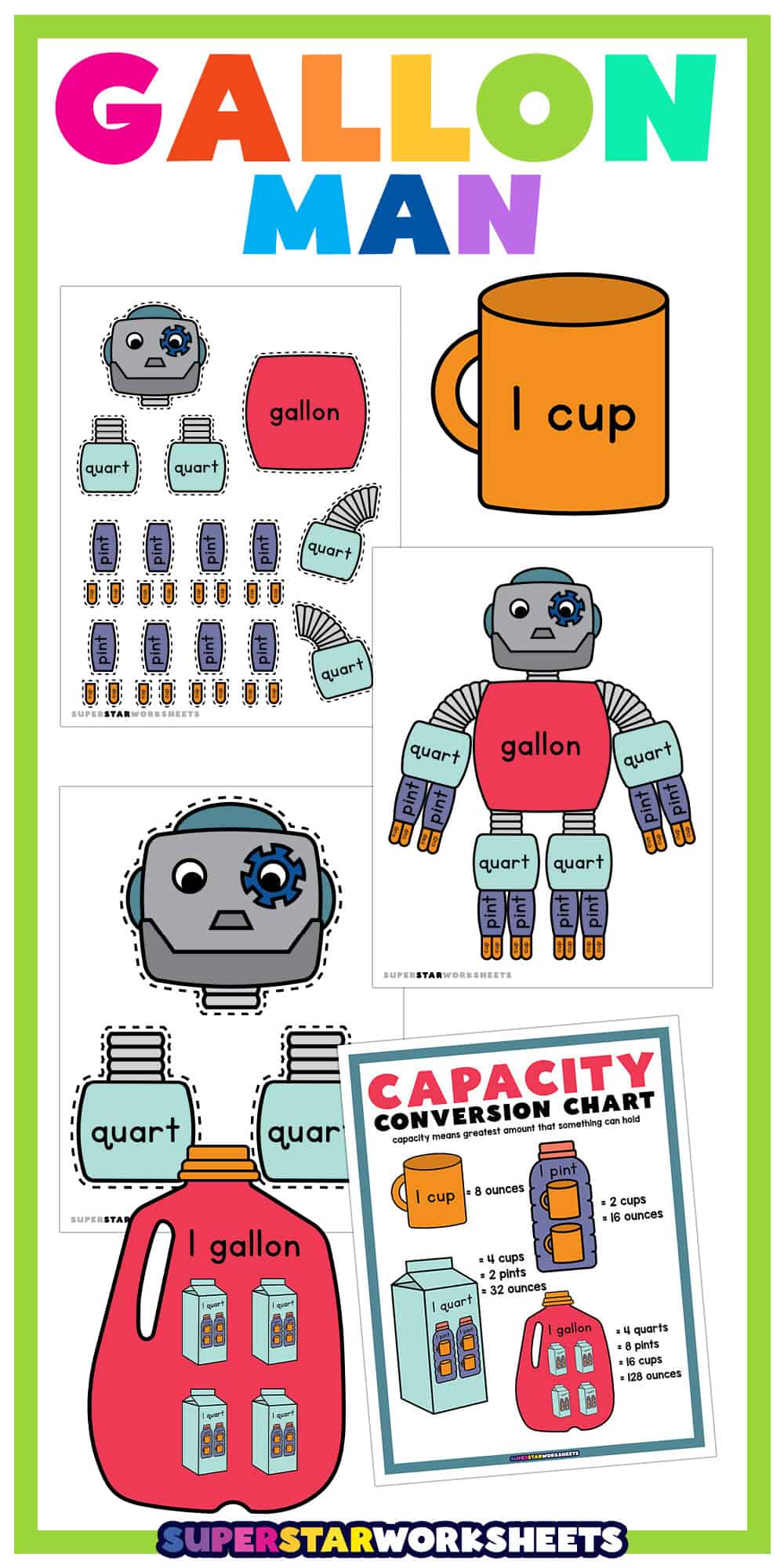
Hey there! Let's talk about the gallon man chart, a clever visual tool that simplifies liquid measurements. This guide will give you a quick rundown on how to use this chart like a pro.
The gallon man chart is a handy reference, often used in cooking and baking, to convert and understand different liquid measurements. It's a simple diagram, but it can vary slightly depending on your region and the standards you follow. So, let's explore how to read and apply it accurately!
Understanding Gallon Man: A Visual Guide
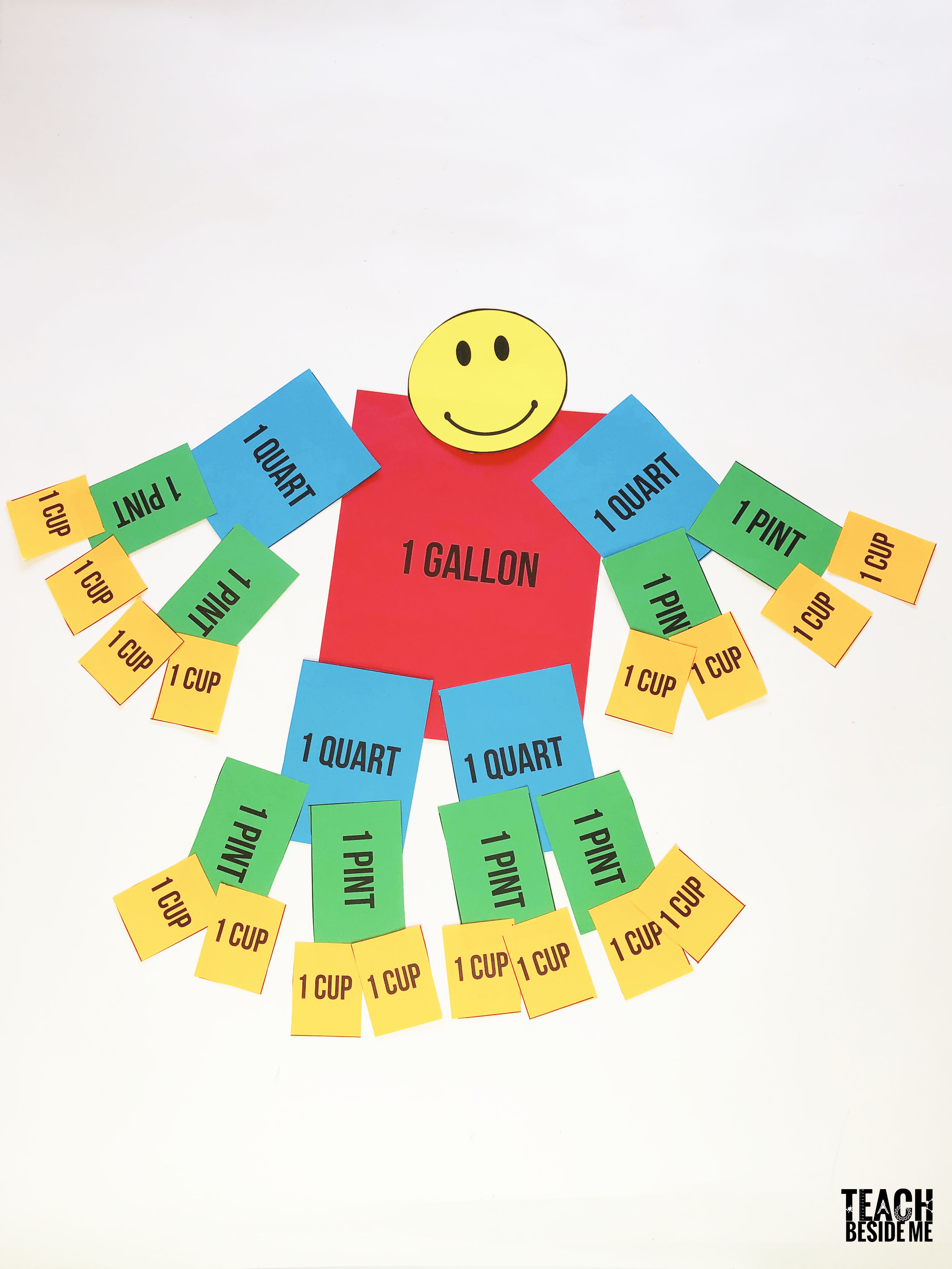
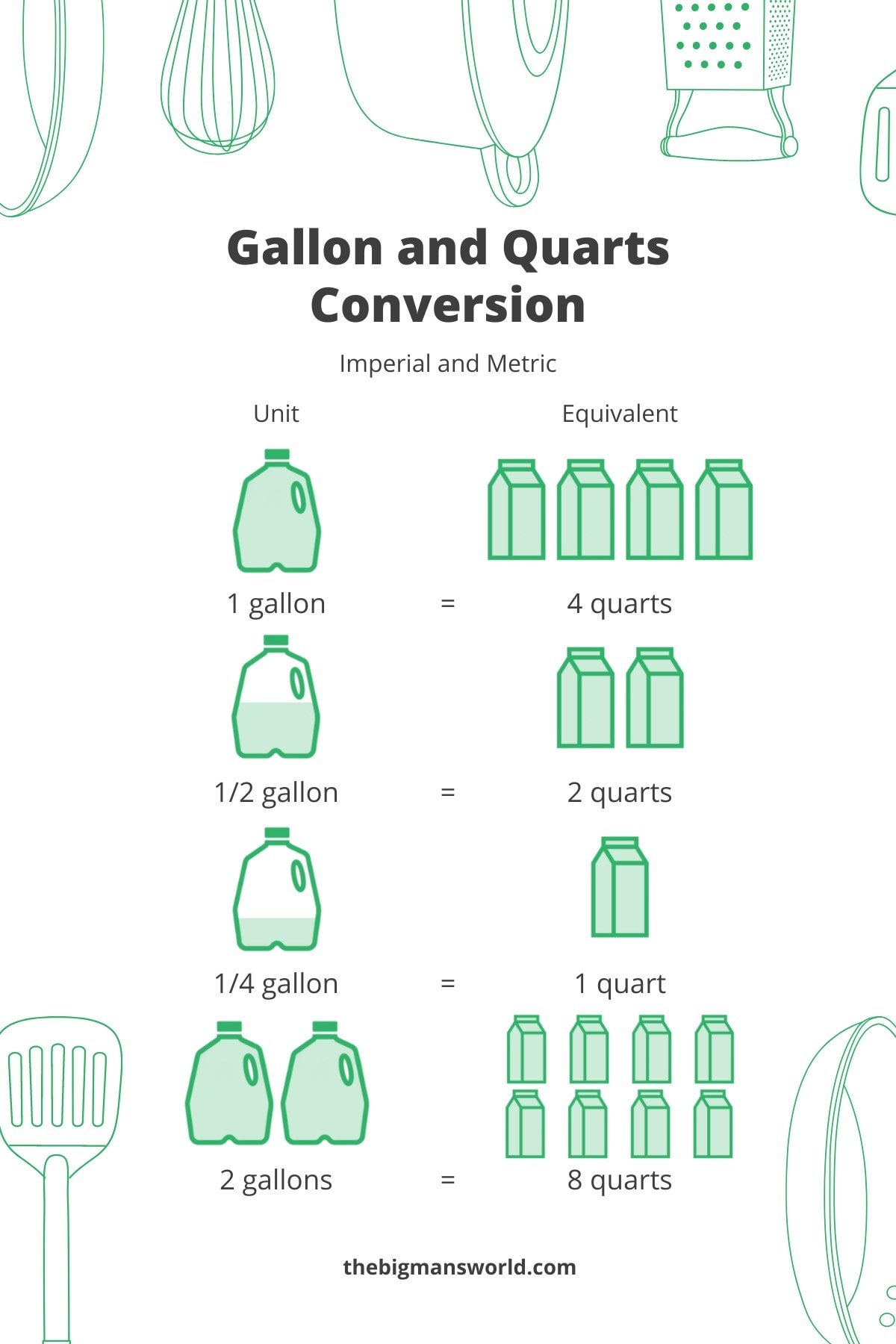
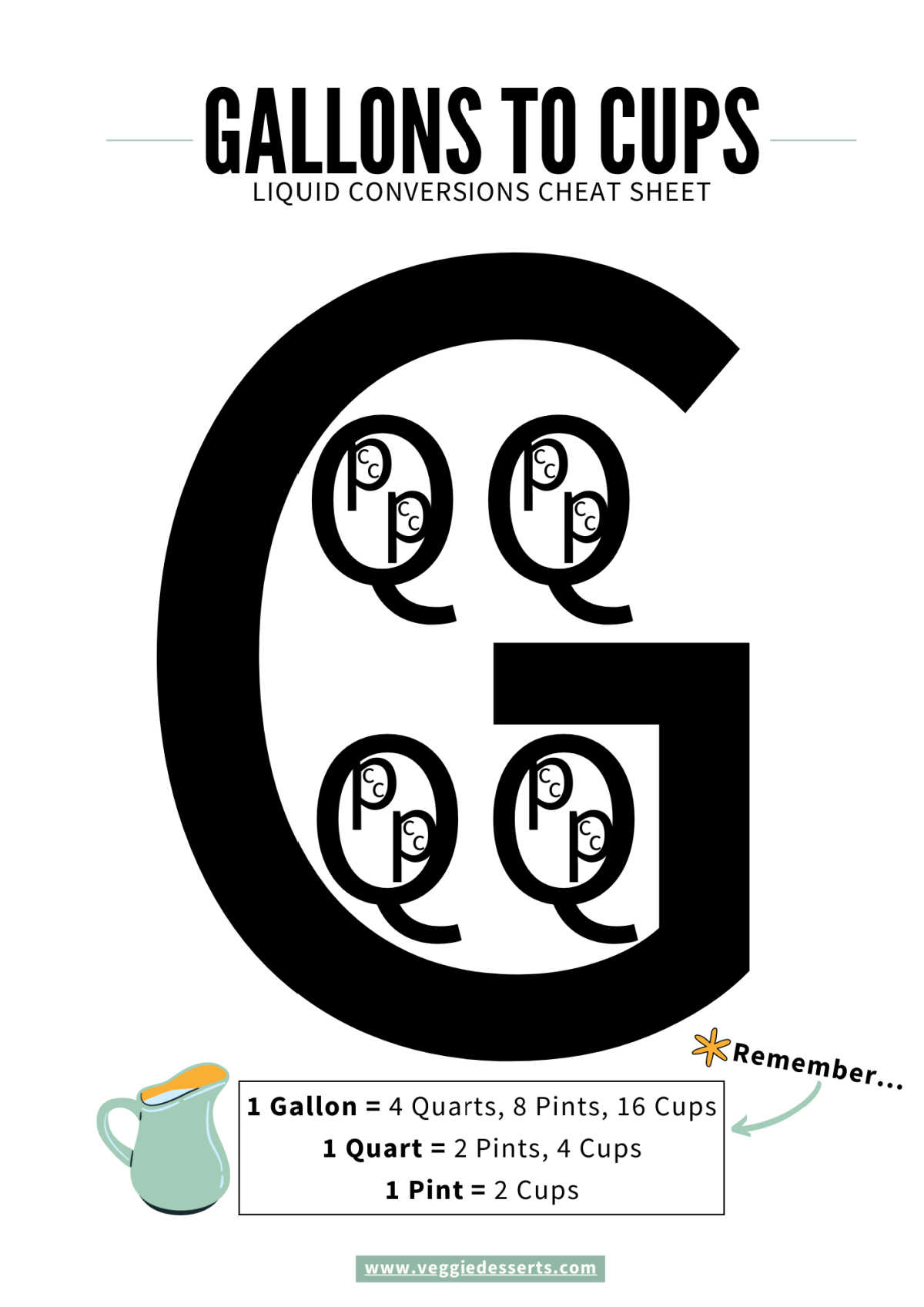
The gallon man chart is a clever visual tool that helps us understand and convert liquid measurements easily. It's like having a handy reference guide for all your cooking and baking needs! This chart is especially useful when you're working with recipes that call for different units of measurement, like cups, pints, quarts, and gallons.
Key Details and Units
The gallon man chart typically displays a visual representation of a person, often a stick figure, with different body parts labeled to indicate liquid measurements. The head might represent a cup, the torso a pint, and so on. Each body part is labeled with its corresponding volume, making it easy to visualize and remember. The chart usually covers common liquid measurements in the imperial system, such as cups, pints, quarts, and gallons. It's a great way to quickly convert between these units.
Reading the Chart and Converting Measurements
Using the gallon man chart is simple and practical. Here's a step-by-step guide:
Identify the unit you want to convert. Let's say you have a recipe that calls for 2 cups of milk, but you only have a measuring jug that measures in pints.
Locate the "cup" on the gallon man chart. It's usually the head or a part of the head.
Follow the visual guide to see how many cups are equivalent to a pint. You'll see that 2 cups are equal to 1 pint.
Now, you know that 2 cups of milk are the same as 1 pint. So, you can easily measure out the right amount for your recipe.
It's as simple as that! The gallon man chart provides a quick and visual way to convert liquid measurements, making your cooking and baking adventures smoother.
Variations and Differences
While the gallon man chart is a fantastic tool, it's important to note that variations exist. Different charts might use slightly different visuals or have additional measurements included. For example, some charts might include half-cup or quarter-cup measurements, providing even more precision. Additionally, the chart's design and layout can vary, so it's always a good idea to familiarize yourself with the specific chart you're using.
Common Mistakes and How to Avoid Them
Here are a few common pitfalls to watch out for when using the gallon man chart:
Misinterpreting the visual cues: Always double-check the labels and ensure you're following the correct path of measurement.
Assuming precision: Remember, the chart provides a general guide. For precise measurements, especially in baking, it's best to use a scale for dry ingredients and a liquid measuring cup for liquids.
Mixing up imperial and metric: If you're working with recipes from different regions, be mindful of the measurement system used. The gallon man chart typically represents imperial measurements, so conversions might be needed for metric recipes.
By being aware of these potential mistakes, you can ensure accurate measurements and delicious results!
Well, there you have it! The Gallon Man Chart is a handy tool with a simple concept, but as we've seen, it's important to be aware of the variations and potential mistakes. Remember, the exact details might shift a little depending on your context, so always double-check your sources.
Feel free to explore our other guides; we've got plenty of practical tips and tricks to offer, and who knows, you might just discover a new favorite reference tool!
Related: What's the Right Pillow Size for You?
Many people assume that pillow sizes are a one-size-fits-all affair, but that's not the case! A pillow size chart is your go-to resource for understanding the diverse world of pillow dimensions. It's a simple yet powerful tool, offering a quick glance at the various sizes and their intended uses. From standard pillow dimensions to specialty sizes, this chart ensures you find the perfect fit for your needs.
Pillow Size Chart: A Quick Overview
A pillow size chart is a handy reference tool that provides a clear and visual guide to the various dimensions of pillows. It's like a map to help you navigate the world of pillow sizes, ensuring you get the right fit for your needs. This chart is a valuable resource for anyone looking to buy new pillows or pillowcases, as it offers a quick and easy way to understand the standard sizes available.
Comparing Standard and Custom Sizes
The beauty of a pillow size chart is that it presents both standard and custom sizes in a simple format. Standard sizes are the most common and widely used, and they often follow specific measurements and categories. These sizes are consistent across many brands and manufacturers, making it easy to find matching pillowcases or covers. On the other hand, custom sizes offer more flexibility and can accommodate unique preferences or specific requirements. Custom sizes might be necessary for specialty pillows, such as those designed for travel or medical purposes.
Step-by-Step Guide to Using the Chart
Using a pillow size chart is straightforward and can save you time and effort when shopping for pillows. Here's a simple process:
- Identify the Type: First, determine the type of pillow you need. Common types include standard, queen, king, and travel-sized pillows.
- Locate the Size: Find the corresponding size on the chart. The chart typically displays width and length measurements for each size.
- Check the Dimensions: Compare the chart's dimensions with the pillow or pillowcase you need. Ensure you match the width and length accurately.
- Consider Depth: Some charts also provide depth measurements, which is especially useful for pillows with varying thicknesses.
- Choose Your Size: Once you've found the size that matches your needs, you're ready to make an informed purchase.
Avoiding Common Misreadings
While a pillow size chart is user-friendly, it's essential to avoid a few common pitfalls:
- Unit Confusion: Always check the units of measurement. Some charts use inches, while others might use centimeters. Ensure you're comparing like with like.
- Rounding Errors: Charts often provide rounded measurements for simplicity. Be aware that actual products might have slight variations, so always check the exact specifications if precision is critical.
- Size Labels: Pay attention to size labels. For example, a "standard" size might not always be the same across different charts or regions.
Factors Affecting Accuracy
Several key factors can influence the accuracy of a pillow size chart and its real-world application:
- Regional Differences: Pillow sizes can vary between regions and countries. For instance, a "king" size in the US might differ from a "king" in Europe.
- Manufacturer Variations: Even within a region, manufacturers might have slight variations in their standard sizes. Always check the brand's specifications.
- Pillow Type: Different pillow types, like decorative or orthopedic pillows, might have unique size categories.
- Materials: The materials used can affect the overall size and shape of a pillow, especially over time as it ages and settles.
Choosing the Right Format for Your Needs
When it comes to pillow size charts, one size doesn't fit all. Here are some tips for choosing the right format:
- Standard vs. Custom: If you're looking for a quick and easy solution, a standard size chart is ideal. However, for specialized needs, a custom size chart might be more suitable.
- Online vs. Physical: Online charts are convenient, but having a physical chart or reference guide can be handy when shopping in-store.
- Visual Aids: Some charts use visual representations, like images or diagrams, to show size differences. These can be especially helpful for visual learners.
Keeping Your Reference Reliable
To ensure your pillow size chart remains a reliable reference, consider the following:
- Update Regularly: Pillow size standards can evolve over time. Periodically check for updated charts to ensure you have the latest information.
- Multiple Sources: Cross-reference charts from different sources to verify the accuracy of the measurements.
- Manufacturer Guides: Many pillow manufacturers provide their own size guides. Refer to these for specific product lines.
- Personal Notes: If you have unique pillow requirements, make a note of the sizes you need and keep them with your chart for easy reference.
So, there you have it! A handy pillow size chart can be a real game-changer for getting the perfect fit and comfort. But remember, it's always a good idea to double-check your specific needs and measurements to ensure you're getting the right size for your bed and sleeping style.
Feel free to explore our other guides and resources on similar topics. We've got plenty of practical tips and tricks to help you create a cozy and comfortable sleep space. Happy snoozing!