Free Bakery Invoice Template Xlsx Overview
Hey there! I was just thinking about how cool batman logo clipart is and how it can be used in so many fun ways. It's like a little piece of Batman magic that you can easily add to your projects or even just for fun. So, let's explore this simple yet awesome graphic element!
Batman logo clipart is basically a digital image, a vector graphic, that represents the iconic Batman logo. You know the one—the bold, black bat silhouette against a yellow background. It's a simple design, but it's instantly recognizable and has become an iconic symbol of the Batman universe. This clipart version is a digital file that you can download and use for various purposes.
The great thing about batman logo clipart is its versatility. It's not just for die-hard Batman fans; it can be used by anyone who wants to add a touch of superhero flair to their creations. Whether you're a graphic designer, a teacher, a parent, or just a fan of Batman, this clipart can be a fun and easy way to incorporate the Dark Knight into your work or hobbies.
A Quick Guide to Using Batman Logo Clipart
Using batman logo clipart is super simple. Once you've downloaded the file, you can open it in any image editing software or even a basic word processor. From there, you can resize it, change the colors, or even add text to personalize it. It's a great way to quickly add a professional-looking logo to your designs without having to create one from scratch.
You can use it for a variety of projects. For example, if you're a teacher, you could use it to create fun worksheets or classroom decorations with a superhero theme. Parents can use it to make personalized birthday invitations or party decorations for their little Batman fans. And for designers, it can be a quick and easy way to add a unique element to your work, whether it's for a client project or just for fun.
Get Creative!
There are so many ways to get creative with batman logo clipart. You could use it to make stickers, t-shirt designs, or even just as a fun wallpaper for your devices. The possibilities are endless, and it's a great way to show your love for Batman or add a bit of superhero style to your everyday life.
So, if you're looking for a fun and easy way to incorporate Batman into your world, batman logo clipart is definitely worth checking out. It's a simple graphic that can add a whole lot of fun and a touch of superhero magic to your projects!
Related: Basic Chord Chart: Your Quick Reference Guide
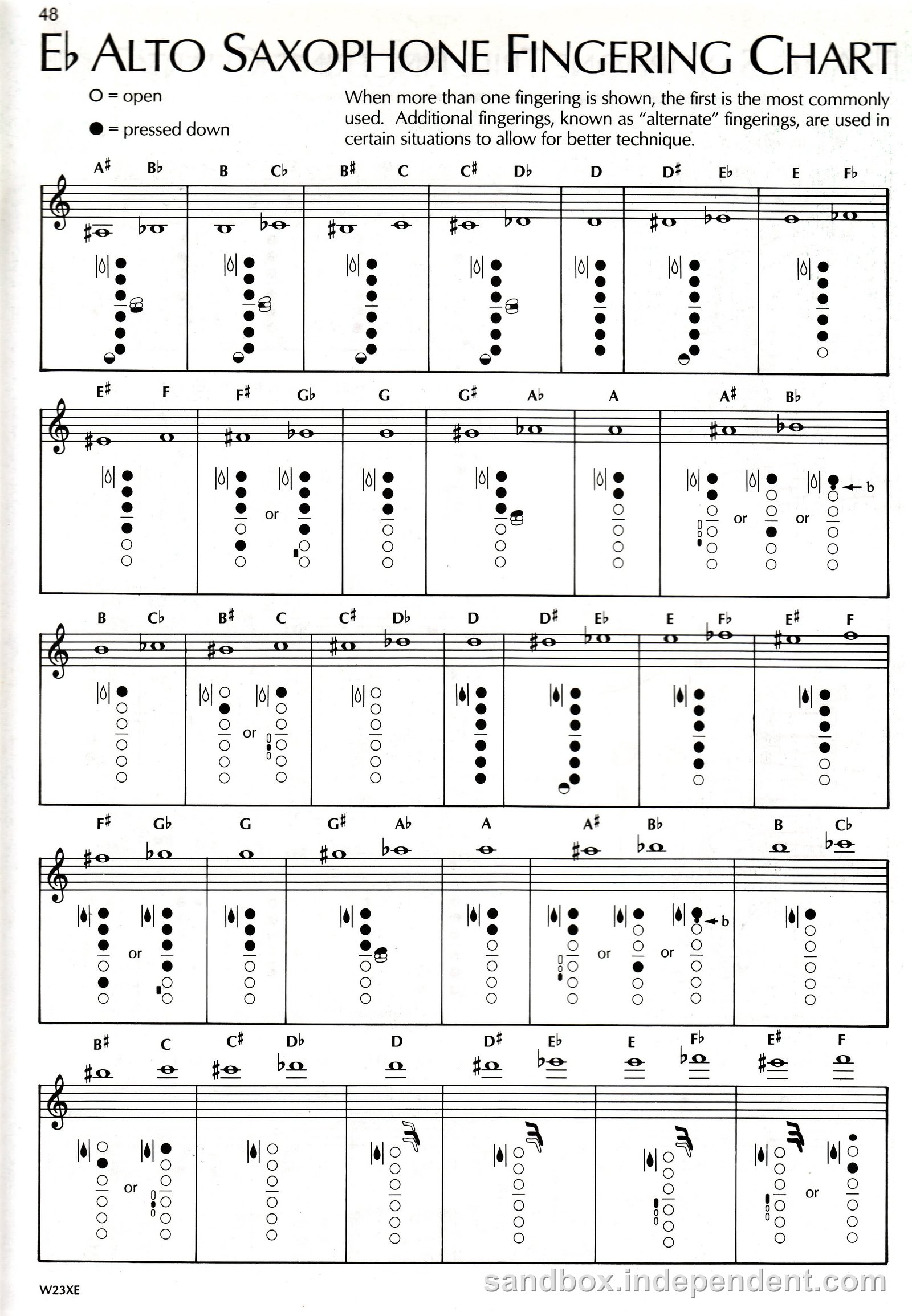
You're likely here because you need a quick and reliable resource to navigate the world of music and chords. The basic chord chart is an essential tool for any musician, offering a clear and concise visual representation of chords and their variations. It serves as a go-to reference, especially for those exploring guitar chord charts or delving into chord progression guides. While values and formats may vary, this chart provides a solid foundation for understanding common chord shapes and basic music theory.
Understanding Chord Symbols: A Guide to Basic Chord Charts
A basic chord chart is a valuable tool for musicians, especially those learning to play guitar or any other chordal instrument. It provides a visual representation of chord shapes and finger positions, making it easier to grasp and play various chords. These charts are like a musical roadmap, offering a quick reference for beginners and a handy guide for more experienced players to explore new chord progressions.
Key Details and Categories
Chord charts typically display the following information: the chord name (e.g., C major, A minor), a diagram showing the finger positions on the fretboard, and sometimes additional symbols or annotations. The chord name is usually written in standard music notation, indicating the root note and whether it's a major, minor, or other chord type. The diagram illustrates where to place your fingers on the guitar neck, with each dot representing a finger position.
Reading Chord Diagrams: A Step-by-Step Guide
To read a basic chord chart, follow these steps:
- Identify the chord name at the top of the chart. This tells you the root note and chord type.
- Look at the diagram. Each vertical line represents a guitar string, and the horizontal lines are the frets. The dots indicate where to place your fingers.
- The dot's position on the diagram corresponds to a fret and string on your guitar. For example, a dot on the second string, second fret, means you should place your finger there.
- If there are multiple dots on a string, it indicates a barre chord, where you need to press down multiple frets with one finger.
- Play the chord. Strum or pluck the strings to hear the chord. Adjust your finger positioning if needed to achieve a clear, resonant sound.
Variations and Differences: Why Chord Charts Can Vary
While basic chord charts provide a consistent framework, variations can occur due to several factors:
- Standard music notation has evolved, and different regions or styles may have slight variations in chord naming or diagramming conventions.
- Guitar tuning can also impact chord shapes. While most charts assume standard tuning, alternate tunings will require adjustments to the finger positions.
- The complexity of the chord and the instrument's range can influence the diagram's layout. More complex chords may require additional annotations or symbols.
- Lastly, personal playing style and comfort can lead to slight variations in finger positioning, especially for more advanced players.
Remember, basic chord charts are a guide, and with practice, you'll develop your own techniques and preferences. It's always a good idea to explore multiple resources and seek guidance from experienced musicians to refine your understanding and playing skills.
So, with your new chord chart knowledge, you're well-equipped to start exploring and creating music. Remember, these charts provide a solid foundation, but as you dive deeper, you'll discover variations and nuances that add character to your playing.
It's always a good idea to cross-reference and ensure you're using the right charts for your instrument and genre. Happy strumming, and feel free to explore our other guides for a well-rounded musical adventure!
Related: Uncover the Secrets of a Chord Chart Piano
A common misconception about chord chart piano is that it's a complex and daunting tool, but in reality, it's a simple and incredibly useful resource for any pianist. This chart, often a pianist's best friend, is a straightforward guide, offering a visual representation of chords and their formations. While the format may vary, the essence remains the same: a quick reference for pianists to navigate and understand chord progressions and music notation with ease.
Understanding Chord Chart Piano: A Quick Overview
A chord chart piano is a valuable tool for musicians, offering a visual representation of chord structures and their corresponding finger positions on the piano. This chart acts as a quick reference guide, aiding pianists in playing various chords efficiently. It displays the piano keys and indicates where your fingers should be placed to form specific chords.
Comparing Common Chord Chart Formats
There are several formats for chord chart piano, each with its own advantages. The most common formats include:
Standard Notation: This traditional method uses symbols and notes to represent chords. It provides a comprehensive view of chord structure but can be complex for beginners.
Piano Chord Diagram: A simpler approach, often used for beginners, shows the piano keys and finger positions for each chord. It's an easy-to-read visual guide.
Chord Symbol Notation: A concise format using letters, numbers, and symbols to represent chords. While quick to read, it may require some familiarity to interpret accurately.
Step-by-Step Guide: Reading and Using a Chord Chart Piano
Follow these steps to effectively read and utilize a chord chart piano:
Identify the Chord: Start by locating the chord you want to play. Chord charts often list chords alphabetically or by their function in a song.
Find the Diagram: Look for the corresponding diagram or symbol representing the chord. This will show the finger positions and keys involved.
Place Your Fingers: Position your fingers according to the diagram. Ensure your fingers are correctly placed on the indicated keys.
Strum or Play: Once your fingers are in position, strum or play the chord. Adjust your fingers slightly if needed to achieve a clear, harmonious sound.
Practice and Memorize: Repeat this process for different chords. With practice, you'll memorize common chord shapes and positions, making playing smoother and faster.
Avoiding Common Misreadings and Pitfalls
To ensure accurate interpretation, watch out for these common misreadings:
Chord Chart Piano Variations: Different charts may use slightly different symbols or notations. Always refer to the legend or key provided with the chart to understand the specific symbols used.
Major and Minor Chords: Distinguish between major and minor chords, as their finger positions can be similar but result in different sounds. Pay attention to the chord symbol or diagram to ensure you're playing the correct type.
Finger Positioning: Ensure your fingers are correctly placed on the keys. Misplaced fingers can result in an incorrect chord or a dissonant sound.
Factors Affecting Accuracy and Real-World Use
Several factors can influence the accuracy and practicality of using a chord chart piano:
Instrument Type: While these charts are designed for pianos, they can also be adapted for other keyboard instruments. However, the finger positions may vary slightly due to differences in key sizes and layouts.
Chord Progressions: In real-world playing, you'll often encounter chord progressions, where chords change rapidly. Practicing and memorizing common progressions will help you transition smoothly between chords.
Advanced Chord Techniques: As you advance, you may encounter more complex chords and techniques. Some charts may not cover these, so you might need to refer to more specialized resources.
Choosing the Right Chord Chart Format for Your Needs
Select the most suitable chord chart piano format based on your skill level and goals:
Beginners: Opt for a piano chord diagram or a chart with simple, easy-to-understand symbols. These provide a clear visual guide without overwhelming complexity.
Intermediate Players: Consider a chart that offers a balance between simplicity and detail. Look for charts that include both chord symbols and diagrams, providing a quick reference for common chords.
Advanced Musicians: Choose a comprehensive chart with a wide range of chords and variations. These charts often include advanced techniques and less common chord structures.
Keeping Your Reference Reliable for Future Use
To ensure your chord chart piano remains a reliable reference:
Regular Practice: Consistent practice is key. The more you use the chart, the more familiar you'll become with chord shapes and positions, reducing the need for constant reference.
Update and Expand: As your skills progress, consider updating your chart or adding new sections for advanced chords and techniques. This keeps your reference relevant and useful.
Digital vs. Physical: Digital charts offer convenience, but physical charts can be more durable and easier to reference quickly during live performances. Consider having both for different scenarios.
Chord charts are a fantastic tool, and it's great to have a solid understanding of how to use them effectively. Remember, the exact details may differ slightly based on your specific needs and the resources you're working with, so adapt and customize as you see fit.
There's a wealth of knowledge to explore in the world of music, and we've got plenty of guides to help you along the way. Feel free to browse our other resources; you might find some hidden gems to enhance your musical journey!