Free Consulting Invoice Template Xlsx Overview
Hey there! I was just thinking about how cool batman logo clipart is and how it can be used in so many fun ways. It's like a little piece of Batman magic that you can easily add to your projects or even just for fun. So, let's explore this simple yet awesome graphic element!
Batman logo clipart is basically a digital image, a vector graphic, that represents the iconic Batman logo. You know the one—the bold, black bat silhouette against a yellow background. It's a simple design, but it's instantly recognizable and has become an iconic symbol of the Batman universe. This clipart version is a digital file that you can download and use for various purposes.
The great thing about batman logo clipart is its versatility. It's not just for die-hard Batman fans; it can be used by anyone who wants to add a touch of superhero flair to their creations. Whether you're a graphic designer, a teacher, a parent, or just a fan of Batman, this clipart can be a fun and easy way to incorporate the Dark Knight into your work or hobbies.
A Quick Guide to Using Batman Logo Clipart
Using batman logo clipart is super simple. Once you've downloaded the file, you can open it in any image editing software or even a basic word processor. From there, you can resize it, change the colors, or even add text to personalize it. It's a great way to quickly add a professional-looking logo to your designs without having to create one from scratch.
You can use it for a variety of projects. For example, if you're a teacher, you could use it to create fun worksheets or classroom decorations with a superhero theme. Parents can use it to make personalized birthday invitations or party decorations for their little Batman fans. And for designers, it can be a quick and easy way to add a unique element to your work, whether it's for a client project or just for fun.
Get Creative!
There are so many ways to get creative with batman logo clipart. You could use it to make stickers, t-shirt designs, or even just as a fun wallpaper for your devices. The possibilities are endless, and it's a great way to show your love for Batman or add a bit of superhero style to your everyday life.
So, if you're looking for a fun and easy way to incorporate Batman into your world, batman logo clipart is definitely worth checking out. It's a simple graphic that can add a whole lot of fun and a touch of superhero magic to your projects!
Related: What is the BYU Depth Chart?
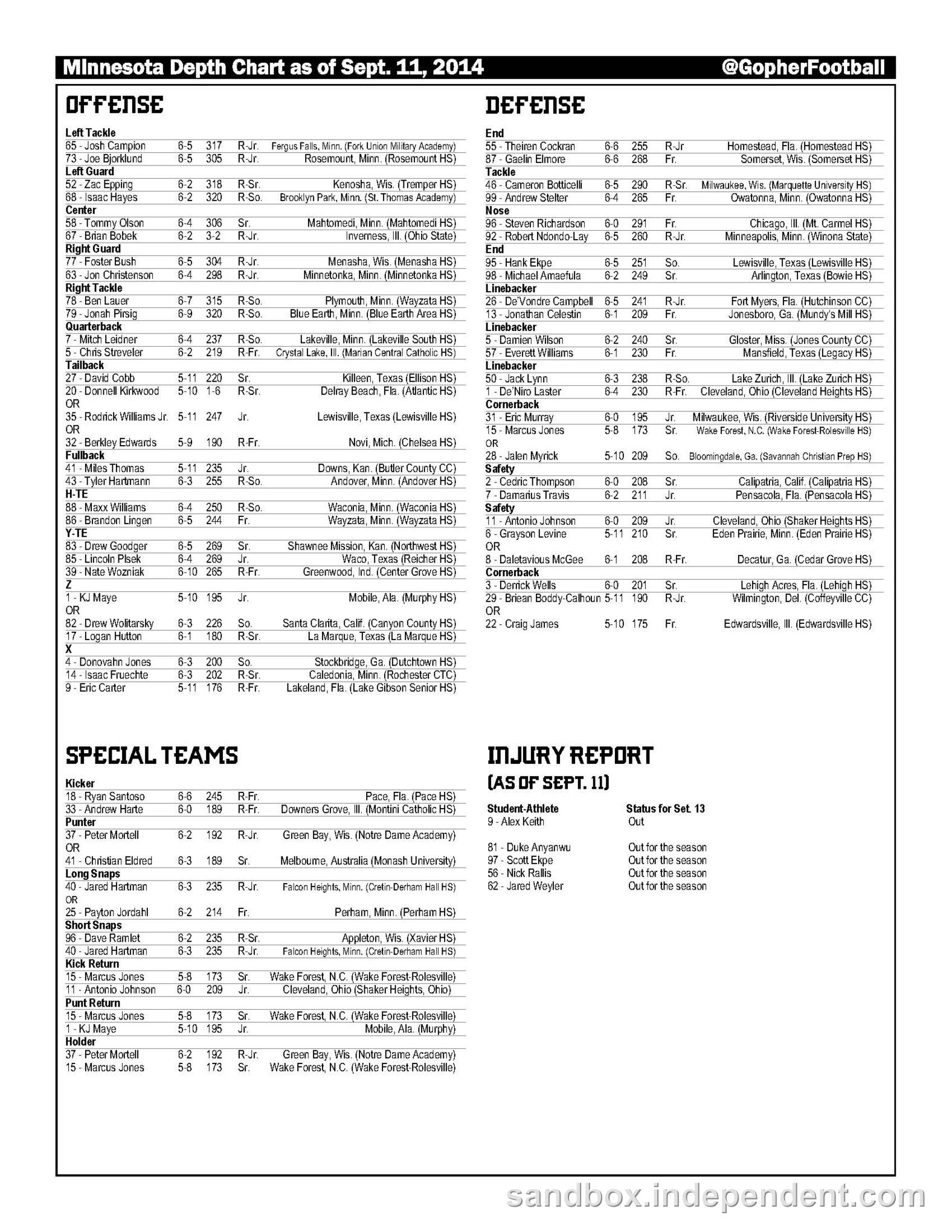
You're here, searching for a BYU depth chart, a handy tool for any sports fan or enthusiast. This chart is your go-to reference, offering a clear overview of the Cougars' roster and player positions. It's a simple yet effective way to understand the team's lineup and game strategy.
Understanding the BYU Depth Chart
The BYU depth chart is a valuable tool for anyone interested in BYU football. It provides an overview of the Cougars' roster and their player positions, giving you a clear picture of the team's lineup and potential game strategies. This chart is an essential reference for fans, analysts, and even the team itself, as it offers a visual representation of the players' depth and roles.
Comparing the Chart's Categories and Standards
The BYU depth chart typically follows a standard format, displaying players in their respective positions. You'll find categories like offense, defense, and special teams, each with its own set of positions. For example, the offense might include quarterbacks, running backs, wide receivers, and more. Each position is ranked by depth, showing the starting players and their backups. The chart often uses official measurements and standard abbreviations to keep things concise and clear.
Step-by-Step Guide to Reading the Depth Chart
Reading the BYU depth chart is straightforward. Start by identifying the different sections for offense, defense, and special teams. Within each section, you'll see the positions listed vertically, with the starters at the top and backups below. Pay attention to the abbreviations used; for instance, QB for quarterback or WR for wide receiver. The depth chart might also include additional information, such as jersey numbers or player heights and weights, depending on the specific chart's design.
Avoiding Common Misinterpretations
While the BYU depth chart is a useful tool, it's important to remember a few things. Firstly, the chart is a snapshot of the team's current lineup and can change over time due to injuries, player performance, or coaching decisions. Secondly, depth charts often simplify complex strategies; they don't always reflect the dynamic nature of a game. Lastly, be aware of any regional or standard variations. For example, some charts might use different abbreviations or follow slightly different formats. Always double-check the source and date of the chart to ensure accuracy.
Factors Affecting Accuracy and Real-World Use
Several key factors can influence the accuracy and real-world application of the BYU depth chart. These include:
Player injuries or illnesses: Unexpected injuries can quickly change a team's lineup.
Coaching decisions: Coaches may make strategic changes to the lineup based on game plans or opponent analysis.
Player performance: Outstanding or underperforming players can influence their position on the depth chart.
Team dynamics: Chemistry and communication among players can impact their roles and positions.
Game strategy: The depth chart is just one piece of the puzzle; coaches consider various factors when devising game plans.
Adapting the Chart for Specific Needs
The BYU depth chart can be adapted to meet specific needs or preferences. For instance, you might want to focus on a particular position or create a simplified version for younger fans. Additionally, some charts offer interactive features, allowing you to explore player stats or watch highlights. Remember, the chart is a flexible tool, and you can customize it to enhance your understanding of the team and its strategies.
Hey there! I hope this guide has given you a clear understanding of the BYU depth chart and its practical applications. Remember, while the basics remain consistent, the exact details might shift a little based on your specific needs and the context.
Feel free to explore our other guides for more insights and tips. We've got a whole library of resources to help you navigate various topics, so take a look around and find something that piques your interest!
Related: Keep it Chart: A Quick Reference Guide
You've stumbled upon the keep it chart, a nifty tool that's here to make your life easier. It's a simple yet effective way to keep track of things, and it's a real time-saver for those quick reference moments.
This chart, or visual guide, offers a straightforward solution to keep your information organized. Whether it's a common measurements table or a practical tips diagram, the keep it chart ensures you have a reliable reference at your fingertips.
What is the Keep It Chart?
The keep it chart is a handy visual reference guide that simplifies complex information. It's a practical tool designed to help you quickly find and understand key data points, making it an essential companion for various tasks and projects.
Understanding the Chart's Details
Before diving in, let's clarify some basics. The keep it chart typically covers a range of common measurements and specifications, presented in a clear, organized manner. You'll find categories like length, width, height, weight, and more, each with its specific units. These units can vary depending on the standard you're using, so it's essential to be aware of the system in play. For instance, you might see inches, feet, and pounds in one chart, while another might use centimeters, meters, and kilograms.
How to Read and Use the Keep It Chart
Using the keep it chart is straightforward. Here's a step-by-step guide:
- Identify the category you need. Let's say you're looking for length measurements.
- Locate the relevant section on the chart. It will likely have a clear label or heading.
- Within that section, find the specific measurement or range you require. The chart might provide a range of values, so choose the one that best suits your needs.
- Note the corresponding value or specification. This could be a dimension, a weight, or any other relevant data point.
- Apply this information to your project or task. Whether you're building, designing, or simply organizing, the keep it chart provides a quick and reliable reference.
Common Variations and Differences
While the keep it chart is a valuable tool, it's important to note that variations exist across different standards and contexts. For example, the units and ranges may differ between the metric system and the imperial system. Additionally, specific industries or applications might have unique requirements, leading to customized charts. Always double-check the exact specifications when dealing with critical or specialized tasks.
Tips and Tricks to Avoid Mistakes
To ensure accurate use of the keep it chart, keep these tips in mind:
- Always verify the standard being used, especially when working with international projects or diverse teams.
- Pay attention to the units. Converting between systems can be tricky, so double-check your calculations if needed.
- If you're unsure about a measurement or if the chart seems to contradict your expectations, trust your instincts and seek further clarification.
- Regularly review and update your keep it chart to ensure you have the latest and most relevant information.
Remember, the keep it chart is a practical tool designed to simplify your work, but it's essential to use it with care and attention to detail. With these tips, you'll be able to make the most of this valuable resource!
Well, there you have it! A handy guide to keep you on track and ensure you're using the right tools for the job. Remember, these charts are a great reference, but it's always wise to double-check the specifics for your unique situation.
Consider bookmarking this page for future use; it's a simple yet effective way to stay organized and informed. Happy charting!