Free I Worksheets Overview
Hey there! I was just thinking about how cool batman logo clipart is and how it can be used in so many fun ways. It's like a little piece of Batman magic that you can easily add to your projects or even just for fun. So, let's explore this simple yet awesome graphic element!
Batman logo clipart is basically a digital image, a vector graphic, that represents the iconic Batman logo. You know the one—the bold, black bat silhouette against a yellow background. It's a simple design, but it's instantly recognizable and has become an iconic symbol of the Batman universe. This clipart version is a digital file that you can download and use for various purposes.
The great thing about batman logo clipart is its versatility. It's not just for die-hard Batman fans; it can be used by anyone who wants to add a touch of superhero flair to their creations. Whether you're a graphic designer, a teacher, a parent, or just a fan of Batman, this clipart can be a fun and easy way to incorporate the Dark Knight into your work or hobbies.
A Quick Guide to Using Batman Logo Clipart
Using batman logo clipart is super simple. Once you've downloaded the file, you can open it in any image editing software or even a basic word processor. From there, you can resize it, change the colors, or even add text to personalize it. It's a great way to quickly add a professional-looking logo to your designs without having to create one from scratch.
You can use it for a variety of projects. For example, if you're a teacher, you could use it to create fun worksheets or classroom decorations with a superhero theme. Parents can use it to make personalized birthday invitations or party decorations for their little Batman fans. And for designers, it can be a quick and easy way to add a unique element to your work, whether it's for a client project or just for fun.
Get Creative!
There are so many ways to get creative with batman logo clipart. You could use it to make stickers, t-shirt designs, or even just as a fun wallpaper for your devices. The possibilities are endless, and it's a great way to show your love for Batman or add a bit of superhero style to your everyday life.
So, if you're looking for a fun and easy way to incorporate Batman into your world, batman logo clipart is definitely worth checking out. It's a simple graphic that can add a whole lot of fun and a touch of superhero magic to your projects!
Related: What is the UGA Depth Chart?
A uga depth chart is a handy tool for any sports fan, especially those passionate about the Georgia Bulldogs. It's a simple yet effective way to visualize the team's lineup and understand player positions. This guide will take you through the basics, covering what you need to know to read and interpret these charts like a pro. From the uga football roster to the starting lineup, we'll explore how these charts can provide valuable insights into the team's strategy and player depth.
What is the UGA Depth Chart?
The UGA depth chart is a valuable tool for fans and analysts of the Georgia Bulldogs football team. It provides a visual representation of the team's roster, showcasing player positions and their depth within the squad. This chart offers a quick reference guide to understand the team's lineup and potential strategies.
Key Details and Categories
When examining a UGA depth chart, you'll notice several columns and rows. The columns typically represent different player positions, such as quarterback, running back, wide receiver, and so on. Each position has a specific role and contributes uniquely to the team's success. The rows, on the other hand, indicate the depth of players within each position. You'll often see the starting players listed first, followed by backups and potential replacements.
Reading and Applying the Chart
Understanding how to read the UGA depth chart is straightforward. Here's a step-by-step guide:
- Identify the Position: Locate the column representing the position you're interested in. For instance, if you want to know about the quarterbacks, find the "QB" column.
- Analyze Depth: Within each position column, players are listed in order of their depth. The top player is usually the starter, followed by backups. Take note of the names and their order.
- Recognize Abbreviations: Sometimes, you might encounter abbreviations or codes next to player names. These could indicate special teams roles or specific skills. For example, "KR" might stand for "kick returner."
- Study Player Rankings: The depth chart often provides a ranking or evaluation of players within their positions. This can help you understand the team's hierarchy and potential playing time.
- Consider Flexibility: Keep in mind that coaches may adjust the lineup based on game plans and opponent strategies. The depth chart offers a snapshot, but actual game-time decisions can vary.
Variations and Differences
While the UGA depth chart follows a standard format, variations can occur due to several factors:
- Player Injuries: Injuries can impact the depth chart significantly. A starter's absence might push a backup into the starting role, affecting the entire lineup.
- Game Strategy: Coaches may adjust the depth chart based on the opponent's strengths and weaknesses. Certain players might be moved up or down to counter specific tactics.
- Position Flexibility: Some players are versatile and can play multiple positions. This flexibility allows coaches to adapt their lineup based on game flow.
- Development and Growth: As the season progresses, players may improve or regress. This can lead to changes in the depth chart as coaches assess performance.
Common Mistakes and How to Avoid Them
When interpreting a UGA depth chart, it's important to avoid these common pitfalls:
- Overlooking Abbreviations: Take the time to understand the abbreviations used. Misinterpreting these codes can lead to incorrect assumptions about player roles.
- Assuming Starting Lineup: While the depth chart lists starters first, remember that coaches may make last-minute changes. Always check the official game-time lineup for the most accurate information.
- Ignoring Depth: Depth charts provide a hierarchical view of the team. Don't focus solely on starters; understanding the entire depth can give you insights into the team's overall strength.
- Neglecting Player Movement: Players can be moved between positions or even traded. Stay updated with the latest news to ensure your analysis is accurate.
Practical Tips for Accurate Results
To make the most of the UGA depth chart, consider these practical tips:
- Regular Updates: Depth charts can change frequently, especially during the season. Stay tuned to official sources for the latest updates.
- Compare with Previous Years: Analyzing historical depth charts can provide context and help you understand player progression and team dynamics.
- Combine with Other Resources: Use the depth chart as a starting point, but also refer to player statistics, game analysis, and expert opinions for a comprehensive understanding.
- Consider Player Chemistry: The depth chart focuses on individual roles, but the team's success also relies on player chemistry and cohesion.
Double-Checking and Handling Exceptions
While the UGA depth chart is a valuable tool, it's essential to double-check certain aspects:
- Official Lineup Announcements: Always confirm the official starting lineup before the game. Coaches may make last-minute changes due to injuries or strategic decisions.
- Position Flexibility: Some positions, like wide receivers or defensive backs, may have players who can fill multiple roles. Understand the team's flexibility to predict potential lineup adjustments.
- Injury Reports: Keep an eye on injury reports, as they can impact the depth chart significantly. Injured players might be listed as questionable or out, affecting their availability and depth chart position.
Well, there you have it! A depth chart is a handy tool, but it's important to remember that every situation is unique. So, always take a moment to ensure your specific needs are met and double-check the details for your context.
Consider bookmarking this page for future reference; it might just save you some time and effort down the line. Until next time, happy charting!
Related: Need a shirt size chart? Find your perfect fit!
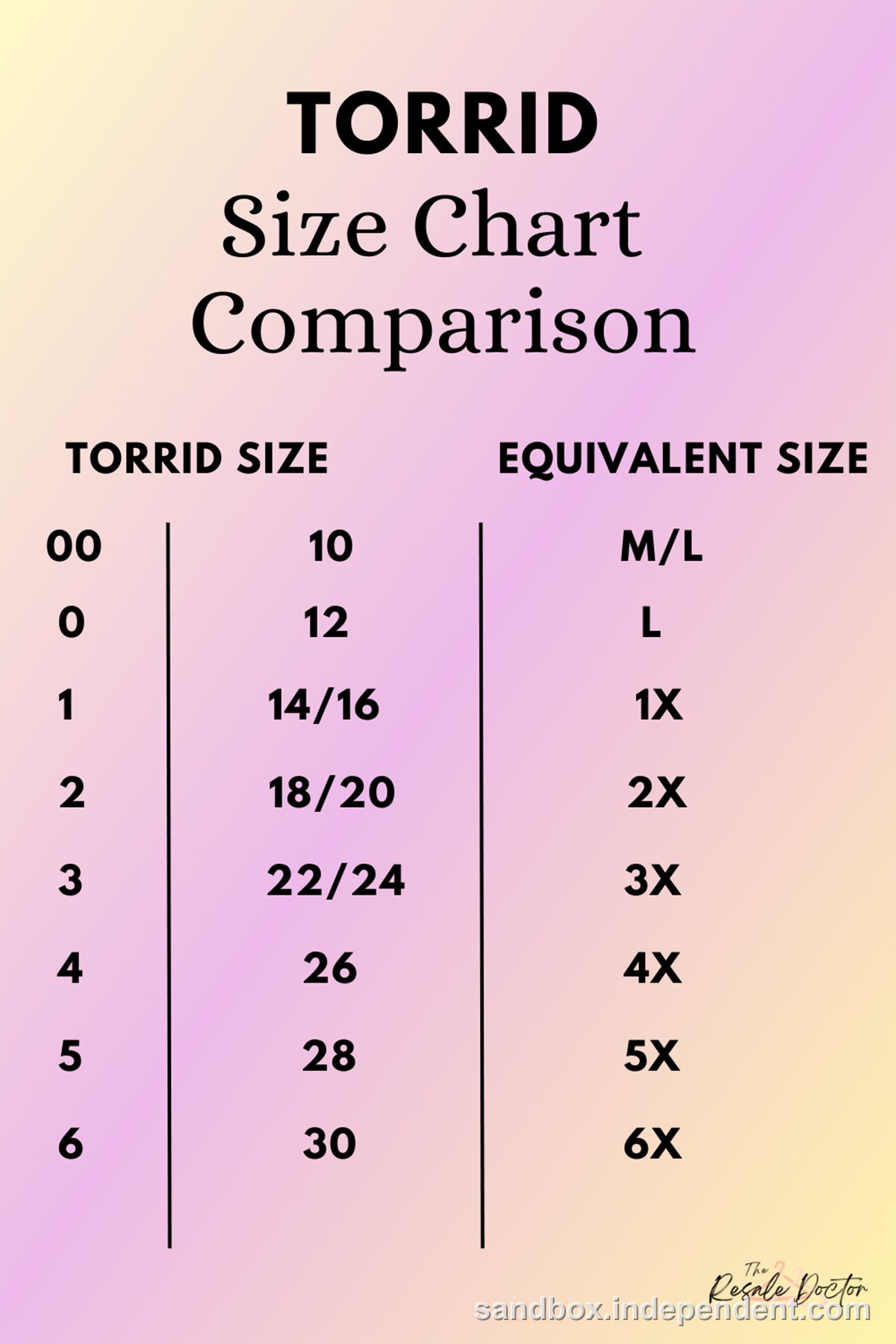
You're probably here because you need a quick fix, a simple solution to finding your perfect shirt size. And what better tool than a shirt size chart? It's a handy reference, a map to navigate the world of clothing sizes, and it's right at your fingertips. These charts offer a straightforward way to ensure you get the right fit, and they can vary slightly depending on the brand or region, so it's always good to have a reliable guide.
Shirt Size Chart: A Practical Guide
A shirt size chart is a handy reference tool that helps you find the perfect fit for your shirts. It provides a standardized way to determine your size based on key body measurements. These charts are essential for online shopping or when you need to order custom-made shirts.
Key Details and Categories
The shirt size chart typically includes measurements for chest circumference, waist circumference, and sometimes arm length. These measurements are usually given in inches or centimeters, depending on the standard being used. The chart also provides a range of sizes, often in small increments, to ensure a precise fit. For example, a chart might offer sizes from XS to 5XL, with each size representing a specific measurement range.
Step-by-Step Guide: Reading and Using the Chart
Follow these steps to accurately determine your shirt size using a size chart:
Measure your chest circumference at the fullest part of your chest, keeping the measuring tape parallel to the floor. This measurement is crucial for finding the right fit.
Locate your chest measurement on the chart. The chart will guide you to the corresponding size, often with a range of measurements for each size. For instance, a size Medium might fit chest circumferences between 38 and 40 inches.
If the chart provides waist circumference measurements, repeat the process for your waist. This measurement ensures a comfortable fit around your midsection.
Compare your measurements to the size chart's ranges. Choose the size that aligns most closely with your measurements. If your measurements fall between two sizes, consider factors like your preferred fit (more relaxed or snug) and the fabric's stretchability.
For more precise fitting, some charts may include arm length measurements. Measure your arm length from the base of your neck to your wrist. Match this measurement to the chart's arm length column to ensure a perfect sleeve length.
Understanding Variations and Differences
It's important to note that shirt size charts can vary depending on the brand, manufacturer, or even the specific style of shirt. Some brands may have slightly different measurement standards or size increments. Additionally, the intended fit of the shirt (e.g., slim, regular, or relaxed) can impact the size chart. Always check the brand's size guide or any notes about fit to ensure an accurate selection.
Common Mistakes and How to Avoid Them
One common mistake is relying solely on your usual shirt size without considering the specific brand or style. Each brand may have its own unique sizing system, so it's crucial to refer to their size chart. Another mistake is neglecting to measure yourself accurately. Take precise measurements, especially for the chest and waist, to ensure an accurate fit. Avoid guessing or estimating, as this can lead to disappointment with the final product.
Practical Fitting Tips for Accurate Results
To ensure the best fit, consider these tips:
When measuring, stand naturally and relax your arms. Avoid pulling the measuring tape too tight or too loose.
If you're between sizes, choose the larger size for a more comfortable fit, especially if the shirt has a slim or tailored cut.
Pay attention to the fabric and its stretchability. Some fabrics, like cotton blends, have more give, while others, like linen, are more rigid.
Check the brand's size guide for any specific notes or recommendations. They might offer tips for their unique sizing or suggest sizing up or down for certain styles.
Consider the intended use of the shirt. If it's for a formal occasion, you might want a more tailored fit, while casual shirts can allow for a looser fit.
Remember, the shirt size chart is a valuable tool, but it's just a guide. Always prioritize your comfort and personal style when making a final decision.
Well, there you have it! A shirt size chart is a handy tool to ensure you get the perfect fit every time. Remember, while these charts provide a great starting point, exact values can vary, so it's always wise to check the specific guidelines for your chosen brand or standard.
Don't forget to explore our other guides and resources; we've got plenty of practical tips to help you navigate the world of fashion and sizing with ease. Stay tuned for more!