Free Paw Patrol Coloring Pages Overview
Hey there! I was just thinking about how cool batman logo clipart is and how it can be used in so many fun ways. It's like a little piece of Batman magic that you can easily add to your projects or even just for fun. So, let's explore this simple yet awesome graphic element!
Batman logo clipart is basically a digital image, a vector graphic, that represents the iconic Batman logo. You know the one—the bold, black bat silhouette against a yellow background. It's a simple design, but it's instantly recognizable and has become an iconic symbol of the Batman universe. This clipart version is a digital file that you can download and use for various purposes.
The great thing about batman logo clipart is its versatility. It's not just for die-hard Batman fans; it can be used by anyone who wants to add a touch of superhero flair to their creations. Whether you're a graphic designer, a teacher, a parent, or just a fan of Batman, this clipart can be a fun and easy way to incorporate the Dark Knight into your work or hobbies.
A Quick Guide to Using Batman Logo Clipart
Using batman logo clipart is super simple. Once you've downloaded the file, you can open it in any image editing software or even a basic word processor. From there, you can resize it, change the colors, or even add text to personalize it. It's a great way to quickly add a professional-looking logo to your designs without having to create one from scratch.
You can use it for a variety of projects. For example, if you're a teacher, you could use it to create fun worksheets or classroom decorations with a superhero theme. Parents can use it to make personalized birthday invitations or party decorations for their little Batman fans. And for designers, it can be a quick and easy way to add a unique element to your work, whether it's for a client project or just for fun.
Get Creative!
There are so many ways to get creative with batman logo clipart. You could use it to make stickers, t-shirt designs, or even just as a fun wallpaper for your devices. The possibilities are endless, and it's a great way to show your love for Batman or add a bit of superhero style to your everyday life.
So, if you're looking for a fun and easy way to incorporate Batman into your world, batman logo clipart is definitely worth checking out. It's a simple graphic that can add a whole lot of fun and a touch of superhero magic to your projects!
Related: What is a Steel Gauge Chart?
Frustrated by the lack of clear information on steel gauges? You're not alone. Many people are looking for a simple, reliable steel gauge chart to get the job done right. It's a common issue when working with steel, and having an accurate chart is essential.
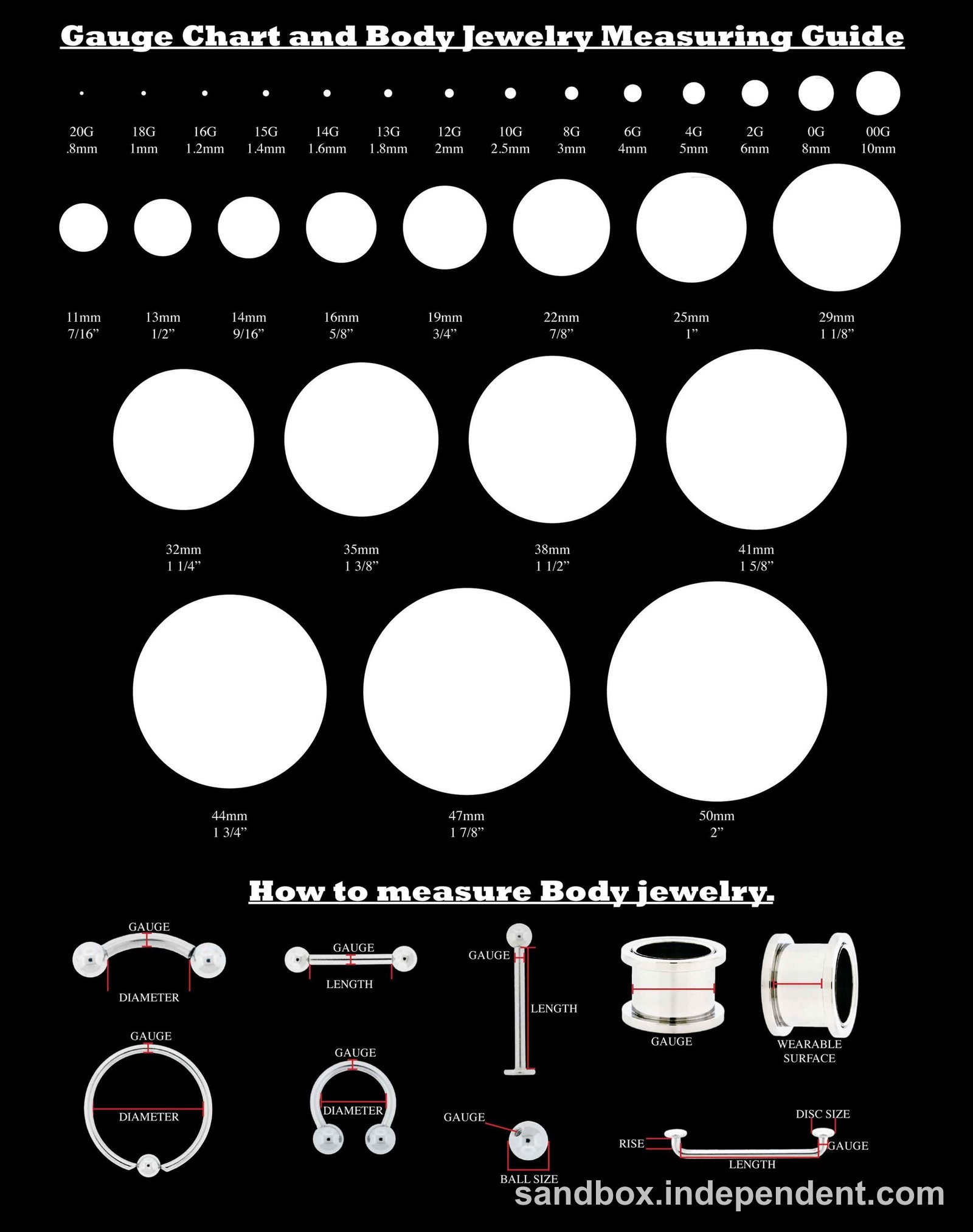
This chart is your go-to guide, offering a quick reference for steel thicknesses, often with conversions to millimeters. While standards can vary, a good chart will cover the common gauge sizes and provide a reliable starting point for your projects.
Understanding the Steel Gauge Chart
The steel gauge chart is a handy reference tool that helps you quickly determine the thickness of steel materials. It provides a standardized way to measure and compare different steel products, making it an essential guide for various industries and DIY projects. This chart offers a simple and visual representation of steel thickness, ensuring consistency and accuracy in your measurements.
Comparing Gauge Standards and Formats
Steel gauge charts can vary depending on the standard being used. Two common standards are the American Wire Gauge (AWG) and the Standard Wire Gauge (SWG), each with its own set of measurements and categories. The AWG is widely used in the United States and is suitable for measuring wire and sheet metal thicknesses. On the other hand, the SWG is more common in the UK and some other countries, and it follows a different gauge system. It's crucial to know which standard your chart follows to ensure accurate readings.
Step-by-Step Guide to Using the Chart
Using a steel gauge chart is straightforward:
- Identify the type of steel you are working with, whether it's wire, sheet metal, or another form.
- Locate the appropriate chart for your steel type.
- Find the gauge number or range that corresponds to your steel. Gauge numbers typically decrease as thickness increases, so a lower gauge number indicates a thicker material.
- Refer to the chart to determine the exact thickness in millimeters (mm) or inches. Some charts may also provide additional information like weight per unit length or area.
- If you need to convert between gauges and millimeters, use the conversion factors provided on the chart or refer to a separate conversion table.
Common Misreadings and How to Avoid Them
Misinterpreting a steel gauge chart is easy if you're not familiar with the standards. One common mistake is assuming that all charts use the same gauge system. Always double-check the standard and ensure you are using the correct chart for your region or application. Additionally, pay attention to the units of measurement; some charts may use millimeters, while others use inches, so be consistent with your units.
Factors Affecting Gauge Accuracy and Real-World Use
Steel Type: Different types of steel, such as stainless steel or carbon steel, may have varying thickness tolerances, so it's essential to consider the specific steel you are working with.
Gauge to mm conversion: While charts provide conversions, it's always a good practice to cross-reference with other reliable sources to ensure accuracy, especially for critical applications.
Sheet metal gauge: For sheet metal, the gauge number can vary depending on the material and its intended use. Always check the specific gauge size for your project.
Variations: Steel thickness can also be affected by factors like temperature, manufacturing processes, and tolerances allowed by industry standards. These variations may result in slight differences between the chart's measurements and real-world steel thickness.
Common Causes: Misinterpretation of gauge numbers, using the wrong chart for the steel type, and not considering regional variations are some common causes of inaccurate readings.
By understanding these factors and being mindful of potential variations, you can ensure accurate measurements and select the right steel for your projects.
Well, that's a wrap on our steel gauge chart adventure! We've covered a lot of ground, from understanding the basics to navigating potential pitfalls. Remember, when it comes to precision, every detail matters, so take your time and double-check those measurements.
If you're keen to explore more practical guides and resources, feel free to browse our site. We've got a whole host of topics to keep you informed and inspired. Happy measuring, and until next time!
Related: Ten Construction Companies Essential Guide
I'm thinking of giving my kitchen a makeover, and it got me wondering about top ten construction companies. Who are the big players in the industry? What makes a construction company stand out? I decided to look into it and share some insights, so here's the lowdown on all things construction-related.
The Big Picture: Construction Industry Insights
When we talk about the top ten construction companies, we're referring to the leading firms in the industry, those that have established a strong reputation and often work on large-scale projects. These companies have the resources, expertise, and experience to tackle a wide range of construction and remodeling jobs. They can handle everything from residential home renovations to commercial building projects.
So, what sets these companies apart? Well, it's a combination of factors. They often have a large, skilled workforce, which allows them to take on multiple projects simultaneously. They also tend to have strong relationships with suppliers, which can result in better deals on materials. Additionally, their size and reputation often mean they can attract and retain top talent, ensuring a consistent level of quality in their work.
Hiring a Top Construction Company: What to Consider
If you're in the market for a construction company, whether it's for a home remodel or a new build, there are a few key things to keep in mind. First, check their licensing and insurance. This is crucial to protect yourself and ensure they're legally allowed to operate. Next, look at their portfolio. Do they have experience with projects similar to yours? It's a good sign if they do.
Ask for references and check them. Speak to past clients about their experience. Were they happy with the work? Was the company responsive and professional? Also, get multiple quotes. Prices can vary, and it's a great way to compare services and find the best value.
Company Names: A Quick Tip
Choosing a name for your construction company is important. It should be memorable, reflect your business, and be unique. Avoid generic names; you want something that stands out. For example, "BuildStrong", "RenovateRight", or "Constructive Solutions" are all catchy and give a good indication of the services offered.
Before settling on a name, check its availability for registration and domain names. You don't want any legal issues or to miss out on an online presence because the name is taken.
The Construction Industry: A World of Opportunities
The construction industry offers a wide range of jobs, from skilled tradespeople to project managers and estimators. These roles can vary greatly in terms of responsibilities and salaries. For instance, an estimator's role involves calculating costs for projects, a crucial step in the construction process.
If you're looking for construction jobs, check online job boards and local classifieds. Many companies also advertise on their websites. It's a good idea to have a clear idea of the role you're interested in and the skills you can bring to the table.
Wrapping Up: Your Construction Journey
So, there you have it, a glimpse into the world of top ten construction companies and the construction industry as a whole. Whether you're hiring a company for a project or considering a career in construction, it's a fascinating and ever-evolving field. Remember, when it comes to construction, it's all about finding the right fit for your needs and ensuring a professional, skilled team is on board.