Free Ufli Worksheets Overview
Hey there! I was just thinking about how cool batman logo clipart is and how it can be used in so many fun ways. It's like a little piece of Batman magic that you can easily add to your projects or even just for fun. So, let's explore this simple yet awesome graphic element!
Batman logo clipart is basically a digital image, a vector graphic, that represents the iconic Batman logo. You know the one—the bold, black bat silhouette against a yellow background. It's a simple design, but it's instantly recognizable and has become an iconic symbol of the Batman universe. This clipart version is a digital file that you can download and use for various purposes.
The great thing about batman logo clipart is its versatility. It's not just for die-hard Batman fans; it can be used by anyone who wants to add a touch of superhero flair to their creations. Whether you're a graphic designer, a teacher, a parent, or just a fan of Batman, this clipart can be a fun and easy way to incorporate the Dark Knight into your work or hobbies.
A Quick Guide to Using Batman Logo Clipart
Using batman logo clipart is super simple. Once you've downloaded the file, you can open it in any image editing software or even a basic word processor. From there, you can resize it, change the colors, or even add text to personalize it. It's a great way to quickly add a professional-looking logo to your designs without having to create one from scratch.
You can use it for a variety of projects. For example, if you're a teacher, you could use it to create fun worksheets or classroom decorations with a superhero theme. Parents can use it to make personalized birthday invitations or party decorations for their little Batman fans. And for designers, it can be a quick and easy way to add a unique element to your work, whether it's for a client project or just for fun.
Get Creative!
There are so many ways to get creative with batman logo clipart. You could use it to make stickers, t-shirt designs, or even just as a fun wallpaper for your devices. The possibilities are endless, and it's a great way to show your love for Batman or add a bit of superhero style to your everyday life.
So, if you're looking for a fun and easy way to incorporate Batman into your world, batman logo clipart is definitely worth checking out. It's a simple graphic that can add a whole lot of fun and a touch of superhero magic to your projects!
Related: Need a chore weekly chart? Get one here!
A chore weekly chart is a handy tool to keep your household tasks organized and ensure a smooth daily routine. This guide will show you how to make the most of your chart, offering a simple and effective way to manage chores.
The beauty of a chore chart is its adaptability; you can customize it to fit your family's needs. Whether you prefer a simple task list or a more visual weekly planner, the key is finding a format that works for you and helps keep everyone on track with their household duties.
What is a Chore Weekly Chart?
A chore weekly chart is a practical tool to help you organize and manage household tasks efficiently. It's a visual representation of your weekly chores, making it easier to stay on top of your responsibilities and ensure a clean and well-maintained home.
Understanding the Key Details
The chart typically consists of a grid with days of the week across the top and chore categories down the side. Each cell represents a specific chore for a particular day. Common categories include cleaning tasks like vacuuming, laundry, dishes, and grocery shopping. The chart provides a clear overview of what needs to be done and when.
Reading and Applying the Chart
Here's a step-by-step guide to using your chore weekly chart:
- Start by identifying the tasks you want to include. Consider daily, weekly, and monthly chores, as well as any specific tasks that need to be done regularly, like taking out the trash or changing bed linens.
- Assign tasks to each day of the week. Distribute the chores evenly to avoid an overwhelming workload on any single day.
- Use symbols or colors to indicate the status of each chore. For example, a checkmark can signify completion, while a red X might mean the task is overdue.
- Review and update your chart regularly. As you complete tasks, mark them off. If something comes up and a chore needs to be rescheduled, adjust the chart accordingly.
- Involve your family or housemates. If you're sharing the workload, ensure everyone understands their responsibilities and can refer to the chart for guidance.
Variations and Differences
While the basic concept of a chore weekly chart remains consistent, there can be variations based on personal preferences and household needs. Here are some factors that may cause differences:
- Household size: A larger family may require more complex chore rotations to ensure fairness.
- Individual preferences: Some people prefer a simple list format, while others like the visual appeal and organization of a chart.
- Task frequency: Certain chores may need to be done daily or monthly, influencing how you structure your chart.
Common Mistakes and How to Avoid Them
It's easy to make mistakes when creating a chore weekly chart, but these tips can help you avoid them:
- Overloading: Avoid assigning too many tasks to one day. Spread the workload evenly to prevent burnout.
- Forgetting regular tasks: Include all recurring chores, even if they seem obvious. It's easy to overlook something like taking out the recycling or wiping down kitchen counters.
- Not updating: Regularly review and update your chart to reflect changes in your routine or household needs.
Tips for Success
To make the most of your chore weekly chart and ensure it works effectively for your household, consider these best practices:
- Personalize your chart: Tailor it to your specific needs and preferences. Add notes or symbols that make sense to you and your family.
- Keep it visible: Display your chart in a central location, like the kitchen or family room, so everyone can refer to it easily.
- Review and adjust: Regularly assess how well your chart is working and make adjustments as needed. Flexibility is key to a successful chore management system.
- Involve everyone: Encourage participation and ownership of chores by involving all family members or housemates in creating and maintaining the chart.
A chore weekly chart is a great way to stay organized and ensure everyone pitches in. With the right approach, you can create a simple and effective system for your household. Remember, it's all about finding a balance and making it work for your unique situation.
When adapting any guide, it's important to consider your specific needs and context. While these charts offer a solid framework, they can be tailored to suit your family's routines and preferences. So, take the time to customize and make it your own! And don't forget to explore our other resources for even more practical tips and tricks.
Related: What's the deal with quilt sizes chart?
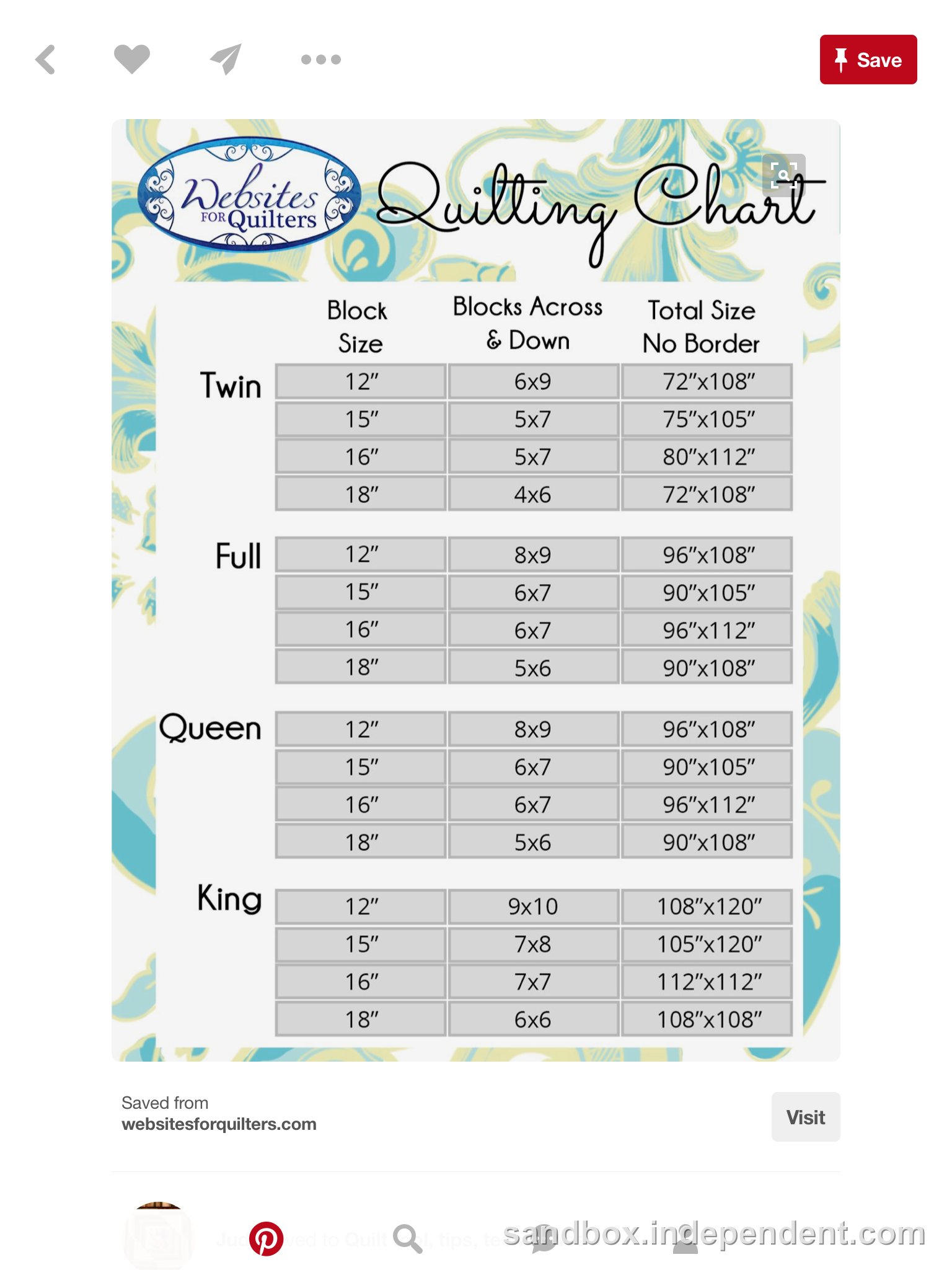
A quilt sizes chart can be a handy tool, but it's often misunderstood as a rigid, one-size-fits-all guide. In reality, these charts are flexible and adaptable, offering a range of standard sizes as a starting point for your quilting journey.
While the quilt sizes chart provides a great reference, it's important to remember that these dimensions can vary slightly depending on your region and personal preferences. Whether you're crafting a crib quilt size or aiming for a king-size masterpiece, understanding the chart is key to achieving your desired quilt measurements.
Understanding the Quilt Sizes Chart
The quilt sizes chart is your practical guide to creating quilts with precision and ease. It provides a clear overview of standard quilt dimensions, helping you choose the right size for your project and ensuring a perfect fit every time. This chart is a valuable resource for quilters, offering a quick reference to common quilt sizes and their measurements.
Comparing Quilt Size Categories
When exploring the quilt sizes chart, you'll notice a range of categories, each representing a specific quilt size. These categories are typically based on standard bed sizes, such as crib, twin, full, queen, and king. The chart provides the length and width measurements for each size, allowing you to select the right dimensions for your quilt. It's a simple and effective way to ensure your quilt fits its intended purpose.
Step-by-Step Guide to Using the Chart
Using the quilt sizes chart is straightforward. Here's a simple guide:
- Identify the intended use for your quilt. Are you making a crib quilt, a baby quilt, or a larger quilt for a bed?
- Refer to the chart and locate the relevant category.
- Take note of the length and width measurements provided. These are the standard dimensions for that particular quilt size.
- Measure your available space or the intended recipient's bed to ensure the quilt will fit perfectly.
- Use the chart's measurements as a guide to create your quilt pattern and ensure a comfortable and well-fitted result.
Avoiding Common Misreadings
While the quilt sizes chart is a reliable reference, it's essential to avoid common misreadings. Always double-check the units of measurement, as some charts may use imperial or metric units. Additionally, be aware that the chart provides standard measurements, and variations may exist based on personal preferences or specific projects. Always measure your space or the intended bed to ensure an accurate fit.
Factors Affecting Accuracy
Several factors can influence the accuracy of your quilt size selection. Firstly, the intended use of the quilt is crucial. A crib quilt will have different dimensions compared to a king-size bed quilt. Additionally, personal preferences and design choices can impact the final size. Some quilters may opt for a larger or smaller quilt, depending on their style and the recipient's needs. Always consider these factors when referring to the quilt sizes chart.
Adapting to Specific Needs
While the quilt sizes chart provides standard measurements, it's flexible enough to accommodate custom quilt dimensions. If you require a unique size, you can use the chart as a starting point and adjust the measurements to fit your specific needs. This adaptability allows quilters to create one-of-a-kind quilts that perfectly suit their vision and the intended recipient's preferences.
Keeping Your Reference Reliable
To ensure the continued reliability of your quilt sizes chart, it's essential to keep it updated and accessible. Regularly refer to reputable sources to verify the accuracy of the measurements, especially if you notice any significant changes in standard quilt sizes. Consider printing the chart or saving it digitally for easy reference during your quilting projects. By keeping your chart up-to-date, you'll always have a trusted guide for creating beautifully sized quilts.
Well, there you have it! A handy guide to quilt sizes, covering all the bases and giving you the tools to tackle any quilting project.
Remember, every quilter's needs are unique, so take a moment to ensure the sizes and standards you're using fit your specific project. With these tips and tricks, you'll be quilting like a pro in no time!
Feel free to explore our other guides and resources; we've got plenty of practical advice to offer, so you can keep crafting with confidence. Happy quilting!