




Free Worksheets For Kids Learning Printable Overview
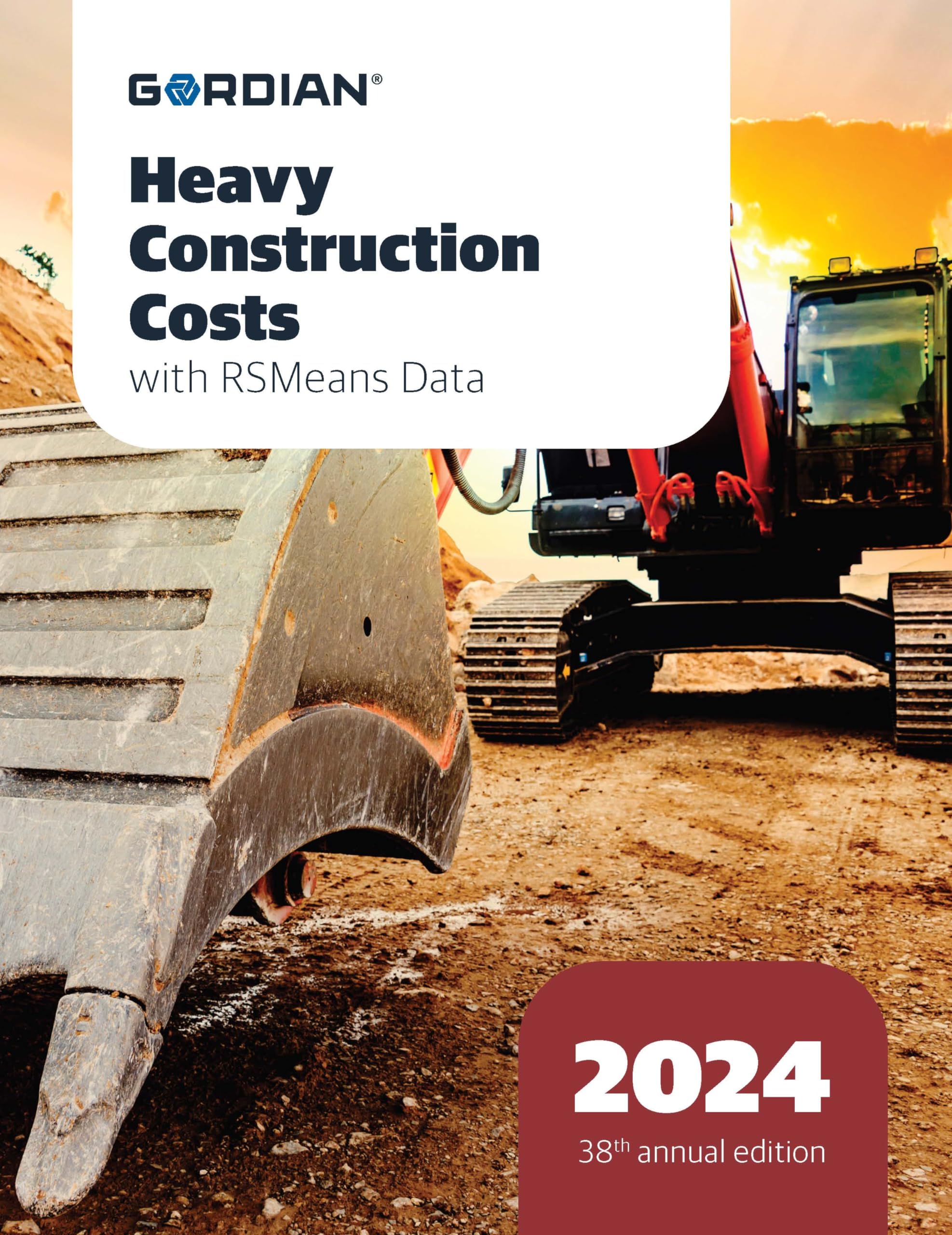
RS Means Cost Data has been on my mind lately as I plan a home renovation project. It's an important step to get the right info before you start, so I wanted to learn more.
I discovered that RS Means Cost Data is a valuable resource for anyone in the construction industry, whether you're a homeowner, a contractor, or a business owner. It's a comprehensive database that provides cost information for various construction projects, materials, and labor. This data is crucial for accurate estimating and budgeting, especially when you're considering a remodel or new build.
Understanding the Data
RS Means Cost Data offers a wealth of information, but it's not just a simple list of prices. The database includes detailed cost breakdowns for different construction tasks, materials, and equipment. It considers factors like location, labor rates, and material costs, which can vary significantly. For example, the cost of a bathroom renovation in Atlanta might be different from that in Helena due to regional variations in labor and material prices.
The data is also useful for comparing quotes from contractors. You can use RS Means Cost Data to ensure that the estimates you receive are fair and accurate. It's a great way to avoid overpaying or getting scammed. Just remember that the data is a guide, and actual costs can vary depending on the specifics of your project.
Hiring a Contractor
When it comes to hiring a contractor, RS Means Cost Data can be a valuable tool. It can help you understand the scope and cost of your project, so you know what to expect and can ask the right questions. Before hiring, check that the contractor has experience with similar projects and ask for references.
A good quote should include a detailed breakdown of costs, including materials, labor, and any additional fees. It's also a good idea to get multiple quotes to compare and ensure you're getting a competitive price. Remember, the cheapest quote might not always be the best option.
Company Names and Ideas
For those starting a construction business, choosing a name is an important step. A good name should be memorable, unique, and reflect your business values. Here are a few ideas:
- BuildRight Construction
- HomeCrafters
- Solid Foundations
- Modern Builders
- Eco-Friendly Renovations
Remember to check name availability and register your business locally to avoid any legal issues.
Jobs and Salaries
The construction industry offers a range of roles, from general contractors to estimators and project managers. Salaries can vary depending on experience, location, and the size of the company. For example, an estimator in a large firm in San Francisco might earn a different salary compared to one in a smaller town.
If you're looking for construction jobs, online job boards and local recruitment agencies are good places to start.
Data and Tools
RS Means Cost Data is just one of many tools available to the construction industry. Other resources include cost databases, escalation indexes, and outlook reports. These tools help businesses and homeowners plan and budget for construction projects, providing valuable insights into the industry.
Big Companies and the Industry
Large construction firms often have an advantage when it comes to resources and scale. They might have access to better materials, more specialized equipment, and a larger pool of skilled labor. However, smaller companies can offer personalized service and a more tailored approach.
The construction industry is diverse, and the size of the company doesn't always determine its success or quality of work. It's important to research and choose the right company for your specific needs, whether it's a large corporation or a local, family-run business.
So, whether you're a homeowner planning a renovation or a business owner looking to expand, RS Means Cost Data is a great resource to have in your toolkit. It's a simple yet powerful tool that can help you navigate the construction world with confidence.
Related: Find the Right Wood BTU Chart for Your Needs
Many people mistakenly assume that all wood types provide the same heat output, but this is far from the truth. The wood btu chart is a valuable tool that dispels this myth, offering a clear, data-driven way to compare wood types and their energy content. This chart is a straightforward reference, presenting the heat output, or BTU (British Thermal Unit), of various woods, which helps you make informed choices about firewood selection and usage. While the exact values may vary slightly depending on factors like moisture content, the wood btu chart provides a reliable guide to understanding wood fuel efficiency and heat output per cord.
A Practical Guide to the Wood BTU Chart
The wood BTU chart is a valuable tool for anyone using wood as a fuel source. It provides a clear and concise reference for understanding the heating potential of different wood types. This chart offers a quick and easy way to compare the energy content of various woods, helping you make informed decisions about fuel efficiency.
Comparing Wood Types and Their BTU Values
The wood BTU chart typically presents a range of common wood species, each with its own heating value, measured in BTUs (British Thermal Units). You'll find familiar woods like oak, maple, and pine, each with its unique energy content. The chart may also include less common varieties, offering a comprehensive overview. These values represent the heat output per unit of wood, allowing you to compare the efficiency of different woods.
Step-by-Step Guide to Using the Wood BTU Chart
Using the wood BTU chart is straightforward. First, identify the wood type you are interested in. Then, locate it on the chart and note the BTU value. This value represents the heat energy released when burning a specific amount of that wood. For instance, if you're using oak, you might find it has a higher BTU value than softer woods like pine, indicating its superior heating potential. This simple process allows you to choose the most suitable wood for your needs.
Avoiding Common Misreadings and Pitfalls
It's essential to understand that the values on the wood BTU chart are approximate and can vary. Factors like moisture content and wood density can significantly impact the actual heating value. Wet wood, for example, will have a lower BTU output than dry wood of the same type. Always ensure the wood you're using is well-seasoned and has the standard firewood moisture content of around 20% for accurate results.
Key Factors Affecting Accuracy and Real-World Use
- Moisture Content: The moisture level in wood is a critical factor. Wet wood burns inefficiently and produces less heat.
- Wood Species: Different woods have varying natural densities and energy contents.
- Seasoning Time: Properly seasoned wood is essential for accurate BTU calculations.
- Cord Measurements: Ensure you understand the standard heat output per cord to make accurate comparisons.
- Regional Variations: Some charts may have regional differences, so check the applicable standards.
Remember, while the wood BTU chart is a valuable tool, it's just a guide. Always consider the specific conditions and requirements of your situation for the most accurate and efficient wood fuel use.
Your wood BTU chart is a handy tool, a quick reference guide to keep close by. It offers a simple yet effective way to compare and understand the energy content of different wood types, an essential step when planning your fuel sources.
Remember, while this chart provides a great starting point, it's always wise to double-check the specific requirements for your project or situation. Exact values can vary, so ensure you have the right data for your needs. Bookmark this page for future reference; it might just save you some time and effort down the line!
Related: Names For Construction Essential Guide
I was chatting with a friend the other day about home renovations, and the topic of names for construction came up. It got me thinking about all the different aspects of the industry and how important names are in this field. So, let's dive in and explore what this phrase really means and why it matters.
Unraveling the Mystery: What's in a Name?
When it comes to construction, the name of a company or project can say a lot. It's often the first impression you get of a business and can give you an idea of their expertise and services. A good name can make a company stand out and leave a lasting impression. So, choosing the right name is crucial for any construction business or project.
The name should reflect the nature of the work and the company's values. It's a chance to showcase your unique selling point and attract the right clients. For example, a name like "Green Builders" might suggest an eco-friendly approach, while "Renovation Experts" could indicate a focus on home remodeling. The right name can help you find your niche and attract the right opportunities.
Naming Tips and Tricks
Coming up with a great name can be a challenge, but here are a few tips to get you started:
- Keep it simple and memorable. A short, catchy name is easier to remember and can be more effective.
- Consider using a combination of words that describe your business or services. For instance, "Build & Design" or "Remodel Masters."
- Think about your target audience and what they might find appealing. A name that resonates with your ideal clients can be a powerful tool.
- Check for availability and trademark issues. You don't want to choose a name only to find out it's already taken or has legal restrictions.
Here's a short list of some original name ideas to inspire you:
- BuildPro
- Constructo
- HomeCraft
- Renov8
- EcoBuild
- Structure Solutions
Construction Jobs and the Industry
The construction industry offers a wide range of roles and opportunities. From general contractors to estimators and project managers, there are various paths to explore. These jobs involve managing projects, estimating costs, and overseeing the entire building process. It's a dynamic industry with a lot of growth potential.
When it comes to salaries, it depends on the role, experience, and location. Construction jobs can offer competitive wages, and with the right skills and expertise, you can build a successful career. Many opportunities are available in cities like Houston, Atlanta, and San Francisco, where the construction industry is thriving.
Costs and Quotes: A Practical Guide
Understanding costs is essential when it comes to construction. The price of a project can vary greatly depending on factors like size, materials, and labor costs. It's always a good idea to get multiple quotes to compare and ensure you're getting a fair deal.
When comparing quotes, look beyond the price. Consider the scope of work, the company's reputation, and their experience. A lower price might not always be the best option if it means cutting corners or using lower-quality materials. Ask for references and check their previous work to get a sense of their quality and reliability.
Data and Tools: Behind the Scenes
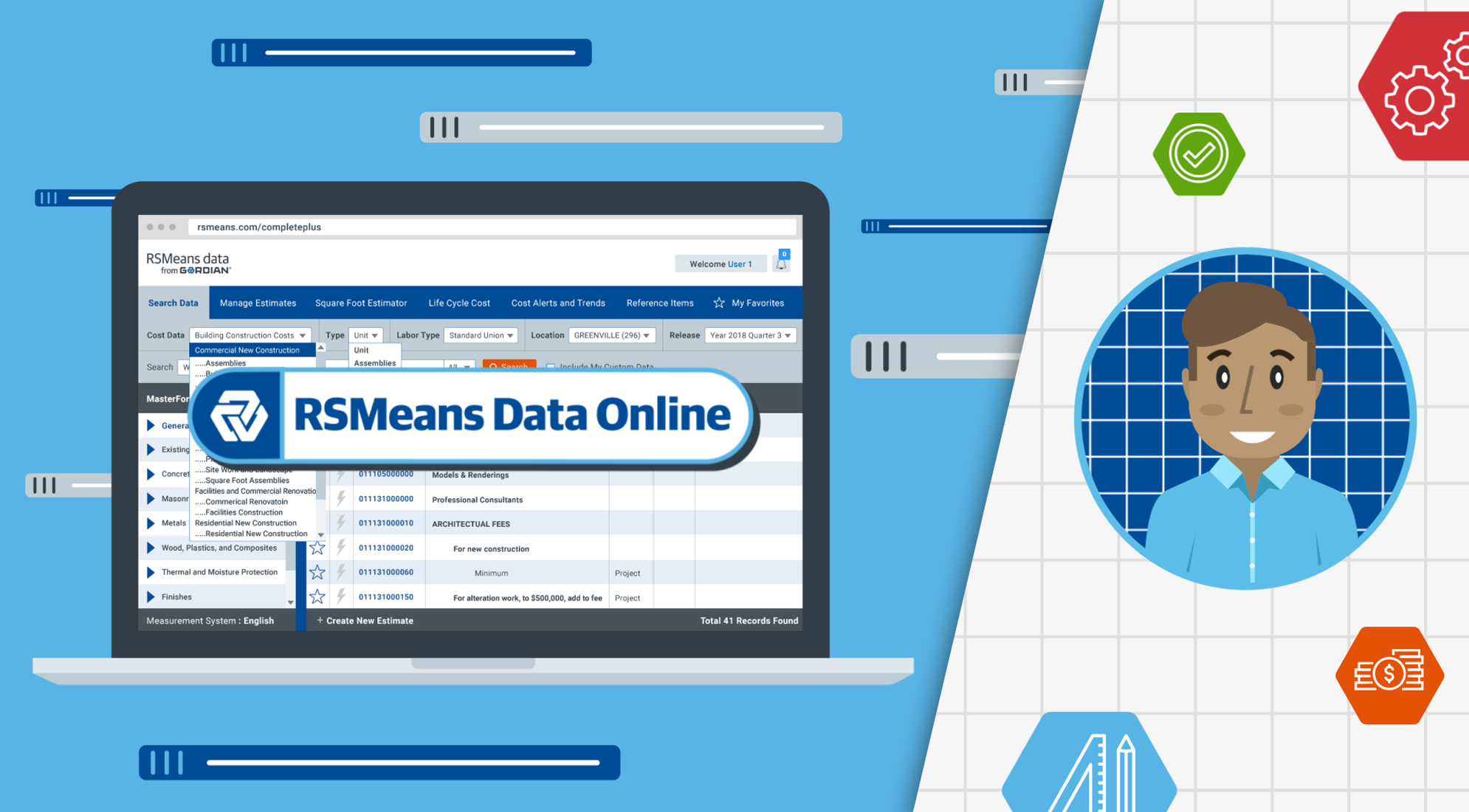
In the construction industry, tools like RSMeans provide valuable data and cost estimates. These resources help professionals make informed decisions and plan projects effectively. RSMeans, for example, offers cost databases and escalation tools to account for potential price changes. It's a useful resource for contractors and estimators.
Wrapping Up
So, there you have it! Names for construction might seem like a simple phrase, but it covers a lot of ground. From naming your business to understanding the industry and its costs, there's a lot to consider. I hope this has given you some insights and inspired you to explore further. Remember, the construction industry is full of opportunities, and a great name can be your first step towards success.