




Freelance Invoice Germany Template Overview
An Aritzia size chart is your go-to resource for navigating the brand's sizing with ease. This guide will show you how to use it effectively, ensuring you find the perfect fit for your favorite Aritzia pieces. From understanding the measurements to knowing the brand's unique sizing system, we'll cover it all.
Understanding the Ariztia Size Chart: Your Guide to Perfect Fit
The aritzia size chart is your go-to tool for finding the right fit in Ariztia clothing. It's a simple yet effective way to ensure you get the perfect size every time. This chart provides a clear overview of the brand's size range and helps you understand your ideal measurements.
Comparing Size Standards: US vs. International
Ariztia's size chart follows the standard US sizing system, which is commonly used in North America. However, it's important to note that clothing measurements can vary slightly between brands and regions. If you're used to international sizing, you may find a slight difference in the fit. The chart offers a size conversion guide to help you navigate these variations.
How to Use the Ariztia Size Chart: A Step-by-Step Guide
Measure yourself accurately: Take your measurements using a measuring tape. Focus on the key areas: bust, waist, and hips. These measurements are crucial for finding the right size.
Refer to the size chart: Locate your measurements on the chart. The chart provides a range of sizes, typically from XS to XXL. Find the size that aligns with your bust, waist, and hip measurements.
Consider the style: Different clothing styles may have varying fits. Some styles may run smaller or larger, so pay attention to the aritzia fit guide notes on the chart. These notes provide valuable insights into how a particular style fits and can help you make an informed choice.
Double-check the size: If you're between sizes, it's always a good idea to go up a size. Ariztia's clothing tends to fit true to size, but it's better to err on the side of comfort. Trust your measurements and the chart to guide you towards the perfect fit.
Common Misreadings and How to Avoid Them
One common pitfall is assuming that all brands follow the same sizing standards. While Ariztia's size chart is reliable, it's essential to remember that clothing measurements can vary. Always refer to the specific brand's size guide to avoid any surprises.
Additionally, pay attention to the style of the clothing. Some styles, like tailored dresses or skinny jeans, may have a different fit than you expect. The aritzia size chart provides helpful notes to guide you, but it's always a good idea to read the product description for any specific fit details.
By following these simple steps and being mindful of potential variations, you'll master the art of using the aritzia size chart to achieve a perfect fit every time you shop with Ariztia.
Well, there you have it! A handy guide to navigating the Ariztia size chart with ease. Remember, while the basics remain the same, there might be slight variations depending on the specific item and its unique fit.
Feel free to explore other guides on our site for more practical tips and tricks. We've got you covered with simple, straightforward advice to make your shopping experience a breeze!
Related: Houston Contracting Company Reliable Guide
I'm thinking about giving my Houston home a makeover. You know, a fresh coat of paint, maybe some new fixtures, and a general spruce-up. It's got me wondering about Houston contracting company options and what I should look for.
All About Houston Contracting Companies
When you're ready to transform your Houston home, you'll want to find a reliable contracting company to bring your vision to life. These companies offer a range of services, from construction and remodeling to home additions and renovations. They're the experts who can guide you through the process, ensuring your project is completed safely and efficiently.
The key to a successful project is finding the right contractor. You'll want to consider their experience, reputation, and the services they offer. Check online reviews and ask for references to ensure they've delivered quality work in the past. It's also crucial to get multiple quotes to compare pricing and ensure you're getting a fair deal.
What to Expect and How to Prepare
Houston contracting companies will typically provide an estimate based on the scope of your project. This estimate will cover the cost of materials, labor, and any necessary permits. Keep in mind that prices can vary depending on the complexity of the work, the materials you choose, and the current market rates for labor.
Before hiring a contractor, ask for a detailed breakdown of the costs. This should include a timeline for the project, any potential extra charges, and a warranty or guarantee for their work. It's a good idea to get a few quotes to compare and ensure you're getting a competitive price.
Naming and Branding
Naming a construction business can be fun! It should be catchy, memorable, and reflect the services you offer. Some Houston-based companies have creative names like "Houston Home Renovations," "Build-It-Right Contractors," or "Texas Transformations." These names are unique and give a clear idea of what the company does.
When choosing a name, make sure it's available for registration and that the domain name is free. You don't want any legal issues or confusion with an existing business.
Jobs and Opportunities
The construction industry offers a variety of roles, from general contractors and project managers to estimators and skilled laborers. These jobs often require specific skills and qualifications, so it's a good idea to check with industry bodies or local colleges for training and certification programs.
When looking for construction jobs, online job boards and industry-specific websites are great resources. You can also check with local contracting companies directly to see if they're hiring.
Industry Tools and Data
The construction industry uses various tools and resources to estimate costs and plan projects. One popular tool is RSMeans, which provides comprehensive cost data for construction projects. This data helps contractors and estimators create accurate quotes and manage project budgets.
While tools like RSMeans are valuable, they're just one part of the process. Contractors also need to consider local market conditions, labor rates, and the specific requirements of each project.
Large vs. Small Companies
Houston, like many cities, has a mix of large and small contracting companies. Large firms often have more resources and can take on bigger, more complex projects. They may also have specialized departments for different aspects of construction, like design or engineering.
Smaller companies, on the other hand, can offer a more personalized service. They're often more flexible and can provide a closer working relationship with the client. Both have their advantages, so it's a matter of finding the right fit for your project.
Final Thoughts
Finding the right Houston contracting company for your project is an important decision. Take your time, do your research, and don't be afraid to ask questions. With the right contractor, you can turn your Houston home into the space of your dreams.
Related: Understanding the Mens Size Chart
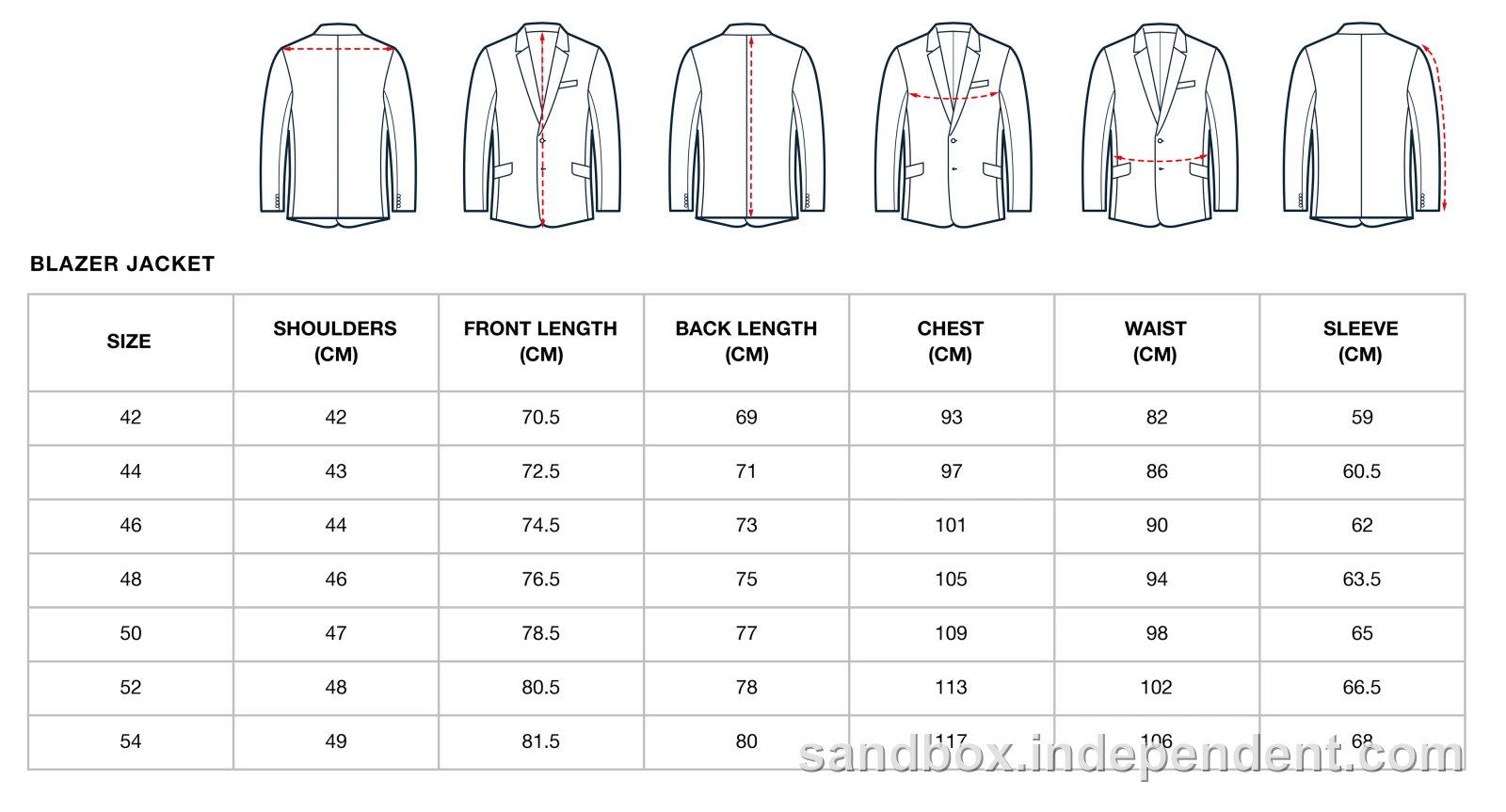
You've found yourself searching for a mens size chart, perhaps for a specific item or to understand the sizing standards better. This chart is a handy tool, offering a quick and visual way to navigate clothing and shoe sizes, especially when you need to get the right fit. It provides a simple reference, often with clear columns and rows, making it easy to find your size and ensure a comfortable, well-fitted garment. While the values and formats may vary, depending on the brand or region, the mens size chart is a reliable starting point for anyone seeking a precise fit.
Understanding the Mens Size Chart
The mens size chart is a valuable tool for anyone looking to find the perfect fit for their clothing or footwear. It provides a standardized guide to help determine the right size for men's garments, ensuring a comfortable and well-tailored look. This chart simplifies the process of finding your size by offering a clear reference for various measurements.
Key Measurements Explained
The mens size chart typically includes essential measurements such as chest, waist, and hip circumference, along with height and sometimes sleeve length. These measurements are presented in a tabular format, with columns indicating different sizes and rows for each measurement. The chart may also include a size guide, offering a quick reference for the corresponding measurements of each size.
Reading and Applying the Chart: A Step-by-Step Guide
Identify the measurement you need: Start by determining the specific measurement you want to find, whether it's chest size, waist size, or any other relevant dimension.
Locate the correct column: Find the column on the chart that corresponds to the size you believe you are. This is usually indicated by a size label, such as "Small," "Medium," or "Large."
Check the measurements: Within the chosen column, look for the row that matches the measurement you're seeking. For instance, if you're finding your chest size, locate the row labeled "Chest."
Compare and select: Compare the measurement on the chart with your own body measurements. If your measurement falls within the range provided, that size should be a good fit. If not, try the next size up or down and repeat the process until you find the closest match.
Consider other factors: While the chart provides a general guide, individual body shapes and preferences may vary. Consider factors like your desired fit (loose or fitted) and the style of the garment when making your final size selection.
Common Size Variations and Their Causes
Size charts can vary depending on several factors. One significant influence is the standard being used, as different regions and manufacturers may have their own sizing systems. For instance, a size "Medium" in the US may not align with a "Medium" in Europe. Additionally, the intended use of the garment can impact sizing; athletic wear, for example, often has a different fit compared to casual wear. It's essential to be aware of these variations and refer to the specific size chart provided by the brand or retailer.
Mistakes to Avoid and How to Get it Right
A common mistake is relying solely on your usual size without considering the specific brand or style. Each brand may have its unique sizing, so it's crucial to refer to the provided size chart. Additionally, ensure you measure yourself accurately, as slight variations can make a difference in finding the perfect fit. Always double-check the measurements against the chart to avoid any sizing errors.
Tips for Accurate Sizing and a Perfect Fit
To ensure an accurate fit, measure yourself with a flexible tape measure. Take your measurements while wearing minimal clothing to get the most precise results. If you're between sizes, consider the fabric and style of the garment. Some materials have more give, allowing for a slightly looser fit, while others may be more structured and require a precise size match. Don't be afraid to try on different sizes and trust your judgment based on the provided size chart and your own comfort.
While we've covered the essentials, it's worth noting that the specifics of size charts can vary, so it's always a good idea to double-check the source and ensure you're using the right measurements for your context.
Don't worry, though; with a bit of practice, reading and applying size charts will become second nature. If you ever need a quick refresher, feel free to revisit this guide or explore our other helpful references. It's always good to have these tools at your fingertips!