









Freelance Invoice Manager Overview
I'm thinking of doing some home improvements, and I've been hearing a lot about field construction managers. Who are these people, and what do they do exactly? I want to know if I need one for my project and what to expect.
The Role of a Field Construction Manager
A field construction manager is a vital part of any construction project, big or small. They're the ones on the ground, overseeing the day-to-day operations and making sure everything runs smoothly. These managers ensure the job stays on track, on budget, and up to standard. They coordinate with contractors, workers, and suppliers to keep the project moving forward.
The field construction manager's role is critical, especially for larger projects or those with tight deadlines. They're the go-to person for any issues that arise, from material delays to unexpected structural challenges. Their job is to find solutions and keep the project from derailing.
Hiring a Field Construction Manager
When it comes to hiring a field construction manager, it's important to do your research. Check their qualifications, experience, and references. You want someone with a proven track record of successful project management. Ask about their approach to problem-solving and how they handle unexpected issues.
Get a few quotes and compare them. While price is a factor, it's not the only one. Look at the overall value they offer. A good field construction manager should provide a detailed proposal outlining their services, timeline, and any potential risks or challenges they foresee.
Company Names and the Industry
Naming a construction company can be tricky. You want something memorable and unique, but it also needs to reflect your business and services. Some successful construction company names combine a personal touch with a nod to the industry, like "Build-It-Right" or "Hammer and Nail Pros."
Other companies opt for a more creative approach, like "Renovation Revolution" or "Constructive Solutions." The key is to ensure the name is available for use and to check domain and local registration before committing.
Jobs and the Construction Industry
The construction industry offers a range of roles, from field construction managers to estimators, project coordinators, and skilled tradespeople. Each role has its own set of challenges and rewards.
Field construction managers, for example, often work long hours and need to be on-site regularly. They need strong organizational skills, the ability to think on their feet, and excellent communication. It's a demanding but rewarding career, and many find the satisfaction of seeing a project through from start to finish a huge motivator.
Tools of the Trade
In the construction industry, tools like RSMeans can be a huge help. RSMeans is a cost database and estimating tool used by many in the industry. It provides valuable data on construction costs, helping managers and estimators create accurate budgets and quotes.
While tools like RSMeans are great resources, they're just one part of the picture. The construction industry is constantly evolving, and staying up-to-date with the latest tools, techniques, and trends is key to success.
The Big Picture
The construction industry is diverse, with companies of all sizes. Larger firms often have the resources to take on bigger, more complex projects, but that doesn't mean smaller companies can't compete.
Smaller construction companies may have a more personal, hands-on approach, which can be appealing to certain clients. It's all about finding the right fit for your project and your needs.
Wrapping Up
So, there you have it. A field construction manager is a vital role in any construction project. They keep things running smoothly and ensure the job is done right. If you're considering a construction project, it's worth considering hiring one. Do your research, get quotes, and find the right fit for your needs. It could make all the difference in the success of your project.
Related: How to Use the Helmet Size Chart
Many folks assume that a helmet size chart is a one-size-fits-all guide, but that's not always the case! While it's a handy tool, it's important to understand that these charts can vary and are tailored to specific standards and brands.
So, when you're measuring for a new helmet, whether it's for biking, skiing, or any other adventure, remember that the helmet size chart is your friend, but it's just one part of the sizing process. You'll want to ensure an accurate head circumference measurement and consult a helmet size guide or fitting guide for the best results.
Understanding Helmet Size Charts
Helmet size charts are your go-to guide for ensuring a perfect fit. They're like a map, showing you the different sizes and helping you find the right one for your head. These charts are essential for anyone looking to buy a helmet, be it for cycling, skiing, or any other activity.
Key Details and Categories
The helmet size chart typically includes two main measurements: head circumference and helmet size. Head circumference is the key measurement, often given in inches or centimeters, and it's a crucial factor in finding the right fit. Helmet sizes, on the other hand, can vary depending on the standard and the type of helmet. Some charts may use letters (e.g., S, M, L) or numerical ranges to represent sizes.
Reading and Applying the Chart
Using a helmet size chart is straightforward. Here's a step-by-step guide:
- Measure your head circumference. Wrap a flexible tape measure around the widest part of your head, just above your eyebrows and ears. Ensure it's not too tight or too loose.
- Refer to the chart and locate your head circumference measurement. This will give you a range of helmet sizes that should fit you.
- Try on helmets within this size range. Adjust the helmet's fit system (if available) to achieve a snug, comfortable fit.
- Ensure the helmet sits level on your head, covering your forehead and not tilting back. It should feel secure without excessive pressure.
Variations and Differences
Variations in helmet size charts can arise due to different standards and manufacturers. Here are some key factors to consider:
- Measurement Units: Some charts use inches, while others use centimeters. Always check the units to ensure accurate readings.
- International Standards: Different countries may have their own sizing standards. For example, the US and Europe might use different size ranges.
- Helmet Type: The chart may vary based on the helmet's purpose. A cycling helmet size chart might differ from a motorcycle helmet chart.
- Manufacturer Preferences: Some brands might have slightly different sizing guidelines, so always refer to their specific charts.
Common Mistakes and How to Avoid Them
When using a helmet size guide, avoid these common pitfalls:
- Wrong Measurement: Ensure you measure your head accurately. A slight difference can lead to an ill-fitting helmet.
- Assuming Sizes are Universal: Don't assume that all helmets of the same size will fit the same. Always refer to the specific chart for each helmet.
- Neglecting Comfort: A helmet should feel comfortable and secure. Don't sacrifice comfort for a "close enough" fit.
Practical Tips for Accurate Results
To ensure you get the perfect fit, consider these tips:
- Measure your head circumference multiple times to ensure consistency.
- If you're between sizes, opt for the larger size to allow for a comfortable fit.
- Try on helmets in-store if possible, as this gives you a better idea of the fit and comfort.
- Consider the shape of your head. Some helmets are designed for specific head shapes, so pay attention to this detail.
Double-Checking and Handling Exceptions
While helmet size charts are a great guide, there are some cases where you might need to double-check:
- If you have an unusually shaped head, consult an expert or a professional fitter.
- For custom-fit helmets, the manufacturer's guidelines should be followed precisely.
- In cases of extreme head sizes (very large or very small), specialized helmets might be required. Always check with experts or medical professionals in such cases.
Remember, a properly fitted helmet is crucial for your safety and comfort. Take the time to understand and utilize the helmet size chart effectively.
Well, there you have it! A helmet size chart is a handy tool to ensure a perfect fit, and it's important to understand the basics and know the potential variations.
Remember, while this guide offers a solid framework, every situation is unique. So, take a moment to consider your specific needs and requirements. Whether it's for cycling, skiing, or any other activity, ensure you're aware of any unique standards or guidelines that may apply. With that in mind, you're all set to measure and find the perfect helmet size!
Consider bookmarking this page for future reference; it's always good to have a quick and easy reminder when you need it. Happy measuring, and stay safe out there!
Related: How to Read the Eagles Depth Chart?
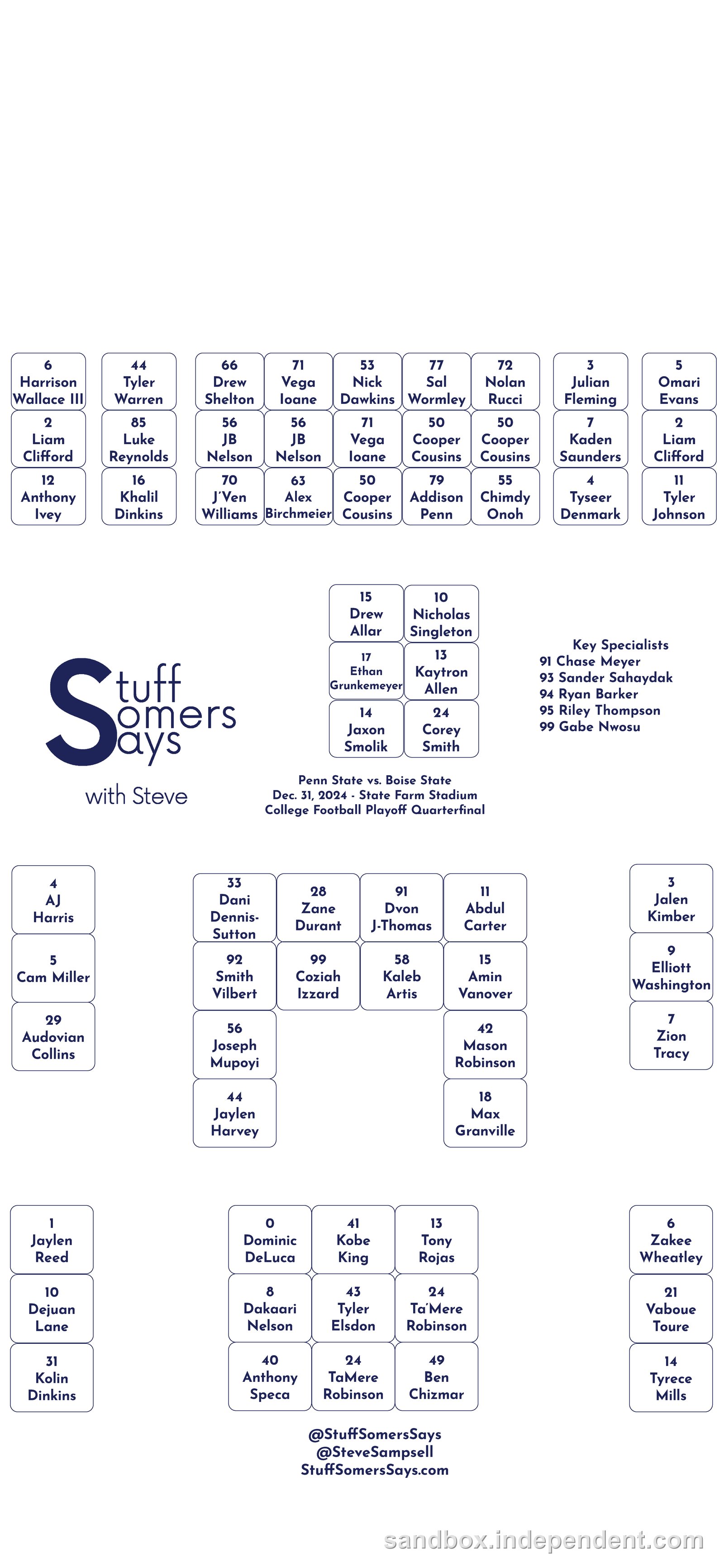
You've landed on this page, so you're likely seeking a quick glimpse at the eagles depth chart or wanting to understand its layout. It's a handy tool for eagle enthusiasts and bird watchers, offering a simple way to visualize the hierarchy and organization of these majestic birds. The chart provides a snapshot of eagle species, with potential variations depending on your region and the specific eagles you're studying. It's a great reference, especially when you're out spotting these birds of prey and need a quick reminder of their unique characteristics and rankings.
Understanding Rankings: Eagles Depth Chart 101
The eagles depth chart is a valuable tool for bird enthusiasts and observers, offering a structured overview of eagle species and their unique characteristics. It's like a roadmap to the world of eagles, helping you navigate and understand these magnificent birds better. This chart ranks and organizes eagles based on various factors, providing a quick reference guide.
Comparing Standards and Formats
When it comes to eagles depth charts, there can be variations in the standards and formats used. Different regions and organizations may have their own ways of categorizing and presenting eagle data. For instance, some charts might focus on size and wingspan, while others prioritize hunting techniques or breeding behaviors. It's important to be aware of these differences to interpret the charts accurately.
Step-by-Step Guide: Using the Eagles Depth Chart
Using the eagles depth chart is straightforward and practical. Here's a simple guide:
Start by identifying the purpose of your observation. Are you interested in eagle sizes, hunting strategies, or something else?
Locate the relevant section on the chart. It will typically have categories like size, hunting techniques, or breeding behaviors.
Within each category, you'll find a ranking or list of eagle species. Compare the values or descriptions to identify the eagles that match your interest.
Take note of any additional information provided on the chart, such as brief descriptions or fun facts.
Cross-reference with other resources if needed, especially for specific details or regional variations.
Common Misreadings and Pitfalls
One common mistake is assuming that all eagles depth charts are universal. While they provide a great overview, certain charts may have limitations or focus on specific aspects. Always double-check the chart's scope and purpose to ensure you're using it correctly. Additionally, be cautious of charts that claim to cover every detail; sometimes, more specialized resources are needed for specific information.
Factors Affecting Accuracy and Real-World Use
The accuracy of eagles depth charts can be influenced by various factors. Firstly, the data collection methods and sources play a crucial role. Charts based on extensive research and reliable data are more accurate. Secondly, regional variations and eagle behaviors can impact the rankings. Eagles in different parts of the world may exhibit unique characteristics, so it's important to consider the chart's geographical focus. Lastly, the chart's purpose and intended audience can affect its content and presentation.
Adapting the Format for Specific Needs
The beauty of eagles depth charts is their adaptability. If you have specific requirements or a unique focus, you can create or customize a chart to suit your needs. For instance, if you're interested in eagle breeding pairs, you can design a chart that highlights this aspect, including information on nesting behaviors and preferred habitats. This flexibility allows you to create a personalized tool for your bird-watching adventures.
Remember, while these depth charts offer a great starting point, the specifics can differ based on your unique circumstances. It's always a good idea to tailor them to your needs and keep an eye on any updates or changes.
Feel free to explore our other guides for more practical insights and tips. We've got a range of topics covered, so you can dive deeper into the world of sports analysis and strategy. Happy reading!