



French Wine Region Nyt Overview
A wine sweet chart is a handy tool for any wine enthusiast, offering a simple and visual way to understand the sweetness levels in your favorite wines. This guide will cover the basics, helping you read and interpret these charts like a pro.
It's a great reference, especially when you want to explore new wines and understand their sweetness. The charts provide a quick insight into the wine's sugar content, often measured as residual sugar, and can vary depending on the wine's style and origin.
The Wine Sweet Chart: Your Guide to Wine Sweetness
The wine sweet chart is a handy tool that wine enthusiasts and professionals use to understand and communicate the sweetness levels of different wines. It provides a standardized way to measure and categorize wine based on its residual sugar content, offering a clear indication of how sweet or dry a wine is.
Key Details and Categories
The chart typically presents a range of sweetness levels, often using a scale of 0 to 10 or 0 to 100, with 0 representing a bone-dry wine and higher numbers indicating increasing sweetness. This scale is a relative measure, allowing for easy comparison between wines. The categories are usually defined by specific sugar content ranges, such as 0-1 g/L for dry wines and 100+ g/L for very sweet wines.
Reading and Applying the Wine Sweet Chart
To use the wine sweet chart, follow these steps:
Identify the wine's sweetness level: Look for information on the wine's label or consult a wine guide or expert to determine its sweetness category.
Understand the scale: The chart provides a visual representation of the sweetness range, with dry wines at one end and very sweet wines at the other.
Interpret the values: Each wine on the chart is assigned a number or category, indicating its sweetness level. For example, a wine labeled as "Off-Dry" might fall between 1 and 3 on a 0-10 scale.
Apply the knowledge: Knowing a wine's sweetness level can help you choose the right wine for a meal, pair it with appropriate foods, or simply understand its unique characteristics.
Variations and Differences
It's important to note that the wine sweet chart may vary depending on the standard or region. Different wine-producing countries or organizations may use slightly different scales or categories. For instance, the International Organisation of Vine and Wine (OIV) uses a 0-400 scale for residual sugar, with specific categories like "Dry" (0-4 g/L) and "Very Sweet" (120-400 g/L). Always refer to the specific standard being used to ensure accuracy. Additionally, factors like fermentation, climate, and grape variety can influence a wine's sweetness, leading to variations within the same category.
Well, there you have it! A handy wine sweet chart, a simple yet effective tool to navigate the world of wine sweetness. Remember, while the basics remain the same, the exact details might shift a little depending on the source and context.
Feel free to bookmark this page for future reference; it's a quick and easy way to ensure you always have a sweet guide at your fingertips! We've got plenty more guides like this, so be sure to check them out for all your wine-related queries.
Related: French Door Installation Cost Easy Guide
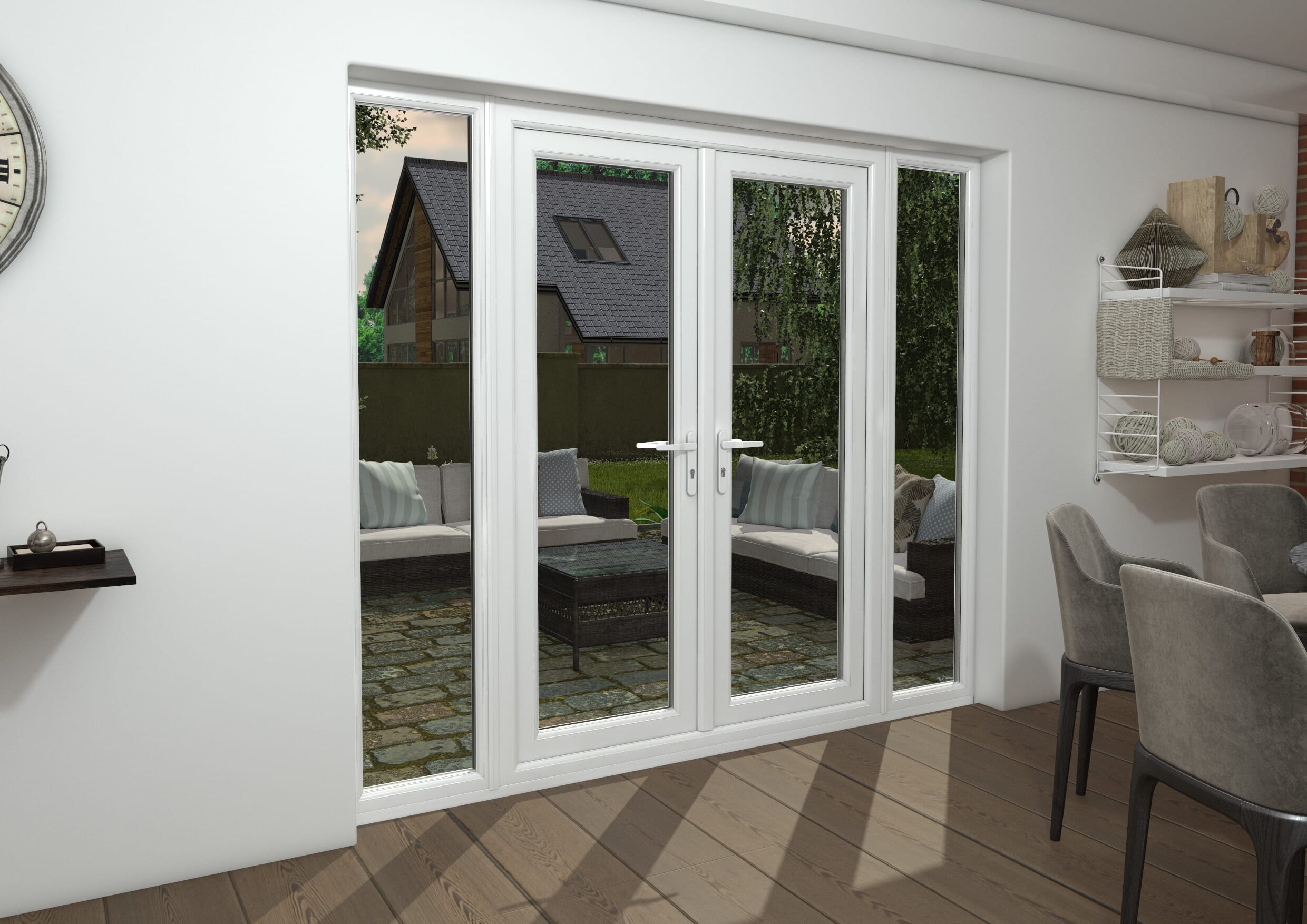
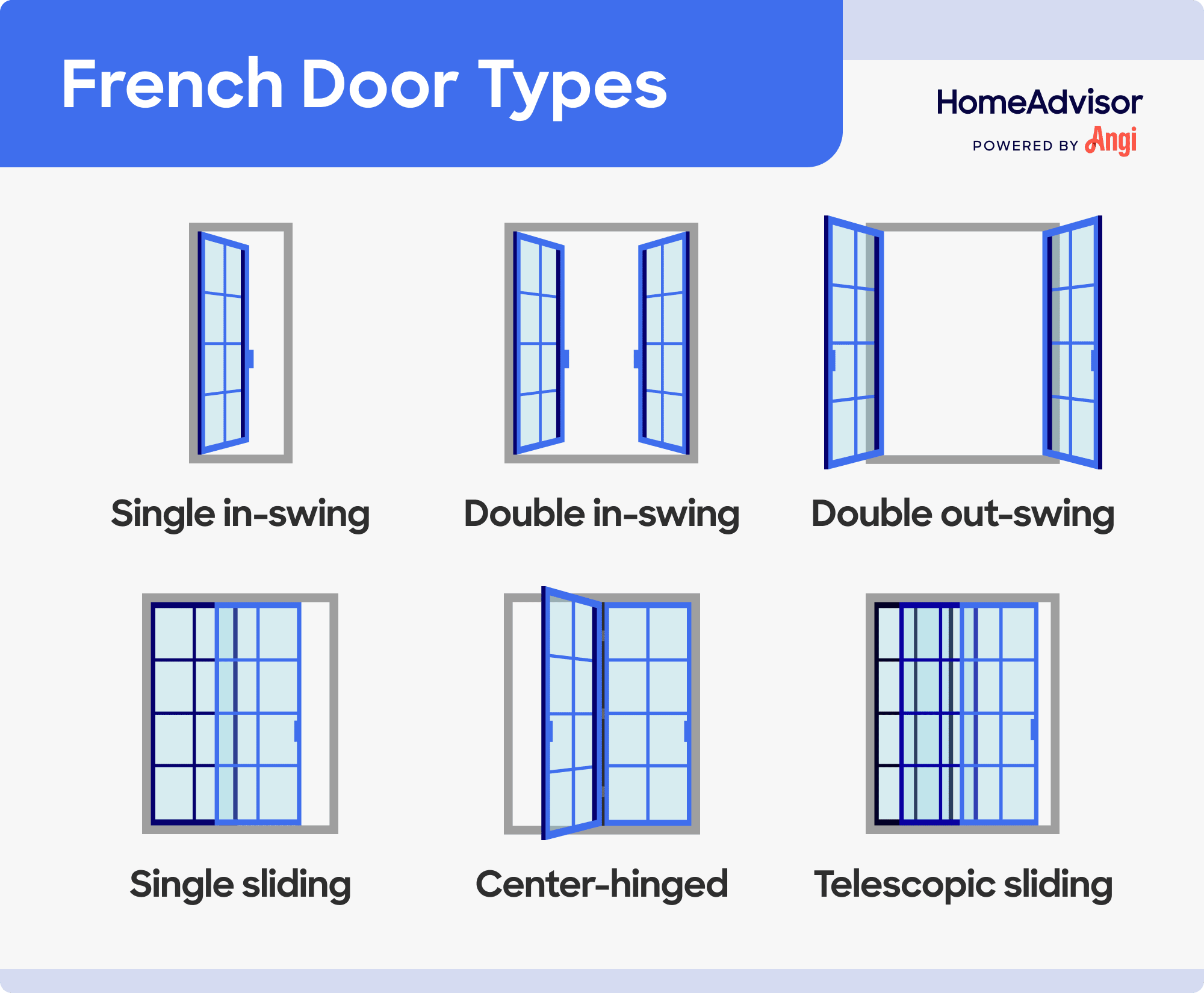
I was browsing home improvement ideas online when I stumbled upon the phrase "french door installation cost." It got me thinking about how much it would cost to install those elegant, wide-opening doors in my own home. So, I decided to do some research and share my findings with fellow homeowners.
Understanding French Door Installation Costs
When it comes to installing French doors, there are a few key factors that can influence the overall cost. Firstly, the size and style of the doors themselves play a significant role. French doors come in various materials, including wood, fiberglass, and vinyl, each with its own price range. The size of the opening and the number of doors you need will also impact the final cost.
Another major factor is the labor involved. Installing French doors requires skilled labor, and the complexity of the job can vary. If the installation is straightforward, with no major structural changes needed, the labor costs will likely be lower. However, if additional work is required, such as modifying the door frame or making adjustments to the surrounding walls, the labor costs will increase accordingly.
Getting Quotes and Comparing Prices
To get an accurate idea of the french door installation cost, it's essential to obtain quotes from multiple contractors or remodeling companies. When requesting quotes, be sure to provide detailed information about your project, including the size and style of doors you want, the current state of your door frame, and any specific requirements or preferences you have.
When comparing quotes, look beyond the bottom line. Consider the reputation and experience of the companies, their warranties and guarantees, and the level of detail provided in their quotes. A comprehensive quote should include a breakdown of costs, covering materials, labor, and any additional expenses like permits or disposal fees.
Choosing a Contractor or Company
Selecting the right contractor or company for your French door installation is crucial. Here are a few tips to help you make an informed decision:
- Check their credentials and licensing. Ensure they are properly licensed and insured for the work they will be performing.
- Ask for references and read online reviews. Previous customers' experiences can provide valuable insights.
- Inquire about their experience with French door installations. Ask to see examples of their work and how they handle potential issues or challenges.
- Get a clear understanding of their warranty and guarantee policies. This will give you peace of mind in case any issues arise after the installation.
Company Names and Naming Ideas
When it comes to naming a construction or remodeling business, simplicity and clarity are often best. A name should reflect the services offered and be easy to remember. Here are a few original name ideas for construction companies:
- BuildCraft
- HomeCrafters
- Structure Solutions
- Renovate & Revive
- DoorWay Innovations
- Framing Future
Remember to check the availability of the name, domain, and local registration before finalizing your choice.
Wrapping Up
Understanding the factors that influence french door installation cost and taking the time to research and compare quotes will help you make an informed decision. Whether you're looking to enhance your home's curb appeal or improve functionality, French doors can be a beautiful addition. So, take that first step, gather some quotes, and start planning your home improvement project!
Related: How to Read the Charter Oak Winery's Chart?
If you're seeking a quick reference on a specific winery, you've come to the right place. Charter Oak Winery is a name that might ring a bell for wine enthusiasts, and it's no surprise, given their reputation for quality. This winery, known for its attention to detail, offers an extensive wine list, providing an array of choices for any occasion. From the classic oak barrel aging to modern wine production processes, their wines are a true reflection of their dedicated craft.
Charter Oak Winery: A Guide to Understanding the Chart
Charter Oak Winery provides a comprehensive chart that offers valuable insights into their wine production process and the unique characteristics of their wines. This guide will help you decipher the information presented on the chart, ensuring an enjoyable and informed wine-tasting experience.
Key Details and Categories
The chart from Charter Oak Winery covers essential information about their wine offerings. It typically includes details such as the wine region, oak barrel aging duration, and wine production process techniques. Additionally, you'll find notes on the wine's aroma, taste, and texture, providing a sensory guide. Each wine is categorized by its varietal and vintage, offering a snapshot of its unique qualities.
Reading the Chart: A Step-by-Step Guide
To navigate the chart effectively, follow these steps:
Begin by locating the wine you wish to explore. The chart is typically organized by wine name or varietal, making it easy to find your preferred choice.
Once you've identified the wine, pay attention to the wine region it originates from. This provides context for the wine's unique characteristics, influenced by the region's climate and soil.
Take note of the oak barrel aging duration. This process imparts a range of flavors and textures, so understanding the aging time can offer insights into the wine's complexity.
Explore the wine tasting notes section. Here, you'll find detailed descriptions of the wine's aroma, taste, and texture. These notes guide you in appreciating the wine's unique sensory experience.
Finally, consider the wine production process techniques mentioned. Different methods, such as traditional or modern approaches, can influence the wine's overall profile.
Variations and Differences
It's important to note that wine production is an art, and variations can occur due to various factors. Here are some key considerations:
Wine region: Different regions have unique climates and soil compositions, leading to distinct grape characteristics and, consequently, variations in the resulting wine.
Oak barrel aging: The duration and type of oak barrels used can significantly impact the wine's flavor and texture. Longer aging periods often result in more complex and robust flavors.
Wine production process: Winemakers may employ different techniques, such as traditional or innovative methods, which can influence the wine's style and character.
Vintage: Each vintage year brings its own set of weather conditions and grape qualities, leading to unique wines within the same varietal.
Common Mistakes and How to Avoid Them
To ensure an accurate understanding of the chart and wine characteristics:
Avoid assuming that all wines from a specific region taste identical. Each wine region has diverse sub-regions, each with its own unique attributes.
Don't neglect the importance of oak barrel aging. The duration and type of oak used can significantly impact the wine's flavor profile, so pay attention to these details.
Be mindful of the wine production process techniques. Understanding the winemaker's approach provides context for the wine's style and character.
Remember that vintage variations are natural and can lead to unique wine experiences, even within the same winery and varietal.
Well, there you have it! A comprehensive guide to Charter Oak Winery and its unique offerings. Remember, when it comes to wine, context is key. So, be sure to consider your specific needs and preferences before making any decisions.
Feel free to explore our other guides and resources; we've got a wealth of information to help you navigate the world of wine with ease and confidence. Happy browsing, and cheers to your next wine adventure!