



Fumo Pixel Art Overview
A Hilo tide chart is a handy tool for anyone wanting to plan their coastal adventures or understand the ocean's rhythm. This guide will walk you through the basics, ensuring you can read and use these charts with confidence.
The charts provide a snapshot of tide times and heights for a specific location, like Hilo, Hawaii. You'll find these resources invaluable for planning activities like surfing, fishing, or even just a beach stroll, as they offer a quick reference to the Pacific Ocean's tides.
Understanding Hilo Tide Charts
A Hilo tide chart is a valuable tool for anyone interested in exploring the beautiful Hawaiian island of Hilo. It provides a visual representation of the daily tide cycles, offering insights into the rise and fall of the ocean's waters. By understanding this chart, you can plan your beach days, water activities, and even fishing trips with ease.
Key Details and Categories
The Hilo tide chart typically displays two main categories: tide heights and times. Tide heights are represented in feet and indicate how high or low the tide will be at a specific moment. You'll see values like 0 feet (low tide) or 6 feet (high tide). The times are given in 24-hour format, showing the exact hour and minute when the tide reaches its peak or lowest point.
Reading Tide Graphs Step-by-Step
To read a Hilo tide chart, follow these simple steps:
Identify the date and time range covered by the chart. This information is usually displayed at the top or bottom of the graph.
Locate the vertical axis, which represents tide heights in feet. The higher the value, the higher the tide.
Find the horizontal axis, showing the 24-hour time scale. Each hour is marked, making it easy to identify specific times.
Look for the tide's high and low points, indicated by peaks and troughs on the graph. These represent the highest and lowest tide heights during the period covered by the chart.
Note the times corresponding to these high and low points. This information is crucial for planning activities that depend on specific tide conditions.
Common Tide Patterns and Variations
Tide patterns can vary depending on several factors. While the Hilo tide chart provides a general guide, certain natural phenomena can cause deviations:
Moon Phases: The moon's gravitational pull significantly influences tides. During full and new moon phases, tides tend to be more extreme, resulting in higher high tides and lower low tides.
Weather Conditions: Storms and strong winds can impact tide levels. High winds may push water towards the shore, causing higher tides, while calm weather might result in more moderate tides.
Seasonal Changes: Tides can also vary with the seasons. In some regions, winter tides might be higher due to increased rainfall and runoff, while summer tides might be lower due to drier conditions.
Avoiding Common Mistakes
To ensure accurate readings from your Hilo tide chart, avoid these common mistakes:
Time Zone Confusion: Always ensure you're using the correct time zone when referring to the chart. Hilo operates on Hawaii-Aleutian Standard Time (HST), so double-check your device's settings to avoid any confusion.
Failing to Account for Weather: While the chart provides a general guide, it's essential to consider current weather conditions. Strong winds or storms can cause unexpected changes in tide levels.
Neglecting Moon Phases: Don't forget the influence of the moon. During full or new moon phases, tides can be more extreme, so plan your activities accordingly.
Practical Tide Tips for Accurate Results
For the most accurate use of your Hilo tide chart, consider these practical tips:
Check Multiple Sources: While the chart is a reliable guide, cross-referencing with other tide resources or apps can provide additional insights and confirm the accuracy of the data.
Consider Tidal Currents: Tides not only affect water levels but also create strong currents. Be mindful of these currents, especially when swimming or boating, as they can be unpredictable.
Plan Ahead: When organizing activities that depend on specific tide conditions, plan well in advance. This allows you to account for potential variations and ensure a successful outing.
Remember, the Hilo tide chart is a valuable tool, but it's always wise to stay informed about current conditions and potential variations. Enjoy your time exploring the beautiful shores of Hilo!
Hey there! We've covered a lot of ground with the Hilo tide chart, and I hope it's given you a clear understanding of this practical tool. Remember, while the basics remain the same, exact details can differ slightly, so it's always good to double-check and adapt to your specific needs.
Feel free to explore other guides on similar topics; there's always more to discover and learn. And don't forget to bookmark this page for future reference—it's a handy resource to have at your fingertips!
Related: Need a Hair Color Guide? Use Our Simple Chart
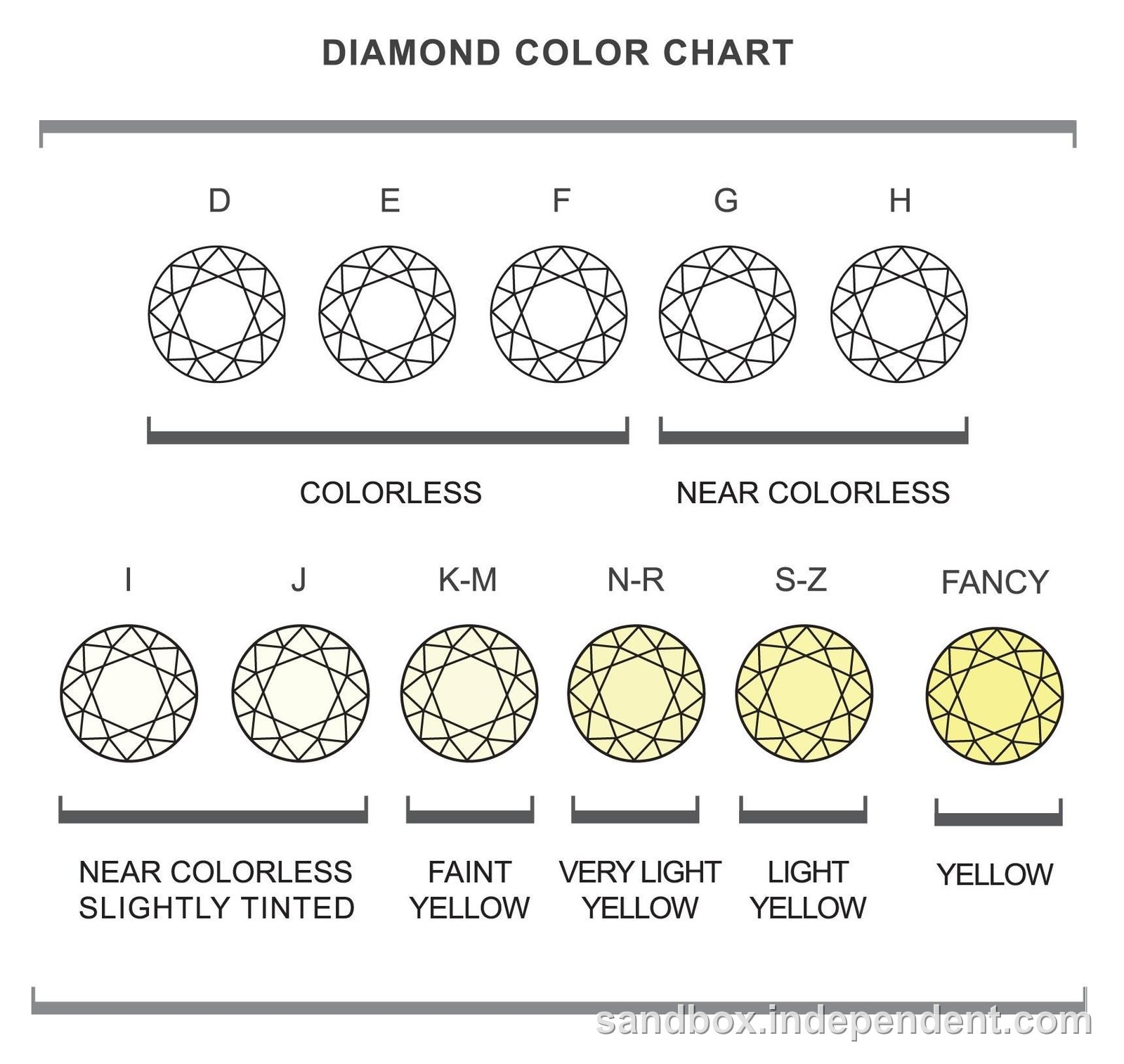
Many people approach hair colors charts with a bit of trepidation, assuming they are complex and confusing. But fear not! These charts are your friends and can be incredibly useful tools.
They provide a simple, visual way to understand and choose hair colors. While the specific values and formats may vary, the hair colors chart remains a reliable guide, offering a clear path to achieving your desired hair color. Think of it as a map, leading you to your perfect shade, with the color wheel and hair color levels acting as your compass.
Hair Colors Chart: A Visual Guide to Hair Dye Shades
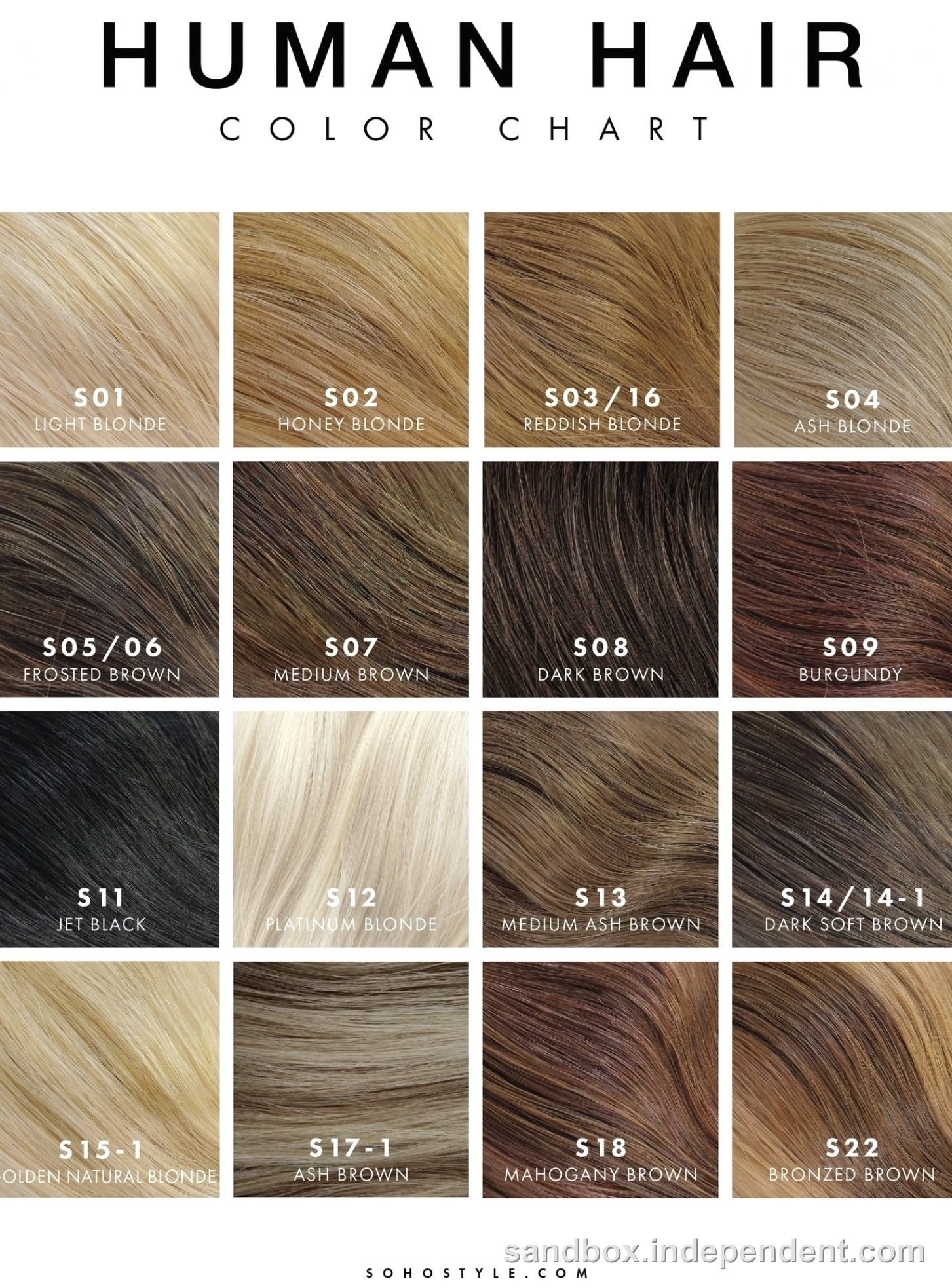
The hair colors chart is a handy reference tool for anyone looking to experiment with hair dye. It's a visual representation of different hair colors, shades, and tones, helping you choose and understand the various options available. This chart is a great starting point for anyone new to hair coloring or those seeking a specific shade.
Key Details and Categories
The hair color guide typically features a range of colors, organized into sections or families. You'll often find categories like "blonde," "brunette," "red," and "black," with further subdivisions for specific shades. Each color is usually represented by a swatch or a small square, showing the exact shade. Additionally, the chart may include a color wheel or a visual representation of color theory, which helps understand the relationships between colors.
Reading and Applying the Chart
To use the hair colors chart, start by identifying the color family you're interested in. Let's say you're looking for a specific shade of brown. Locate the "brunette" section and explore the various shades within. Each shade will have a unique code or number, which represents the specific formulation of that color. These codes are essential when purchasing hair dye, as they ensure you get the exact shade you want.
Here's a step-by-step guide:
- Identify the color family.
- Locate the specific shade you desire.
- Note the corresponding code or number.
- Use this code when purchasing hair dye to ensure an accurate match.
Variations and Differences
It's important to note that hair color charts may vary depending on the brand or manufacturer. Different companies may use slightly different shades or numbering systems. Additionally, the way hair reacts to dye can vary based on individual hair types and previous coloring treatments. Here are some key factors that can cause variations:
- Tone and depth: Hair color can appear different depending on the natural tone and depth of your hair.
- Previous coloring: If your hair has been dyed before, the new color may interact with the existing dye, resulting in a unique outcome.
- Hair type: The porosity and texture of your hair can affect how it absorbs and holds color.
- Environmental factors: Sun exposure and water quality can impact the longevity and vibrancy of your hair color.
When using a hair color chart, it's always a good idea to consult with a professional stylist, especially if you're aiming for a specific look or have unique hair characteristics. They can guide you towards the best shade and provide tips for achieving and maintaining your desired hair color.
Hey there! So, we've covered a lot of ground with this hair color chart, and I hope it's given you a clear picture of what you need to know. Remember, these charts are a great starting point, but exact details can differ slightly, so it's always good to double-check.
Feel free to explore our other guides; we've got plenty of practical tips and tricks to help you navigate the world of hair care and styling. Happy coloring!
Related: Understand the DVC Point Chart: A Simple Guide
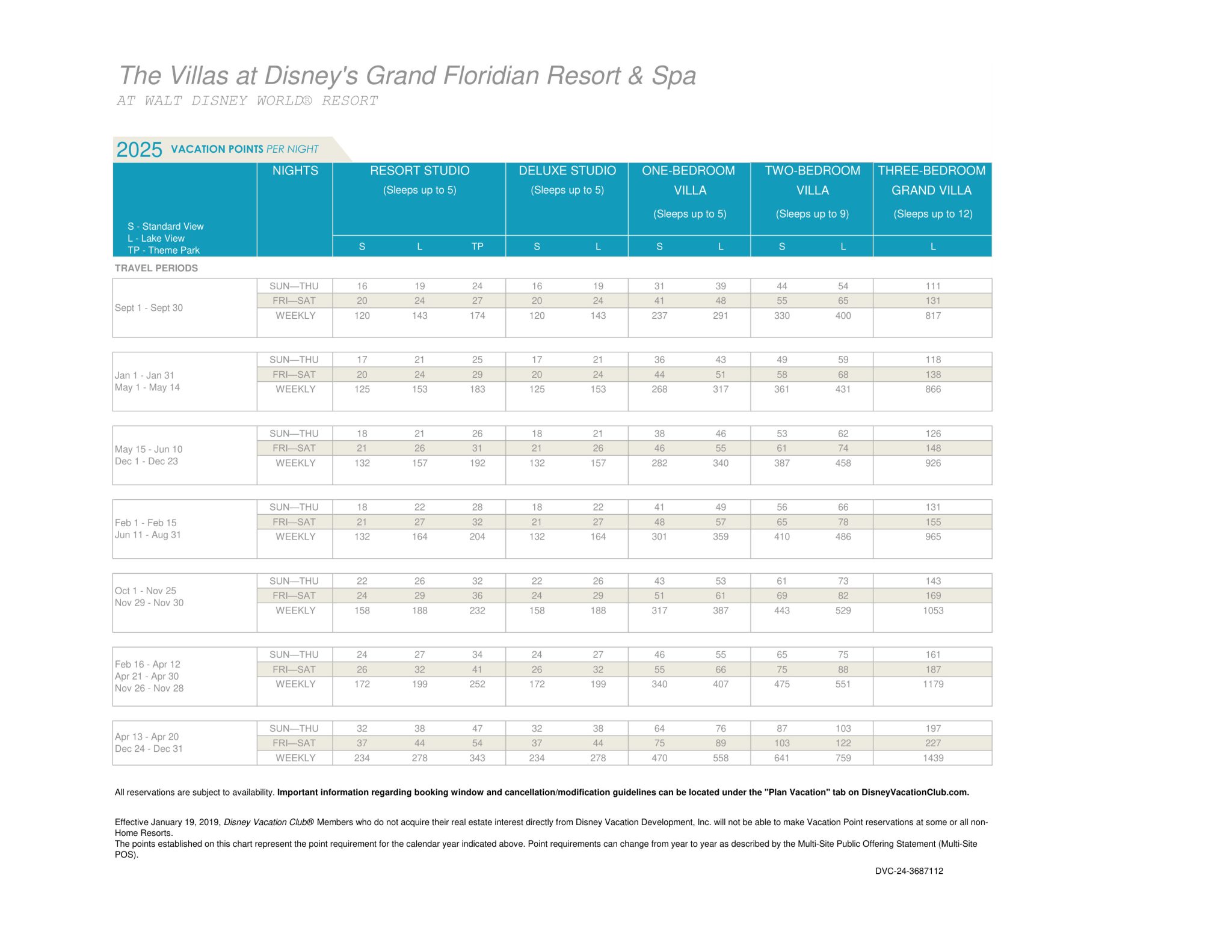
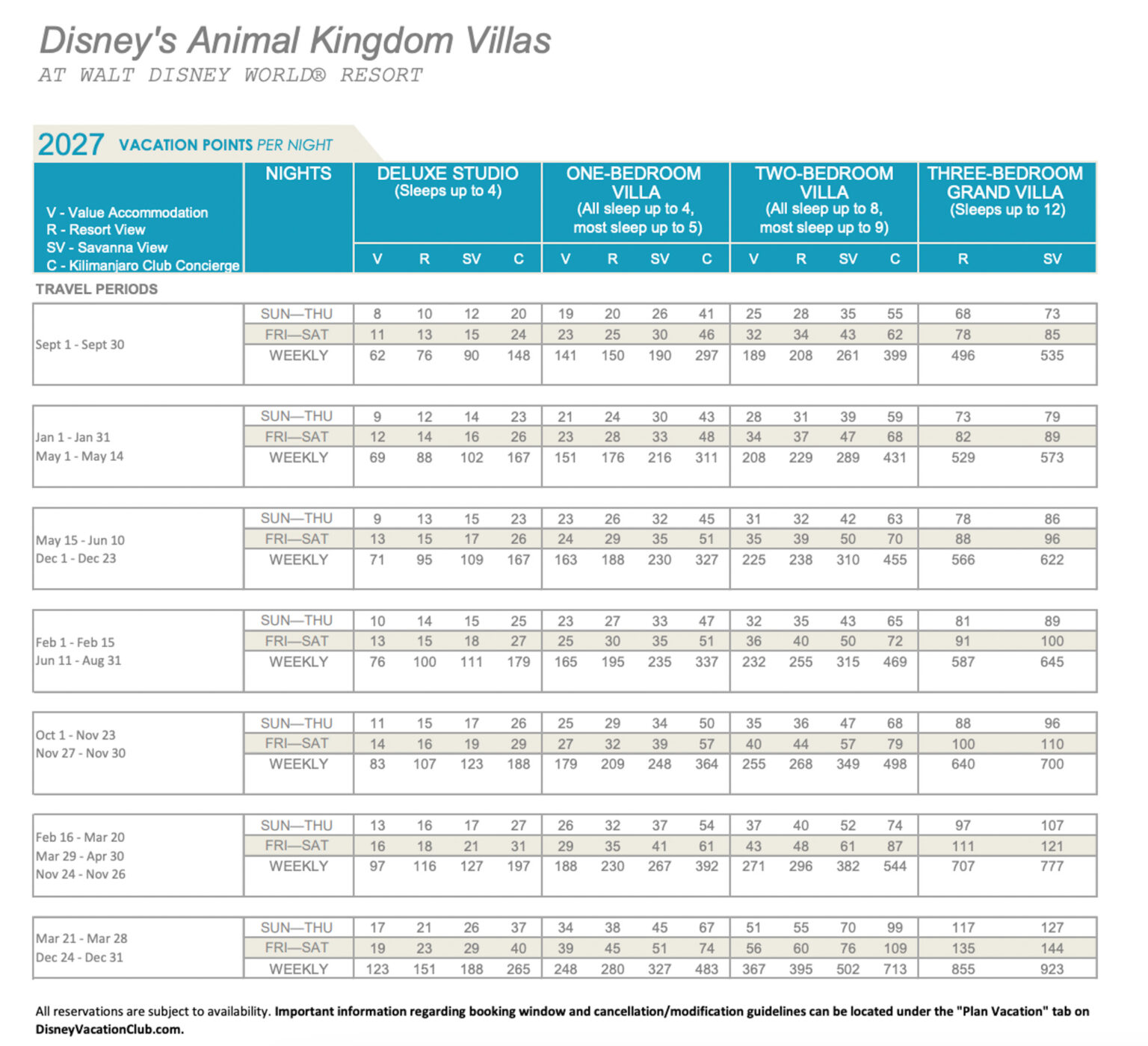
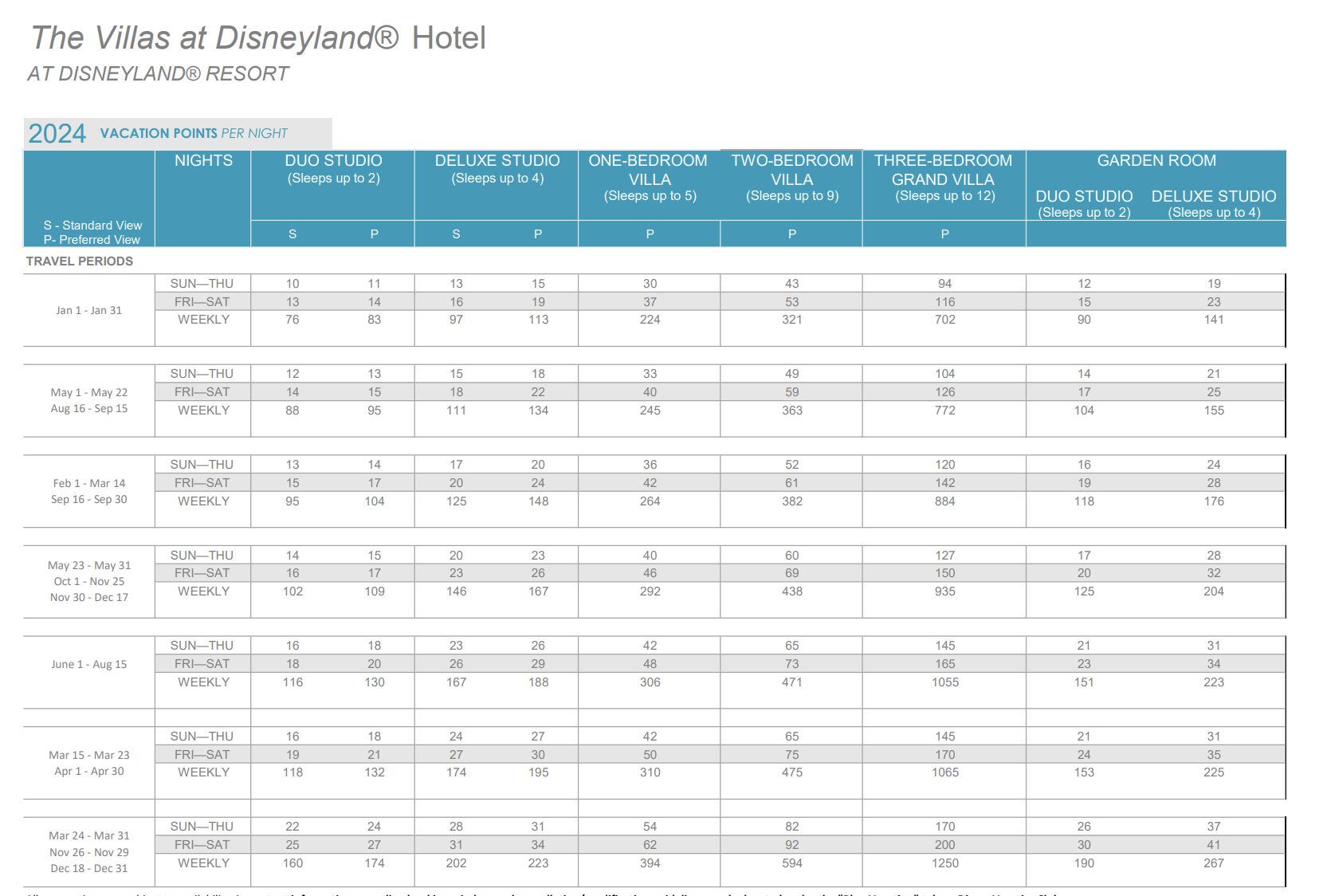
A DVC point chart is a handy tool for Disney Vacation Club members, offering a clear overview of their points and their worth. This guide will navigate you through the essentials, ensuring you understand the ins and outs of this valuable resource.
It's a simple yet effective way to keep track of your Disney points, and while the specific values may vary, the DVC point chart provides a consistent framework to manage and maximize your membership benefits.
Understanding the DVC Point Chart
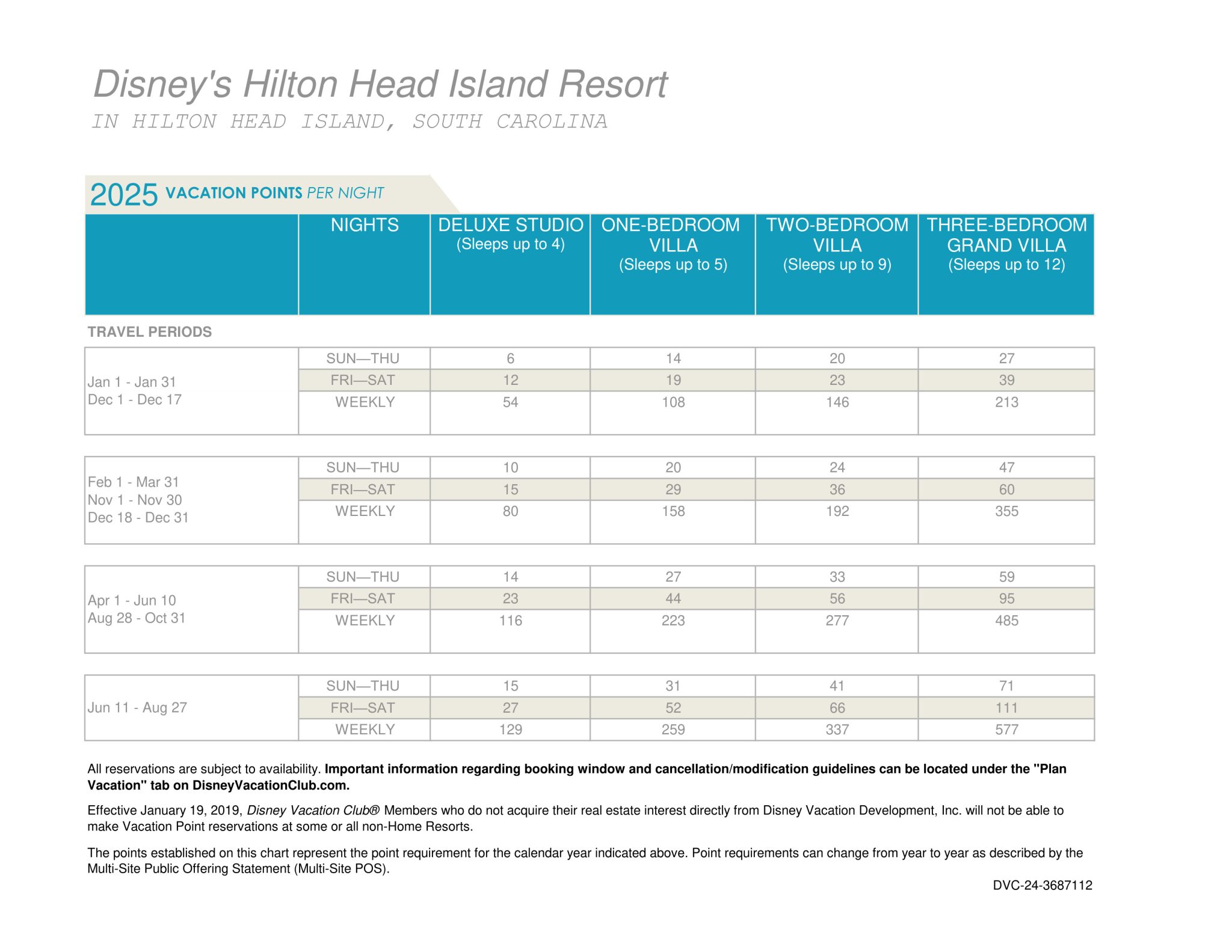
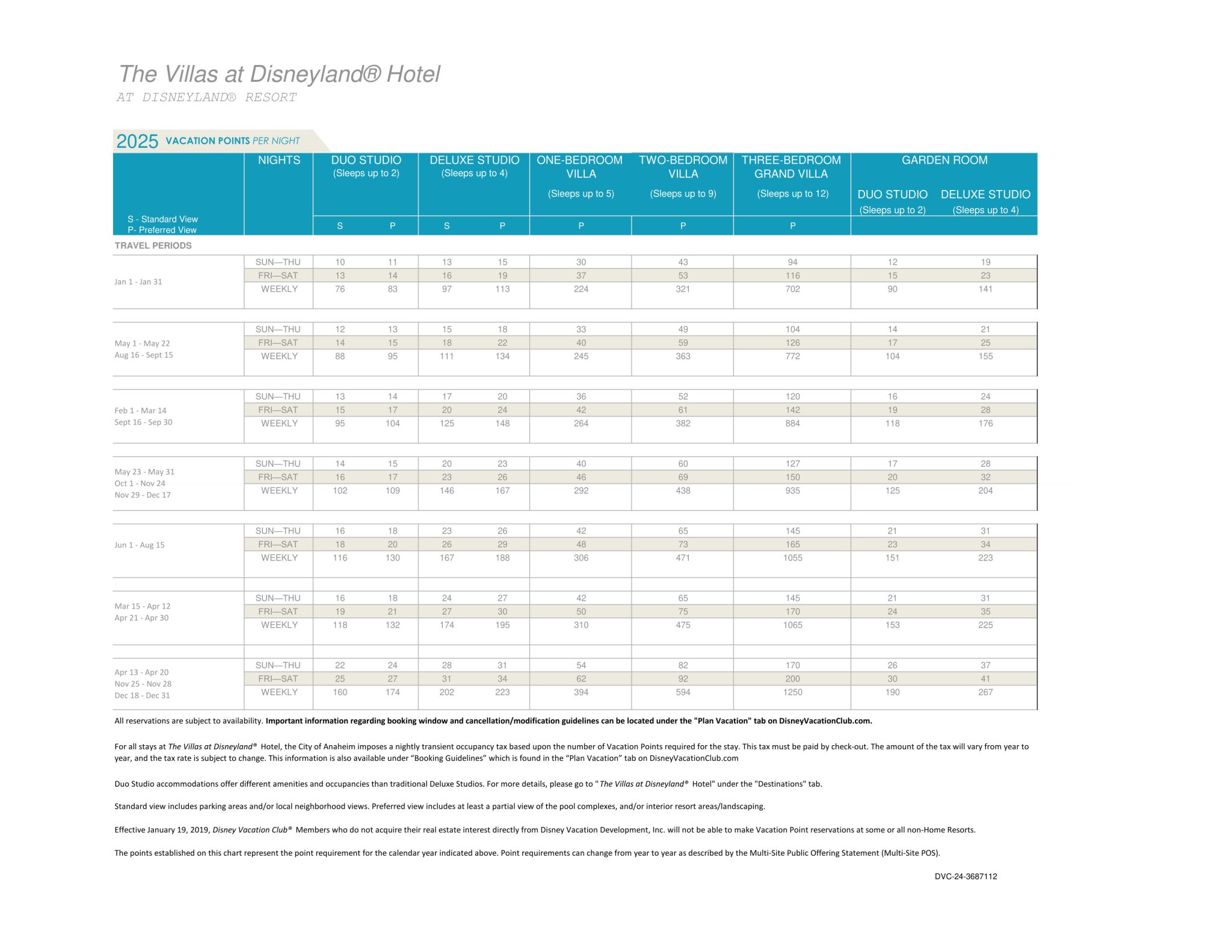
The DVC point chart is a valuable tool for Disney Vacation Club members, offering a clear overview of point values and their redemption options. It's like a map guiding you through the world of Disney vacations, helping you plan and make the most of your membership benefits.
Key Details and Categories
Before diving into the chart, let's get familiar with some basics. The DVC points system operates on a point-based currency, where each point holds a specific value. These points can be used for various purposes, primarily for booking accommodations and experiences within the Disney realm. The chart displays point values, typically ranging from 1 to 100, and sometimes even higher for premium options. It's important to note that these values may differ based on the standard or region, so always check the relevant chart for your specific membership.
Reading and Applying the DVC Point Chart
Now, let's explore how to navigate and utilize the DVC point chart effectively. Here's a step-by-step guide:
Identify Your Point Balance: Start by knowing your current point balance. This information is crucial for planning your vacation and understanding your options.
Consult the Chart: Refer to the DVC point chart to see the point values for different accommodations and experiences. Each entry on the chart will typically show the point value required for a specific option, along with any relevant details or restrictions.
Plan Your Vacation: Using the chart, select the accommodations and experiences that align with your preferences and point balance. Consider factors like travel dates, resort preferences, and the number of people in your party.
Calculate and Reserve: Once you've made your choices, calculate the total points needed for your desired vacation. You can use a DVC point calculator for this, which will provide an accurate estimate. Reserve your accommodations and experiences by following the booking process outlined by Disney Vacation Club.
Variations and Differences
It's worth noting that DVC point charts may vary across different standards and contexts. Here are some key factors that can influence the values and redemption options:
- Resort and Location: Different Disney resorts and destinations may have varying point values due to their popularity, amenities, and location.
- Seasonality: Point values can fluctuate based on the time of year, with peak seasons often requiring more points.
- Membership Type: The type of membership you hold, such as a standard or premium plan, can impact the point values and redemption options available to you.
- Special Events and Promotions: Disney may offer special events or promotions that affect point values and redemption rates.
Remember, while the DVC point chart provides a valuable overview, it's always a good idea to double-check the exact specifications and tolerances for your specific membership and vacation plans. This ensures an accurate and enjoyable Disney experience!
Well, there you have it! The DVC point chart is a handy tool, and now you know the ins and outs of using it. Remember, while the basics remain the same, the exact details might shift a little based on your specific situation.
Feel free to explore our other guides; we've got plenty of practical tips and tricks to help you navigate various aspects of your projects. Happy reading, and we hope you find the info you need!