

Gallon Man Chart Easy Overview
You're here because you need a quick fix, right? A simple, reliable reference for your hair color adventure. Well, the hair shade chart is your trusty guide, a visual map to navigate the world of hair colors. It's a handy tool, a quick-glance reference, offering a range of shades and tones to explore. From natural hues to bold, vibrant choices, the chart lays it all out. You'll find tone levels, hair dye shades, and even a color wheel to help you match and create your desired look.
Understanding the Hair Shade Chart: Your Guide to Hair Color
The hair shade chart is a handy tool that helps you navigate the world of hair color. It's a visual reference, often in the form of a color wheel or a detailed table, that displays a range of hair colors and their corresponding shades. This chart is your friend when you want to achieve a specific hair color or match a particular shade.
Comparing Hair Color Standards and Formats
There are different standards and formats for hair color charts, which can vary based on the region and the manufacturer. The most common ones are the hair dye shades charts, which use a numerical system to represent different tones. These charts often have a range of numbers, like 1 to 10 or 1 to 12, with each number representing a distinct shade. For instance, a level 1 might be the darkest black, while a level 10 could be a light blonde.
Using the Hair Shade Chart: A Step-by-Step Guide
Using the hair shade chart is simple once you know how. First, identify the standard or brand you're working with. This ensures you're using the right chart for your hair color products. Next, locate your current hair color on the chart. This gives you a starting point. Then, decide on your desired hair color. The chart will help you visualize the difference and choose the right shade.
For example, if you have dark brown hair (let's say a level 4) and want to go lighter, you might aim for a level 6 or 7, which could be a beautiful, warm medium brown. Always remember to consider your natural hair color and its condition. If your hair is very dark, achieving a light blonde might require multiple sessions and a professional's expertise.
Avoiding Missteps: Common Pitfalls and How to Avoid Them
One common mistake is not considering your natural hair color's base. The hair shade chart often shows the results on pre-lightened hair, so if your hair is darker, the result might be different. Always check the chart's instructions or consult a professional for guidance.
Another pitfall is not accounting for tone. The chart might show a single number for a shade, but in reality, there are often variations within that shade, like ash, golden, or warm tones. These subtle differences can make a big impact on the final result, so choose wisely!
Factors Affecting Accuracy: Key Considerations
- Hair tint: Your natural hair color and its condition play a significant role. Pre-lightened or bleached hair will react differently to dye compared to virgin hair.
- Tone levels: The tone of your desired shade matters. A warm tone, for instance, will look different on someone with cool undertones.
- Shade guide: Always refer to the specific shade guide provided by the dye manufacturer. These guides often offer more detailed information about the results on different hair types and tones.
Choosing the Right Chart: Adapting to Your Needs
There are various charts available, each with its own system and range. Some charts might use letters or even a combination of numbers and letters. It's essential to choose the right chart for your needs. If you're using a specific brand of hair dye, they often provide their own shade chart. Alternatively, you can find generic charts that offer a broader range of shades.
Keeping Your Reference Reliable for Future Use
To ensure you can rely on your hair shade chart in the future, it's important to keep it in a safe place. Consider making a digital copy or taking a photo of the chart for easy reference. This way, you can quickly access it whenever you need to choose or match a hair color. Additionally, stay updated with the latest charts and standards. Hair color trends and technologies evolve, so having the most current reference ensures accurate results.
Hey there! I hope this guide has been helpful in navigating the world of hair shade charts. Remember, these charts are a great tool, but the specifics can vary, so always double-check the source and standard you're using.
Feel free to explore other guides on our site to learn more about related topics and discover practical tips for your hair journey. We've got you covered with simple, straightforward advice!
Related: Find Your Perfect Quilt Size with This Easy Chart
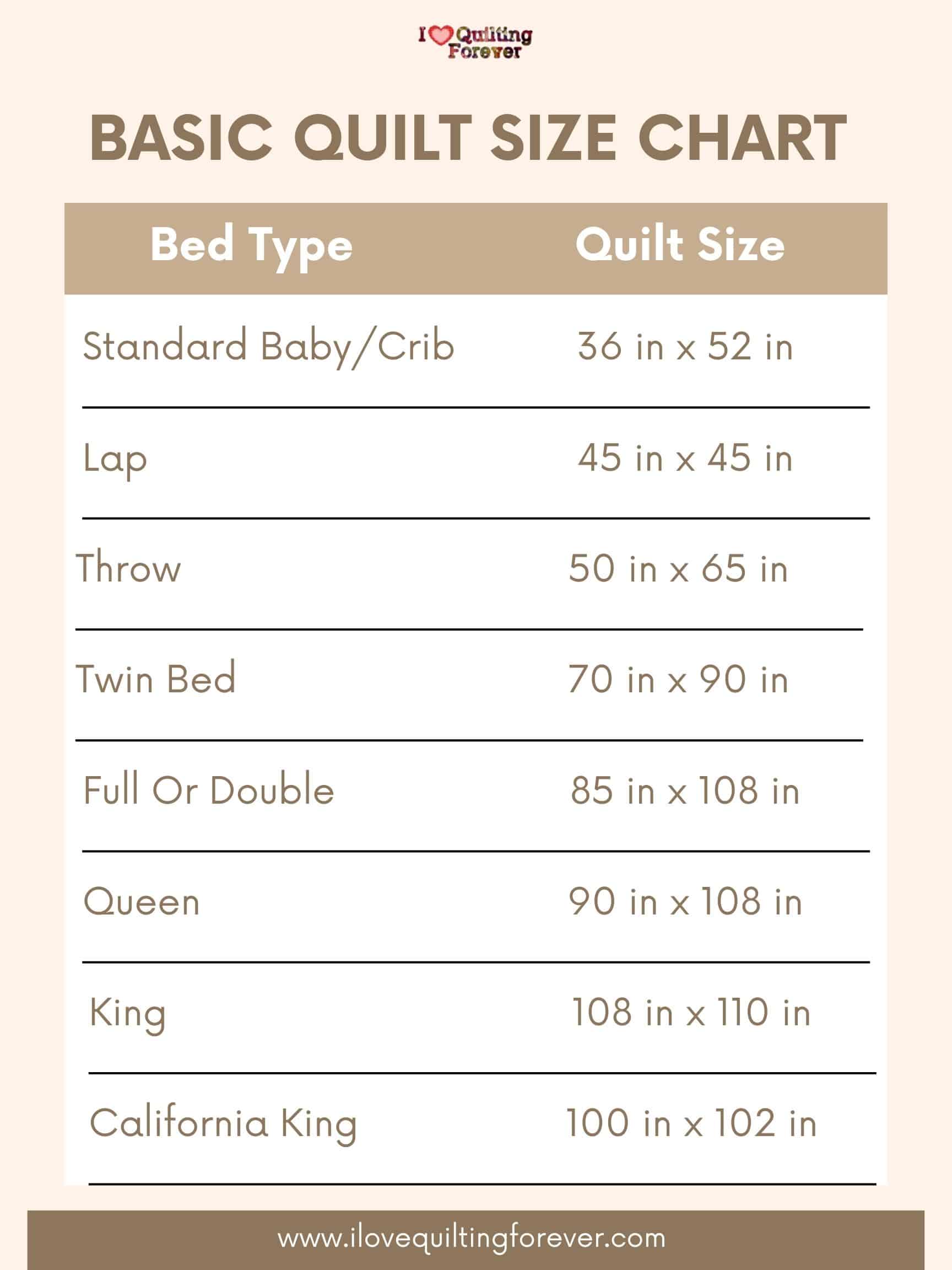
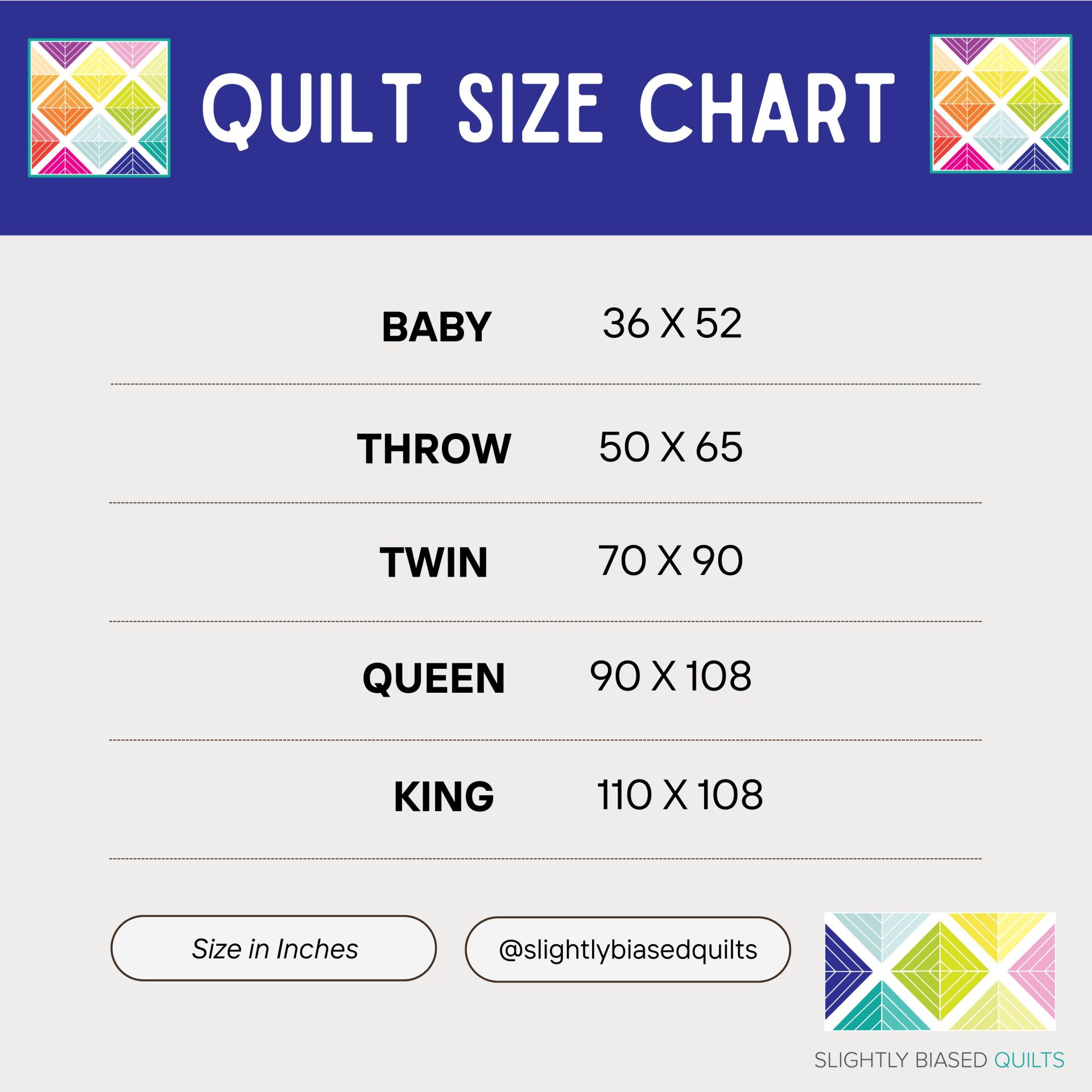
A quilt size chart is a handy tool for quilters and crafters, offering a quick guide to standard quilt dimensions. This simple reference ensures your projects turn out perfectly sized, every time.
The chart covers a range of common quilt sizes, from crib quilts to king-size creations. It's a useful resource, especially when you're working with different quilt patterns and want consistent results. Keep in mind that quilt sizes can vary slightly between regions and standards, so it's a good idea to check the chart's source for any specific details.
Quilt Size Chart: A Guide to Standard Sizes
Quilt size charts are a handy tool for quilters and crafters, providing a quick reference for the standard dimensions of quilts. These charts offer a practical guide to ensure your quilts fit the intended purpose, whether it's a cozy bed cover or a baby crib quilt. Let's dive into understanding this chart and how to use it effectively.
Key Details and Units
The quilt size chart typically includes a range of common quilt sizes, from crib quilts to king-size bed quilts. It provides the length and width measurements in inches, which are standard units for quilt sizes. Some charts may also include metric measurements for international use. The chart categories often cover crib, twin, full, queen, and king sizes, along with their respective dimensions.
Reading the Chart: A Step-by-Step Guide
Using the quilt size chart is straightforward. First, identify the purpose of your quilt. Are you making a baby quilt, a bed cover, or a unique size for a specific project? Once you know the intended use, locate the corresponding category on the chart. For instance, if you're making a queen-size bed quilt, find the "Queen" category. The chart will provide the recommended length and width measurements for that size. Simply follow these dimensions when cutting and assembling your quilt top, backing, and batting.
Variations and Differences
While the quilt size chart offers standard measurements, variations can occur due to different standards and contexts. For example, some regions may use metric measurements, leading to slight differences in dimensions. Additionally, quilt sizes can vary based on the intended use. A crib quilt for a baby might have different dimensions compared to a decorative wall hanging quilt. It's essential to consider the purpose and any specific requirements when using the chart.
Common Mistakes and How to Avoid Them
One common mistake is assuming that all quilts must adhere strictly to the chart's measurements. Remember, the quilt size chart provides guidelines, but your personal preferences and the project's needs may vary. Another mistake is overlooking the intended use. Always consider whether you're making a bed quilt, a throw, or a unique size for a specific purpose. Misinterpreting the chart's categories can also lead to errors. Ensure you understand the difference between crib, twin, and other sizes before selecting your measurements.
Practical Tips for Accurate Sizing
To ensure accurate sizing, double-check the specific requirements for your project. If you're making a quilt for a bed, measure the bed's dimensions and consider the desired overhang. For unique projects, measure the intended space and adjust the quilt size accordingly. It's also beneficial to have a basic understanding of fabric widths and yardage requirements. This knowledge will help you calculate the fabric needed for your quilt size accurately. Lastly, consider the quilt's purpose and any personal preferences for thickness or design elements that might impact the overall size.
By following these practical tips and understanding the quilt size chart, you'll be well-equipped to create quilts that fit perfectly for their intended use. Happy quilting!
Hey there, quilter! Now that we've covered the ins and outs of quilt sizes, remember that these details can shift a bit depending on your specific project and the resources you're using. So, keep an eye out for any variations and adapt as needed.
If you're new to quilting or just want a handy reference guide, be sure to bookmark this page for future use. It's a great way to ensure your quilts turn out perfectly sized every time!
Related: Learn Guitar Scale Charts: A Quick Guide
A guitar scale chart can be a guitarist's best friend, but it's often misunderstood as a complex and daunting tool. Rest assured, it's a simple and powerful reference, offering a clear visual guide to navigating the fretboard. This chart, with its various representations, is an essential companion for any guitarist, providing an organized layout of scale patterns, fretboard diagrams, and scale degree names.
Understanding the Guitar Scale Chart
A guitar scale chart is an essential tool for any guitarist, providing a visual representation of the fretboard and the various scales you can play. It serves as a quick reference guide, offering a bird's-eye view of the guitar neck and its scales. This chart is your roadmap, helping you navigate the guitar's vast landscape of sounds and tones.
Comparing Scale Chart Formats
There are several formats for guitar scale charts, each with its own advantages and use cases. The most common format is the standard fretboard diagram, which displays the guitar neck horizontally, with frets running vertically and strings represented as parallel lines. This format is intuitive and easy to follow, especially for beginners. Another popular format is the scale degree chart, which focuses on the theoretical aspect, showing the scale degrees and their corresponding notes. This chart is ideal for those delving deeper into music theory.
Step-by-Step Guide: Using the Scale Chart
To make the most of your guitar scale chart, follow these steps:
Identify the scale you want to play. The chart will typically feature common scales like major, minor, and pentatonic scales, each with its own section.
Locate the starting point on the fretboard. The chart will indicate the root note of the scale, often highlighted or marked with a symbol.
Follow the pattern: Each scale has a unique pattern of whole and half steps. The chart will show these intervals, guiding you to the correct notes.
Practice: Use the chart as a reference while playing. With time, you'll memorize the patterns, making it easier to play scales without constant reference.
Common Misreadings and How to Avoid Them
It's easy to misinterpret a guitar scale chart, especially for beginners. Here are some common pitfalls:
Confusing scale degrees with fret numbers. Remember, scale degrees (e.g., 1, 2, 3) represent the position of a note within the scale, not the fret number.
Assuming all scales follow the same pattern. While many scales share similar characteristics, each has its unique intervals and patterns. Always refer to the specific scale you're playing.
Neglecting open strings. Some scales utilize open strings, so ensure you include these when playing.
Factors Affecting Accuracy and Real-World Use
The accuracy of your guitar scale chart depends on several factors:
Guitar type: Different guitar types (e.g., electric, acoustic, classical) may have slight variations in scale length, affecting the positioning of notes. Always check the specific scale length for your guitar.
Tuning: Ensure your guitar is tuned correctly. Even a slight detuning can throw off the scale positions.
String gauge: Thicker strings may require slight adjustments to finger placement, especially for bends and vibratos.
Choosing the Right Format for Your Needs
When selecting a guitar scale chart, consider your skill level and specific needs:
Beginners may benefit from a simple fretboard diagram with clear, color-coded scales.
Intermediate players might prefer a scale degree chart to explore music theory in more depth.
Advanced guitarists may opt for comprehensive charts covering multiple scales and modes, offering a wide range of options for improvisation and composition.
While this guide aims to provide a comprehensive overview, it's important to remember that the specifics can indeed vary. Different sources may offer slight variations in scale patterns or fingerings, so it's always a good idea to cross-reference and find the one that resonates with your playing style.
Feel free to explore other guides and resources to expand your knowledge. And when you need a quick reminder, don't forget to bookmark this page for future reference! It's a handy tool to have at your fingertips.