



Gap Size Chart A4 Overview
You're here, searching for a tattoo size chart, probably to get a clear idea of what you want and how to communicate it effectively to your artist. It's a smart move, as these charts are a great way to visualize and understand tattoo sizes, especially when you're planning your next ink adventure. While the exact values may vary depending on the artist or region, the tattoo size chart provides a reliable starting point, offering a simple guide to standard tattoo dimensions.
Understanding the Tattoo Size Chart
The tattoo size chart is your go-to guide for figuring out the dimensions of different tattoo designs. It's like a roadmap, helping you navigate the world of tattoo sizes and understand what each measurement means. This chart is a handy tool, especially when you're planning your next tattoo and need to visualize how big or small it will be on your body.
Comparing Chart Formats and Standards
There are a few different ways to present a tattoo size chart, and the format can vary depending on the source. Some charts use a simple table with columns for size categories and corresponding measurements, while others might display a range of designs with their dimensions noted. The units of measurement can also differ; you'll often find charts using either imperial (inches) or metric (centimeters) systems. It's essential to know which standard is being used to ensure accurate readings.
Practical Size Suggestions and Measuring Tips
Using a tattoo size chart is straightforward, but there are a few steps to ensure you're getting the most accurate information. First, identify the category or design you're interested in. Then, locate the corresponding measurement. If the chart uses a range, you can decide on a specific size within that range based on your preferences. Remember, these charts often provide a general guide, so it's a good idea to discuss your desired size with your tattoo artist, who can offer expert advice and ensure the design fits perfectly on your body.
Common Misreadings and How to Avoid Them
It's easy to misinterpret a tattoo size chart, especially if you're not familiar with the standard being used. Always double-check the units of measurement to ensure you're reading the chart correctly. For instance, if you're used to thinking in inches but the chart uses centimeters, your interpretation of the size could be off. Additionally, some charts might not provide exact measurements but rather a range. In these cases, it's best to consult with a professional to get a precise idea of the tattoo's dimensions.
Hey there, we hope this tattoo size chart guide has given you a clear and simple overview of your options. Remember, the exact details may differ slightly, so always double-check your sources and measurements.
This is a handy reference to keep bookmarked for future ink adventures! Whether you're a tattoo enthusiast or just curious about the process, we've got more guides to explore. So, feel free to dive into our other content and keep learning.
Related: Find Your Perfect Fit: Socks Size Chart
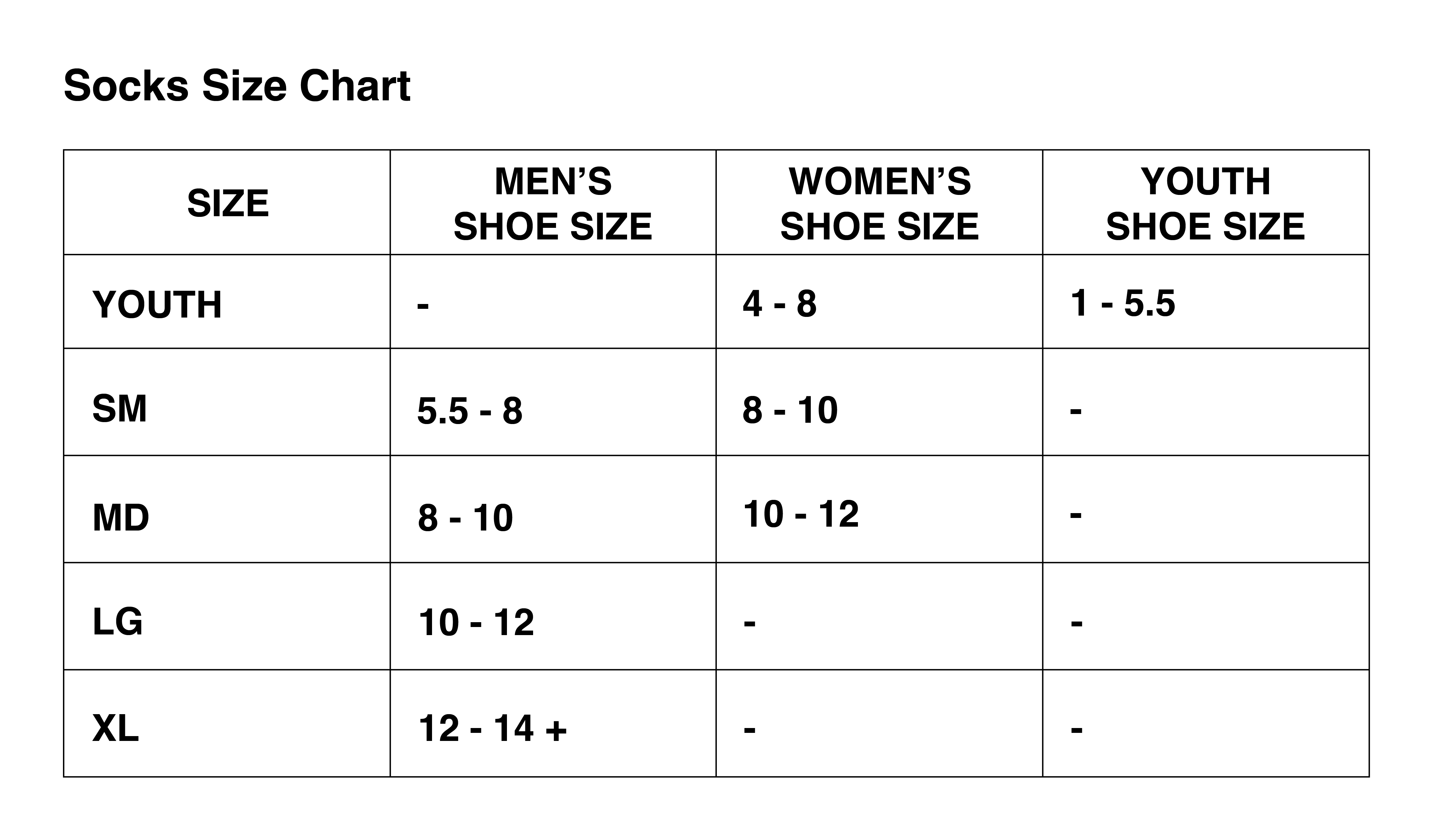
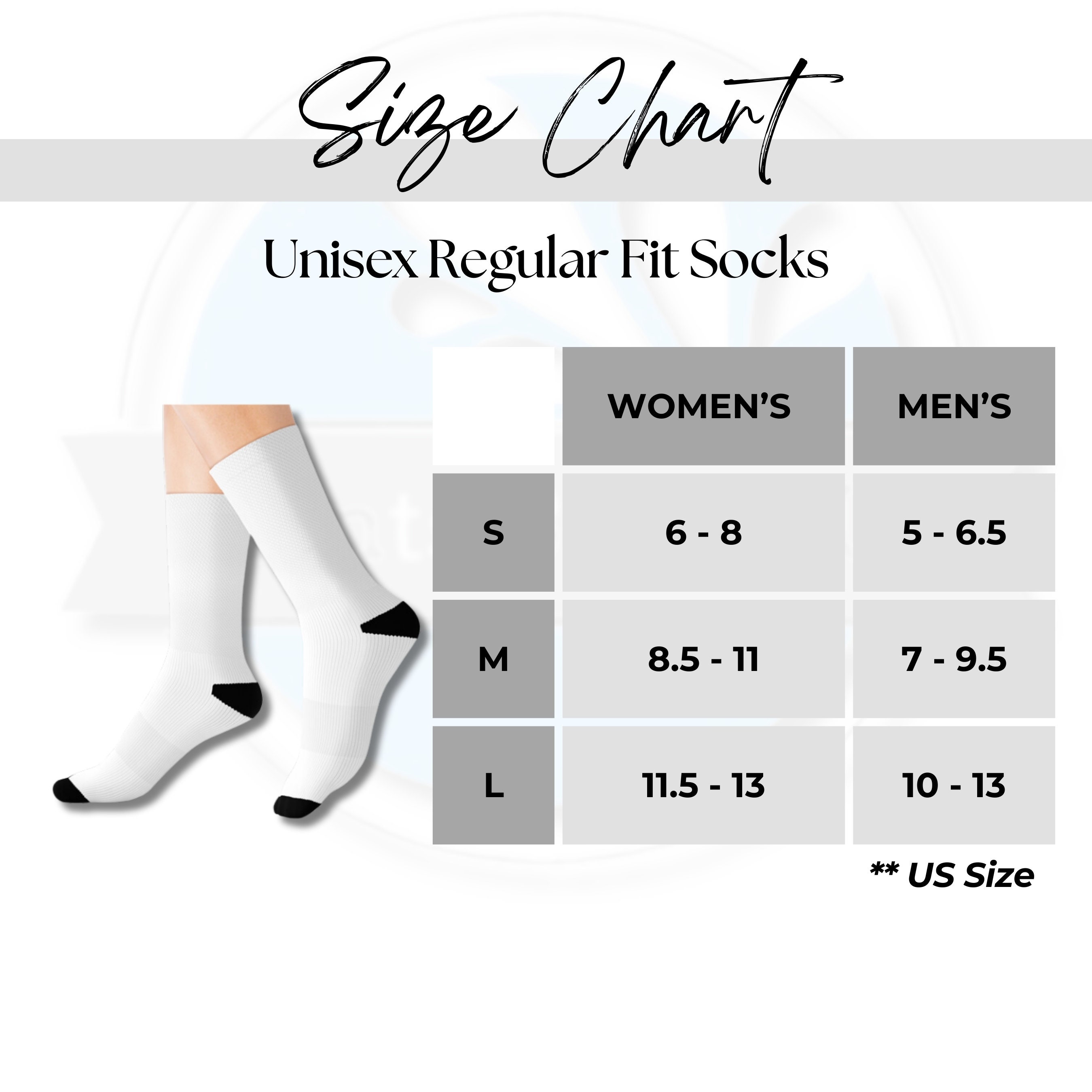
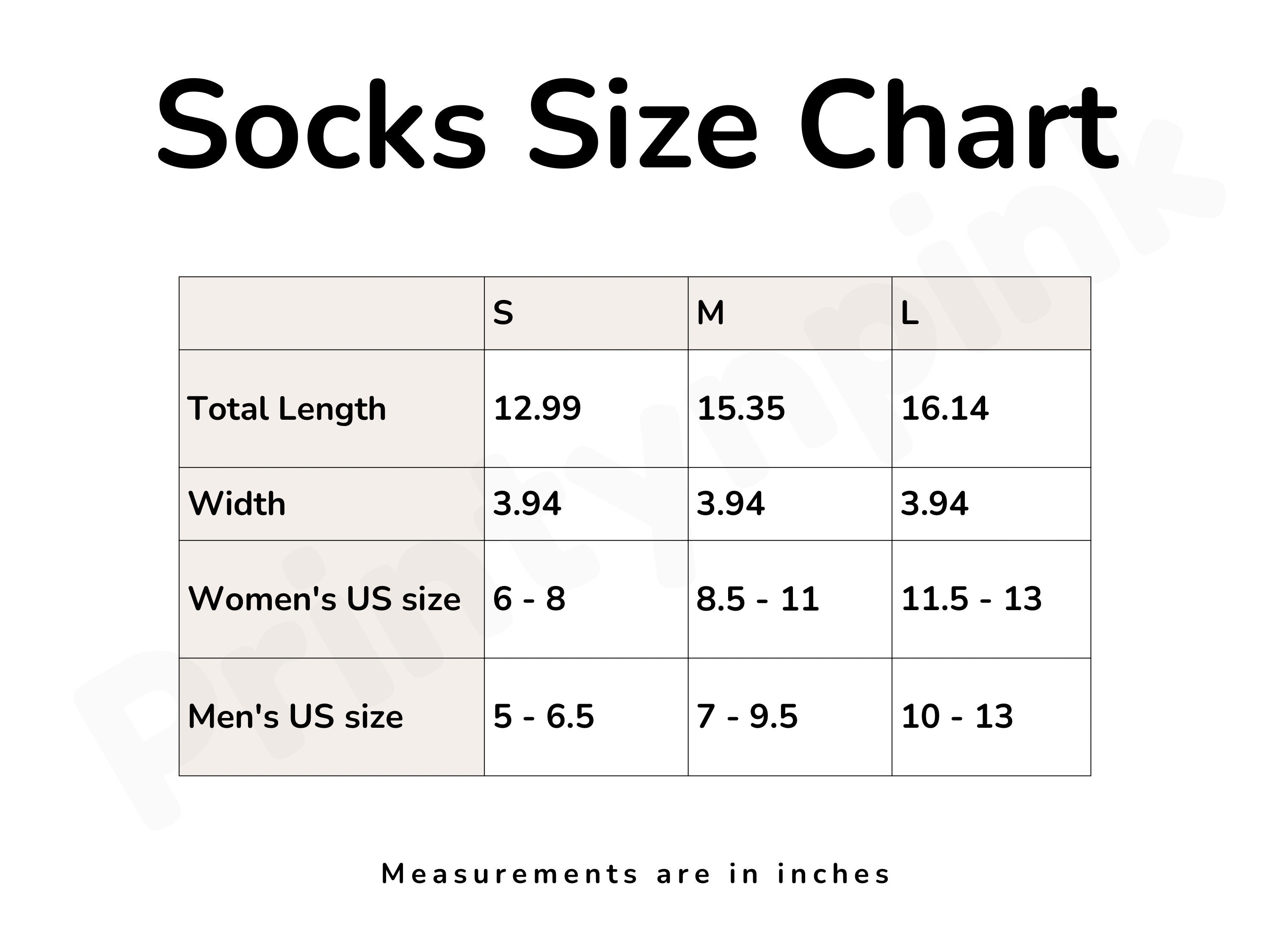
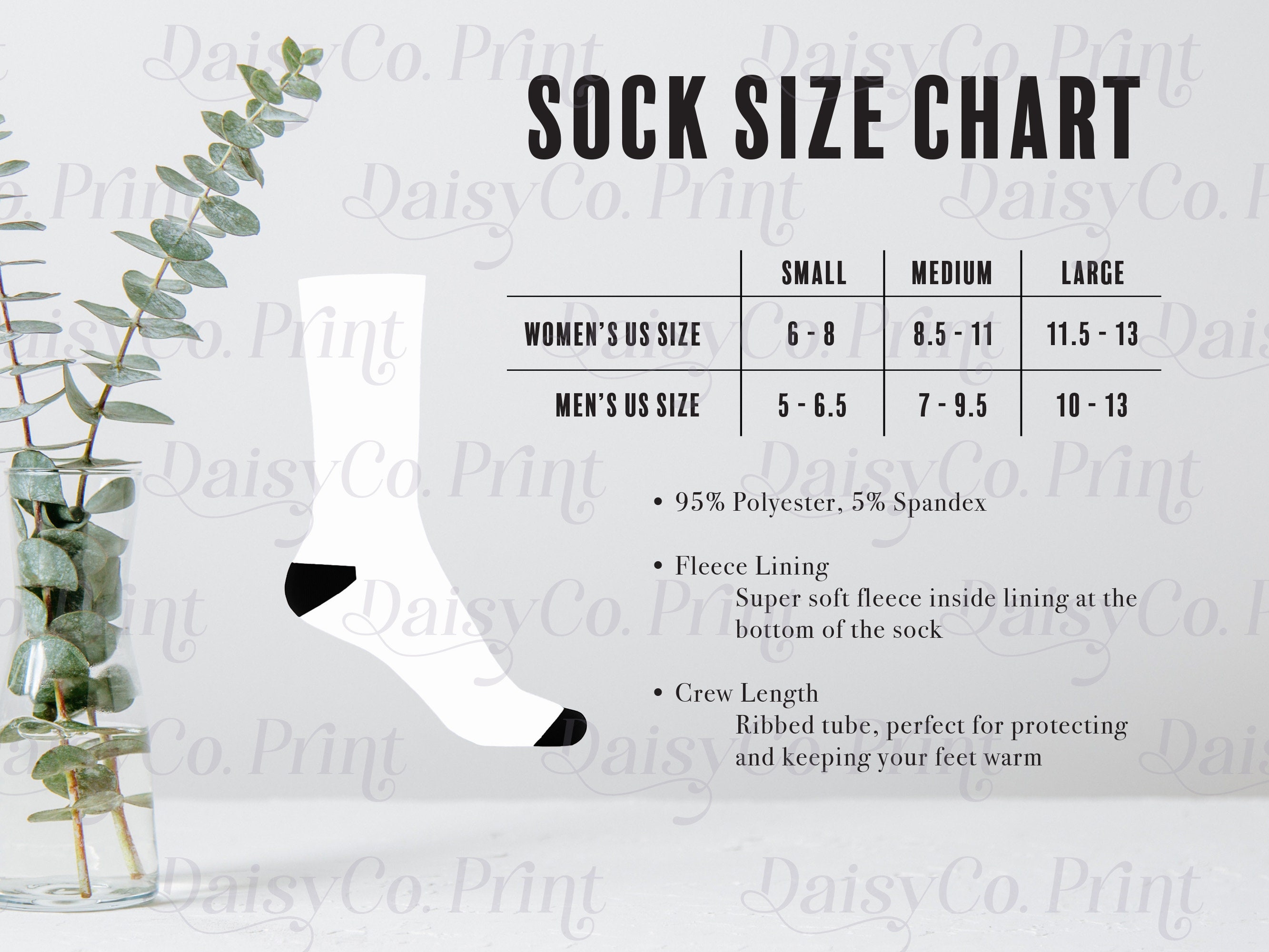
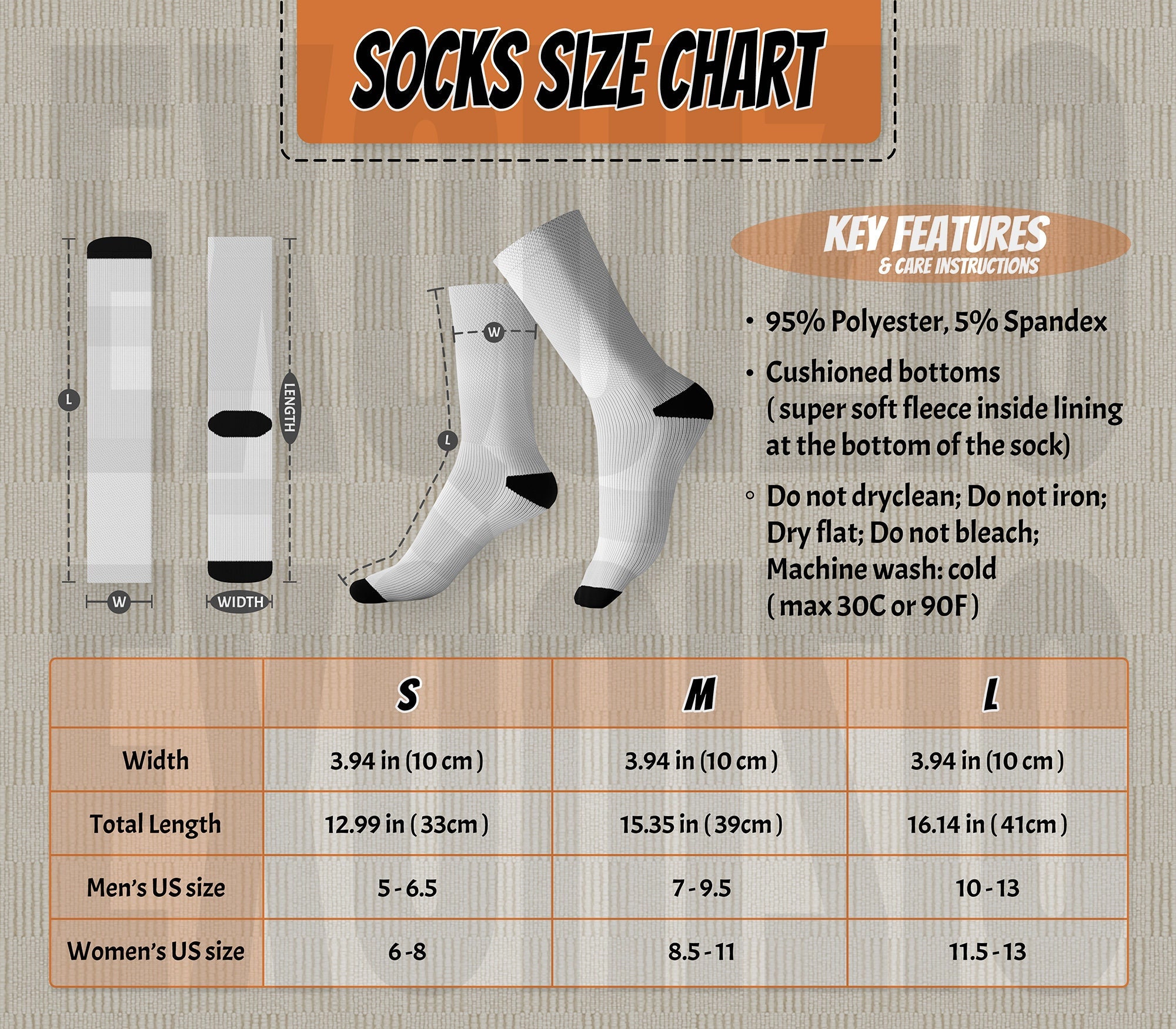
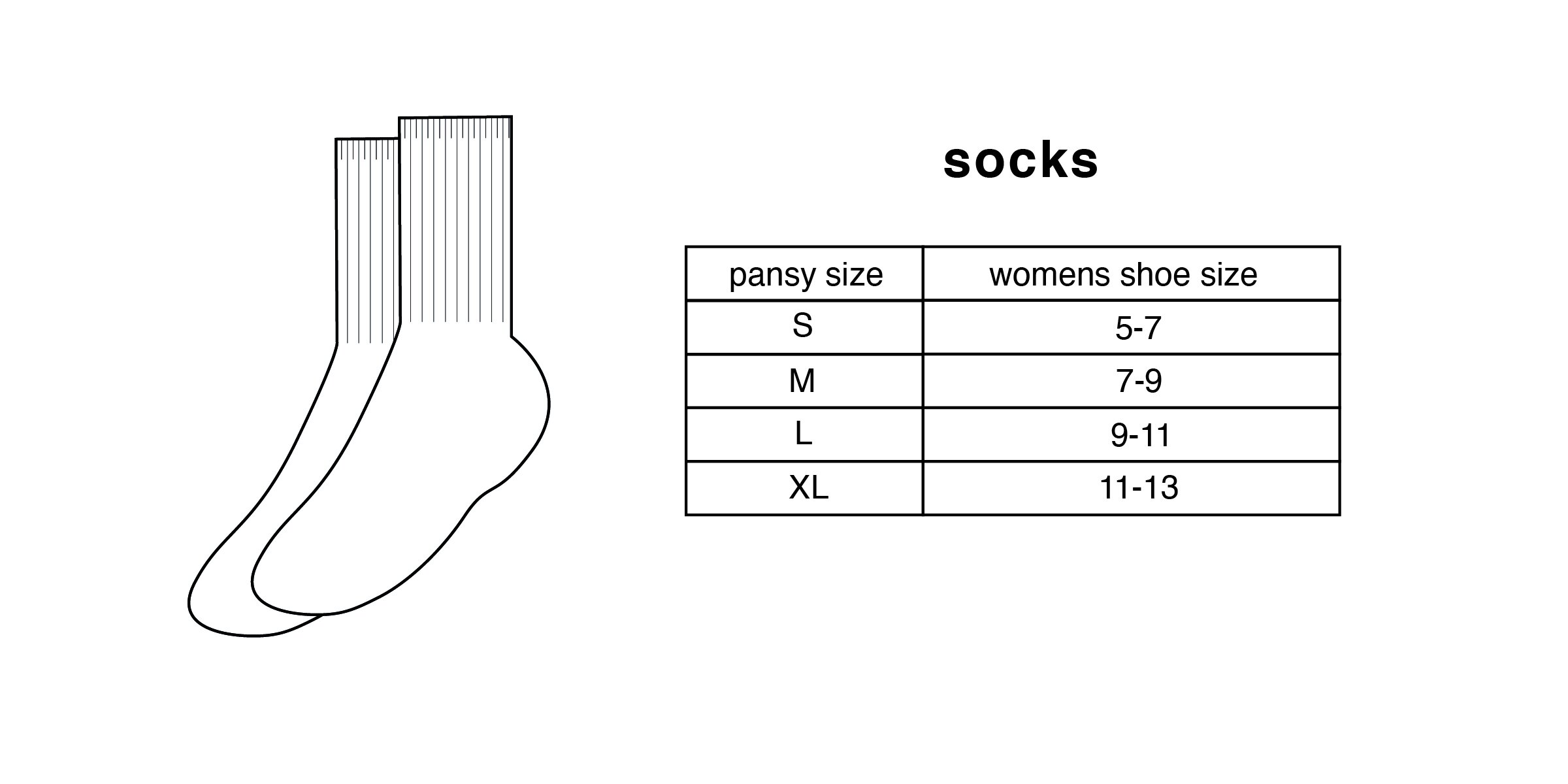
You've found yourself in need of a socks size chart, and who can blame you? It's a simple yet essential tool for ensuring you get the right fit. Whether you're buying socks for yourself or someone else, this chart is your go-to guide. It provides a quick and easy reference, ensuring you don't end up with socks that are too tight or too loose. While the values may vary depending on the brand or region, the socks size chart offers a reliable starting point.
Understanding the Sock Size Chart
The socks size chart is your go-to guide for finding the perfect fit for your feet. It's a simple yet practical tool that ensures your socks hug your feet comfortably and don't leave you with blisters or discomfort. This chart is like a secret code, and once you crack it, you'll never have to guess your sock size again!
Key Details and Categories
The chart typically features two main categories: sock size and shoe size. These are further divided into specific measurements and ranges. For sock size, you'll often see a numerical range, like 3-5, 6-8, and so on. These numbers represent the circumference of your foot, ensuring the sock fits snugly. Shoe size, on the other hand, is a familiar concept, often following standard shoe sizing guidelines.
Choosing the Right Fit: A Step-by-Step Guide
Using the socks size chart is a breeze! First, identify your shoe size. This is usually pretty straightforward, as you likely know your shoe size off the top of your head. Next, match your shoe size to the corresponding sock size on the chart. The chart will guide you to the right sock size, ensuring a perfect fit. It's as simple as that!
If you're buying socks as a gift or for someone with unique foot dimensions, you might need to measure their foot circumference. A simple tape measure will do the trick. Measure the widest part of their foot, and you're good to go!
Common Size Variations and Why They Happen
While the socks size chart is a reliable guide, variations can occur due to several factors. Different manufacturers might use slightly different standards or have unique sizing guidelines. Additionally, the material and construction of the sock can affect its stretch and fit. For instance, a thick, cozy wool sock might have a looser fit compared to a thin, athletic sock.
It's also worth noting that foot size can vary depending on factors like age, height, and even the time of day! Yes, our feet can swell slightly throughout the day, so it's best to measure or refer to the chart in the morning for the most accurate size.
Remember, while the socks size chart provides a great starting point, it's always a good idea to double-check the exact specifications and tolerances, especially for specialized socks or if you have unique foot dimensions. Happy sock shopping!
Well, there you have it! A handy guide to understanding sock sizes and how to use a size chart effectively. Remember, when it comes to sock sizes, there can be slight variations, so always check the specific guidelines or measurements provided by your preferred brand or manufacturer.
It's always a good idea to double-check, as these charts are just a general guide, and you want to ensure a perfect fit. So, take your time, measure up, and find those dream socks! And if you're keen to explore more practical guides and tips, feel free to browse our other articles. We've got you covered!
Related: A Simple Guide to Belt Sizing Charts
You've likely landed here because you're seeking a straightforward solution: a belt sizing chart. This handy reference tool is a quick and reliable way to ensure you get the right belt size, every time. It's a simple visual guide, often presented as a table or diagram, that helps you match your waist measurement to the correct belt length. While the exact values may vary depending on the brand or standard, a good belt sizing chart should provide a clear and easy-to-follow guide, ensuring you can quickly find your ideal belt size. Whether you're looking for a belt size guide or want to convert your dress size, this chart is a valuable tool to have at your disposal.
Understanding the Belt Sizing Chart
The belt sizing chart is a practical tool that helps you find the perfect belt size for your waist. It provides a reference to ensure a comfortable and secure fit, whether you're buying a new belt or adjusting an existing one. This chart is an essential guide for anyone wanting to achieve a well-fitted, stylish look.
Key Details and Units
The belt sizing chart typically displays two key measurements: waist size and belt length. Waist size is measured in inches or centimeters, depending on the standard used. Belt length, on the other hand, is usually given in inches and represents the total length of the belt, including the buckle. It's important to note that these measurements may vary slightly between different standards and manufacturers, so it's always good to check the specific guidelines.
Step-by-Step Guide to Reading the Chart
Follow these steps to accurately use the belt sizing chart:
Measure your waist: Use a flexible tape measure to determine your waist size. Place the tape around your waist at the point where you normally wear your belt. Ensure the tape is snug but not tight, and note the measurement in the appropriate unit.
Find your waist size on the chart: Locate your waist size on the chart. The chart will typically have a range of waist sizes, so find the closest match to your measurement.
Determine the belt length: Once you've identified your waist size, the chart will provide the recommended belt length. This length ensures the belt will fit comfortably and allow for a secure buckle closure.
Adjust for personal preference: While the chart provides a guide, you can adjust the belt length slightly to suit your comfort and style. Some prefer a looser fit, while others may want a more tailored look.
Variations and Differences
Belt sizing charts can vary based on several factors:
Standards and regions: Different countries and organizations may have their own sizing standards, leading to slight variations in waist size and belt length recommendations.
Manufacturer preferences: Some brands might offer slightly different sizing guides to cater to their specific target audience or style preferences.
Material and design: The type of belt material and its design can also influence the recommended sizing. For example, leather belts may stretch over time, affecting the initial sizing.
Common Mistakes and How to Avoid Them
When using a belt sizing chart, avoid these common pitfalls:
Measuring incorrectly: Ensure you measure your waist accurately, following the guidelines mentioned earlier. An incorrect measurement can lead to an ill-fitting belt.
Ignoring personal preferences: While the chart provides a guide, consider your personal comfort and style. Don't be afraid to adjust the recommended belt length to suit your needs.
Relying solely on trouser size: Your trouser size may not directly correspond to your belt size. Always measure your waist specifically for the belt sizing chart.
Tips for a Perfect Fit
To achieve the best results when using a belt sizing chart, keep these tips in mind:
Consider your body type: Different body shapes may require slight adjustments. For example, if you have a larger waist-to-hip ratio, you might need a longer belt for a comfortable fit.
Try before you buy: If possible, try on the belt to ensure it fits well. This is especially important if you're purchasing online or from a brand with unique sizing.
Allow for growth: If you're buying a belt for a child or someone who is still growing, opt for a slightly larger size to accommodate future growth.
Double-Checking and Edge Cases
In some cases, you may need to double-check the specifications or consult additional resources:
Custom or unique designs: If you're dealing with a custom belt or a unique design, the standard belt sizing chart may not apply. Contact the manufacturer or designer for specific sizing guidelines.
Dress size conversion: When converting dress sizes to waist measurements, refer to a reliable dress size conversion chart to ensure accuracy.
Medical conditions: Certain medical conditions or post-surgical changes may affect your waist size. In such cases, consult a healthcare professional for guidance on measuring and fitting belts.
Remember, while this guide provides a solid foundation, exact details may differ slightly based on your specific needs and the standards you follow. It's always a good idea to double-check and ensure you have the right information for your particular situation.
Feel free to bookmark this page for future reference. It's a handy tool to have at your disposal, and you never know when you might need to size a belt accurately!