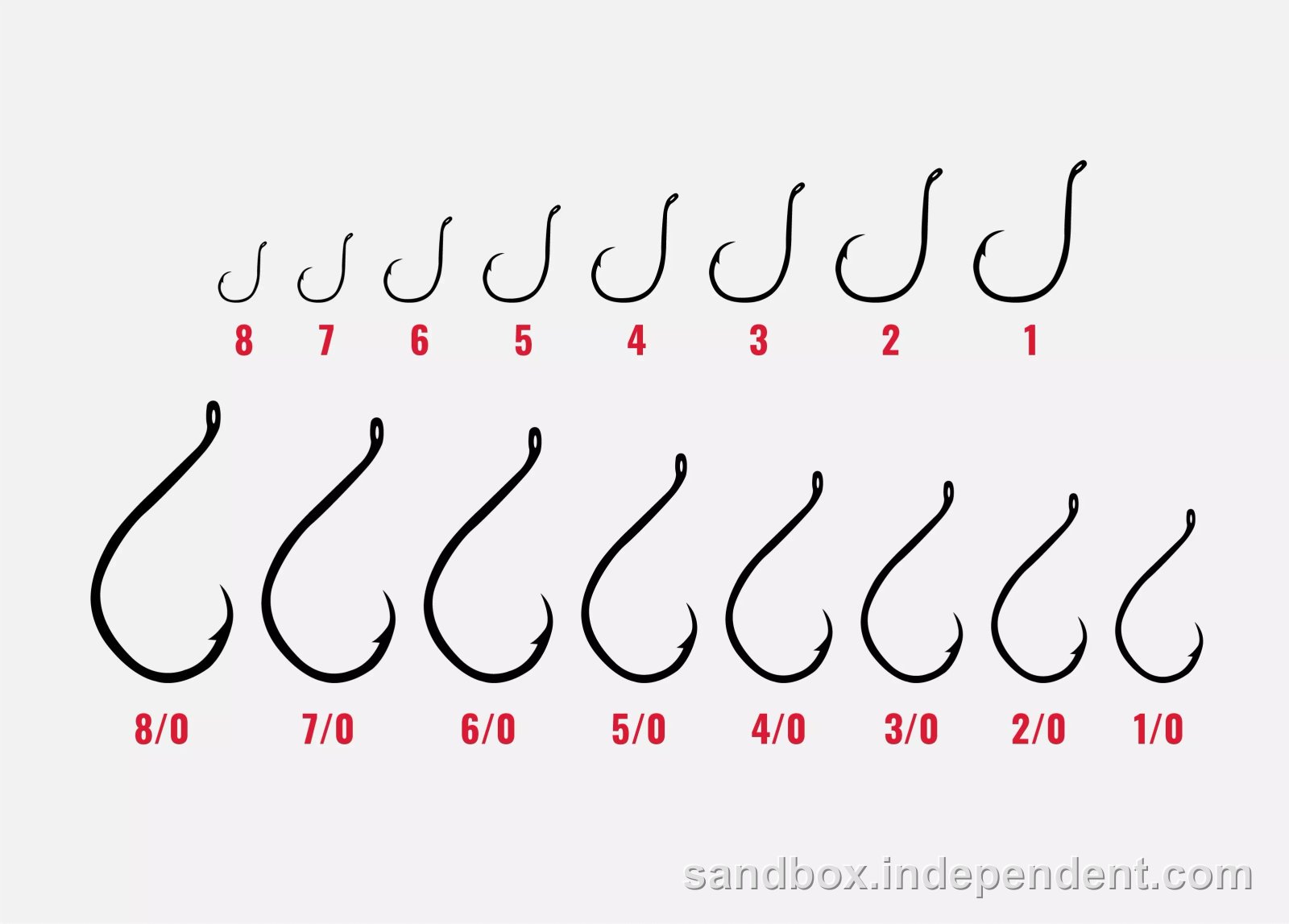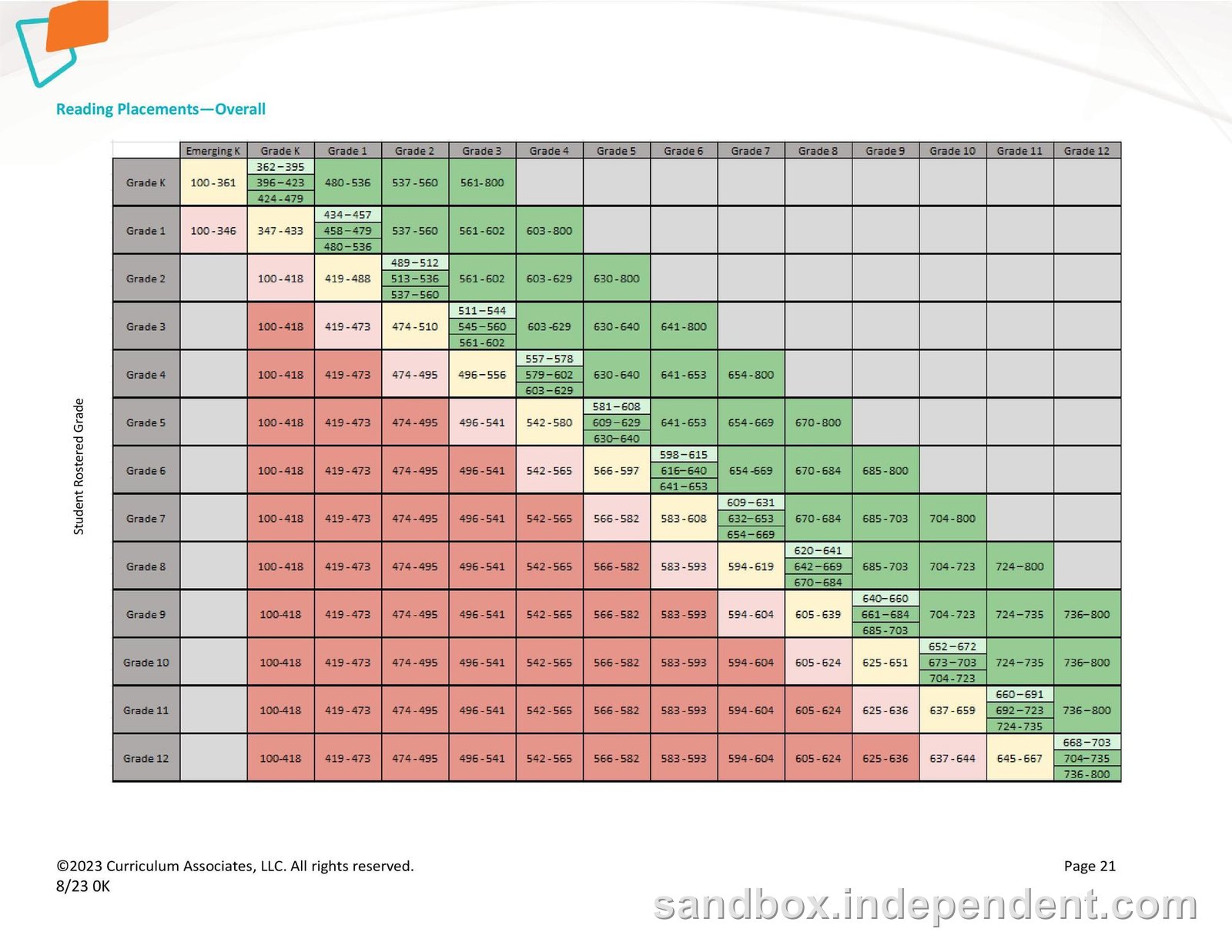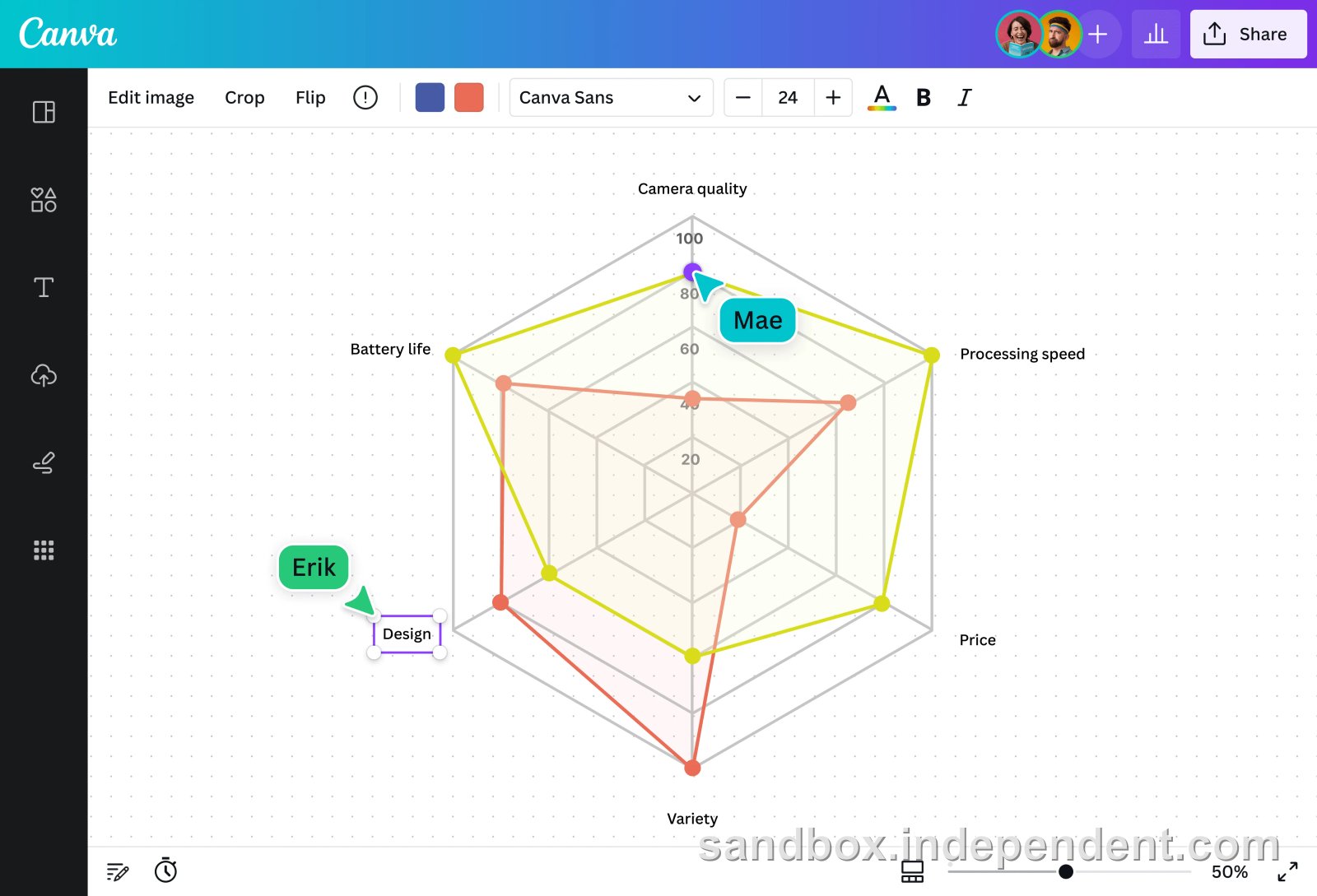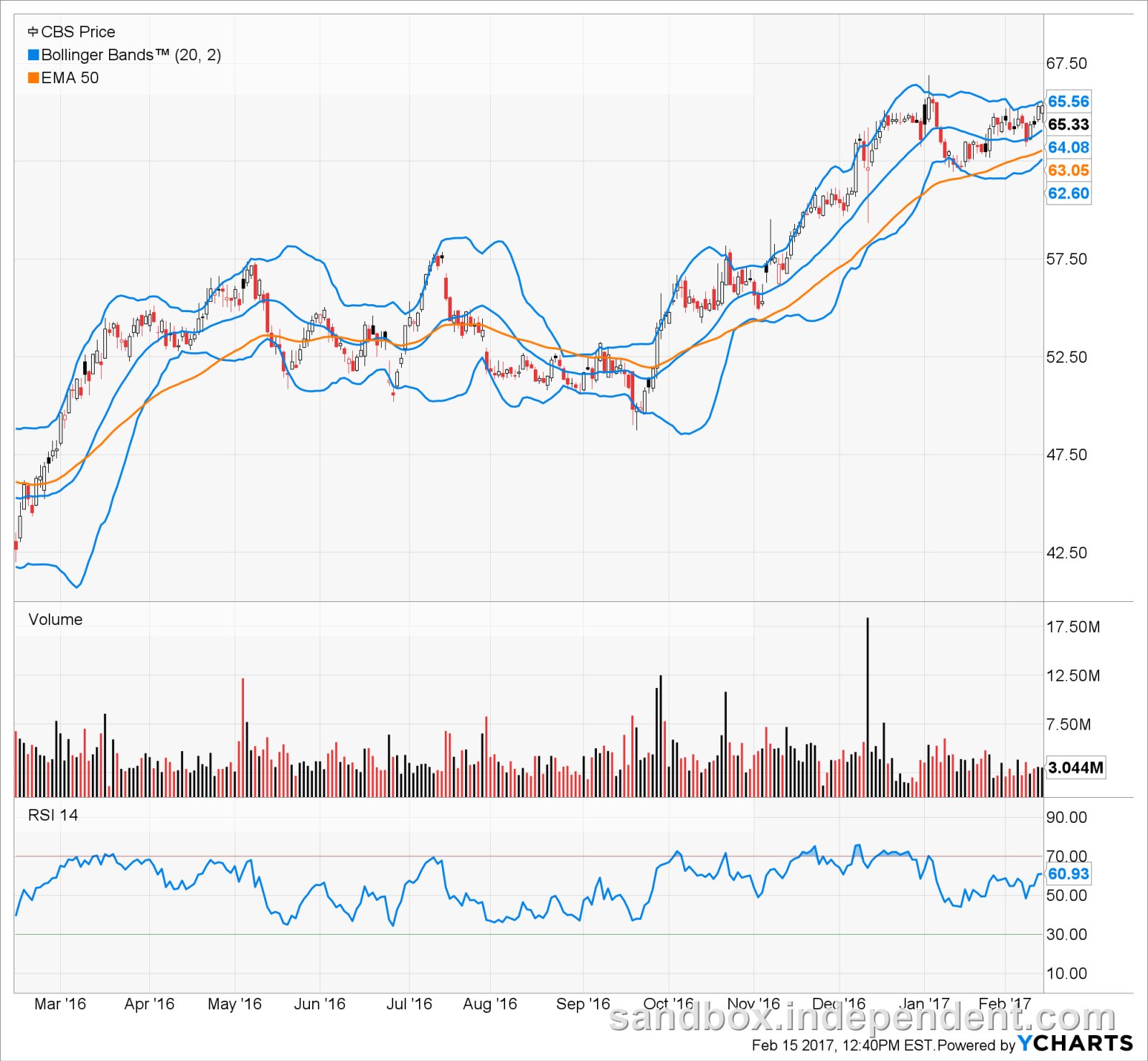




Gap Size Chart Letter Size Overview
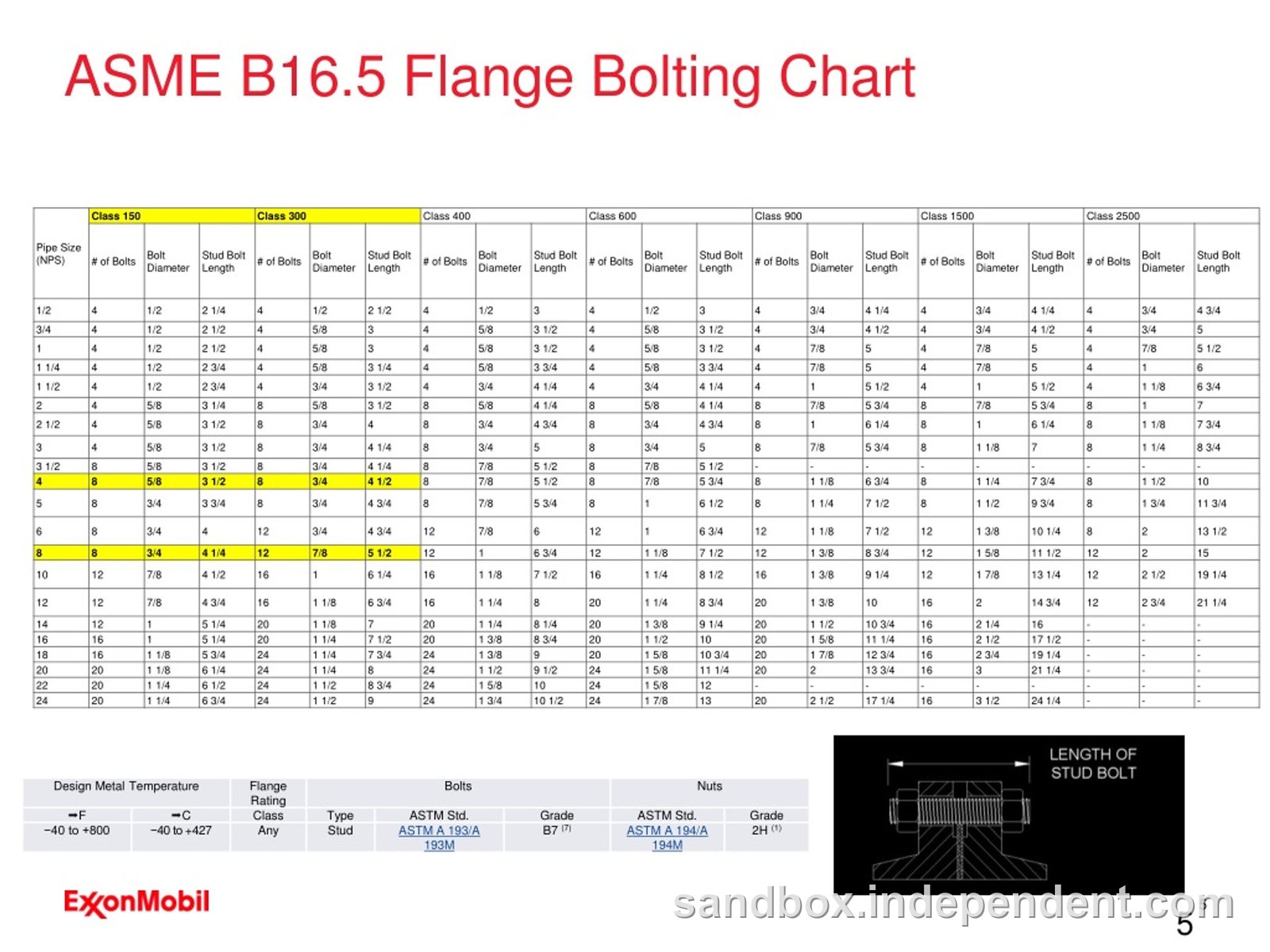
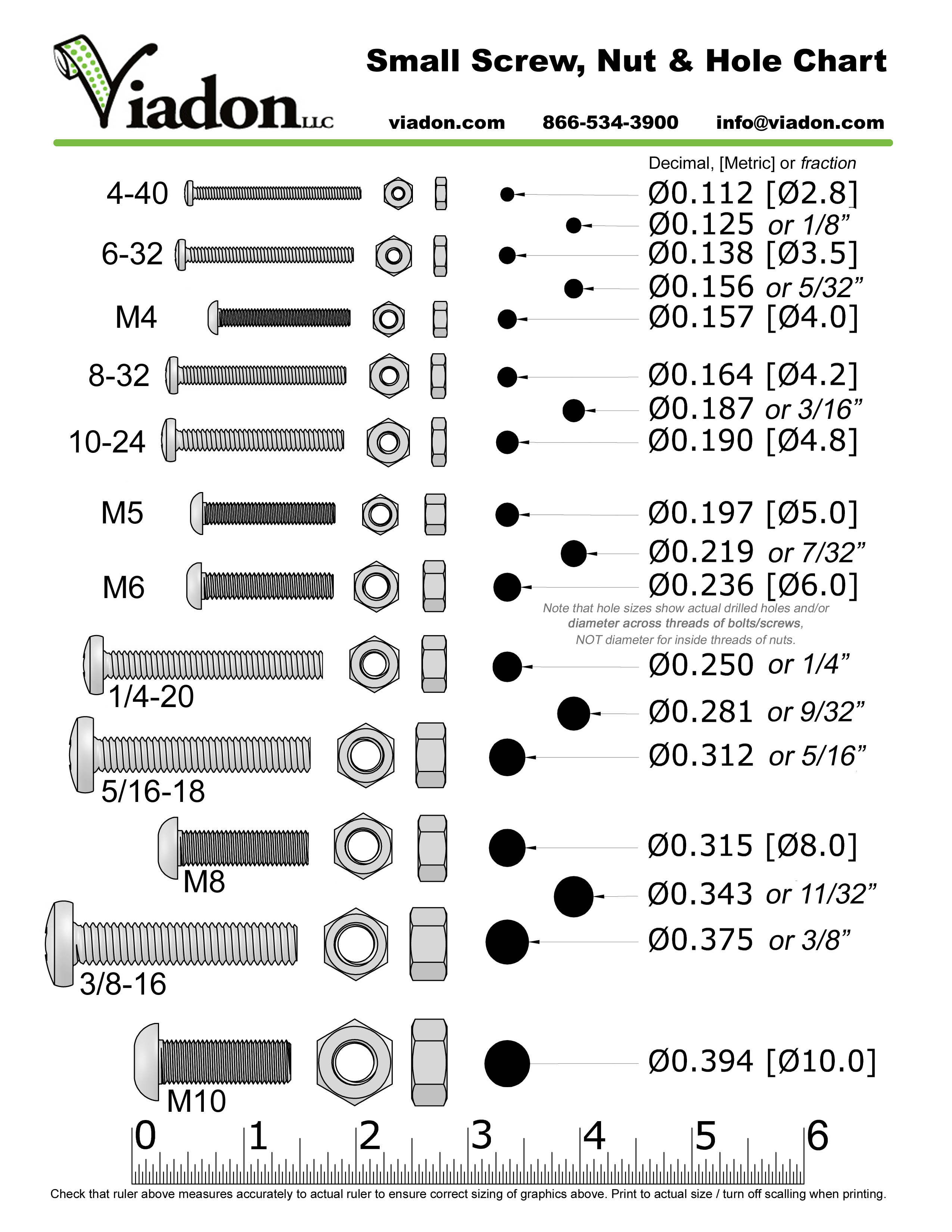
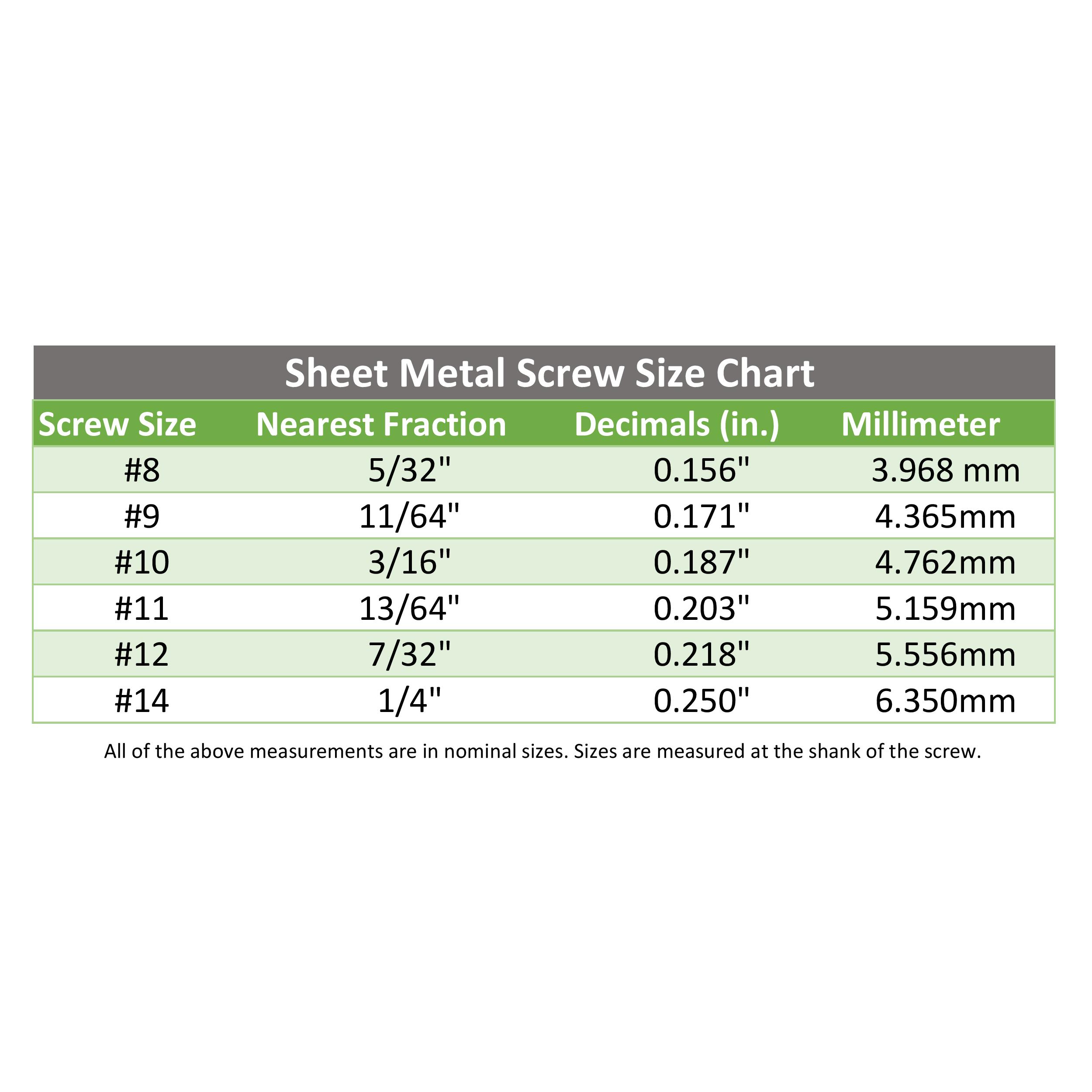
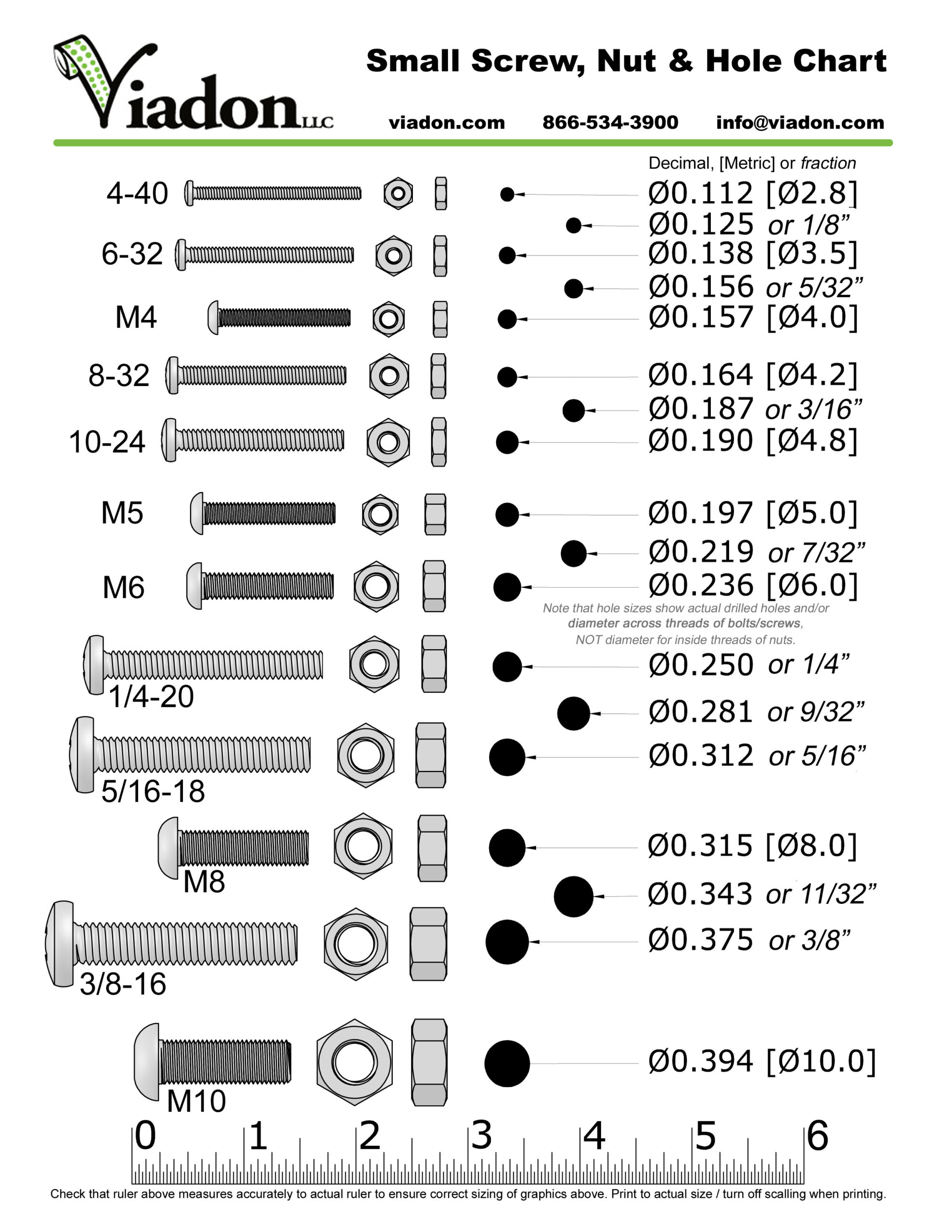
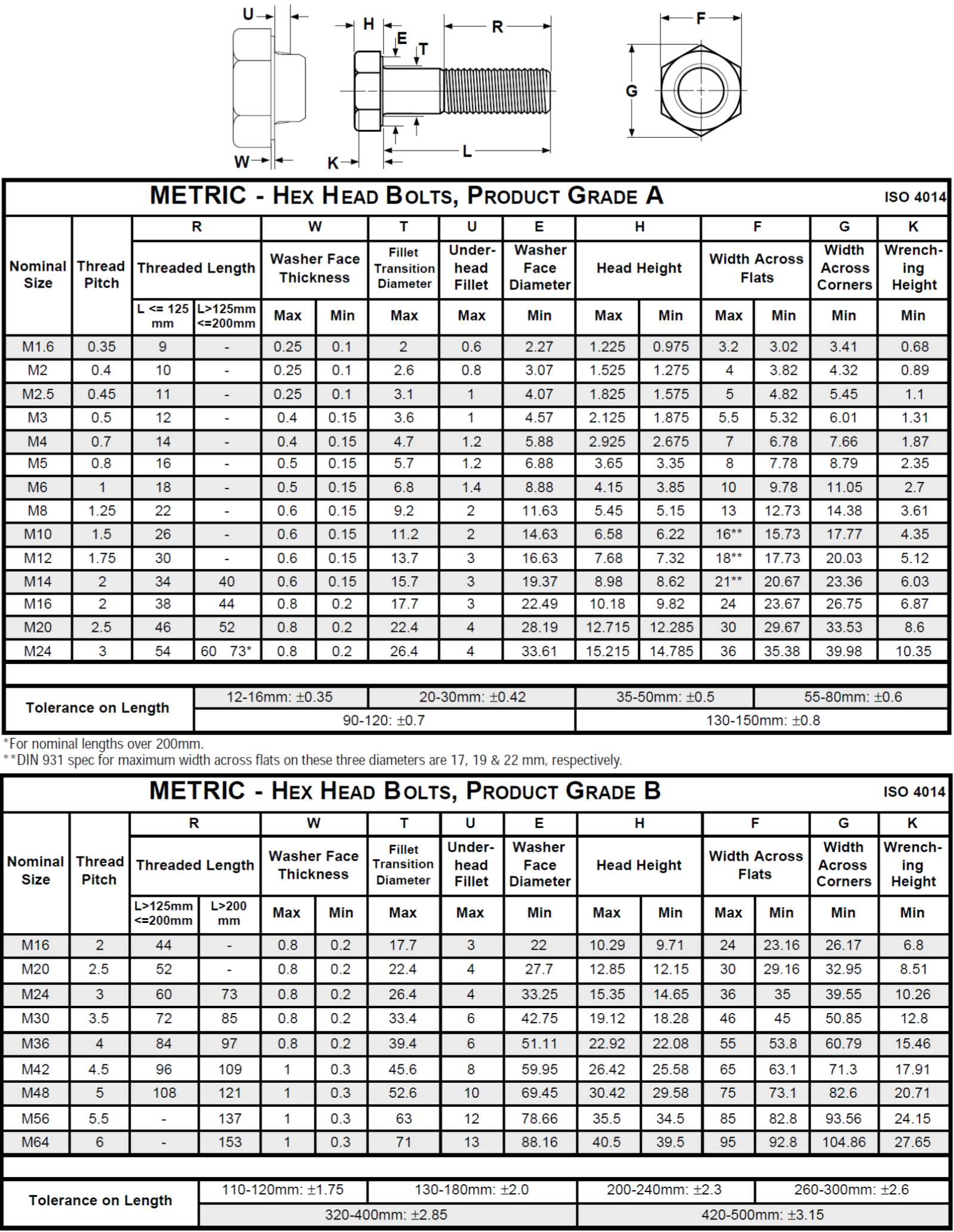
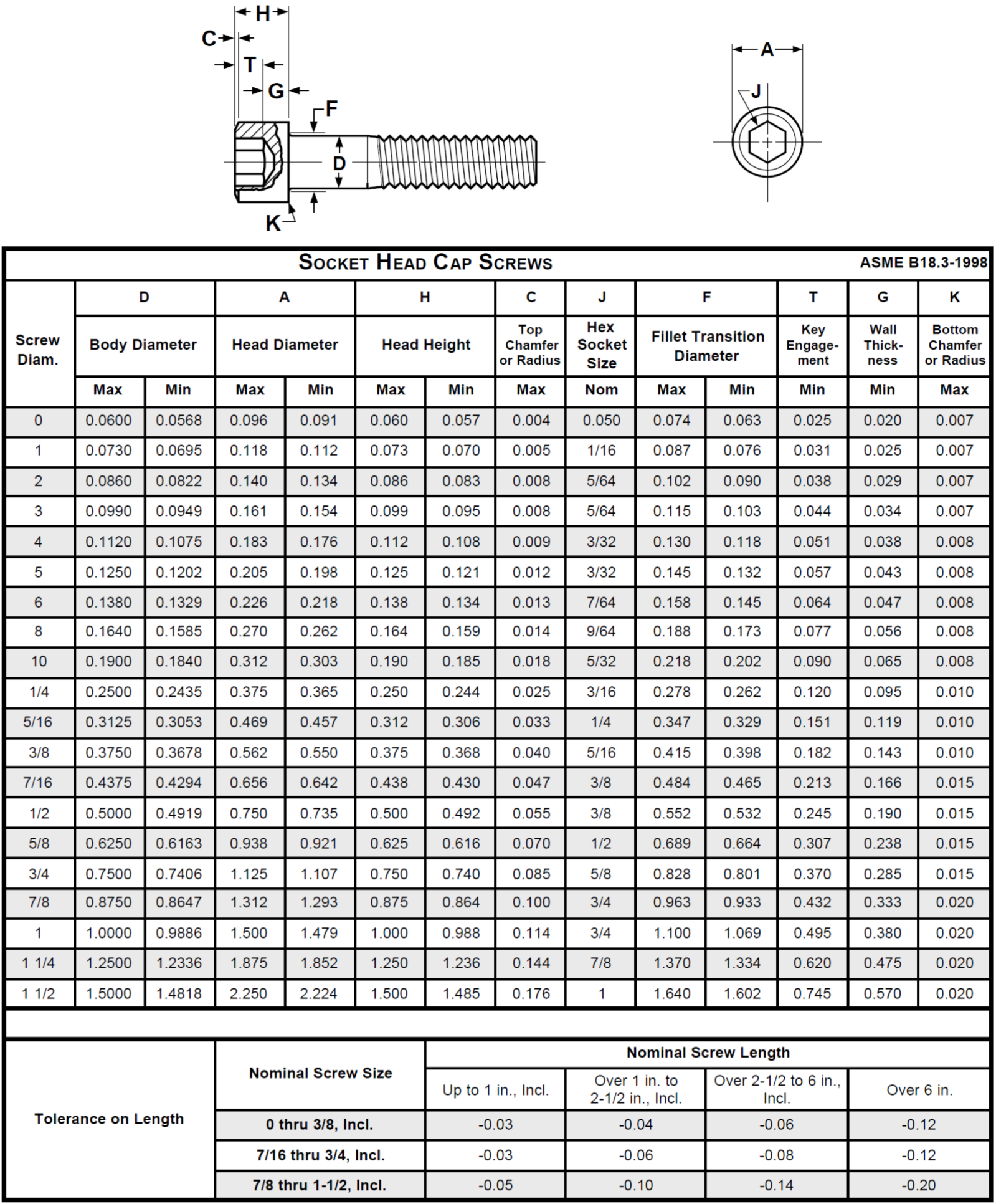
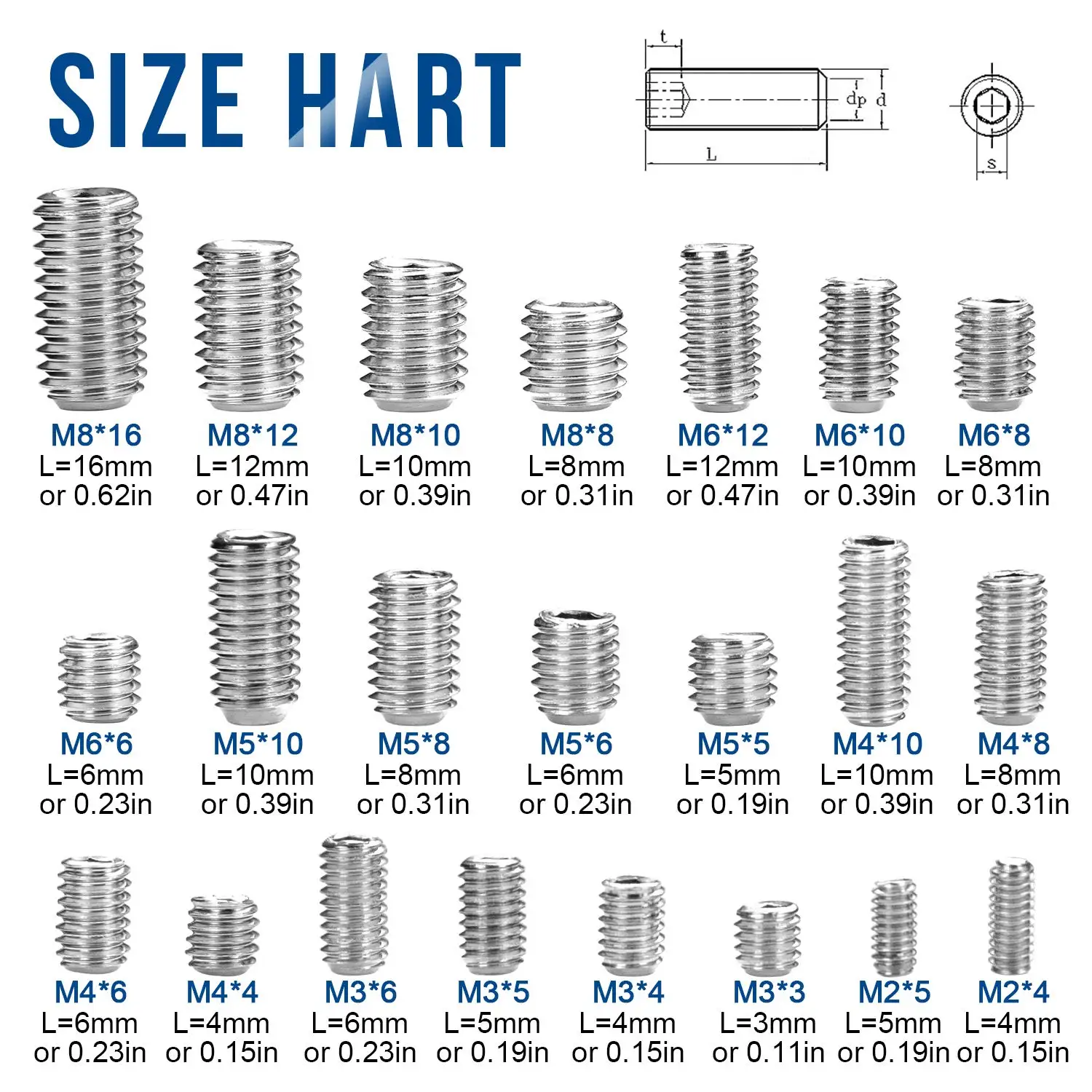
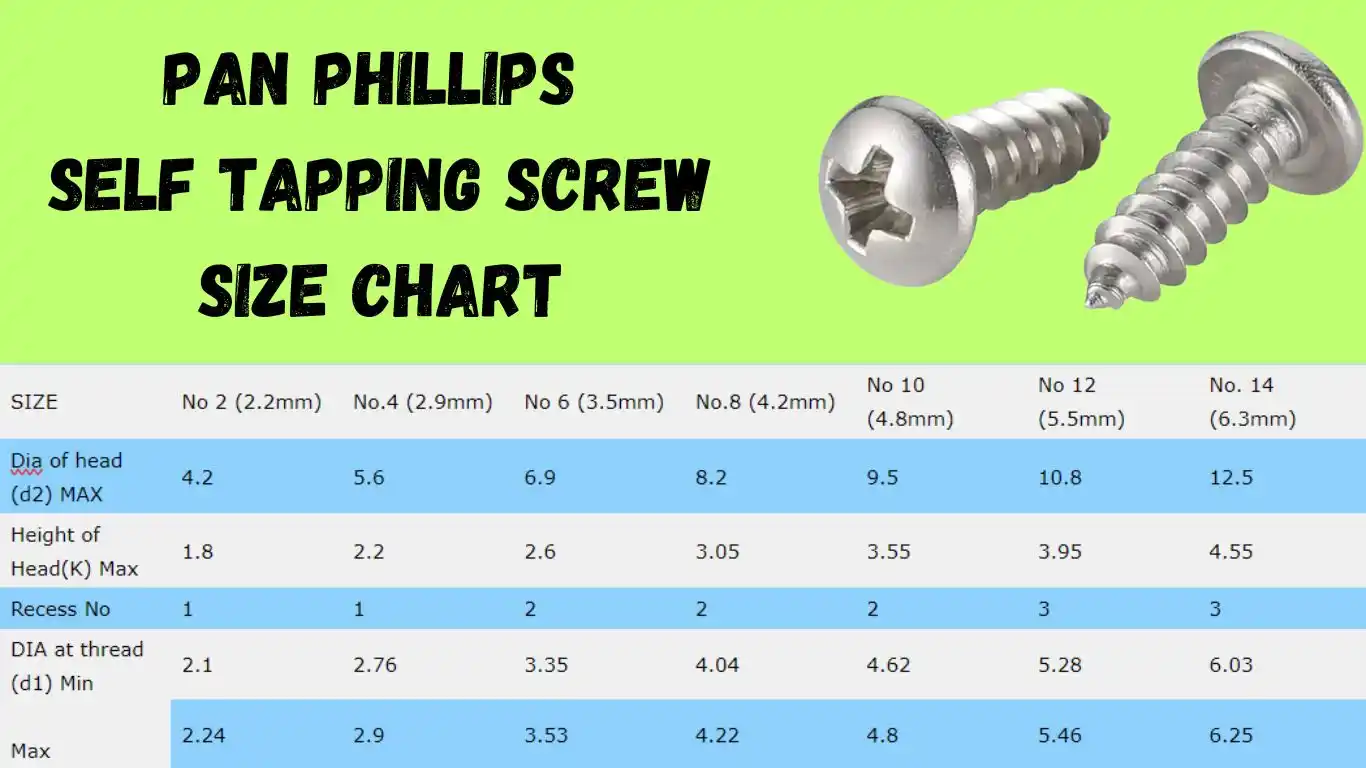
A screw size chart is a handy tool for anyone dealing with screws and fasteners. It's a simple yet effective way to ensure you're using the right size and type for your project. This guide will cover the basics, giving you the knowledge to read and utilize these charts with ease.
The chart provides a quick reference for various screw dimensions, including gauge, thread, and head type. While the values may differ slightly depending on the standard or region, the screw size chart offers a reliable starting point for your fastener needs.
Understanding the Screw Size Chart
A screw size chart is your practical guide to choosing the right screw for any project. It's a reference tool that simplifies the process of selecting screws based on their size, type, and intended use. This chart is a handy resource for anyone working with screws, from DIY enthusiasts to professional contractors.
Comparing Standards and Formats
Screw size charts can vary depending on the standard being followed. The two main standards are the metric system and the imperial system, with each having its own set of measurements and designations. The metric system is widely used internationally and offers a straightforward approach, while the imperial system, common in the US, uses a different set of thread sizes and designations. It's crucial to know which standard your project follows to ensure accurate screw selection.
Practical Screw Selection: A Step-by-Step Guide
Using a screw size chart is straightforward. Here's a simple process:
- Identify the screw's intended use. Different applications require specific screw types and sizes.
- Locate the relevant section on the chart based on the standard you're working with.
- Read across the chart to find the desired screw size. The chart typically displays screw length and diameter measurements.
- Match the measurements to the physical screw you need.
- Check the screw head type and drive style, which are often included in the chart.
- Select the appropriate screw based on your findings.
Avoiding Misreadings and Pitfalls
Misreading a screw size chart can lead to incorrect screw selection. Common mistakes include:
- Confusing metric and imperial measurements. Always double-check the standard being used.
- Misinterpreting screw head types. Pay attention to the symbols or descriptions provided.
- Overlooking drive style variations. Ensure the drive style matches your screwdriver or tool.
- Ignoring the screw's intended use. Different applications require specific screw characteristics.
Key Factors Affecting Accuracy
Several factors can influence the accuracy of your screw selection:
Screw gauge: The gauge refers to the thread pitch, which can vary and impact screw compatibility.
Head types: Different head shapes and sizes serve specific purposes and may affect your choice.
Drive style: The drive style, such as Phillips or flathead, must match your tool for easy installation.
Material: Screws are made from various materials, each with unique strengths and applications.
Finish: The screw's finish, like zinc plating or stainless steel, offers different levels of corrosion resistance.
Key factors:
- Screw gauge (thread pitch)
- Head type and size
- Drive style
- Material
- Finish
Adapting the Chart for Specific Needs
Screw size charts are versatile and can be adapted to suit specific projects. If you're working with unusual materials or have unique requirements, you may need to adjust the chart or seek expert advice. For instance, if you're dealing with soft materials, you might need longer screws to ensure a secure hold. Always consider the specific demands of your project to make the most accurate selection.
Keeping Your Reference Reliable
To ensure the reliability of your screw size chart, it's essential to keep it up-to-date. Regularly check for new standards and updates, especially if you work on diverse projects. Additionally, consider creating a personalized chart by noting down your frequently used screw sizes and their corresponding applications. This customized reference will streamline your selection process and reduce the risk of errors.
So, you've got your screw size chart, a handy tool to keep in your back pocket for any project. It's a simple yet effective reference, and with a few key considerations, you can ensure you're using it accurately.
Remember, these charts provide a great starting point, but your specific project and its unique requirements may vary. Always double-check the exact values and measurements you need, and don't be afraid to adapt and make it work for you. It's a useful guide, but it's not set in stone! Bookmark this page for a quick reminder, and you'll be a screw size expert in no time.
Related: What are Clone Hero charts all about?
Many newcomers to clone hero charts assume they are complex and intimidating, but in reality, they are a simple and effective tool for music gamers. These charts, often associated with games like Clone Hero and Guitar Hero, provide an easy-to-read visual representation of the song's notes and rhythms. While there may be variations in chart formats, the core principle remains the same: a clear path to follow, much like a note highway.
What Are Clone Hero Charts?
Clone Hero charts are a visual representation of a song's notes and their timing, designed to guide players through the gameplay of Clone Hero, a popular music rhythm game. These charts are essentially a roadmap for players to follow, indicating when and where to press the corresponding buttons to hit the notes accurately.
Understanding the Layout and Key Details
The chart displays a note stream, often referred to as the note highway or note track, which represents the flow of notes in a song. Each note is represented by a small circle or marker, and these notes are arranged in a specific pattern across the chart. The chart typically uses a grid-like structure, with the vertical axis indicating time and the horizontal axis representing the different lanes or frets. The notes are color-coded, with each color corresponding to a specific button or fret on the game's controller. Common colors include red, yellow, green, blue, and orange, each associated with a particular button. Additionally, the chart may include special notes, such as star power notes, indicated by unique symbols.
Reading the Note Stream and Playing the Song
To read and play a Clone Hero chart accurately, follow these steps:
- Start by familiarizing yourself with the layout and note colors. Ensure you know which color corresponds to which button or fret.
- Observe the note stream and identify the pattern. Notes are often grouped together in chords or sequences, so recognizing these patterns is crucial.
- As the song progresses, pay attention to the timing. The vertical axis indicates when each note should be played.
- Press the corresponding button or fret when the note marker reaches the designated lane. This action simulates strumming or fretting on a real guitar.
- For more advanced techniques, such as star power activation or specific finger placements, refer to the chart's symbols and follow the indicated actions.
Variations and Differences in Chart Standards
Clone Hero charts can vary depending on the song's genre, difficulty level, and the creator's style. Different chart makers may have unique approaches to note placement and timing, leading to variations in the chart's layout and complexity. Additionally, regional differences and game version updates can impact chart standards. Always check the chart's metadata or accompanying information to ensure you are using the correct version for your game setup.
Common Mistakes and How to Avoid Them
One of the most common mistakes is failing to recognize note patterns and timing accurately. Take time to study the chart and understand the song's rhythm. Another pitfall is neglecting to calibrate your game settings, which can cause timing issues. Ensure your game is properly calibrated to match your input device's response time. Additionally, some players may rush through the song, leading to missed notes. Maintain a steady pace and focus on precision.
Practical Tips for Accurate Chart Reading
To enhance your chart-reading skills and gameplay, consider these tips:
- Practice recognizing note patterns and chord progressions. This skill will improve your ability to anticipate and play notes accurately.
- Use practice modes or slower song speeds to familiarize yourself with the chart before attempting a full playthrough.
- Pay attention to your finger placement and strive for consistency. Proper finger placement can improve your accuracy and reduce fatigue.
- Take breaks and rest your hands to prevent strain, especially during longer play sessions.
Double-Checking and Handling Edge Cases
While Clone Hero charts provide a comprehensive guide, it's essential to double-check specific details, especially for complex songs or unique gameplay elements. Some charts may include custom symbols or notation, so refer to the chart's documentation or creator's notes for clarification. Additionally, if you encounter a chart with an unfamiliar layout or notation style, consider seeking guidance from the Clone Hero community or referencing other charts for comparison.
Well, there you have it! Clone hero charts are a handy tool, and now you know the ins and outs. Remember, the key is to understand the basics and then tailor them to your specific needs.
Before you go, just a quick reminder to always check the relevant standards and sources for your project. Exact values and terminology can vary, so it's best to double-check and ensure accuracy. Consider this guide a starting point, and feel free to bookmark it for future reference. Happy charting!
Related: How to read a newborn size chart?
Many new parents might assume that all newborns are the same size, but that's not quite true! While it's a common misconception, the reality is that newborn size charts actually vary quite a bit.
These charts, which include details like birth weight percentiles and infant head circumference, are a handy tool to understand a baby's growth and development. They provide a simple, visual way to track and compare a newborn's size and can help parents and healthcare professionals ensure a baby is growing as expected. It's worth noting that these charts may differ based on various factors, so it's always best to consult a healthcare professional for personalized guidance.
The Newborn Size Chart: A Quick Overview
The newborn size chart is a handy tool for parents and caregivers to understand and track a baby's growth and development during their first few weeks of life. It provides a visual representation of a baby's typical measurements, including length, weight, and head circumference, and helps identify any potential concerns. This chart is a great reference for new parents, offering a simple way to monitor their baby's progress.
Comparing Standards and Formats
There are different standards and formats for newborn size charts, depending on the region and medical guidelines. The most common ones are based on international or metric standards, which are widely used and accepted globally. These charts typically use centimeters (cm) for length and weight measurements and provide a comprehensive view of a baby's growth. Some charts may also include additional details, such as body mass index (BMI) or specific growth percentiles.
Step-by-Step Guide to Using the Chart
Using a newborn size chart is straightforward:
Obtain a reliable chart from a trusted source, such as a healthcare provider or a reputable online resource. Ensure it follows the appropriate standard for your region.
Measure your baby's length, weight, and head circumference accurately. For length, place your baby on a flat surface and gently stretch them out, measuring from the top of the head to the heel. Weigh your baby on a scale designed for infants. Head circumference is measured using a tape measure, just above the eyebrows and around the largest part of the head.
Locate the corresponding values on the chart. The chart typically has age or week ranges on one axis and measurement values on the other. Find the appropriate age range and then identify the value that matches your baby's measurement.
Interpret the results. The chart will show percentiles, indicating where your baby's measurements fall in comparison to other babies of the same age. A percentile of 50% is considered average, while values above or below indicate a larger or smaller size, respectively.
Track progress over time. Repeat these measurements regularly (weekly or monthly) and plot the results on the chart to visualize your baby's growth pattern. This helps identify any significant deviations or concerns.
Common Misreadings and Pitfalls
It's important to note that newborn size charts are general guidelines and may not represent every baby's growth accurately. Here are some common misreadings and how to avoid them:
Interpreting Percentiles: Percentiles don't indicate a baby's health or development; they simply show where a measurement falls in comparison to others. A lower percentile doesn't necessarily mean a problem, as long as the baby is healthy and growing consistently.
Aging Out of the Chart: Some charts have limited age ranges. If your baby is older than the chart's maximum age, you may need to consult a different chart or discuss with your healthcare provider.
Measuring Inaccurately: Always use proper measuring techniques to ensure accurate results. Inconsistent or incorrect measurements can lead to misleading interpretations.
Factors Affecting Accuracy
Several factors can influence a baby's growth and, consequently, their position on a newborn size chart:
Genetics: A baby's size can be influenced by their parents' height and build.
Nutrition: Adequate nutrition is crucial for healthy growth. Breastmilk or formula provides the necessary nutrients, but solid food introduction can also impact growth patterns.
Health Conditions: Certain medical conditions or premature birth can affect a baby's growth. Consult your doctor if you have concerns.
Gender: On average, baby girls tend to be slightly smaller than baby boys, but this varies widely.
Choosing the Right Chart for Your Needs
While standard newborn size charts are widely available and useful, some parents may require more specialized charts. Here are a few variations:
Premature Baby Charts: If your baby was born prematurely, a specialized chart may be more accurate for tracking their growth.
International Charts: If you're traveling or living abroad, ensure you have a chart that follows the local standard.
Growth Charts for Specific Concerns: In some cases, doctors may recommend specialized charts to monitor a baby with a specific health condition or growth concern.
Remember, while newborn size charts are valuable tools, they should be used as a guide, and any concerns should be discussed with a healthcare professional.
Hey there, we hope this guide has given you a clear understanding of newborn size charts and their practical use. Remember, while the basics remain the same, exact details can vary slightly, so always refer to reliable sources and adapt to your specific needs.
Feel free to explore our other guides for more insights and tips on various parenting topics. We've got a range of resources to help you navigate this exciting journey, so take a look and find what resonates with you!