


Gap Size Chart Template Overview
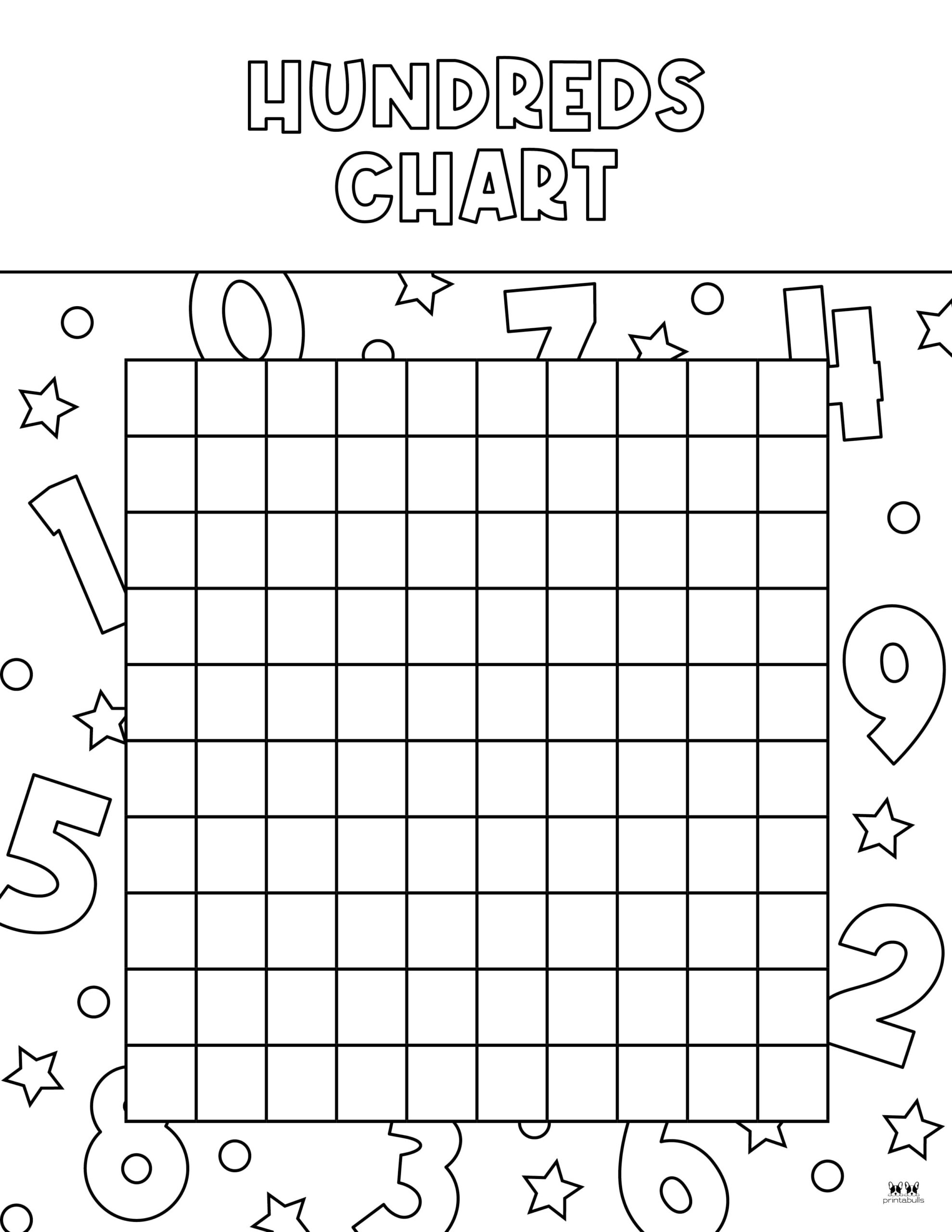
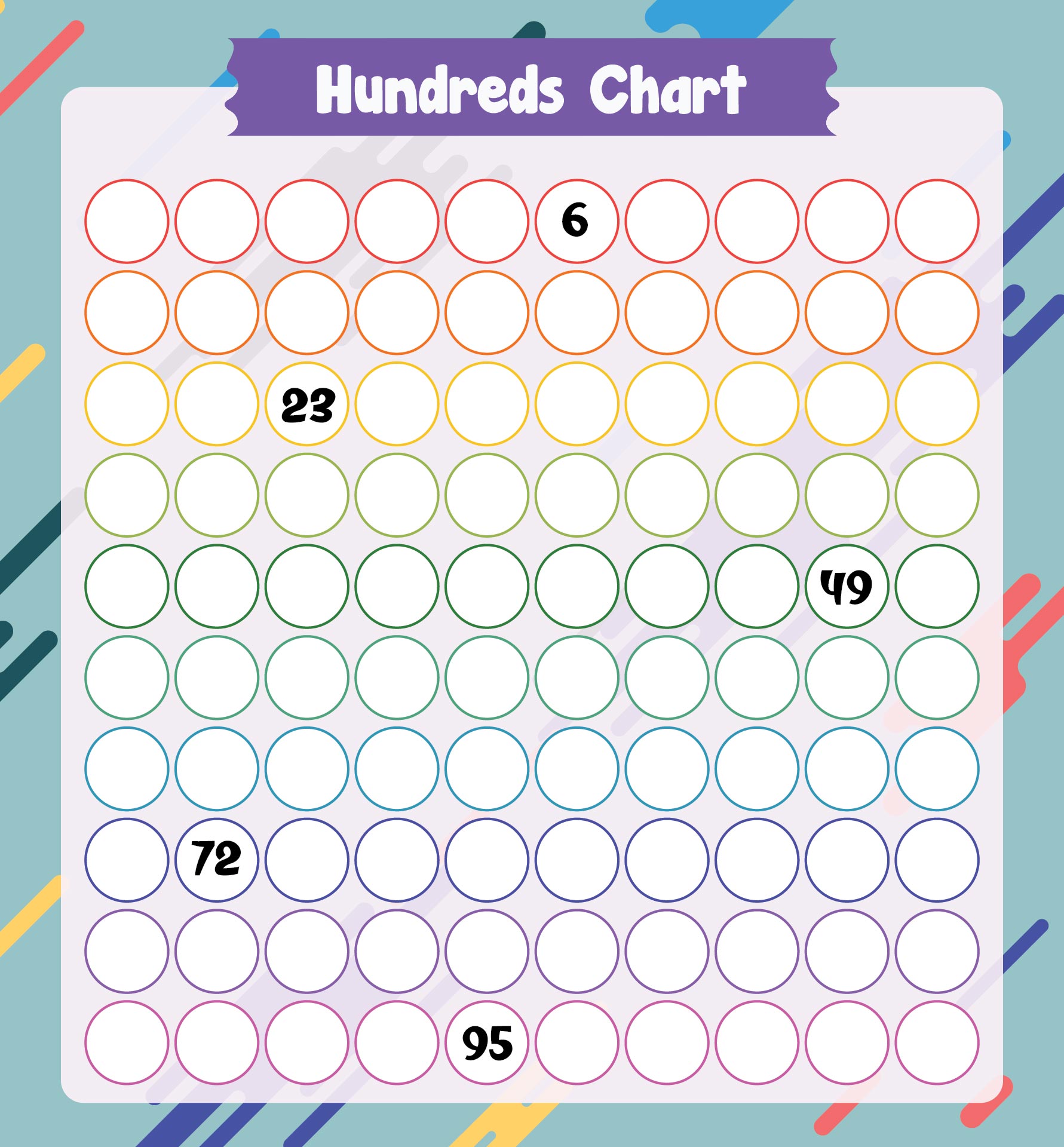
A blank 100s chart is a simple yet powerful tool, a versatile blank canvas for exploring numbers and their relationships. This guide will show you how to make the most of this chart, a handy reference and educational resource.
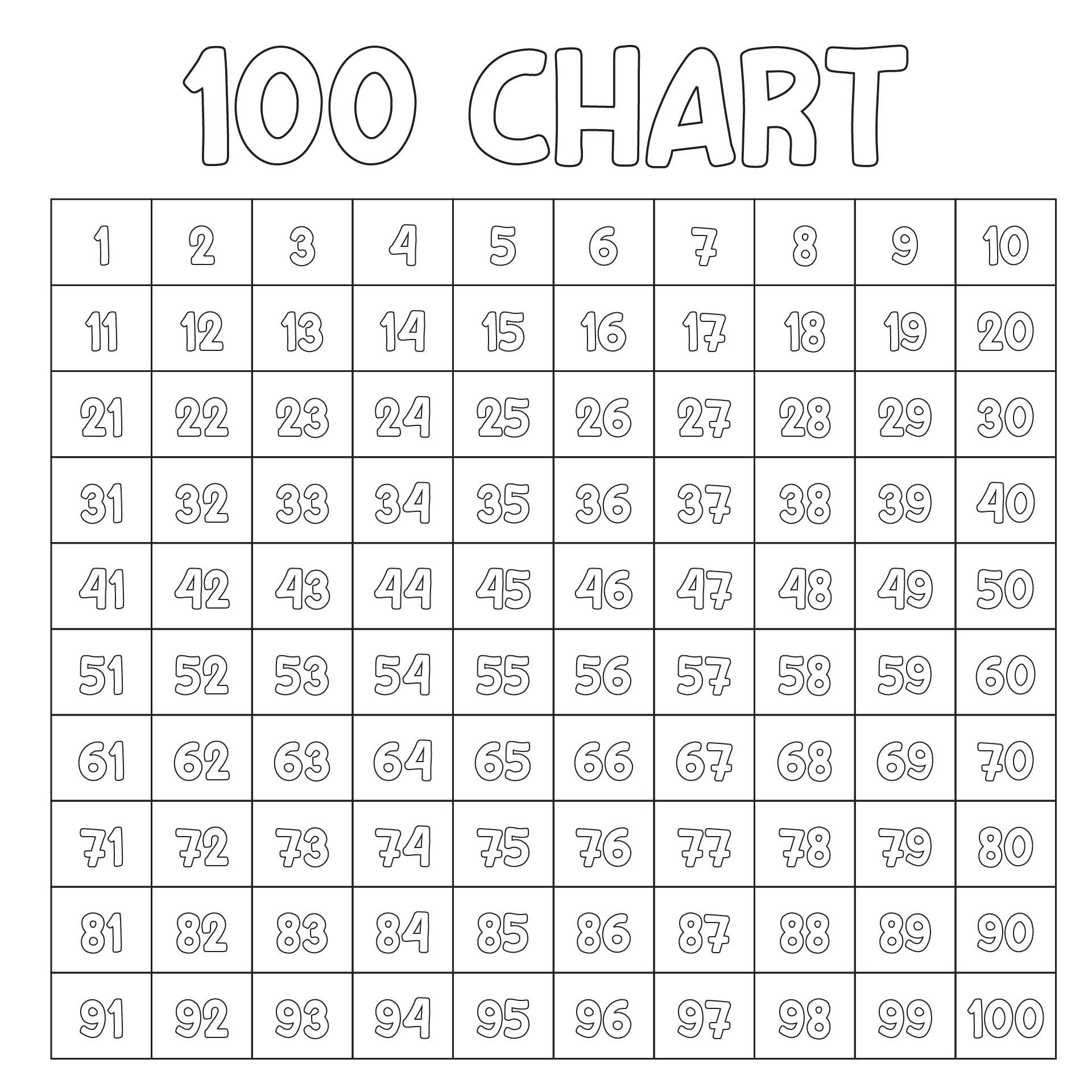
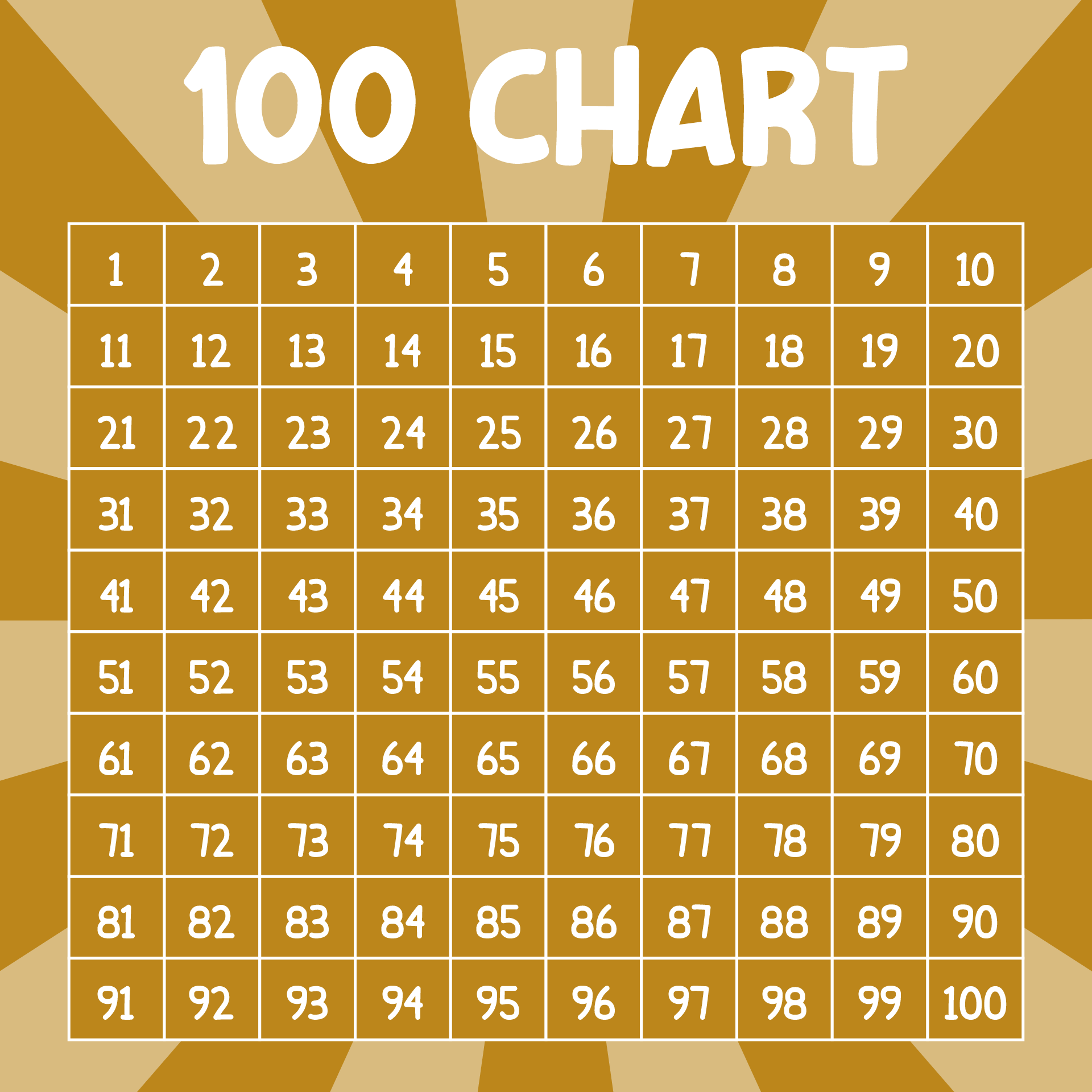
It's a flexible format, with potential variations, but the basic concept is a grid of 100 squares, each containing a number, providing a visual representation of numbers 1 to 100. With this chart, you can easily identify patterns, practice counting, and even introduce more complex mathematical concepts.
The Blank 100s Chart: A Quick Overview
The blank 100s chart is a simple yet powerful tool, often used in education and mathematics. It's a grid-like diagram with 100 boxes, arranged in rows and columns, typically with numbers from 1 to 100. This chart is a visual representation of numbers, helping us understand patterns, counting, and basic mathematical operations. It's a great educational resource, especially for young learners, to grasp the concept of numbers and their relationships.
Comparing Chart Formats and Standards
There are a few variations of the blank 100s chart, but the most common ones follow a standard format. The chart usually has 10 rows and 10 columns, with numbers increasing by 1 in a sequential order. However, some charts might have a different layout, especially when used for specific purposes or in different regions. For instance, you might find charts with numbers in a spiral pattern or with a focus on a particular number range. It's essential to understand the chart's layout and its purpose to use it effectively.
Step-by-Step Guide: Using the Blank 100s Chart
Using the blank 100s chart is straightforward, but it's crucial to follow a systematic approach:
- Identify the chart's layout: Check if the numbers are arranged sequentially or in a specific pattern. This step ensures you understand the chart's organization.
- Locate the numbers: Find the number you're looking for or start counting from a specific number. This step is crucial for understanding number sequences and patterns.
- Observe the relationships: The chart's beauty lies in its ability to showcase number relationships. You can easily identify patterns, such as even and odd numbers, or understand place values.
- Practice counting: Use the chart to practice counting skills. Start from any number and count forward or backward. This exercise helps improve number sense and fluency.
- Explore mathematical operations: The chart is an excellent tool for basic operations like addition and subtraction. You can visually represent and solve simple equations, enhancing your mathematical understanding.
Common Misreadings and How to Avoid Them
Misreading a blank 100s chart is easy, especially for beginners. Here are some common pitfalls and how to fix them:
- Reading numbers in the wrong order: Always start from the top left corner and read numbers sequentially. Avoid jumping to conclusions based on number patterns.
- Confusing even and odd numbers: Even numbers are always divisible by 2, and they appear in a specific pattern on the chart. Ensure you understand this pattern to avoid confusion.
- Misinterpreting place values: The chart can help understand place values, but it's essential to grasp the concept first. Start with basic place value charts to build a solid foundation.
Factors Affecting Accuracy and Real-World Use
Several factors can impact the accuracy and effectiveness of the blank 100s chart:
- Standard vs. Custom Charts: Standard charts follow a universal format, making them reliable. Custom charts, however, might have variations, so double-check the layout and numbers.
- Region and Measurement Systems: Depending on your region, the chart might use different measurement systems. Ensure you're using the right chart for your specific needs.
- Purpose and Context: The chart's purpose can vary. For example, a chart used for teaching place values might have a different layout than one used for basic counting.
Choosing the Right Format for Your Needs
When selecting a blank 100s chart, consider your specific requirements:
- Educational Level: Choose a chart suitable for your students' or children's learning level. Simple charts are great for beginners, while advanced learners might benefit from more complex layouts.
- Purpose: Determine the chart's primary use. Is it for basic counting, understanding patterns, or teaching mathematical concepts? Select a chart that aligns with your goal.
- Region and Standards: Ensure the chart follows the correct standards and measurement systems for your region. This step ensures accuracy and avoids confusion.
The blank 100s chart is a versatile tool, offering a visual representation of numbers and their relationships. By understanding its layout, purpose, and potential variations, you can use it effectively for teaching, learning, and practicing mathematical skills. Remember, the key is to explore and experiment with different charts to find the one that best suits your needs!
Hey there! I hope this guide has given you a clear understanding of the blank 100s chart and its practical applications. Remember, while we've covered the basics, the specifics might differ slightly based on your unique situation.
Don't hesitate to explore our other guides for more detailed insights. And when you next need a quick reference, just bookmark this page for easy access! It's a simple way to keep your options organized and at your fingertips.
Related: Understand the Blonde Hair Chart: A Simple Guide
A common misconception about the blonde hair chart is that it's solely for professionals; however, this handy tool is accessible and beneficial for anyone interested in hair coloring. The chart, a simple yet effective visual aid, offers a clear path to understanding and achieving desired blonde shades. It provides an organized system, often using a level system and tone guide, to navigate the world of blonde hair colors.
Understanding the Blonde Hair Chart
The blonde hair chart is a visual guide that helps you navigate the world of blonde hair colors. It provides a comprehensive overview of various blonde shades, their characteristics, and how they can be achieved. This chart is an essential tool for anyone looking to explore and experiment with blonde hair, whether you're a professional stylist or an individual seeking the perfect blonde.
Key Details and Categories
The blonde hair chart typically consists of a color wheel or a grid-like layout, with each section representing a specific blonde shade. These shades are categorized based on their level of lightness or darkness, often referred to as the "level system." The levels range from 1 to 10, with 1 being the darkest blonde and 10 being the lightest, almost white blonde. Additionally, the chart may include sub-categories to indicate the tone, such as ash, golden, or platinum. Each shade is further described using a combination of numbers and letters, providing a unique code for each color.
Reading and Applying the Blonde Hair Chart
To use the blonde hair chart, follow these steps:
- Identify your current hair color's level and tone. This will help you determine the starting point for your blonde journey.
- Choose your desired blonde shade from the chart. Consider the level and tone that appeal to you and match your personal style.
- Understand the required process. The chart may indicate if a simple tone change is enough or if you need a more extensive color transformation.
- Consult a professional. While the chart provides a guide, a qualified stylist can offer personalized advice and ensure a safe and successful hair color change.
- Maintain your blonde. Follow aftercare instructions and use specialized products to preserve the color and health of your hair.
Variations and Differences
It's important to note that blonde hair charts may vary depending on the standard or brand being used. Different manufacturers may have slightly different level systems or tone guides. Additionally, individual hair types and previous color treatments can affect the final result. Here are some key factors that can cause variations:
- Hair porosity: The ability of hair to absorb and retain moisture can impact color uptake.
- Natural hair color: Starting from a darker base may require multiple processes to achieve a light blonde.
- Previous color history: Hair that has been previously colored may react differently to new color applications.
- Environmental factors: Sun exposure and water quality can affect the longevity of blonde shades.
Remember, while the blonde hair chart is a valuable tool, it's always recommended to seek professional advice for the best results and to ensure the health of your hair.
Before you put this chart into action, remember to tailor it to your specific needs. While we've covered the basics, the exact values and categories may vary slightly between different sources and standards. So, take a moment to ensure you have the right references for your context.
Consider bookmarking this page for future reference. It's a handy tool to have at your fingertips, and with a quick refresh, you'll be ready to navigate the world of blonde hair tones with confidence!
Related: Understand Nipple Size Chart: A Simple Guide
You're probably here because you need a quick answer, a simple guide to help you understand nipple size charts and their purpose. It's a common query, and these charts are more useful than you might think! They provide a straightforward way to measure and compare nipple sizes, often alongside other breast-related measurements. While the values may vary depending on the source, a nipple size chart can be a handy reference tool, especially when paired with a bra size guide or areola size chart.
Understanding the Nipple Size Chart
The nipple size chart is a handy reference tool that provides a standardized way to measure and categorize nipple sizes. It offers a simple and visual guide to help individuals understand their nipple dimensions and find the right products or solutions based on size. This chart is particularly useful for those seeking nipple piercings, nipple jewelry, or even nursing aids, as it ensures a comfortable and accurate fit.
Key Details and Categories
The nipple size chart typically displays nipple diameters, measured in millimeters (mm) or inches, depending on the standard being used. It categorizes nipples into size ranges, often with labels like "Small," "Medium," "Large," and so on. These categories provide a quick reference for individuals to identify their nipple size without the need for precise measurements.
Reading the Measurements: A Step-by-Step Guide
Start by locating the chart's measurement scale. This scale will typically run along one edge of the chart, indicating the nipple diameters in either mm or inches.
Next, identify the category labels. These labels, such as "Small," "Medium," or "Large," are usually positioned above or below the measurement scale, indicating the size range.
To determine your nipple size, measure the diameter of your nipple using a ruler or a specialized nipple gauge. Ensure you measure from the base of the nipple, where it meets the areola, to the tip.
Compare your measured diameter to the scale on the chart. Find the corresponding size category, and you've identified your nipple size!
Common Variations and Differences
It's important to note that nipple size charts may vary depending on the standard or region. For instance, a chart designed for the US market might use inches as the unit of measurement, while an international chart might use millimeters. Additionally, some charts may provide more detailed size categories, especially for specialized products like nipple jewelry, which require precise sizing.
Mistakes to Avoid
One common mistake is assuming that all nipple size charts are the same. Always check the units of measurement and the source of the chart to ensure it aligns with your needs. Another pitfall is relying solely on category labels without measuring your nipples. While categories provide a quick reference, precise measurements are essential for an accurate fit, especially for delicate items like piercings or jewelry.
Practical Tips for Accurate Results
When measuring your nipples, ensure you're in a relaxed state. Nipple size can vary slightly depending on factors like temperature and arousal, so it's best to measure when you're comfortable and at rest. If you're measuring for piercings or jewelry, consider consulting a professional piercer or a medical professional for guidance and to ensure you're using the correct techniques and tools.
Double-Checking and Edge Cases
While the nipple size chart provides a useful guide, it's not an exact science. Individual variations and unique anatomical features can sometimes fall outside standard size categories. In such cases, it's essential to consult a professional or the manufacturer's guidelines for specific products. They may provide additional sizing information or custom solutions to accommodate unique nipple sizes.
Hey there, we've covered a lot of ground on this topic, and I hope it's been helpful! Remember, when it comes to nipple size charts, the exact measurements can vary slightly depending on the source or standard you're using, so it's always good to double-check.
This guide aims to provide a straightforward reference, but every body is unique, and so are their measurements. So, if you ever need a quick reminder or want to explore other related topics, feel free to bookmark this page for future use. It's always handy to have these practical guides at your fingertips!