


Gauge Size Chart Editable Overview
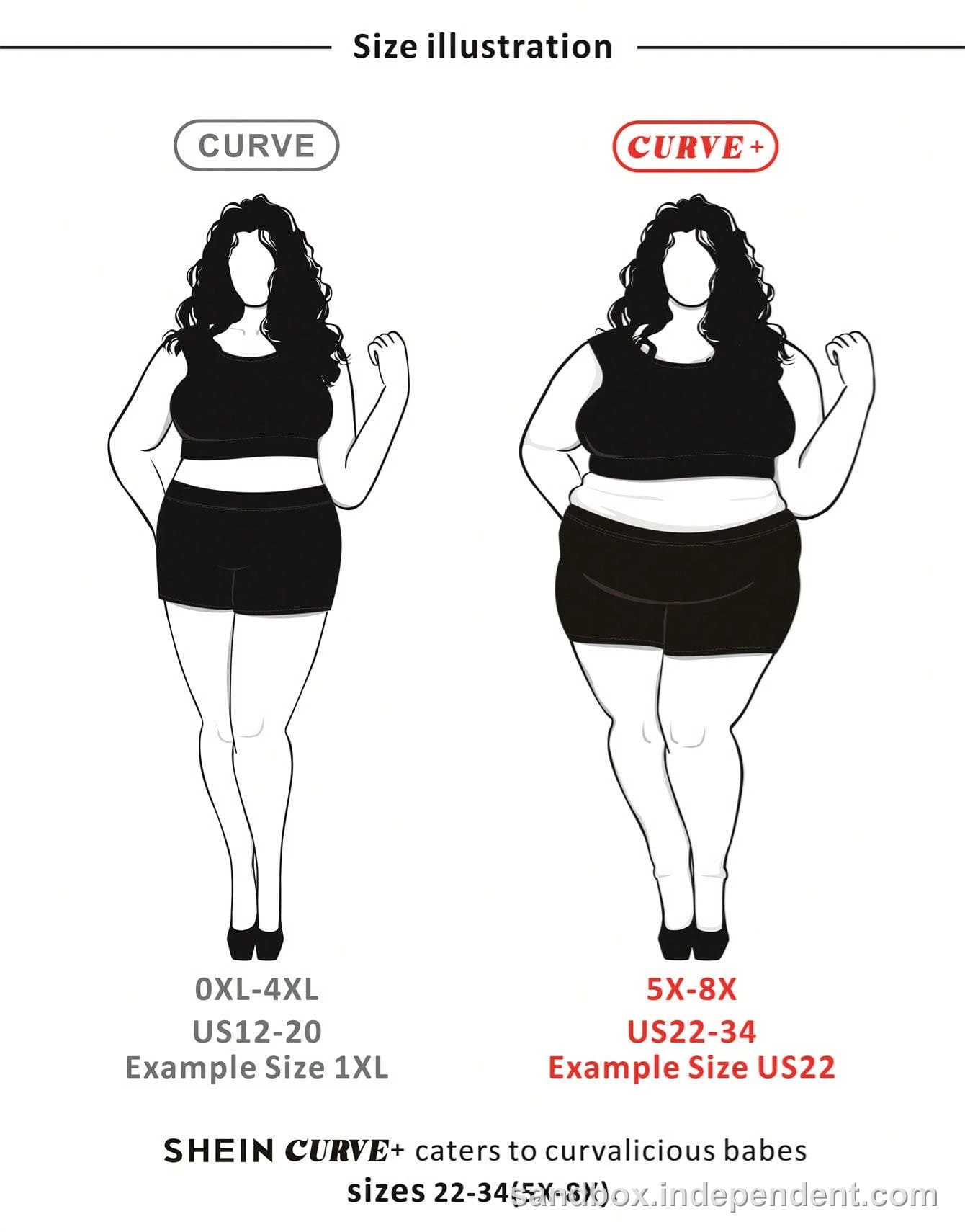
Frustrated by the lack of clarity in size guides? You're not alone! Many of us have been there, staring at a Torrid size chart, wondering if the numbers align with our bodies. It's a common struggle, especially when shopping for plus-size clothing. But fear not! Understanding these charts is easier than you think.
The Torrid size guide, for instance, offers a simple solution. It provides a clear breakdown of measurements, ensuring you find the perfect fit. Whether you're after a Torrid dress size chart or a Torrid jeans size chart, the key is to take your time and measure accurately.
Understanding the Torrid Size Chart
The torrid size chart is your go-to guide for finding the perfect fit in Torrid clothing. It's a simple yet effective tool that helps you navigate their range of sizes and styles, ensuring you get a comfortable and flattering look every time.
Key Details and Categories
The chart provides a clear breakdown of measurements for different body parts, typically including bust, waist, hips, and inseam. These measurements are presented in a table format, with sizes ranging from 00 to 6X, covering a wide range of body types. The units used are inches, a standard measurement system. It's important to note that the chart is designed specifically for Torrid's clothing line, so it may differ from other size guides.
Step-by-Step Guide to Reading the Chart
Here's a simple process to follow when using the torrid size chart:
- Identify your body type and the specific item of clothing you're interested in.
- Locate the relevant size guide for that item on the chart.
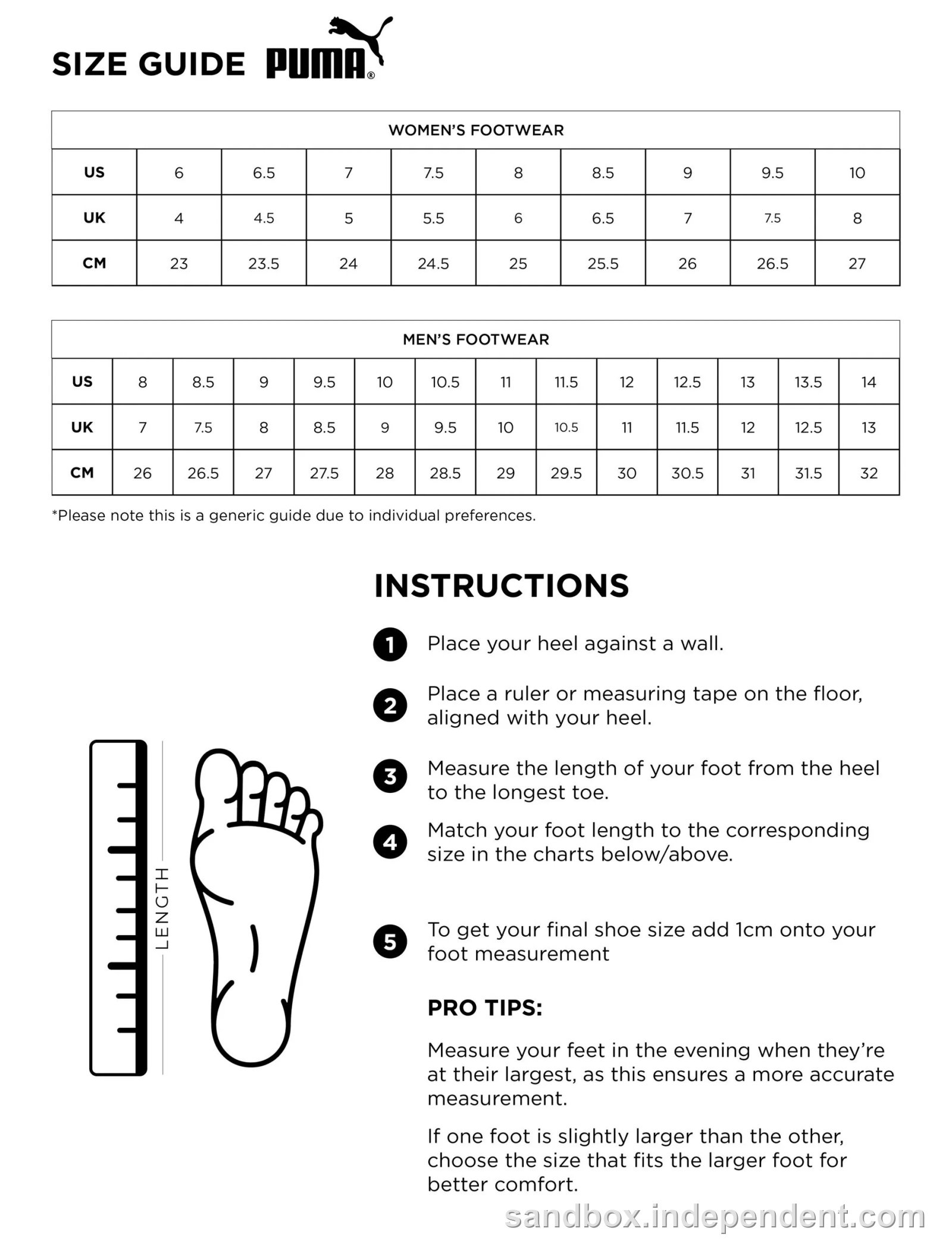
- Measure your body according to the guide's instructions. Ensure you're measuring the right body parts accurately.
- Compare your measurements to the size chart. Find the size that most closely matches your measurements across all relevant body parts.
- If you fall between sizes, consider the fabric and style of the garment. Some fabrics have more give, and certain styles may be more forgiving.
- Don't forget to check the reviews and fit notes provided by Torrid and other customers. These can offer valuable insights into how the garment fits in real life.
Size Chart Variations and Differences
It's important to remember that size charts can vary across brands and even within a brand for different clothing types. Torrid clothing size charts may differ slightly for jeans compared to dresses or bras, as these items have unique fit requirements. Additionally, Torrid, like many brands, offers size guides for both US and international (metric) measurements, so ensure you're using the correct guide for your region.
Common Mistakes and How to Avoid Them
- Measuring inaccurately: Ensure you're using a flexible measuring tape and following the instructions precisely.
- Assuming sizes are universal: Remember, each brand's size chart is unique. Don't assume your Torrid size will be the same as another brand.
- Not considering fabric and style: The fit of a garment can vary significantly based on fabric and design.
- Neglecting to check reviews: Customer reviews often provide valuable insights into how an item fits in practice.
- Forgetting to account for personal preferences: If you prefer a looser fit, size up; if you like it snug, size down.
- Relying solely on the size chart: While the chart is a great guide, it's always a good idea to check the fit notes and reviews for a more accurate picture.
Hey there, I hope this guide has been helpful in understanding the Torrid size chart and its practical use. Remember, while the core principles remain the same, the exact details can differ slightly, so it's always good to refer to the specific chart you're using.
Don't hesitate to explore other guides on our site, where you'll find more tips and tricks to enhance your shopping experience and make informed choices. Happy shopping, and stay stylish!
Related: Master the Army AFT Chart: A Quick Guide
The army aft chart is a handy tool for anyone looking to understand and track their physical fitness progress, especially those with a military background or an interest in meeting army fitness standards. This guide will cover the basics of reading and interpreting the chart, ensuring you can use it effectively.
It provides a clear visual representation of the Army Physical Fitness Test (APFT) standards, including push-up and sit-up requirements, and can help you assess your current fitness level and set goals. While the exact values may vary depending on your region and specific army guidelines, the chart offers a reliable framework to get you started on your fitness journey.
Understanding the Army AFT Chart
The army aft chart, or the Army Physical Fitness Test (APFT) chart, is a valuable tool used to assess and evaluate soldiers' physical fitness levels. It provides a standardized way to measure and compare performance across different units and individuals. This chart is an essential reference for soldiers and their commanders, as it helps determine if they meet the required physical standards.
Comparing APFT Standards and Categories
The army aft chart consists of various categories and standards that soldiers must meet. These categories typically include push-ups, sit-ups, and a two-mile run. Each category has specific performance standards, and soldiers are scored based on their ability to meet or exceed these standards. The chart provides a clear breakdown of the expected performance for each category, ensuring consistency and fairness in assessments.
Step-by-Step Guide to Using the APFT Chart
Using the army aft chart is straightforward, but it requires attention to detail. Here's a simple guide:
- Identify the category you want to assess, whether it's push-ups, sit-ups, or the run.
- Locate the corresponding column on the chart. Each category has its own set of standards.
- Determine your age group, as age-based standards are applied.
- Perform the exercise or run as per the test guidelines.
- Refer to the chart to find your score. The chart provides a range of scores, and you aim to achieve the highest score possible.
- Repeat this process for all categories to get a comprehensive assessment.
Avoiding Common Misreadings and Pitfalls
One common mistake is misinterpreting the age categories. Ensure you are referring to the correct age group, as standards can vary significantly between younger and older soldiers. Additionally, pay attention to the specific test guidelines for each category. For instance, the push-up and sit-up standards might have different requirements for male and female soldiers. Always double-check the instructions to avoid any confusion.
Factors Affecting Accuracy and Real-World Performance
While the army aft chart provides a standardized assessment, several factors can influence the accuracy of the results. These include individual fitness levels, training consistency, and even environmental conditions. For instance, performing the two-mile run on a hot day with high humidity can impact your performance. It's crucial to consider these variables and ensure fair testing conditions to get accurate assessments.
Adapting the Chart for Specific Needs
The army aft chart is designed to be flexible and adaptable to various situations. If you have specific fitness goals or are preparing for a particular mission, you can use the chart to tailor your training. For example, if you aim to improve your endurance for long-distance runs, you can focus on the run category and aim for higher scores. The chart allows you to track your progress and set achievable goals.
Maintaining Reliable References for Future Assessments
To ensure the reliability of your assessments, it's essential to keep an updated copy of the army aft chart. The chart may undergo revisions and updates to reflect changing standards or new research. Stay informed about any changes and ensure you are using the most recent version. Additionally, regularly review the test guidelines and procedures to maintain consistency in your assessments. This way, you can accurately track your progress and compare it with others.
The army aft chart is a powerful tool for soldiers to gauge their physical fitness and ensure they meet the required standards. By understanding the categories, interpreting the results accurately, and adapting the chart to specific needs, soldiers can take control of their fitness journey and strive for excellence. Remember, consistent training and attention to detail are key to achieving the best results.
Hey there, we hope this guide has been helpful in demystifying the Army AFT Chart and its various aspects. Remember, while we've covered the basics, the specifics can differ slightly based on your unique circumstances. So, keep an eye out for those nuances!
If you're keen to explore more practical guides like this, feel free to browse our collection. We've got a range of topics to suit your needs, all designed to make your life a little easier. Happy reading and learning!
Related: Keep it Chart: A Quick Reference Guide
You've stumbled upon the keep it chart, a nifty tool that's here to make your life easier. It's a simple yet effective way to keep track of things, and it's a real time-saver for those quick reference moments.
This chart, or visual guide, offers a straightforward solution to keep your information organized. Whether it's a common measurements table or a practical tips diagram, the keep it chart ensures you have a reliable reference at your fingertips.
What is the Keep It Chart?
The keep it chart is a handy visual reference guide that simplifies complex information. It's a practical tool designed to help you quickly find and understand key data points, making it an essential companion for various tasks and projects.
Understanding the Chart's Details
Before diving in, let's clarify some basics. The keep it chart typically covers a range of common measurements and specifications, presented in a clear, organized manner. You'll find categories like length, width, height, weight, and more, each with its specific units. These units can vary depending on the standard you're using, so it's essential to be aware of the system in play. For instance, you might see inches, feet, and pounds in one chart, while another might use centimeters, meters, and kilograms.
How to Read and Use the Keep It Chart
Using the keep it chart is straightforward. Here's a step-by-step guide:
- Identify the category you need. Let's say you're looking for length measurements.
- Locate the relevant section on the chart. It will likely have a clear label or heading.
- Within that section, find the specific measurement or range you require. The chart might provide a range of values, so choose the one that best suits your needs.
- Note the corresponding value or specification. This could be a dimension, a weight, or any other relevant data point.
- Apply this information to your project or task. Whether you're building, designing, or simply organizing, the keep it chart provides a quick and reliable reference.
Common Variations and Differences
While the keep it chart is a valuable tool, it's important to note that variations exist across different standards and contexts. For example, the units and ranges may differ between the metric system and the imperial system. Additionally, specific industries or applications might have unique requirements, leading to customized charts. Always double-check the exact specifications when dealing with critical or specialized tasks.
Tips and Tricks to Avoid Mistakes
To ensure accurate use of the keep it chart, keep these tips in mind:
- Always verify the standard being used, especially when working with international projects or diverse teams.
- Pay attention to the units. Converting between systems can be tricky, so double-check your calculations if needed.
- If you're unsure about a measurement or if the chart seems to contradict your expectations, trust your instincts and seek further clarification.
- Regularly review and update your keep it chart to ensure you have the latest and most relevant information.
Remember, the keep it chart is a practical tool designed to simplify your work, but it's essential to use it with care and attention to detail. With these tips, you'll be able to make the most of this valuable resource!
Well, there you have it! A handy guide to keep you on track and ensure you're using the right tools for the job. Remember, these charts are a great reference, but it's always wise to double-check the specifics for your unique situation.
Consider bookmarking this page for future use; it's a simple yet effective way to stay organized and informed. Happy charting!