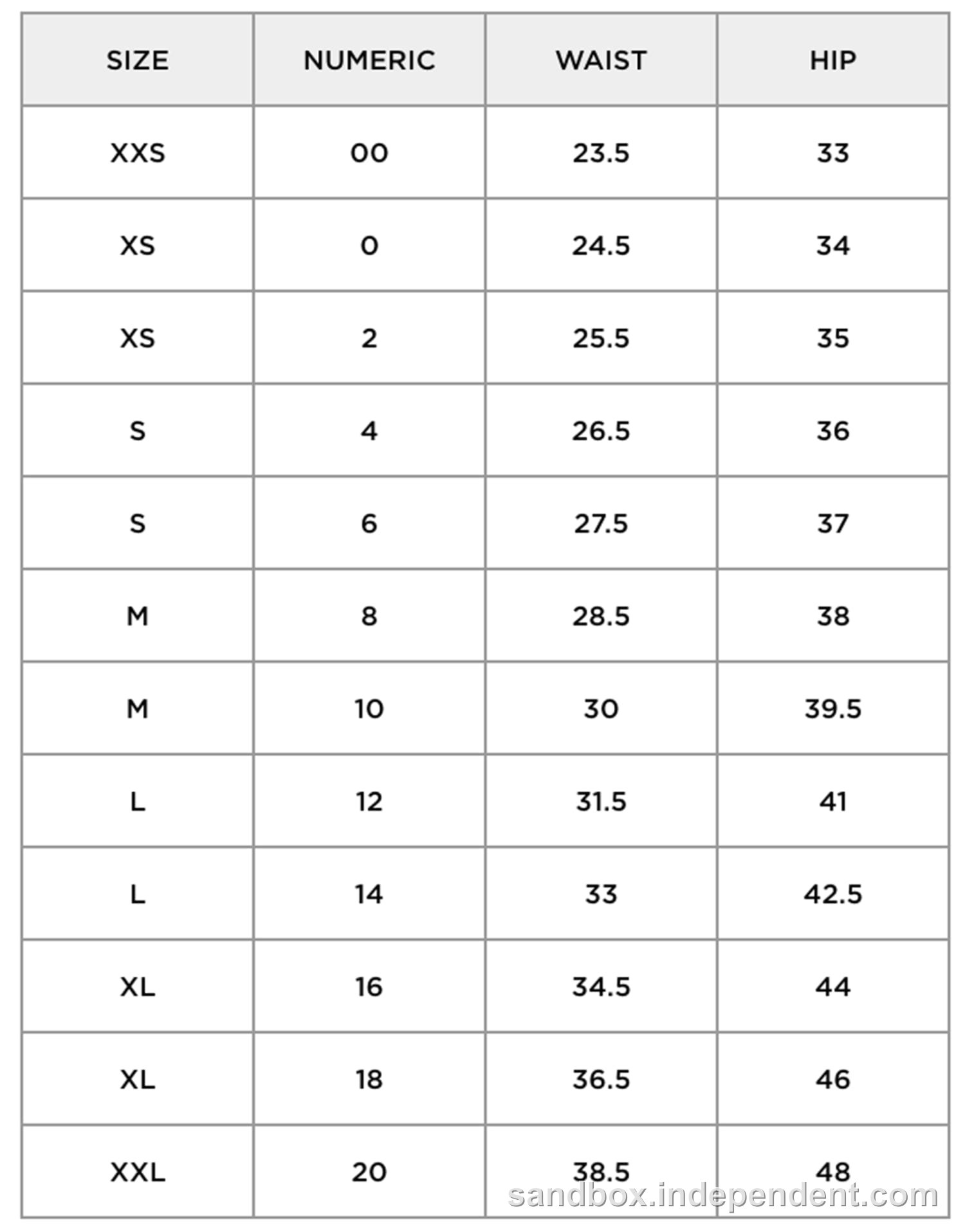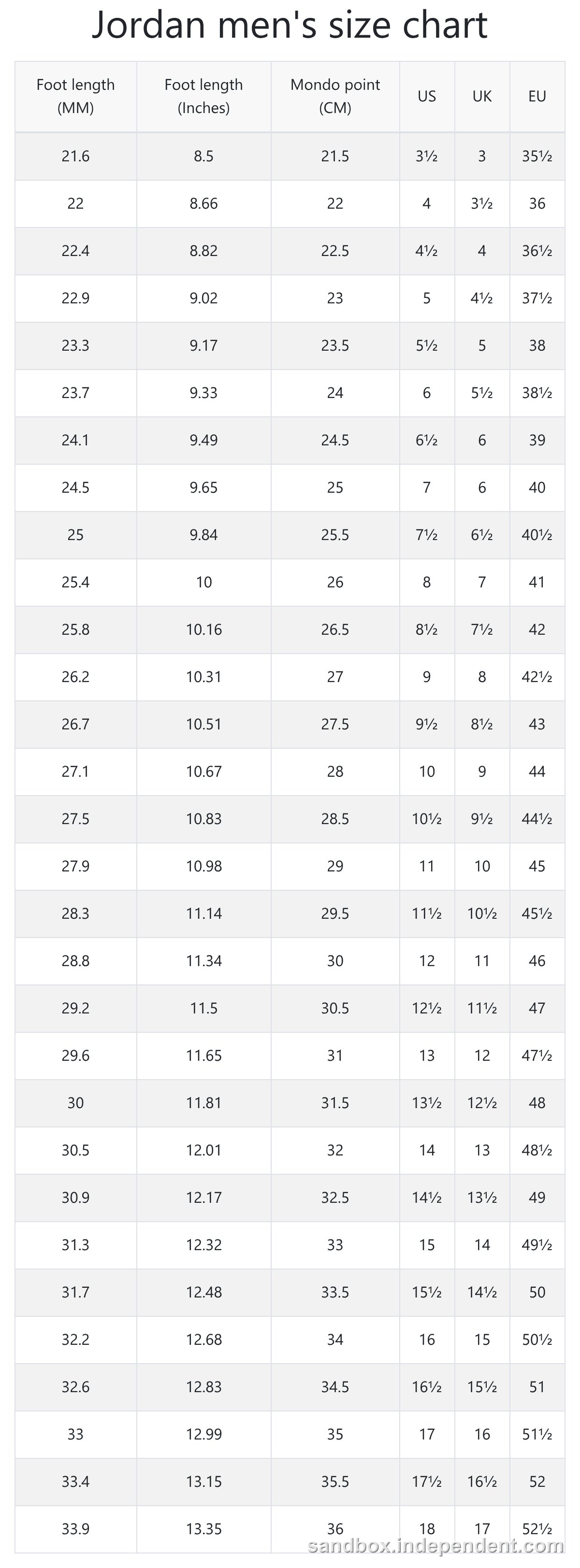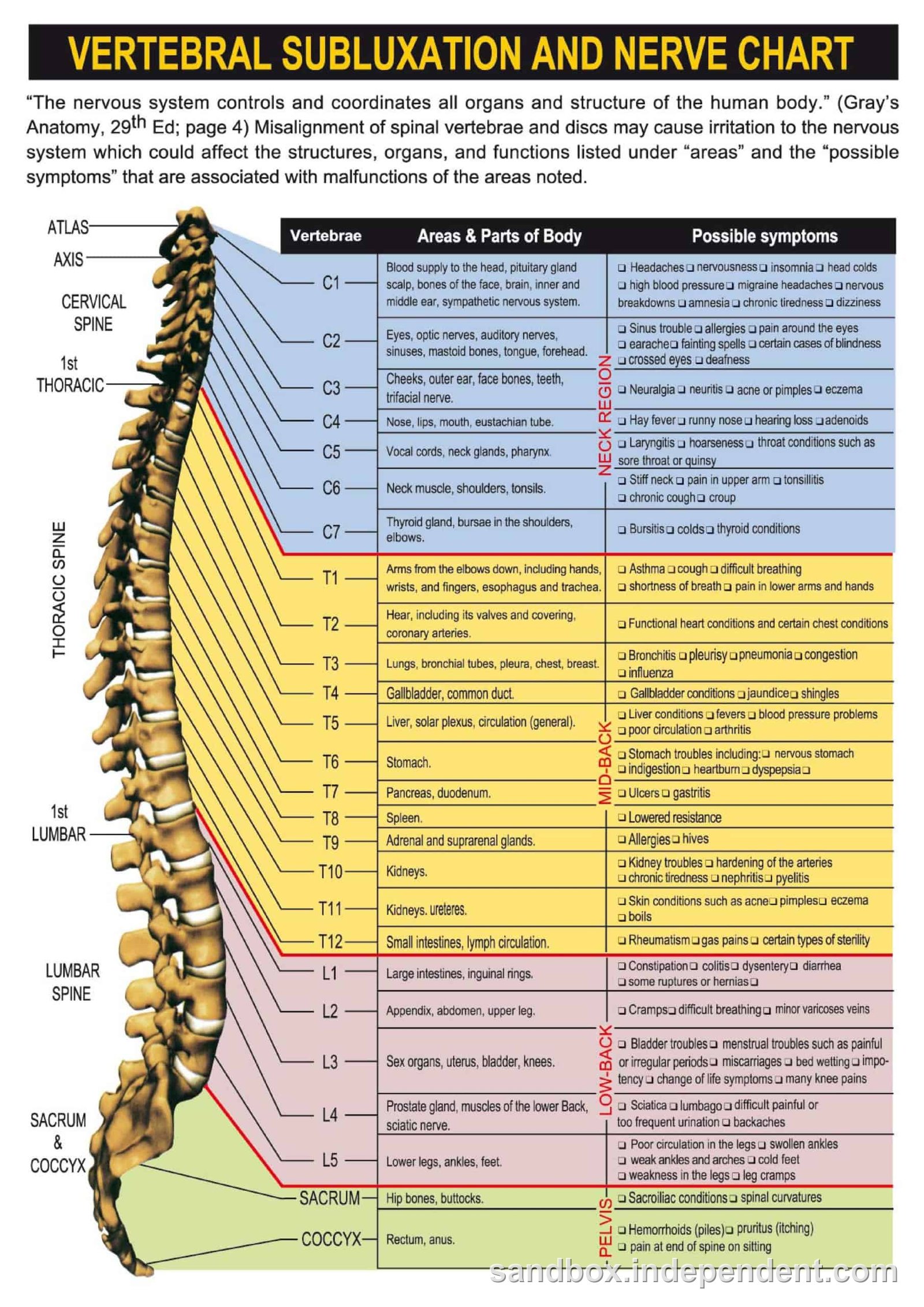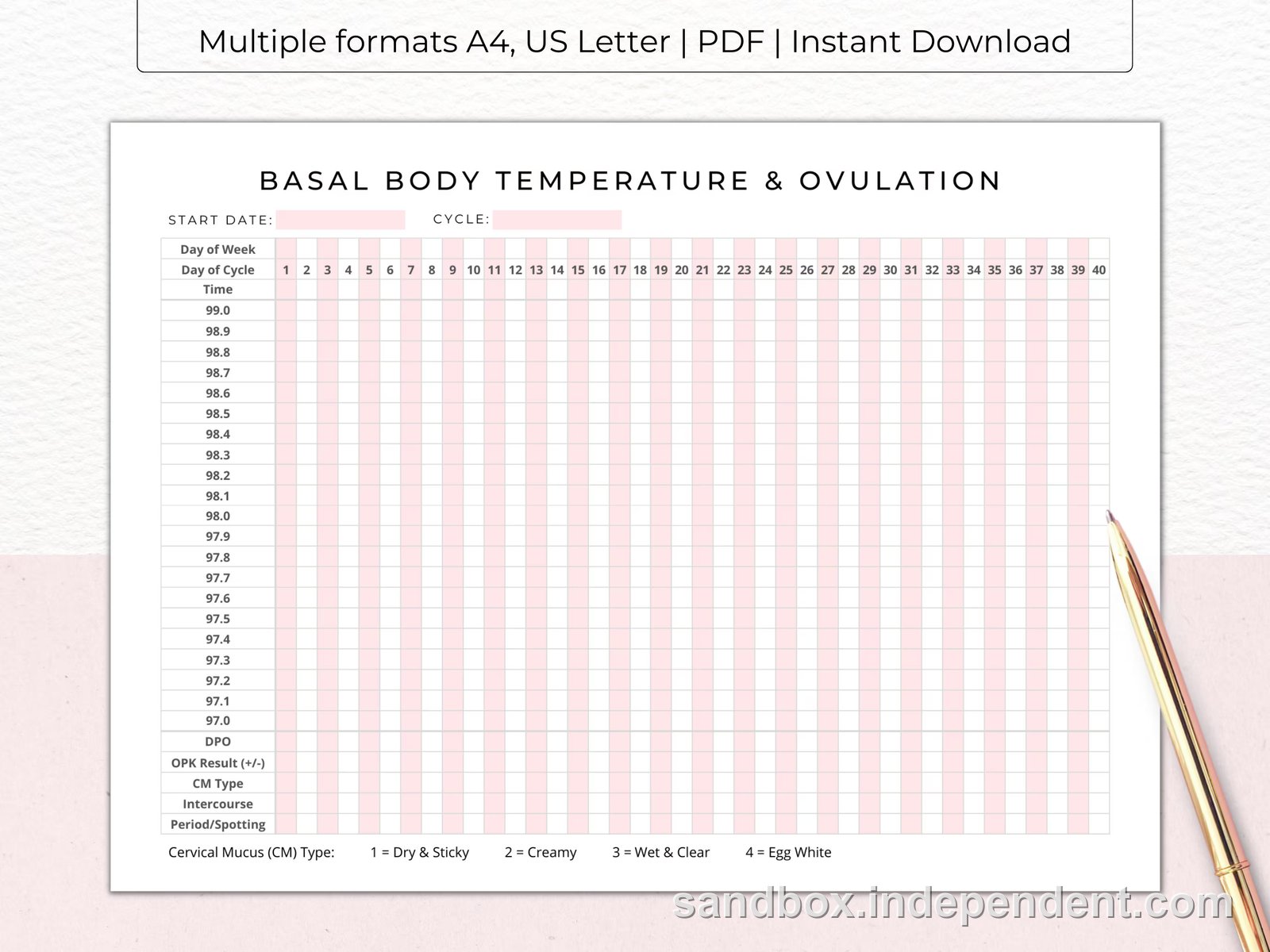


Girth Size Chart A4 Overview
A screw sizes chart is a handy tool for anyone working with screws and fasteners. It's a simple yet effective way to ensure you're using the right screw for the job. This guide will show you how to navigate and utilize these charts, covering the basics and offering some practical tips.
You'll find these charts provide valuable information, from screw gauge measurements to thread pitch details. They can vary slightly depending on the standard or region, but the key is to understand the format and you'll be able to apply this knowledge to any project.
Understanding Screw Sizes Chart
The screw sizes chart is your practical guide to choosing the right screw for any project. It's a handy reference tool that simplifies the process of selecting screws based on their size and other key characteristics. This chart is a visual representation of screw dimensions, making it easy to identify and compare different screw types.
Key Details and Units
Before diving into the chart, let's understand the basics. Screw sizes are typically described using two main measurements: the diameter and the length. The diameter refers to the width of the screw's thread, while the length is the overall height of the screw from the head to the tip. These measurements are crucial for ensuring a proper fit and function.
Additionally, screws have different thread types, such as coarse or fine threads, which affect their strength and suitability for various materials. The chart will also indicate the thread pitch, which is the distance between threads.
Reading and Applying the Chart
Using the screw sizes chart is straightforward. First, identify the screw's intended use and the material it will be securing. Then, locate the relevant section on the chart that corresponds to your needs.
The chart typically organizes screws by diameter, with each row representing a specific diameter size. Within each row, you'll find columns indicating the length and other relevant details. Simply match the required diameter and length to find the perfect screw for your project.
For example, if you need a screw with a diameter of 6mm and a length of 25mm, locate the 6mm diameter row and scan across to find the 25mm length column. Here, you'll find the recommended screw size, along with any additional information, such as thread type and pitch.
Variations and Differences
It's important to note that screw sizes charts can vary depending on the standard being used. There are different measurement systems, like the metric system and imperial system, which use different units and ranges. Additionally, specific industries or applications may have their own unique standards and tolerances.
For instance, the metric system uses millimeters for screw sizes, while the imperial system uses inches. So, when referring to a screw sizes chart, ensure you are using the correct standard for your region or industry.
Common Mistakes and How to Avoid Them
One common mistake is assuming that all screw charts follow the same format and units. Always double-check the standard being used to avoid confusion and ensure accuracy.
Another pitfall is not considering the thread type and pitch. These factors are crucial for ensuring the screw's compatibility and performance. Always refer to the chart's key for an explanation of thread types and their meanings.
Lastly, remember that screw sizes can vary slightly between manufacturers. While the chart provides a general guide, it's always a good idea to verify the exact specifications with the manufacturer's documentation or consult with a professional for precise recommendations.
Well, there you have it! A handy guide to screw sizes and their charts. Remember, while these charts provide a solid foundation, exact values can differ slightly, so it's always good to double-check.
Don't stop here! Our site offers a range of practical guides to help you tackle various DIY and home improvement projects. Why not explore some more and discover new tips and tricks?
Related: How to Read an Ear Gauge Chart
Many folks assume the ear gauge chart is a rigid, one-size-fits-all guide, but it's actually a flexible tool with room for personal preference. While it provides a standard reference, the art of ear stretching is a unique journey for each individual.
The chart offers a starting point, with various sizes and measurements, but it's important to remember that body jewelry sizing and lobe piercing measurements can vary, and there are imperial and metric conversions to consider too. So, while the ear gauge chart is a valuable resource, it's an adaptable guide rather than a strict rulebook.
Understanding the Ear Gauge Chart
The ear gauge chart is a handy reference tool for anyone interested in ear stretching or body modification. It provides a clear visual guide to the different sizes of ear piercings, helping you understand the gauge size progression and choose the right jewelry. This chart is a great starting point for beginners and a useful resource for experienced stretchers too.
Comparing Gauge Standards and Formats
There are a few different standards and measurement systems used for ear gauge sizes. The most common are the imperial and metric systems, which use different units and scales. The imperial system, often used in the US, measures ear gauges in inches or fractions of an inch. The metric system, used internationally, measures in millimeters. It's important to know which standard you're dealing with to ensure accurate sizing.
Measuring Accurately: A Step-by-Step Guide
Here's a simple process to use the ear gauge chart effectively:
Identify the standard: First, determine whether you're using the imperial or metric system. This will ensure you're reading the right measurements.
Locate your current size: Find your current ear gauge size on the chart. This will give you a starting point for your stretching journey.
Choose your next size: The chart typically shows a progression of sizes, so you can easily see the next step in your stretching process. Choose the size you want to achieve and plan your stretching routine accordingly.
Double-check jewelry sizes: Always check the exact specifications of the jewelry you plan to use. While the chart provides a general guide, some jewelry may have slight variations or tolerances, so it's best to confirm the exact measurements.
Common Mistakes and How to Avoid Them
One common pitfall is misreading the chart due to the different standards. Always be clear on whether you're using imperial or metric measurements to avoid confusion. Another mistake is assuming the chart covers every possible size and variation. It's a general guide, so for very specific sizes or unique jewelry, you may need to double-check with the manufacturer or a trusted source.
Remember, safety is key when stretching your ears. Always follow proper stretching techniques and consult with professionals if you have any concerns or questions. The ear gauge chart is a great tool, but it's just one part of the ear stretching process.
Hey there! I hope this ear gauge chart has been a helpful resource for you. Remember, while the basics remain the same, the exact details might differ slightly depending on the standard or source you're following.
Feel free to bookmark this page for future reference. It's always good to have a handy guide like this, and we've got plenty more practical tips and guides on various topics, so make sure to check them out!
Related: How do I choose the right ski size?
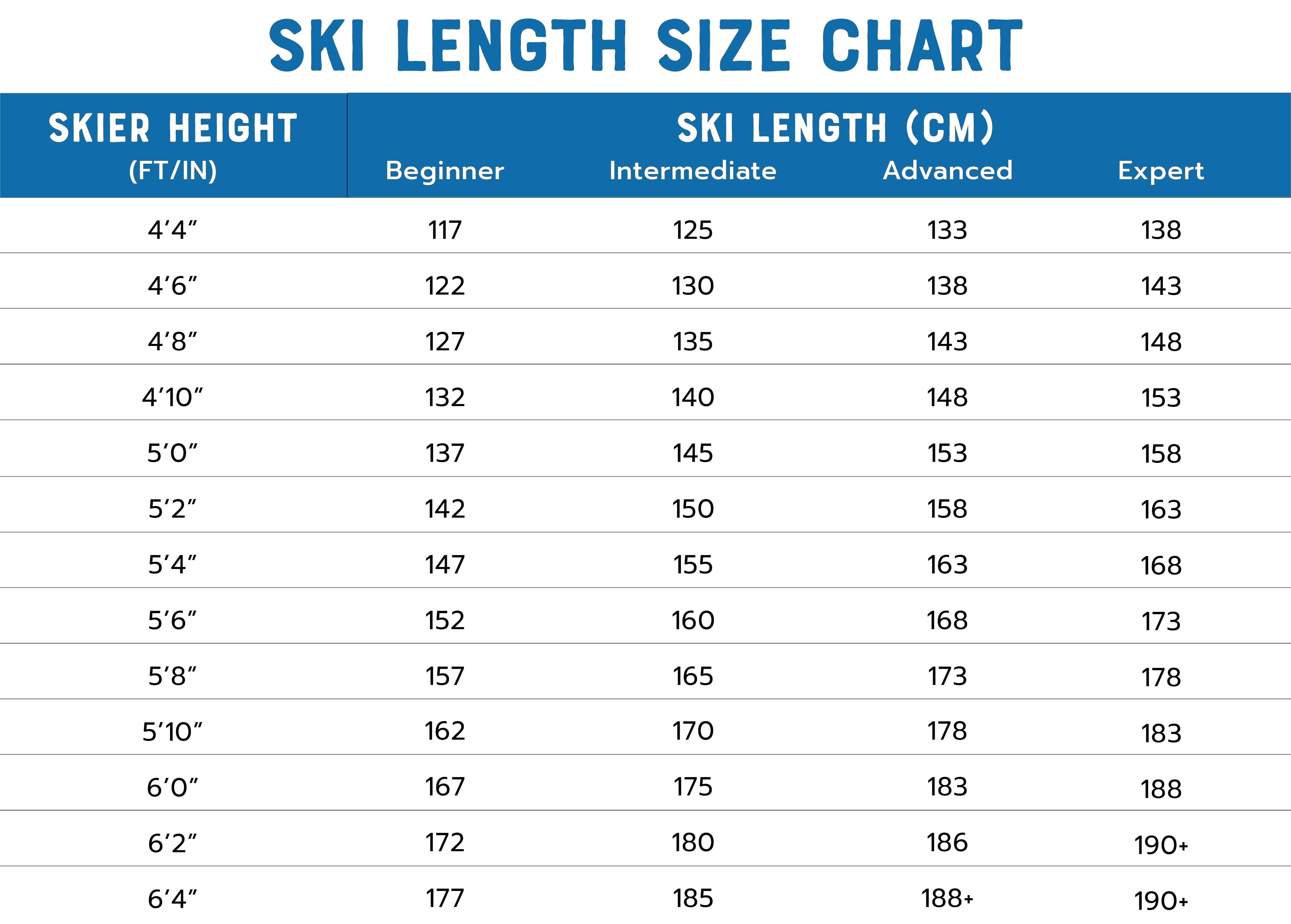
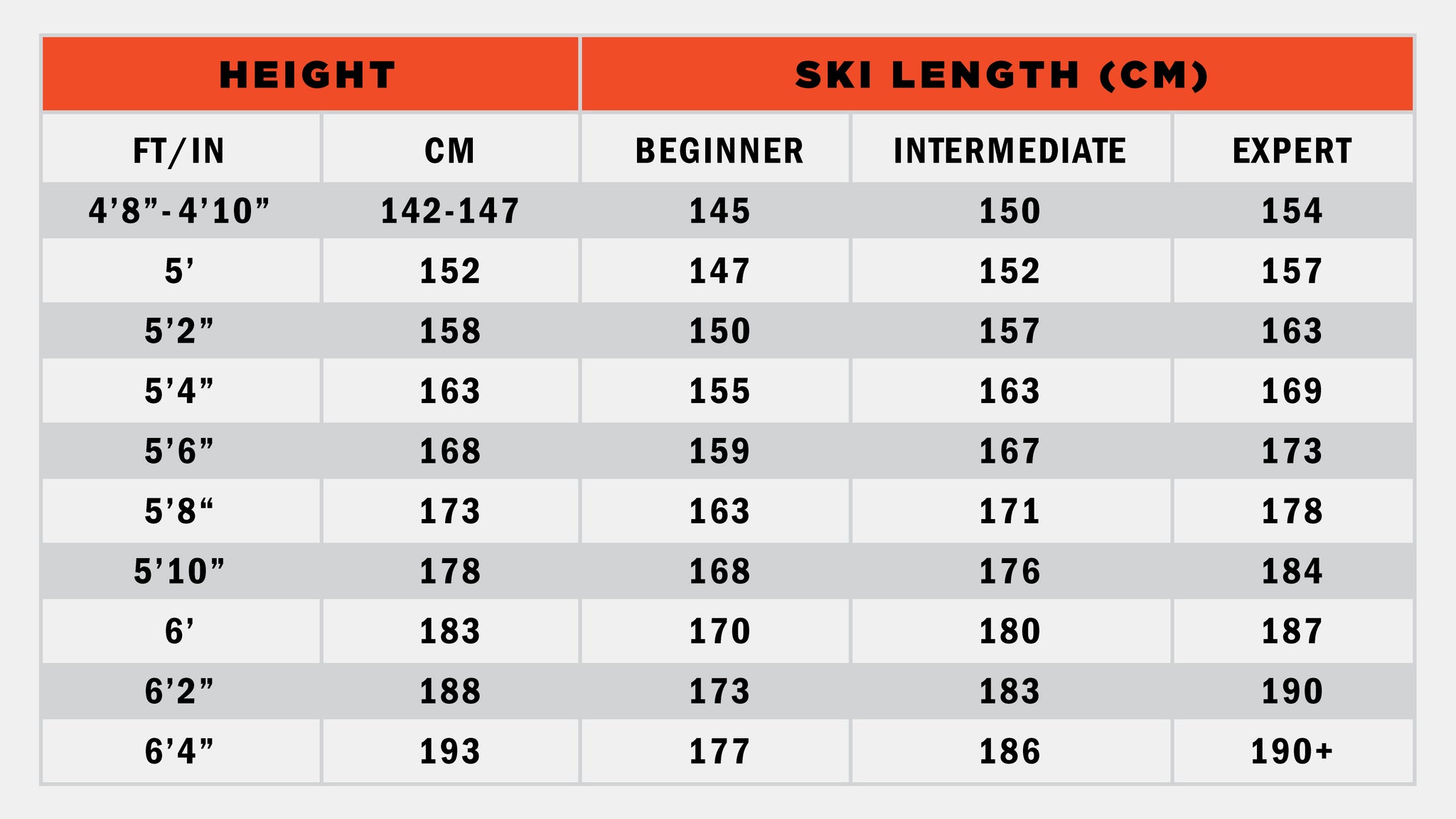
Many skiers, especially beginners, often assume that ski size is a one-size-fits-all affair, but that's not the case! A ski size chart is your go-to tool for finding the perfect ski length for your needs. It's a simple yet effective reference, offering a clear guide to help you choose the right skis.
While it may seem straightforward, there are a few variables to consider. These charts can vary slightly depending on factors like your skill level and the type of skiing you enjoy. So, it's a good idea to explore the different charts and guides available to ensure you get the most accurate recommendation.
Ski Size Chart: Your Practical Guide
A ski size chart is a handy tool that simplifies the process of choosing the right ski length for your needs. It's a reference guide that considers your height, weight, and skill level to recommend an appropriate ski size. Using a ski size chart is an easy way to ensure you get skis that are comfortable and suitable for your abilities.
Key Details: Understanding the Basics
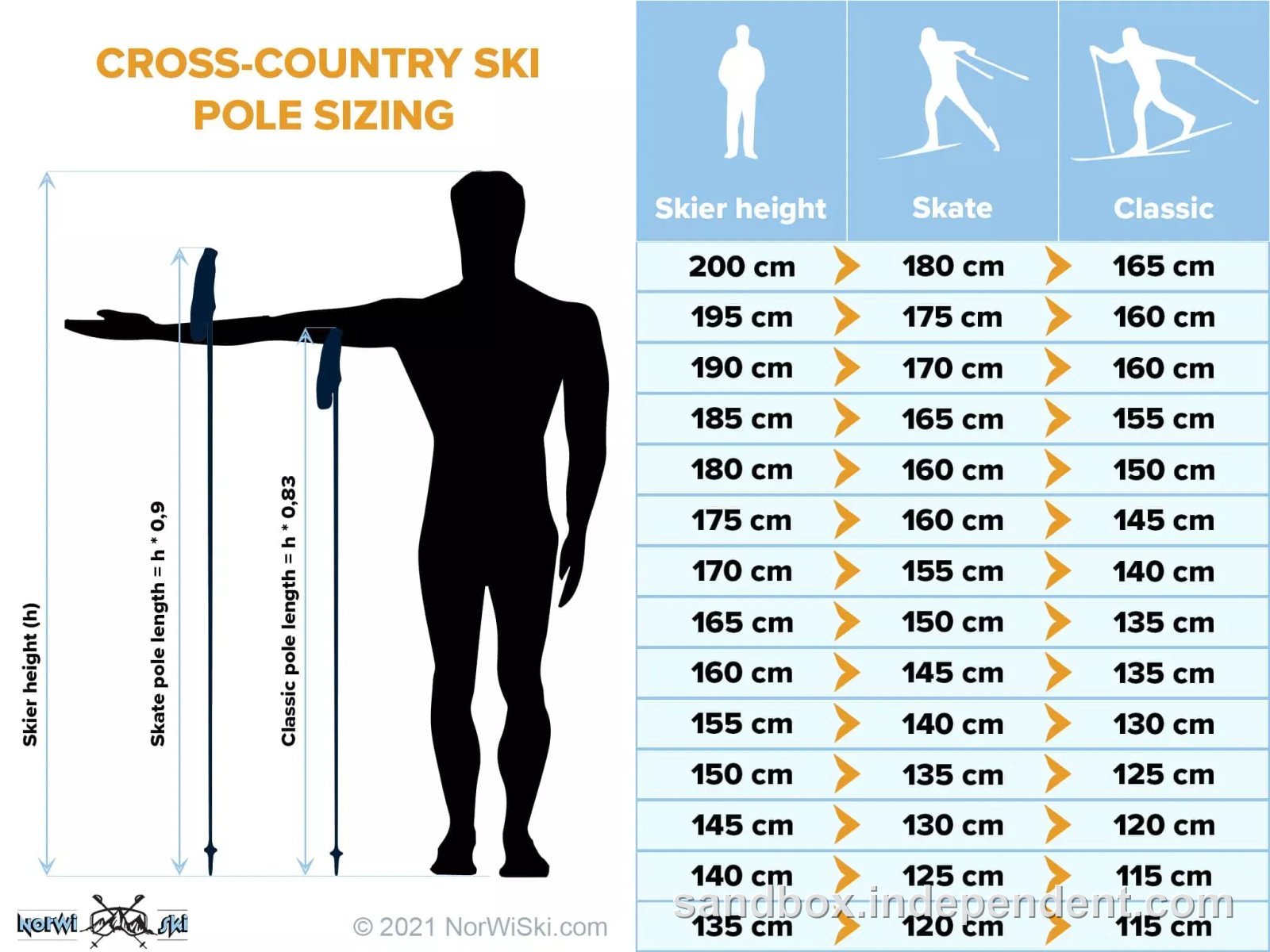
The chart typically provides recommendations for ski lengths based on your height and weight. It may also consider your skiing experience, with different categories for beginners, intermediates, and advanced skiers. The units used are usually in centimeters (cm) for ski length and metric measurements for height and weight. It's important to note that these charts are general guides and may vary slightly depending on the specific ski brand or model you're interested in.
Reading the Chart: A Step-by-Step Guide
- Start by finding your height on the chart. This is usually the primary factor considered.
- Look for the recommended ski length range corresponding to your height. This range often has a minimum and maximum length, giving you some flexibility.
- Consider your weight and skill level. The chart might have different recommendations for lighter or heavier individuals, and separate guidance for beginners versus more experienced skiers.
- Choose a ski length within the recommended range that aligns with your preferences and the type of skiing you enjoy. If you're a beginner, you might opt for the shorter end of the range for better control. Advanced skiers might lean towards the longer end for more speed and stability.
Variations and Differences: Why They Matter
Ski size charts can vary slightly between different brands and models. This is because skis are designed with specific purposes in mind, such as racing, freestyle, or all-mountain skiing. These variations ensure that the ski's performance matches your intended use. Additionally, some charts might offer more detailed recommendations based on your skiing style or the terrain you typically ski on. It's always a good idea to check the manufacturer's specific guidelines for their ski size recommendations.
Common Mistakes and How to Avoid Them
One of the most common mistakes is relying solely on your height to determine ski length. While height is a key factor, it's not the only one. Your weight and skill level also play a role. Another pitfall is ignoring the recommended ranges and opting for skis that are too long or too short. This can affect your control and overall skiing experience. Always aim for a ski length within the recommended range for your height, weight, and skill level.
Practical Tips for Accurate Results
If you're still unsure about which ski length to choose, consider renting a few different sizes to try them out on the slopes. This hands-on approach can help you understand how different lengths feel and perform. Additionally, consulting with a ski shop expert can provide valuable insights tailored to your needs. They can guide you through the process and offer recommendations based on your preferences and skiing goals.
Double-Checking and Handling Exceptions
While ski size charts are a great starting point, it's important to remember that they are general guidelines. If you have specific requirements or preferences, it's always a good idea to double-check with the manufacturer's specifications or consult an expert. For instance, if you have a unique body type or ski in a very specialized discipline, you might need to adjust the recommended ski length accordingly. Always ensure you're comfortable with your ski choice and that it aligns with your skiing aspirations.
Well, that's all for now on this ski size chart guide. We've covered a lot of ground, and I hope it's given you a clear idea of how to approach this topic. Remember, it's always a good idea to check the specific requirements and standards for your ski gear, as exact values can vary.
Don't forget to double-check the fine print and ensure you're getting the right size for your needs. With that in mind, feel free to explore our other guides and resources. We've got plenty of practical tips and tricks to share, so keep learning and stay tuned!