

Girth Size Chart Free Printable Overview
A common misconception about gravel size charts is that they are solely for professionals or experts in the field. However, these charts are an accessible and valuable tool for anyone seeking accurate information on gravel sizing. The gravel size chart, often a simple table or diagram, provides a clear reference for understanding the various sizes and grades of gravel. It ensures you can make informed decisions, whether for landscaping, construction, or any project requiring specific gravel specifications.
Understanding the Gravel Size Chart: A Practical Guide
The gravel size chart is a valuable tool for anyone working with aggregates, offering a standardized way to categorize and understand the size distribution of gravel particles. This chart provides a visual representation of gravel sizes, making it easier to select the right type for various applications.
Comparing Standards and Formats
There are different standards and formats for gravel size charts, primarily based on the measurement system used. The most common are the US standard sizes and the metric system. US charts typically use inches or fractions of an inch, while metric charts employ millimeters. These charts also vary based on the specific application, such as construction, landscaping, or horticulture.
Step-by-Step Guide to Using the Gravel Size Chart
To accurately use a gravel size chart, follow these steps:
Identify the Standard: Determine whether you are working with a US or metric chart. This is crucial as the size categories and measurements differ significantly between the two systems.
Select the Right Chart: Choose a chart specific to your application. For instance, if you are landscaping, you might need a different chart than someone working on a construction project.
Understand the Categories: Familiarize yourself with the size categories on the chart. These categories often have specific names or codes, such as "pea gravel" or "2A Modified."
Measure and Compare: Take accurate measurements of the gravel you are working with. Compare these measurements to the categories on the chart to identify the closest match.
Consider Particle Distribution: Remember that gravel is a natural material, and its size distribution can vary. The chart provides a general guide, but actual samples may have some variation.
Convert if Needed: If you are working with a chart in a different system, you may need to convert the measurements. For instance, converting from inches to millimeters or vice versa.
Avoiding Common Misreadings and Pitfalls
Misinterpreting a gravel size chart can lead to incorrect selections. Here are some common mistakes to avoid:
Assuming Direct Equivalence: Gravel size charts provide a range of particle sizes, not exact measurements. Avoid selecting gravel based on a single number or assuming a direct match.
Ignoring Tolerances: Natural variations in gravel mean that the actual size distribution may differ slightly from the chart. Always consider the tolerance range when making selections.
Mixing Standards: Be cautious when working with charts from different standards. Converting measurements accurately is essential to avoid errors.
Factors Affecting Accuracy and Real-World Use
Several factors can influence the accuracy of a gravel size chart and its real-world application:
Source and Origin: Gravel from different sources or regions may have varying size distributions, even within the same category.
Processing and Screening: The method of processing and screening gravel can affect its size distribution. Different techniques may result in slightly different outcomes.
Environmental Factors: Weather conditions and erosion can impact the size and shape of gravel over time, especially in natural settings.
Application-Specific Requirements: Different projects have unique needs. Construction, for example, may require more precise size control than landscaping.
Adapting the Chart for Specific Needs
While gravel size charts provide a standardized guide, they may not cover every specific need. In such cases, you can adapt the chart or seek more detailed specifications:
Custom Size Categories: If your project requires a specific size not covered by standard charts, you can create custom categories based on your measurements.
Detailed Specifications: For precise projects, consult with experts or refer to detailed specifications provided by gravel suppliers or manufacturers.
On-Site Testing: In some cases, conducting on-site testing and analysis, such as sieve analysis, can provide more accurate data for your specific gravel source.
Well, I hope this gravel size chart and its accompanying guide have given you a clear and concise reference for your projects. Remember, while this chart provides a solid foundation, it's always a good idea to verify the specific requirements and standards relevant to your region or industry. Exact values can vary, so double-check to ensure you're using the right measurements for your context.
Consider bookmarking this page for future reference; it might come in handy when you least expect it! Until next time, happy measuring and stay organized.
Related: How to Read a Hair Length Chart?
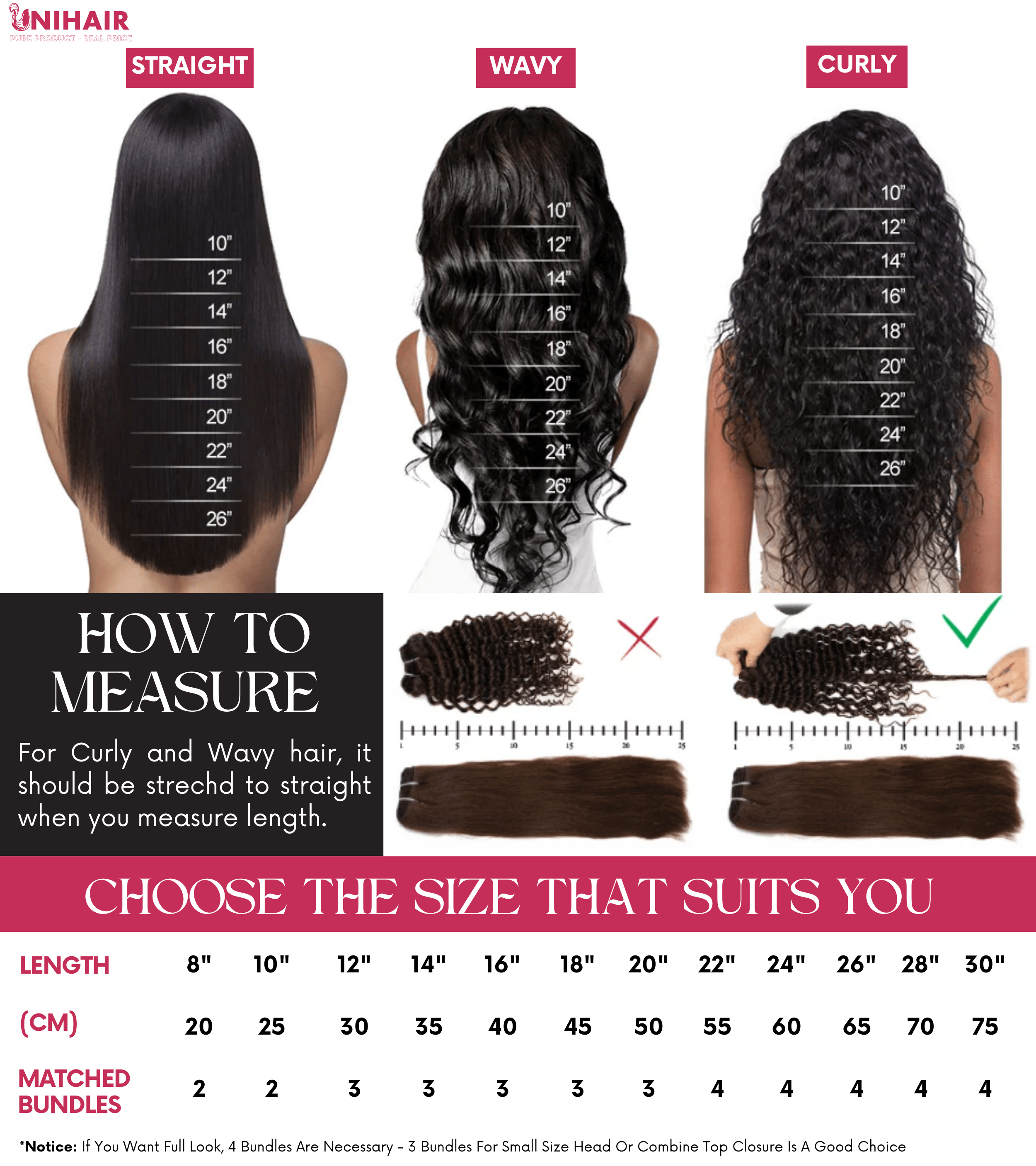
You're likely here because you're seeking a simple, straightforward answer about hair length. Perhaps you're curious about the different categories and measurements used to describe hair length, or maybe you're looking for a quick reference guide to understand your own hair's growth progress.
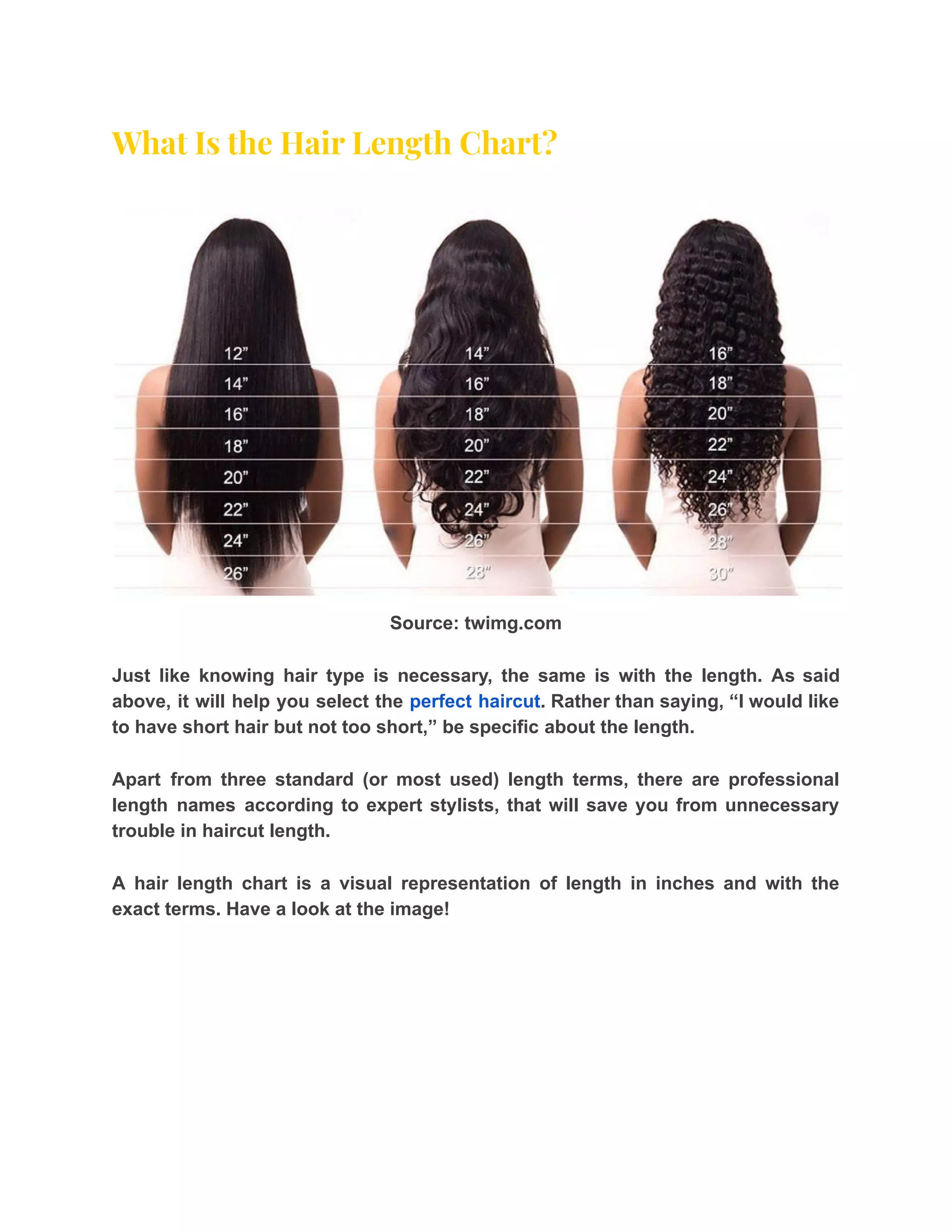
The hair length chart is a valuable tool, offering a visual representation of various hair lengths, often categorized into standard ranges. These charts can provide a clear indication of your hair's current length and its potential for growth, and they may also offer insights into the time frames associated with different growth stages. While the specific values and formats can vary, the concept remains a practical and accessible way to measure and monitor hair length.
Hair Length Chart: A Comprehensive Guide
The hair length chart is a valuable tool for anyone interested in understanding and measuring hair growth and styles. It provides a standardized reference, allowing you to categorize and compare hair lengths accurately. This guide will help you navigate the chart, understand its categories, and use it effectively.
Key Details and Categories
The hair length chart typically uses inches or centimeters as its primary unit of measurement. It categorizes hair lengths into distinct ranges, often with descriptive names or codes. Common categories include:
- Short Hair: Usually up to 4 inches (or 10 cm) in length.
- Medium Hair: Ranges from 4 to 12 inches (10 to 30 cm).
- Long Hair: Hair exceeding 12 inches (30 cm) in length.
These categories are further divided into sub-ranges to provide more specific measurements. For instance, medium hair might be divided into medium-short (4-6 inches) and medium-long (6-12 inches) sections.
Reading the Chart: A Step-by-Step Guide
Identify the unit of measurement used on the chart. This is crucial, as it ensures accurate interpretation. Common units are inches (in) or centimeters (cm).
Locate the category that best describes your hair length. If your hair falls between two categories, consider the average or consult a professional for a precise measurement.
Within each category, you'll often find sub-ranges or specific measurements. These provide more detail and can be useful for precise styling or growth tracking.
Some charts may also include visual representations or diagrams, offering a quick reference for length comparison.
Common Length Variations and Their Causes
Hair length can vary due to several factors, leading to differences in measurements and categories. These variations are influenced by:
- Natural Hair Growth: Hair grows at different rates for each individual, and growth rates can vary over time.
- Styling and Cutting: Regular trims and styling choices can significantly impact perceived hair length.
- Regional Standards: Hair length standards may differ across regions, especially when comparing imperial (US) and metric (international) systems.
It's important to consider these factors when using a hair length chart, especially when comparing your hair to others or following styling guides.
Avoiding Common Mistakes
To ensure accurate use of the hair length chart, avoid these common pitfalls:
Relying solely on visual estimates: While visual comparisons can be helpful, they may not always provide precise measurements. Always refer to the chart for accurate categorization.
Ignoring personal growth rates: Everyone's hair grows at a unique pace. Regularly measuring and tracking your hair's growth will provide more accurate results over time.
Assuming universal standards: Hair length standards can vary, especially across regions. Always double-check the specific standard being used on the chart.
Forgetting to consider styling: The way you style your hair can impact its perceived length. Take this into account when categorizing your hair length.
By understanding these potential variations and following the step-by-step guide, you can accurately utilize the hair length chart for practical styling tips and growth tracking.
Remember, while this chart provides a handy reference, exact details can vary, so always double-check if you're working with specific standards or unique contexts.
Feel free to bookmark this page for future use, and if you're curious about other practical guides, you might find our other articles just as helpful!
Related: Aritzia Size Chart: Your Easy Reference Guide
An Aritzia size chart is your go-to resource for navigating the brand's sizing with ease. This guide will show you how to use it effectively, ensuring you find the perfect fit for your favorite Aritzia pieces. From understanding the measurements to knowing the brand's unique sizing system, we'll cover it all.
Understanding the Ariztia Size Chart: Your Guide to Perfect Fit
The aritzia size chart is your go-to tool for finding the right fit in Ariztia clothing. It's a simple yet effective way to ensure you get the perfect size every time. This chart provides a clear overview of the brand's size range and helps you understand your ideal measurements.
Comparing Size Standards: US vs. International
Ariztia's size chart follows the standard US sizing system, which is commonly used in North America. However, it's important to note that clothing measurements can vary slightly between brands and regions. If you're used to international sizing, you may find a slight difference in the fit. The chart offers a size conversion guide to help you navigate these variations.
How to Use the Ariztia Size Chart: A Step-by-Step Guide
Measure yourself accurately: Take your measurements using a measuring tape. Focus on the key areas: bust, waist, and hips. These measurements are crucial for finding the right size.
Refer to the size chart: Locate your measurements on the chart. The chart provides a range of sizes, typically from XS to XXL. Find the size that aligns with your bust, waist, and hip measurements.
Consider the style: Different clothing styles may have varying fits. Some styles may run smaller or larger, so pay attention to the aritzia fit guide notes on the chart. These notes provide valuable insights into how a particular style fits and can help you make an informed choice.
Double-check the size: If you're between sizes, it's always a good idea to go up a size. Ariztia's clothing tends to fit true to size, but it's better to err on the side of comfort. Trust your measurements and the chart to guide you towards the perfect fit.
Common Misreadings and How to Avoid Them
One common pitfall is assuming that all brands follow the same sizing standards. While Ariztia's size chart is reliable, it's essential to remember that clothing measurements can vary. Always refer to the specific brand's size guide to avoid any surprises.
Additionally, pay attention to the style of the clothing. Some styles, like tailored dresses or skinny jeans, may have a different fit than you expect. The aritzia size chart provides helpful notes to guide you, but it's always a good idea to read the product description for any specific fit details.
By following these simple steps and being mindful of potential variations, you'll master the art of using the aritzia size chart to achieve a perfect fit every time you shop with Ariztia.
Well, there you have it! A handy guide to navigating the Ariztia size chart with ease. Remember, while the basics remain the same, there might be slight variations depending on the specific item and its unique fit.
Feel free to explore other guides on our site for more practical tips and tricks. We've got you covered with simple, straightforward advice to make your shopping experience a breeze!