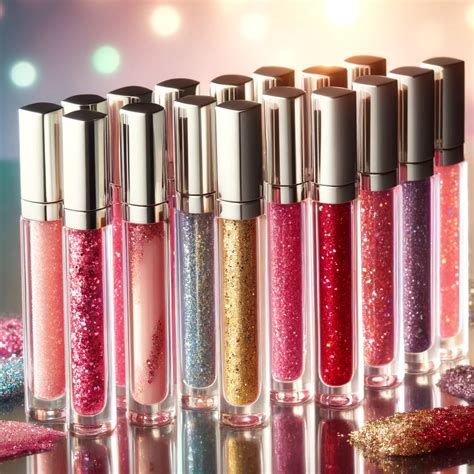
The allure of glitter in lip gloss can be irresistible, especially for those who love to make a statement with their makeup. However, beneath the sparkly surface, there may be hidden dangers that can affect not only your health but also the environment. In this comprehensive exploration, we’ll delve into the world of glitter in lip gloss, examining its composition, potential risks, and the steps you can take to enjoy your favorite sparkly lip products safely.
Composition of Glitter in Lip Gloss
Glitter in lip gloss is typically made from tiny pieces of plastic, known as microplastics, or from natural ingredients like plant extracts and minerals. While natural glitters are considered safer and more eco-friendly, the majority of glitter found in cosmetics, including lip gloss, is made from plastics like polyethylene terephthalate (PET) or polyvinyl chloride (PVC). These microplastics are chosen for their durability, shine, and ability to withstand the wear and tear of being applied and removed from the skin.
Health Risks Associated with Glitter in Lip Gloss
Ingestion of Microplastics: One of the primary concerns with glitter in lip gloss is the potential for ingestion. Since lip gloss is applied to the lips, there’s a high chance that some of the product, including the microplastics, can be ingested. While the human body can pass most of these plastics without immediate harm, there’s growing concern about the long-term effects of consuming microplastics, including potential impacts on the digestive system and the absorption of harmful chemicals.
Skin Irritation: Some individuals may experience skin irritation, including redness, itching, or rashes, due to an allergic reaction or sensitivity to the components of the glitter or the lip gloss itself. This is more common with synthetic glitters that may contain harmful chemicals.
Environmental Impact: The use of microplastics in cosmetics, including lip gloss, contributes to the alarming amount of plastic waste in the environment. When washed off, these microplastics can enter waterways, harming aquatic life and contaminating the food chain. The environmental impact of microplastics has led many countries to ban their use in rinse-off cosmetic products, though regulations vary widely.
Mitigating the Risks: Choosing Safer Options
For those who wish to continue enjoying the sparkle of glitter in their lip gloss without the associated risks, there are several steps you can take:
Opt for Natural Glitters: Look for products that use natural glitters. These are often labeled as “biodegradable” or “eco-friendly” and are made from materials like plant-derived glitters, shimmering minerals, or even edible glitter for an extra level of safety.
Check the Ingredients: Always read the ingredient list. If you see ingredients like PET, PVC, or other plastics, you know the product contains microplastics. Opt for products with minimal, natural ingredients instead.
Consider the Brand: Choose brands that are committed to sustainability and safety. Many companies are moving away from microplastics in response to consumer demand and changing regulations.
Apply with Care: When applying lip gloss, do so carefully to minimize the amount that might be ingested. Avoid licking your lips or eating while wearing lip gloss with glitter.
The Future of Glitter in Cosmetics
As awareness of the environmental and health impacts of microplastics grows, so does the demand for sustainable cosmetics. Many manufacturers are exploring alternatives to synthetic glitters, focusing on natural, biodegradable materials that offer the same aesthetic appeal without the risks. Governments are also playing a crucial role, with some implementing bans on microplastics in certain products to protect both human health and the environment.
Conclusion
While glitter in lip gloss can add a fun, glamorous touch to your makeup routine, it’s essential to be aware of the potential dangers, both to your health and to the environment. By making informed choices, opting for natural and sustainable products, and supporting brands that prioritize safety and eco-friendliness, you can enjoy the sparkle of glitter with a clear conscience. As the cosmetics industry evolves, it’s likely that we’ll see more innovative, safe, and environmentally friendly glitter options become available, allowing us to enjoy the beauty of glitter without the risks.
Are all types of glitter in lip gloss harmful?
+No, not all types of glitter are harmful. Natural glitters made from biodegradable materials pose less risk to health and the environment compared to synthetic microplastics.
How can I ensure the glitter lip gloss I use is safe?
+Check the ingredients for natural components, look for certifications like “microplastic-free” or “biodegradable,” and choose products from brands known for their commitment to sustainability and safety.
What are some alternatives to traditional glitter lip gloss?
+Consider products that use natural shimmers or glows, such as those derived from minerals or plant extracts. These alternatives can offer a similar aesthetic without the environmental and health concerns associated with microplastics.