


Glove Size Chart Free Printable Overview
You're likely here because you're seeking clarity on the Redken color chart, a valuable resource for anyone wanting to navigate hair color options effectively. This chart is your go-to guide, offering a simple yet comprehensive overview of Redken's color range. It provides an easy-to-understand visual representation, ensuring you can make informed choices about your hair color journey.
Understanding the Redken Color Chart
The Redken color chart is a comprehensive guide to their hair color range, offering a visual representation of the various shades and tones available. It provides a standardized way to choose and mix colors, ensuring consistent results. This chart is an essential tool for professionals and enthusiasts alike, offering a clear reference for achieving desired hair colors.
Standard Color Notation: Comparing Options
The Redken color chart follows a simple and intuitive system. Each color is represented by a unique code, typically a combination of letters and numbers. For example, the code "GG" represents a specific shade of golden blonde. This notation allows for easy identification and mixing of colors. The chart also displays the intensity and tone of each color, helping users choose the right shade for their desired look.
Practical Application Tips: Step-by-Step Guide
To use the Redken color chart effectively, follow these steps:
- Identify your desired color family. The chart is organized into sections, making it easy to navigate.
- Choose the specific shade within that family. Consider the natural hair color and the desired level of lift or deposit.
- Note the color code and intensity. This information is crucial for accurate mixing.
- Follow the recommended mixing ratios and application techniques provided by Redken.
- Test a small strand to ensure the desired result before full application.
Common Misreadings and Pitfalls
While the Redken color chart is straightforward, there are a few potential pitfalls to avoid:
- Ensure you are using the correct chart for your region or standard. Redken may offer different charts for various markets.
- Pay attention to the color intensity and tone. A slight variation in these can lead to significantly different results.
- Be aware of the natural hair color and its impact on the final result. Pre-lightening or pre-pigmentation may be necessary for certain shades.
- Always refer to the Redken color wheel or swatches for a more visual representation of the final color.
- Remember, practice and experience are key to mastering color application.
Remember, while this guide offers a comprehensive overview, it's always beneficial to cross-reference with your specific needs. The Redken color chart is a versatile tool, but its application may vary depending on your unique circumstances.
Feel free to explore our other guides for a deeper understanding of hair care and styling. We've got plenty of resources to help you navigate the world of hair coloring and beyond!
Related: A Guide to Red Wine Chart: Quick Reference
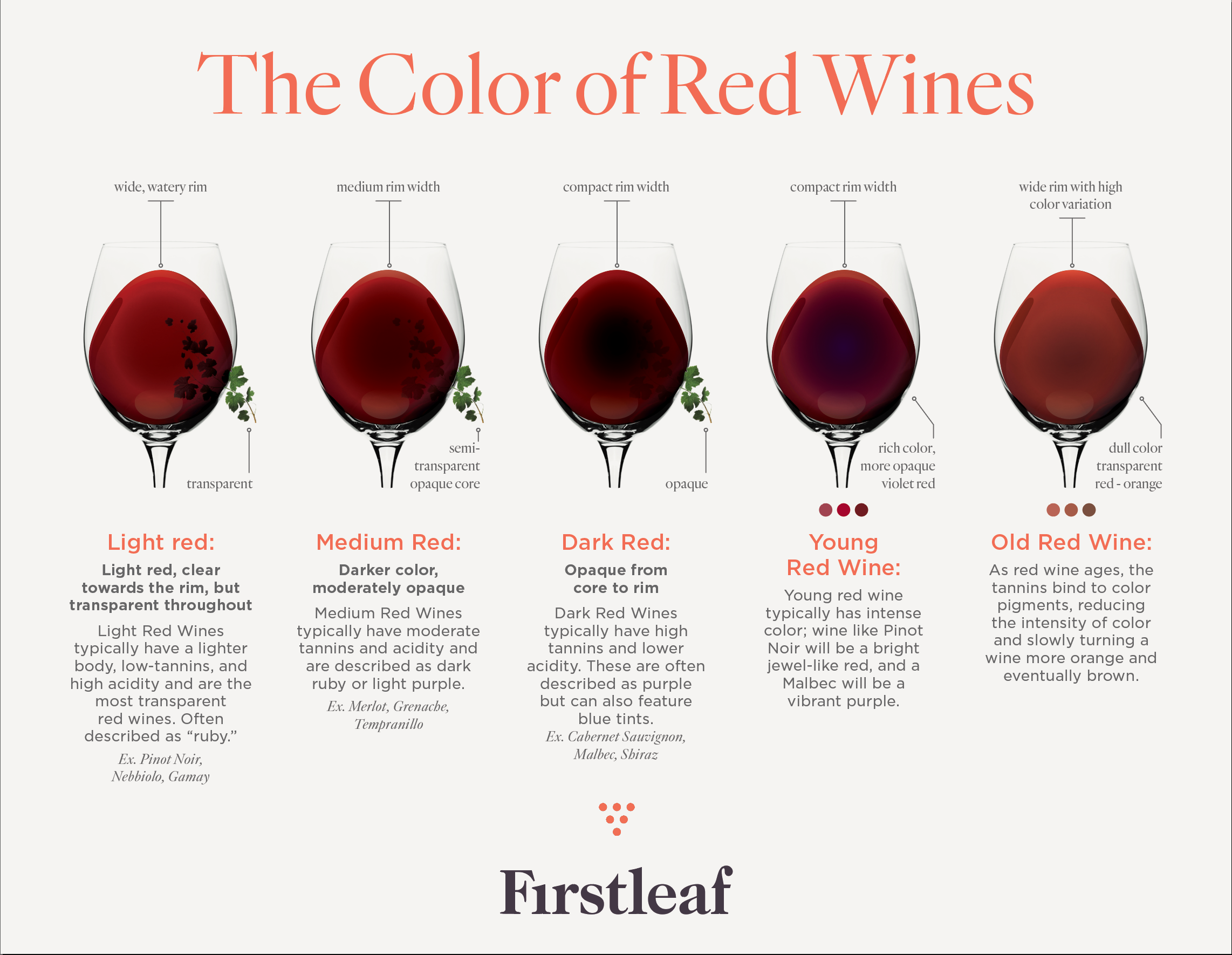
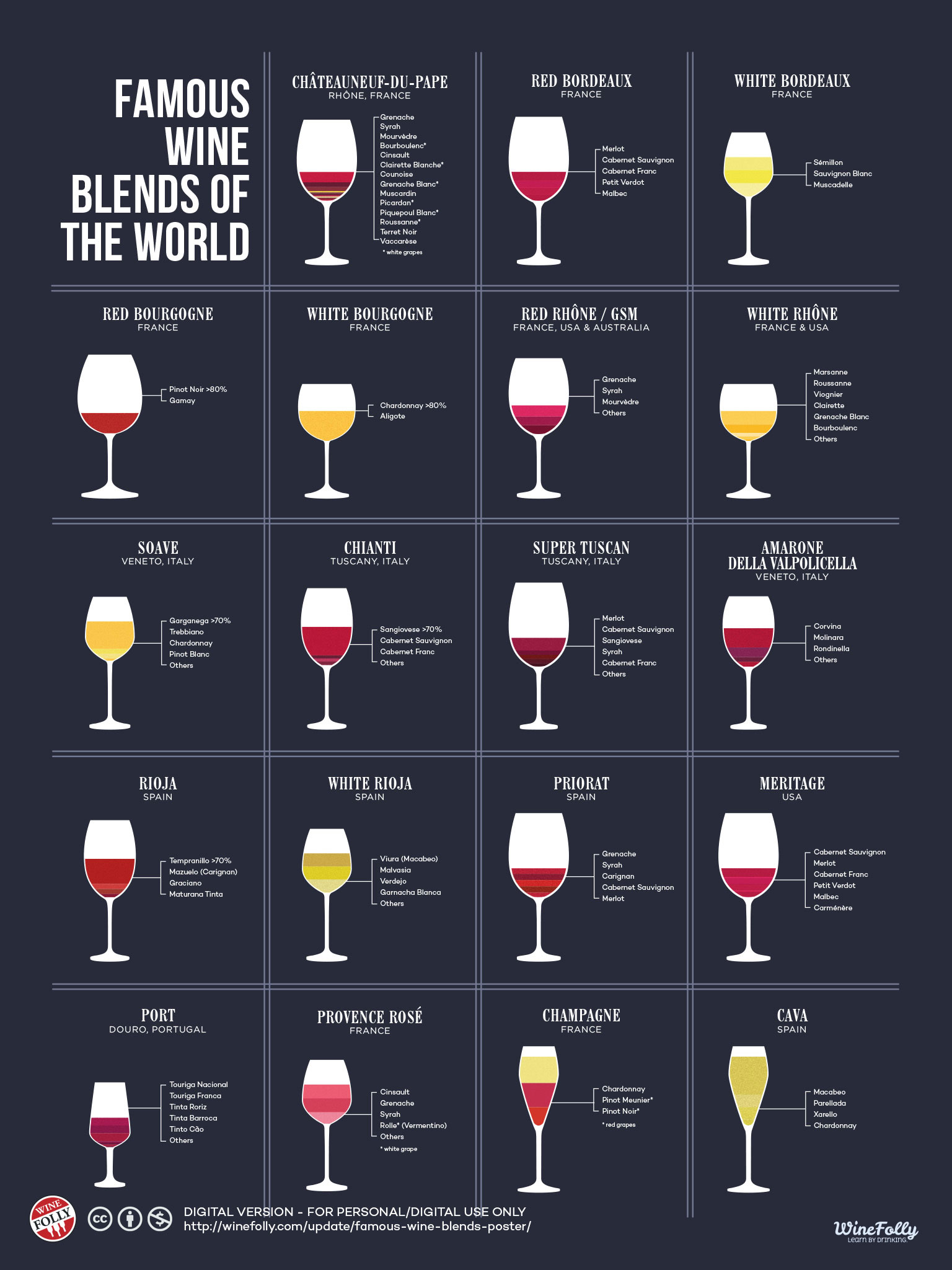
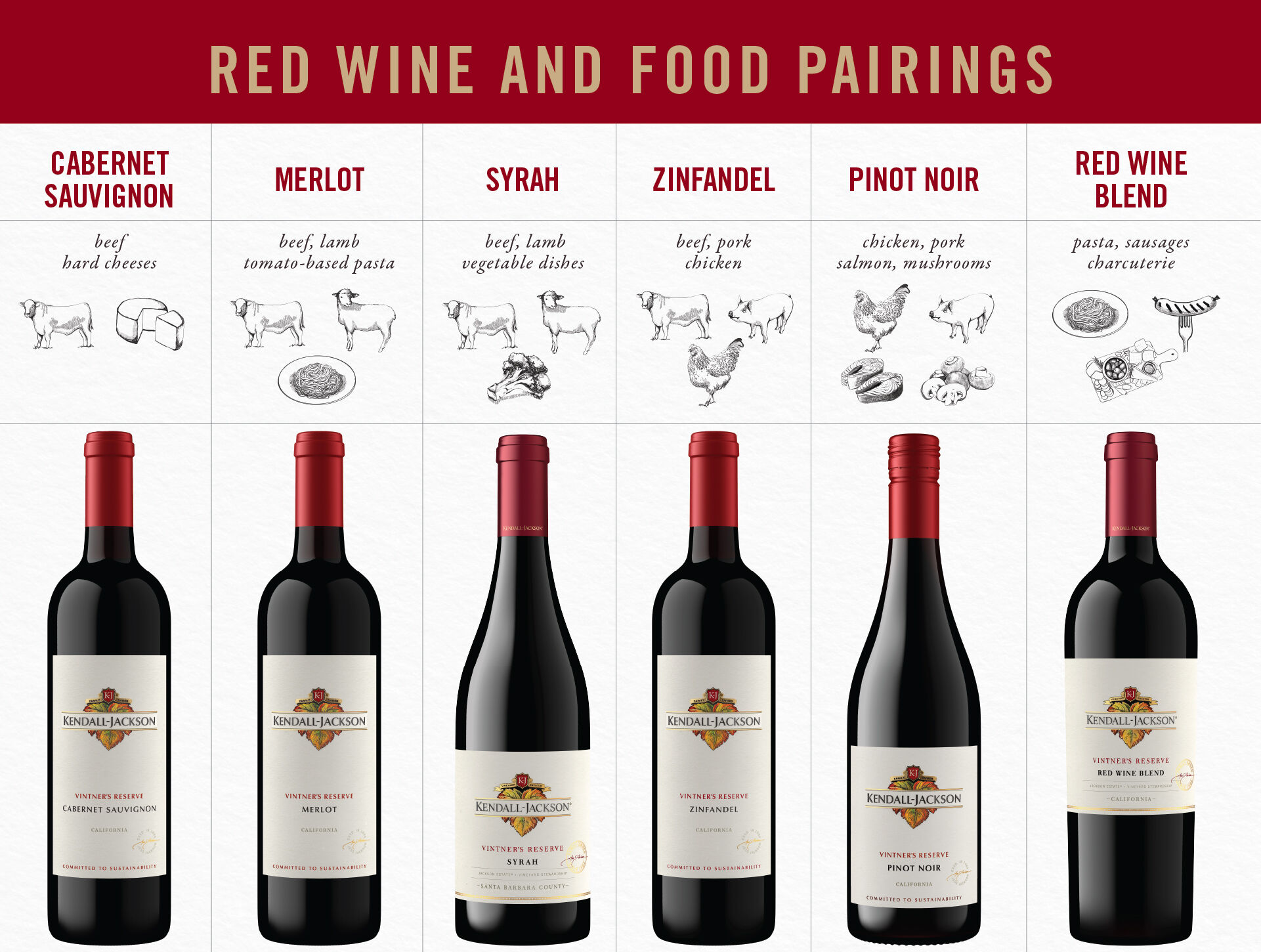
You're here because you need a quick guide, a reliable tool, to navigate the world of red wine. And what better way to do that than with a red wine chart? This handy reference, a simple yet effective visual, is your key to understanding and appreciating the nuances of red wines. From the classic Bordeaux to the bold Australian Shiraz, the chart helps you explore and compare, offering a quick glimpse into the world of wine colors, intensities, and hues.
Understanding the Red Wine Chart: A Practical Guide
The red wine chart is a handy tool for wine enthusiasts and professionals alike. It provides a visual representation of the colors and hues commonly found in red wines, offering a quick reference guide to help identify and categorize different wine styles. This chart is a valuable resource for anyone looking to expand their wine knowledge and make more informed choices.
Comparing Wine Colors and Intensity
The red wine color scale typically features a range of shades, from light ruby to deep garnet, and sometimes even includes variations of purple and brown. These colors indicate the wine's intensity and can give clues about its age, grape variety, and even the region it comes from. For instance, a bright, youthful ruby red might suggest a young, fruity wine, while a darker, more mature garnet could indicate an aged, complex vintage.
How to Read and Use the Red Wine Chart
To utilize the red wine chart effectively, follow these simple steps:
Start by identifying the primary color of your wine. Is it a light ruby, a vibrant crimson, or perhaps a dark, almost black shade?
Next, look for any secondary hues. These could be hints of orange, brown, or even blue tints, which can further refine your assessment.
Consider the wine's overall intensity. Is it a pale, almost translucent red, or a rich, opaque color? This can be a key indicator of the wine's body and flavor profile.
Finally, cross-reference your observations with the chart. Match the colors and intensity to the corresponding descriptions or categories provided.
Avoiding Common Misreadings
While the red wine color wheel is a useful tool, it's important to remember that wine colors can be subjective and influenced by various factors. Lighting conditions, the wine's age, and even the glassware can impact how we perceive its color. To avoid misreading, ensure you're viewing the wine in natural light and consider the context. If a wine appears lighter or darker than expected, it might be a sign of a unique characteristic or an indication that the wine is evolving.
Factors Affecting Accuracy
The accuracy of the red wine chart relies on several key factors. Firstly, the chart's effectiveness depends on the standard being used. Different regions and wine-making traditions may have their own color scales and terminology. Always refer to the specific chart's guidelines and ensure you're using the correct reference for your region or wine style. Additionally, the wine's age and storage conditions can significantly impact its color, so consider these factors when interpreting the chart.
So, there you have it! A handy red wine chart to guide you through the world of wine. With this simple tool, you can quickly compare and understand the different options and formats.
Remember, when using this chart, it's always a good idea to consider your personal preferences and the specific context. Exact values may vary, so double-check the standards or sources relevant to your needs. Mark this page as a favorite, and you'll always have a quick reference guide at your fingertips for your wine adventures!
Related: How to use a chain size chart?
You're probably here because you need a quick solution, and who can blame you? When it comes to chain size chart, having the right information at your fingertips is key. This chart is your go-to resource, offering a simple and visual way to find the right chain dimensions. It's a handy tool that saves you time and effort, especially when you need to make quick decisions. While the values may vary depending on various factors, this chain size chart is a reliable starting point.
What is a Chain Size Chart?
A chain size chart is a handy reference tool that simplifies the process of identifying and selecting the right chain size for various applications. It serves as a visual guide, providing a clear overview of different chain dimensions and their corresponding specifications.
Key Details and Categories
The chart typically includes columns for chain type, pitch, width, and length. Each category is crucial for understanding the chain's dimensions and ensuring compatibility with your specific needs. The pitch refers to the distance between the chain's pins or rollers, and it is a fundamental measurement. Chain width and length are also essential factors, especially when dealing with bike chains or industrial applications.
How to Read and Apply the Chain Size Chart
To use the chain size chart effectively, follow these steps:
Identify the type of chain you need. This could be a bike chain, conveyor chain, or a specific industrial chain. Different applications require unique chain designs and sizes.
Determine the pitch of your chain. This measurement is critical and often dictates the compatibility of your chain with other components, such as sprockets or gears.
Next, consider the chain width. This dimension ensures proper fit and function, especially when the chain interacts with guide plates or other machinery.
Finally, assess the required chain length. This step is crucial for applications like bicycles, where the chain's length directly impacts the gear ratios and overall performance.
Variations and Differences
It's important to note that chain size charts can vary depending on the standard being used. Common standards include the Imperial system (often used in the US) and the metric system (used internationally). These standards may have slightly different measurements and categories, so it's essential to refer to the appropriate chart for your region or application. Additionally, some charts may provide conversions between metric and Imperial units for convenience.
Common Mistakes and How to Avoid Them
One common mistake is assuming that all chains of the same type are universally compatible. While many chains share similar dimensions, subtle differences in pitch, width, or length can render them incompatible. Always double-check the specific measurements and tolerances provided by the manufacturer or standard to ensure accurate selection.
Practical Tips for Accurate Results
When using a chain size chart, consider these tips:
Always refer to the most recent and relevant standard for your region or application. Standards may evolve, so staying updated is crucial.
Pay attention to the units used in the chart. Some charts may mix metric and Imperial units, so ensure you understand the conversions if needed.
When measuring chains, use accurate tools like a caliper or a tape measure. Precision is key to selecting the right chain size.
If you're unsure about a specific chain dimension, consult with experts or refer to detailed specifications provided by manufacturers.
Keep in mind that some chains, especially those for industrial applications, may have unique features or variations. Always consider these when selecting a chain.
Hey there! We've covered a lot of ground with this chain size chart guide, and I hope it's given you a clear understanding of the basics. Remember, while the fundamentals remain the same, exact details can vary slightly depending on the context and the standards you're working with.
Feel free to explore our other guides for more practical insights and tips. We've got a whole range of topics to help you tackle various projects and tasks. Happy reading, and stay tuned for more!