


Goal Setting In Therapy Worksheets Overview
You're here because you need a quick answer, a reliable reference for a chart that's got you stumped. Maybe it's a body mass index (BMI) chart, or a weight-height ratio guide - these can be off the charts confusing! It's easy to feel lost when you're trying to understand the categories and ranges, especially as they can vary depending on where you are and who you ask. But don't worry, we'll get you on track with a simple breakdown. These charts are designed to give you a snapshot of your health, and with a few key insights, you'll be reading them like a pro.
Understanding Body Mass Index (BMI): What It Means to Be "Off the Charts"
Body Mass Index, or BMI, is a simple calculation that helps give an indication of whether your weight is in a healthy range for your height. It's a useful tool to get an overview of your health, but it's not the only measure of health or fitness. So, what does it mean when someone is "off the charts" with their BMI? Let's find out!
Key Details and Categories to Know
The BMI chart is a visual representation of the BMI calculation, which is your weight (in kilograms) divided by the square of your height (in meters). The result is then compared to a standard range to determine your BMI category. These categories are: underweight (below 18.5), healthy weight (18.5 to 24.9), overweight (25 to 29.9), and obese (30 or above). The chart often uses colors or shading to represent these categories, making it easy to see where you fall.
Step-by-Step Guide: Reading and Interpreting Your BMI
To use the BMI chart accurately, follow these steps:
- Weigh yourself and note your weight in kilograms.
- Measure your height accurately and convert it to meters (if needed).
- Square your height (multiply it by itself).
- Divide your weight by the squared height.
- Locate your BMI on the chart.
- Identify the color or category it falls into.
For example, if your BMI is 28, you would be in the overweight category. It's a simple process, but remember, it's just one tool to assess your health.
Variations and Differences: Why BMI Can Vary
It's important to understand that BMI can vary due to several factors. Age, muscle mass, and bone density can all affect your BMI. For instance, highly muscular individuals might have a higher BMI but not be overweight or obese. Additionally, BMI charts and categories can differ slightly depending on the standard used. Some charts might have slightly different ranges or categories, so always check which standard is being used.
- Key factors that can cause BMI variations:
- Muscle mass
- Bone density
- Age
- Body composition
Common Mistakes and How to Avoid Them
When using the BMI chart, be aware of these potential mistakes:
- Assuming BMI is the only health indicator: It's just one tool, so consider other factors like diet, exercise, and overall well-being.
- Forgetting to convert units: Always ensure your height is in meters and weight in kilograms for an accurate calculation.
- Not considering individual differences: BMI is a general guide; it might not apply accurately to everyone.
- Relying solely on the chart: It's a visual aid, but the calculation is more precise.
Remember, being "off the charts" with BMI doesn't always mean there's a health issue. It's a guide, and understanding your individual circumstances is key.
Well, that's a wrap on our exploration of this handy reference tool! We've covered the basics, from understanding the key elements to navigating any variations you might encounter. Remember, while the fundamentals remain consistent, exact details can shift based on your specific context or the source you're referencing.
Feel free to dive into our other guides for more practical tips and tricks. We've got a whole library of resources to help you master various topics, so take a browse and find something that piques your interest!
Related: Unraveling the Infant Poop Chart Mystery
Many new parents are often surprised by the variety of infant poop and the fact that it can be a useful indicator of their baby's health. The infant poop chart is a simple yet effective tool to help you navigate this unfamiliar territory. It's not as scary as it sounds; this chart is a straightforward guide, offering a quick reference to understand your baby's stool consistency and what it might mean. While the exact values may vary slightly, the infant poop chart provides a reliable framework to ensure you're on the right track.
What is an Infant Poop Chart?
An infant poop chart is a simple yet informative tool for parents and caregivers to understand and track a baby's bowel movements. It provides a visual guide to help identify and categorize different types of poop, offering insights into a baby's digestive health and potential issues.
Key Details and Categories
The infant poop chart typically consists of a scale or a series of images representing various poop consistencies. These categories are often inspired by the Bristol Stool Scale, a widely recognized reference for stool types. The chart may use terms like "Meconium," which is the baby's first tar-like poop, and then progress through different stages, often with descriptive names like "Mustard Seeds" or "Soft Serve Ice Cream." Each category has a unique appearance and texture associated with it.
How to Read and Apply the Chart
Reading the infant poop chart is straightforward. Match the appearance and texture of your baby's poop to the closest representation on the chart. This process helps you identify the stage of your baby's digestive development. For instance, if the poop resembles smooth, soft peaks, it might fall under the "Soft Serve Ice Cream" category, indicating a healthy, well-digested meal.
Understanding Variations and Differences
Variations in poop consistency are normal and can be influenced by several factors. A baby's diet, including breast milk or formula composition, solid food introduction, and even hydration levels, can impact poop appearance. Additionally, individual digestive systems vary, and some babies may naturally have firmer or looser stools. Environmental factors like temperature and humidity can also play a role.
Common Mistakes and How to Avoid Them
One common mistake is overinterpreting the chart. Remember, it's a guide, not a rigid rule. Don't panic if your baby's poop doesn't perfectly match a category. Small variations are normal. Another pitfall is comparing your baby's poop to others. Every baby is unique, and their digestive systems develop at their own pace. Avoid unnecessary stress by focusing on your baby's individual progress.
Practical Tips for Accurate Results
To ensure accurate readings, pay attention to the context. Note any recent dietary changes, illnesses, or medications that might affect your baby's digestion. Keep a poop journal to track patterns and changes over time. This can help you identify any potential issues or simply observe your baby's natural progression.
Double-Checking and Handling Edge Cases
While the infant poop chart is a valuable tool, it's not exhaustive. If you notice any concerning changes, such as persistent diarrhea, blood in the stool, or a sudden shift in consistency, consult a healthcare professional. They can provide personalized advice based on your baby's specific situation. Always seek medical guidance if you're unsure or concerned about your baby's health.
Well, there you have it! An easy-to-use infant poop chart, a handy tool for any parent or caregiver. Understanding the ins and outs of baby poop is a crucial step in their overall health and development, so it's great to have a simple guide to refer to.
Remember, while this chart provides a general overview, exact values can vary, so always consider your specific context and consult with a healthcare professional if you have any concerns. It's always better to be safe than sorry! Bookmark this page for future reference, and you'll always have a quick and handy resource to turn to. Happy pooping!
Related: Construction Cost Database Essential Guide
I've been thinking about doing some home renovations lately, and one thing that's been on my mind is how to budget and plan for the costs. That's when I stumbled upon the construction cost database - a handy tool that seems like it could really help me out. So, I did some digging and here's what I found...
Understanding Construction Costs
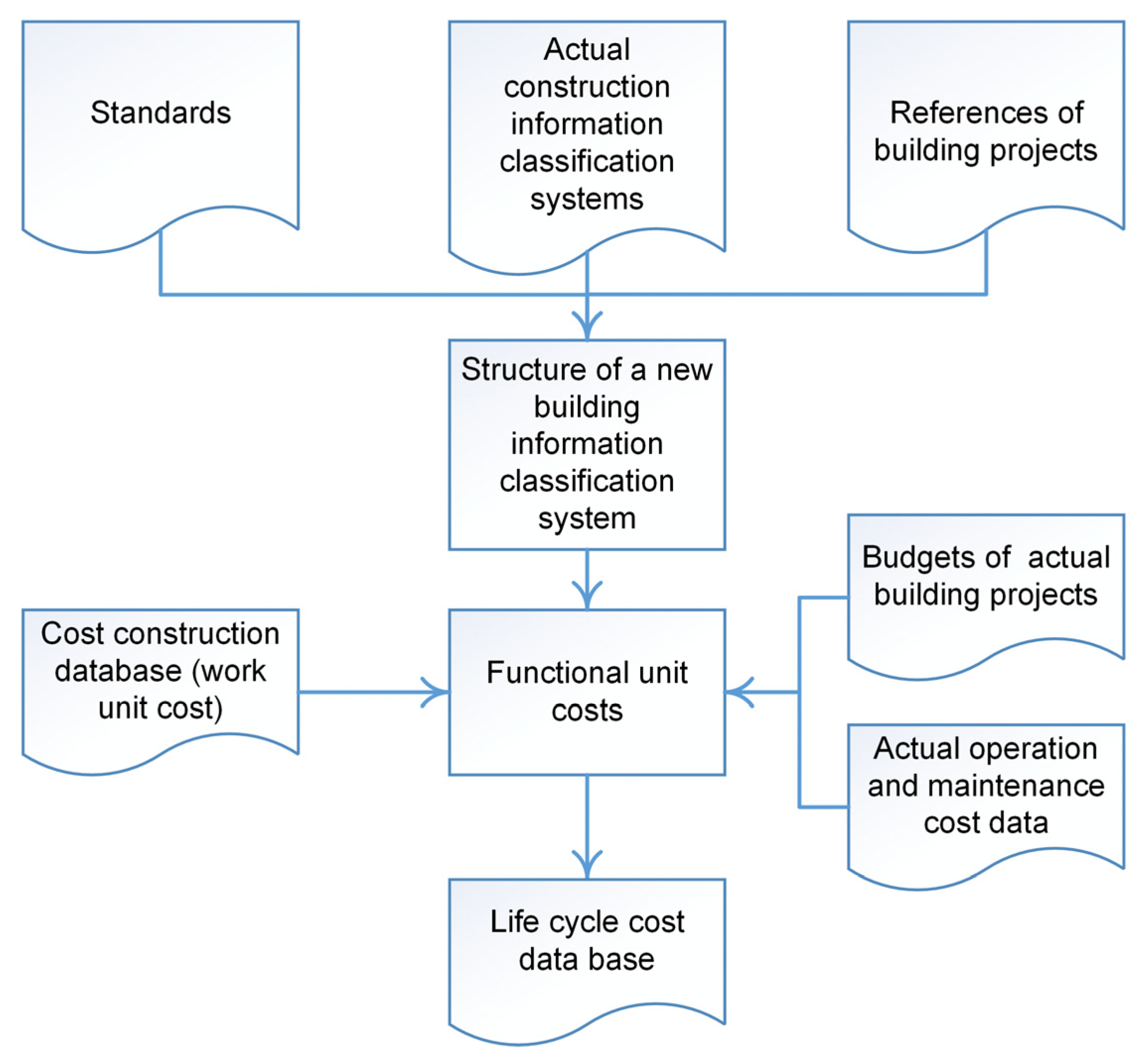
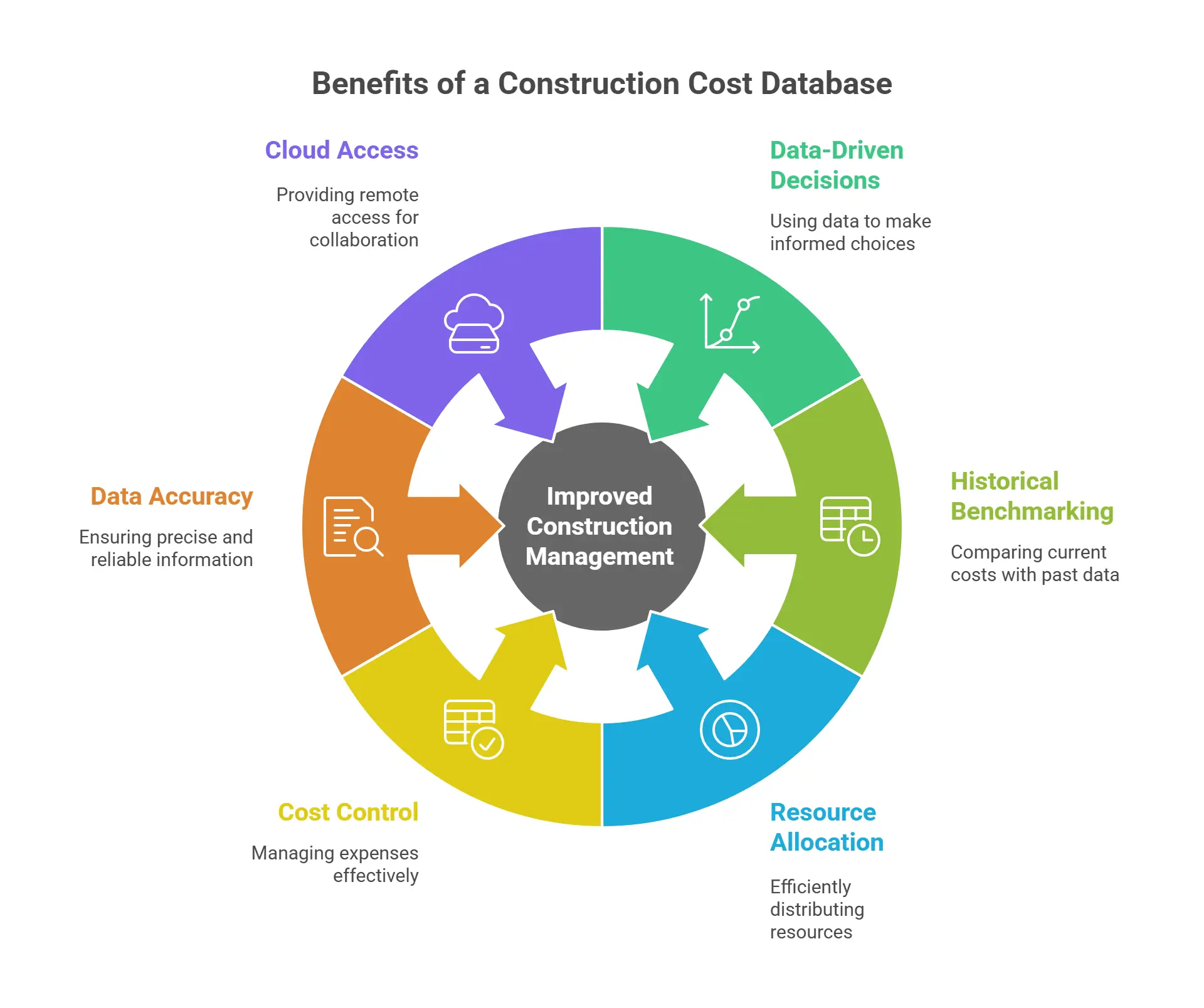
A construction cost database is like a big, detailed library of information about building and renovation costs. It's a resource that construction companies, contractors, and even homeowners like me can use to get a better idea of what projects might cost. This database covers all sorts of construction work, from new builds to remodels and everything in between.
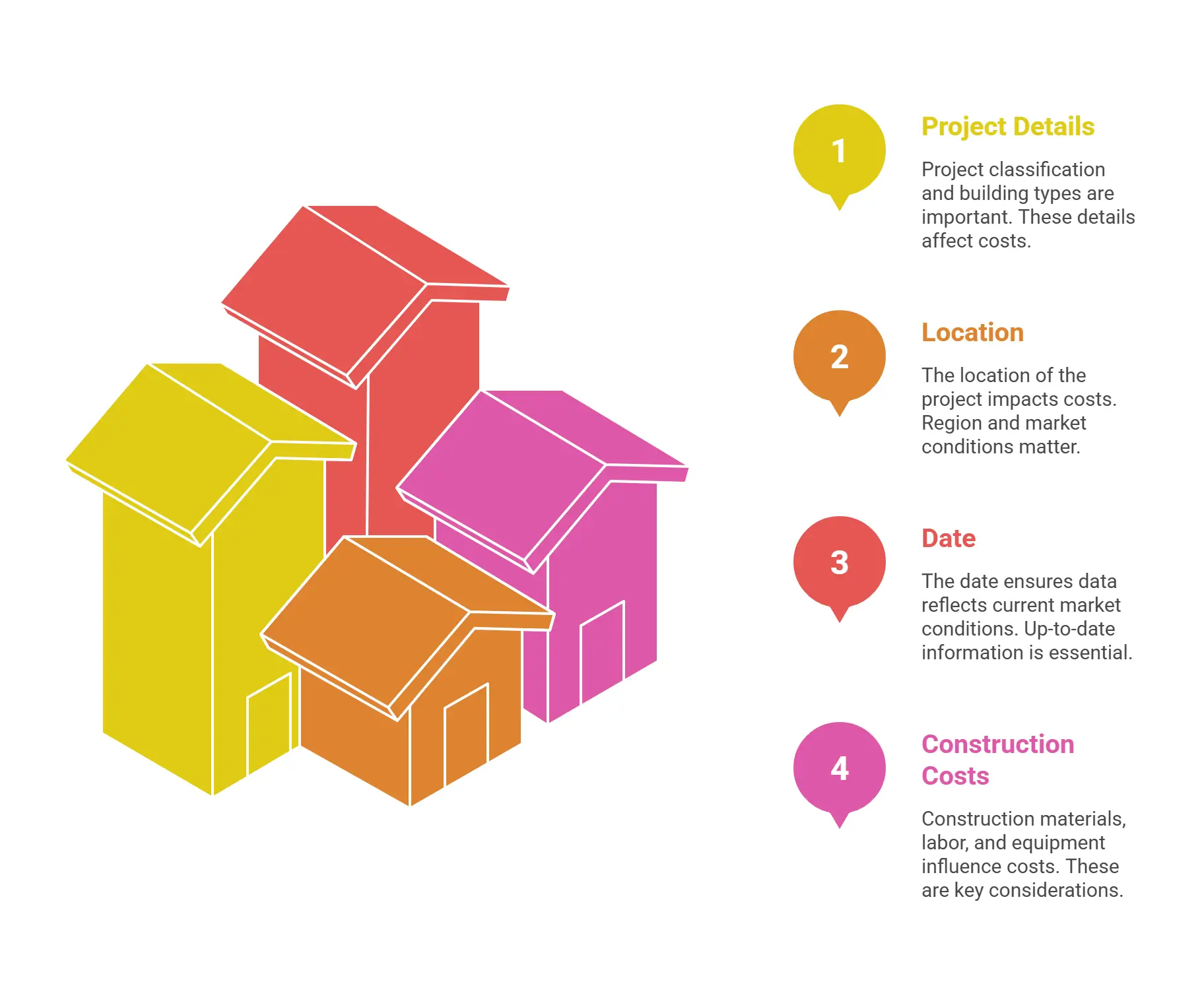
The beauty of it is that it provides estimates for different types of work, like installing a new roof, adding a room, or even just painting a wall. It takes into account things like the size of the project, the materials needed, and even the location, which can affect costs. So, it's a great way to get a rough idea of what you might be looking at financially before you even start a project.
Finding the Right Contractor
When it comes to hiring a contractor, the construction cost database can be a real lifesaver. It can help you compare quotes and ensure you're getting a fair deal. You see, contractors will often use these databases to estimate their quotes, so if you have access to the same info, you can better understand the costs they're quoting you.
Before hiring, make sure to check their references, ask about their experience with similar projects, and get a detailed breakdown of the costs. A good quote will cover all the bases, from labor to materials, and will give you a clear idea of any potential extra costs that might come up.
Company Names and the Industry
In the construction world, company names can be a bit of a giveaway about what they do. Often, you'll see names that are straightforward and to the point, like "Atlanta Building Solutions" or "Helena Home Renovations". These names are easy to remember and give a clear indication of the services offered.
If you're thinking of starting a construction business, choosing a name is an important step. It needs to be unique, memorable, and reflect the services you provide. Some fun examples could be "Build-it-Right Construction", "Hammer & Nail Builders", or "Renovate & Revive". Just remember to check the availability of the name and secure the relevant registrations and domains.
Jobs and Opportunities
The construction industry offers a wide range of jobs, from general contractors and estimators to project managers and specialists in various trades. These roles can vary greatly in terms of responsibility and salary, depending on experience and the size of the company.
If you're interested in construction jobs, you'll likely find opportunities advertised online, through job boards, and even on company websites. It's a good idea to keep an eye on these platforms and to tailor your resume and cover letter to the specific role and company you're applying for.
Industry Tools and Insights
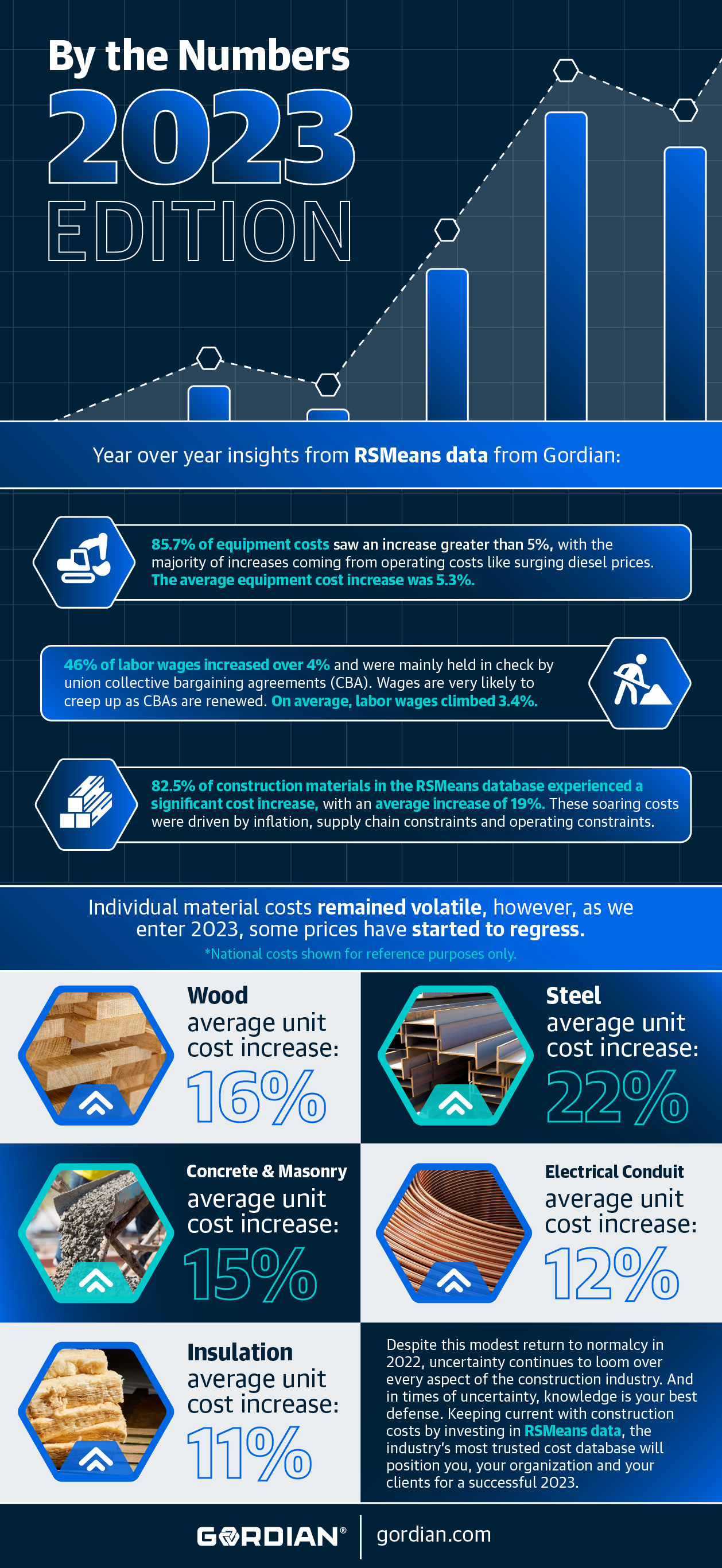
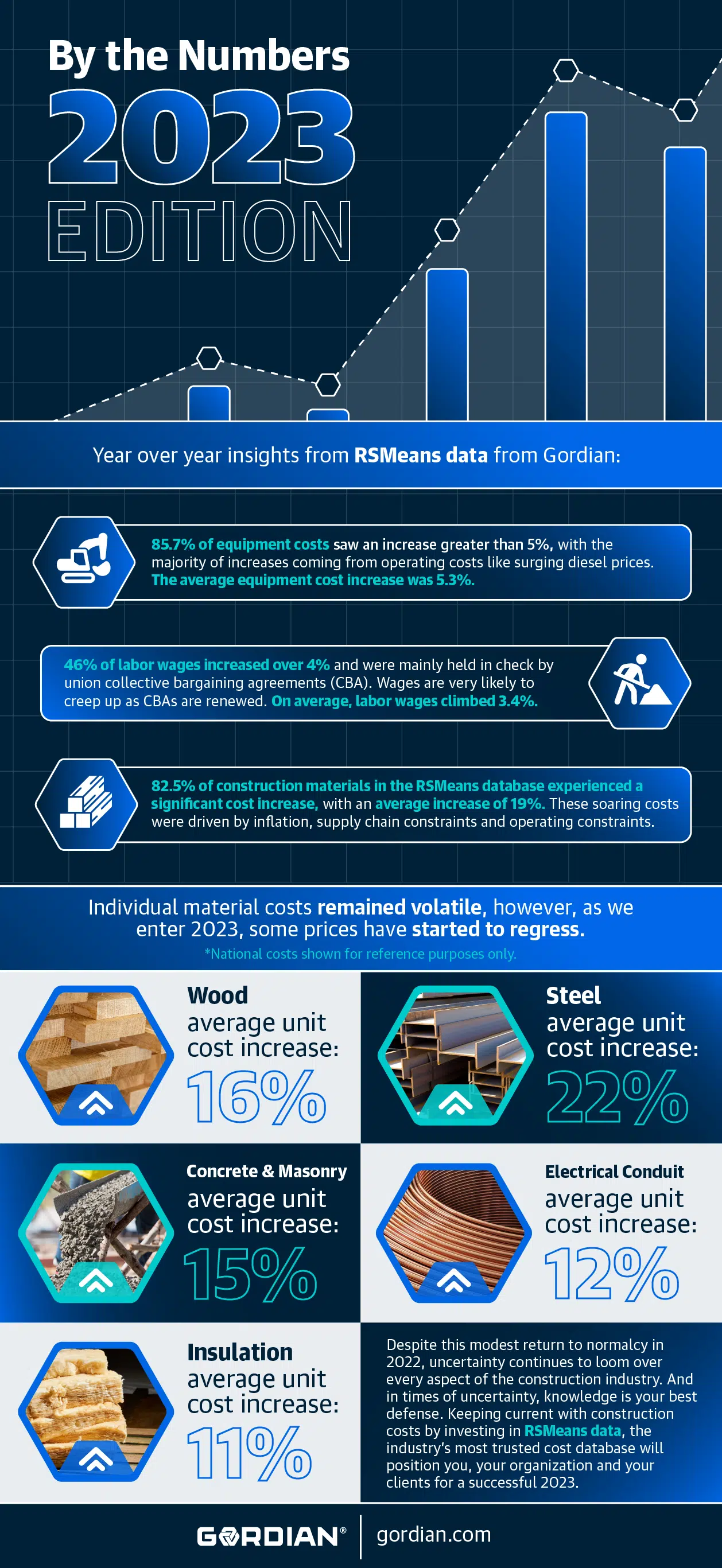
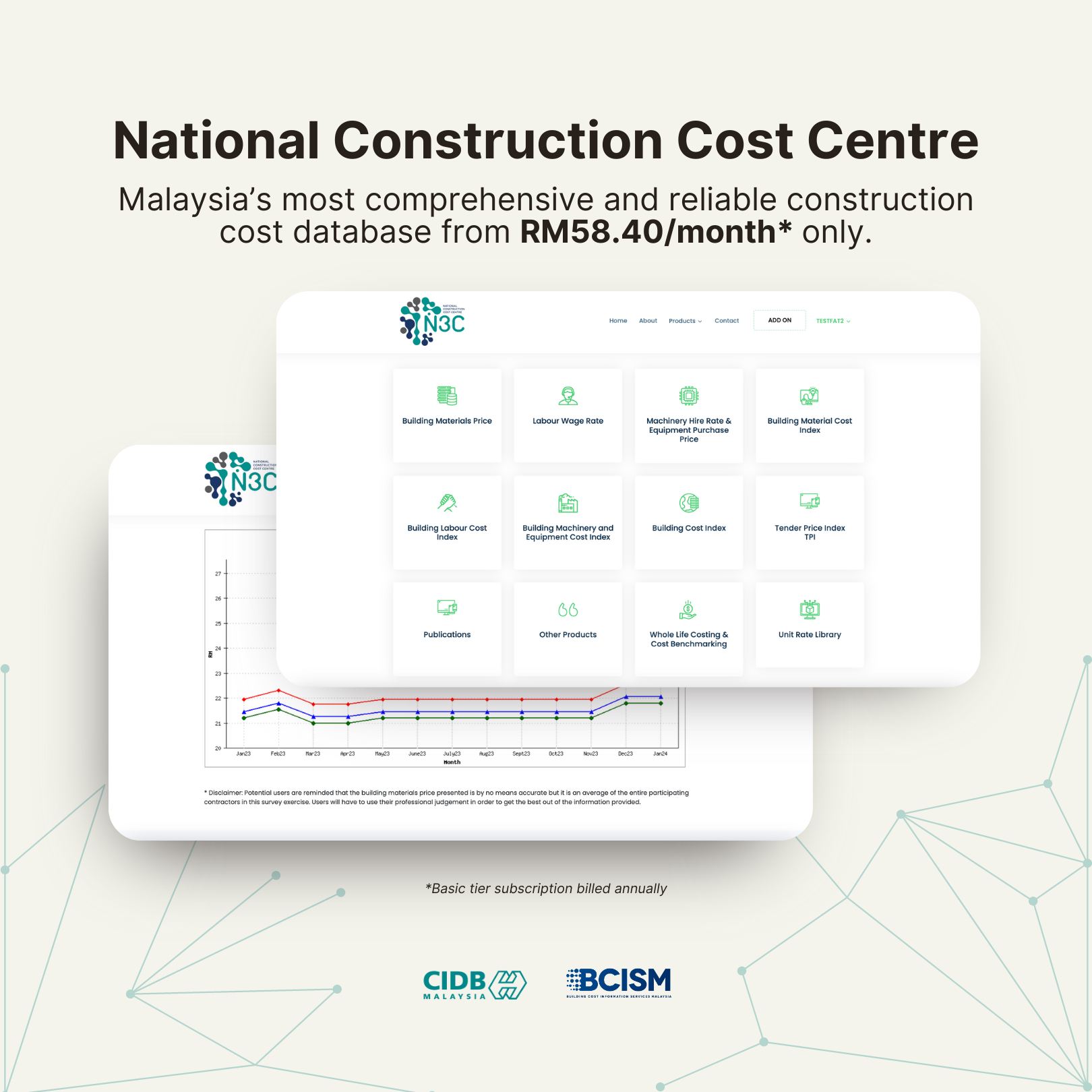
Tools like RSMeans are popular in the construction industry and are essentially detailed cost databases. These tools are used by professionals to estimate costs accurately and efficiently. They provide valuable insights into the costs of different materials, labor, and even the potential impact of economic factors on a project.
Having access to these tools can be a real advantage, especially for larger construction companies. It allows them to provide accurate quotes and plan projects effectively. For homeowners, it's a great way to get a realistic idea of what your renovation might cost.
Big Players and the Industry
The construction industry is diverse, with companies of all sizes. The big players often have the advantage of economies of scale, allowing them to take on larger projects and offer more specialized services. They might have access to better resources, like advanced cost databases and tools, which can give them an edge in the market.
However, smaller companies can offer a more personalized service and often have a strong local presence. It's a balance between size and specialization, and both types of companies play a vital role in the industry.
So, there you have it! The construction cost database is a valuable resource for anyone involved in construction, whether you're a homeowner, a contractor, or a company owner. It's a great way to get a handle on costs and plan effectively.