



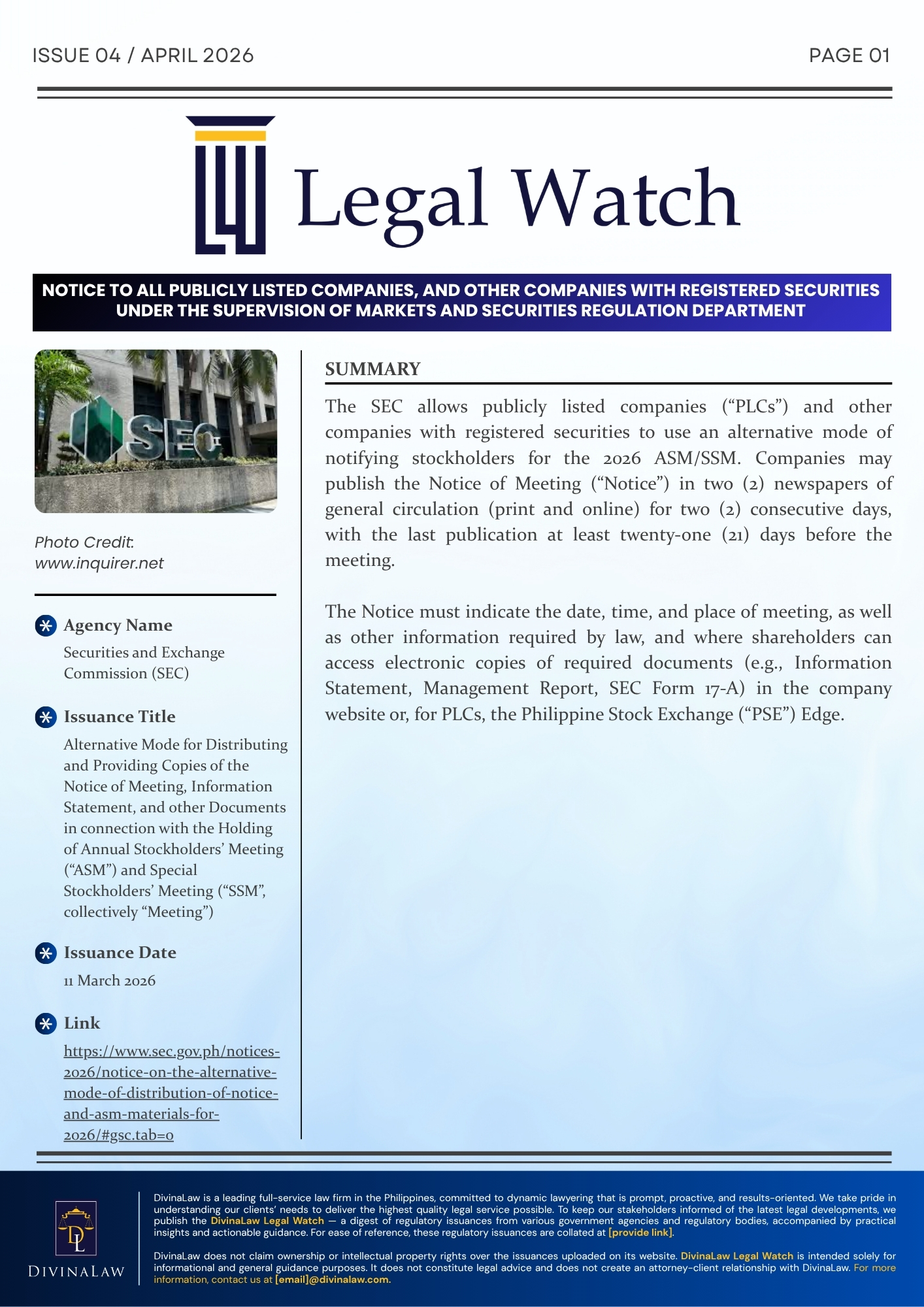


Goal Setting List Template Overview
I was walking past a busy construction site the other day, and it got me thinking about public listed construction companies. Who are these firms, and what do they do? Well, let's find out!
Understanding Public Listed Construction Companies
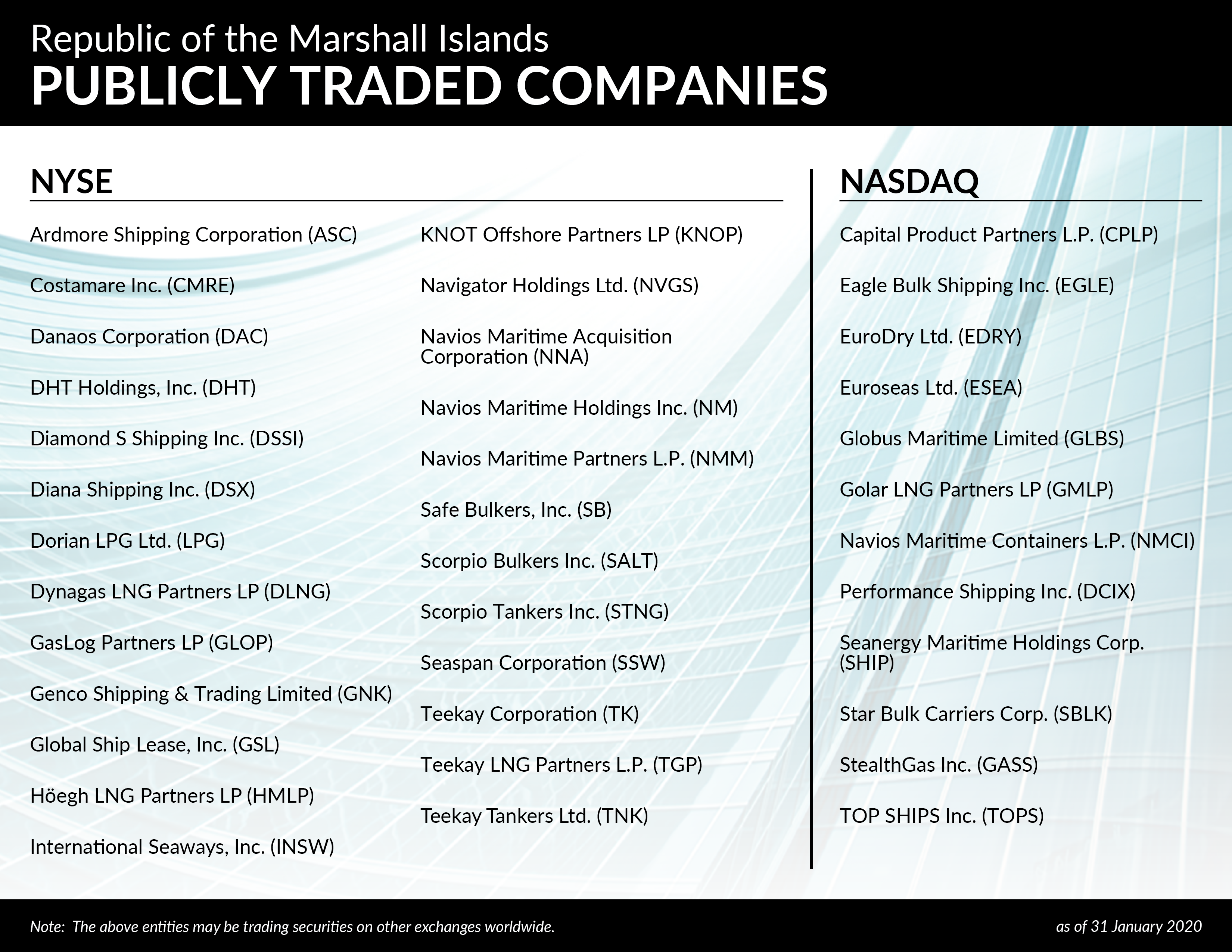
A public listed construction company is a business that builds and renovates structures, from homes to commercial buildings, and everything in between. These companies are often large-scale operations, with the resources to take on major projects. They might construct new buildings from the ground up or handle complex renovations and additions. The key here is that these companies are publicly listed, which means their shares are traded on a stock exchange and anyone can invest in them.
So, why does this matter? Well, for one, it means these companies are usually well-established and financially stable. They have the backing of investors and the public market, which can be a good sign of their long-term viability. This stability is important when you're considering hiring a contractor for a big project. You want to know they'll be around to honor their warranty and provide ongoing support.
Hiring a Contractor: What to Look For
When you're in the market for a contractor, whether it's for a home renovation or a new build, there are a few key things to consider. First, check their licensing and insurance. Make sure they're properly registered and insured for the work they do. This protects you in case of accidents or issues down the line. Next, ask for references and check their online reviews. Seeing what past clients have to say can give you a good idea of the company's reliability and quality of work.
It's also important to get multiple quotes. Prices can vary widely, and you want to make sure you're getting a fair deal. Compare apples to apples though; make sure the scope of work is the same across all quotes. And don't forget to ask about the timeline. A good contractor will give you a realistic estimate of how long the project will take, and they should be able to explain any potential delays.
Naming Your Construction Business
If you're in the construction business or thinking of starting one, you'll need a great name. A catchy, memorable name can help you stand out and make a good first impression. But what makes a good name? It should be unique, easy to remember, and reflect your business's personality or services. Avoid names that are too generic or could be confused with other businesses.
Here are a few original name ideas:
- BuildCraft
- Renova Solutions
- StructureWorks
- HomeRevamp
- ConstructoPros
- BuildTech
Remember to check the availability of these names and secure the relevant domains and local registrations before you finalize your choice.
The Construction Industry: A Quick Overview
The construction industry is a vast and diverse field, with roles ranging from general contractors to specialized tradespeople. Estimators, for example, play a crucial role in calculating costs and providing accurate quotes. Then there are project managers, who oversee the entire operation, ensuring it stays on track and within budget. These jobs can be found through various channels, including online job boards, industry-specific websites, and even word-of-mouth recommendations.
Data and Tools: RSMeans and More
In the construction world, tools like RSMeans are essential. RSMeans provides cost data and estimating tools, helping contractors and companies accurately price their work. It's a valuable resource for staying competitive and ensuring projects are financially viable. Similarly, cost databases and indexes are used to track and predict construction costs, helping businesses plan and budget effectively.
Large vs. Small Construction Firms
The construction industry is diverse, with a range of company sizes. Large firms often have the resources to take on big, complex projects and may have a national or even international presence. They can offer a wide range of services and have the manpower to handle multiple projects simultaneously. On the other hand, smaller firms might specialize in a particular area, like home renovations, and offer a more personalized service. They might be better suited to local projects and have a strong understanding of the specific market and its needs.
So, there you have it! A quick dive into the world of public listed construction companies. Whether you're looking to hire a contractor or just curious about the industry, I hope this gives you a better understanding of what these companies do and how they operate.
Related: How to Read the Hilo Tide Chart
A Hilo tide chart is a handy tool for anyone wanting to plan their coastal adventures or understand the ocean's rhythm. This guide will walk you through the basics, ensuring you can read and use these charts with confidence.
The charts provide a snapshot of tide times and heights for a specific location, like Hilo, Hawaii. You'll find these resources invaluable for planning activities like surfing, fishing, or even just a beach stroll, as they offer a quick reference to the Pacific Ocean's tides.
Understanding Hilo Tide Charts
A Hilo tide chart is a valuable tool for anyone interested in exploring the beautiful Hawaiian island of Hilo. It provides a visual representation of the daily tide cycles, offering insights into the rise and fall of the ocean's waters. By understanding this chart, you can plan your beach days, water activities, and even fishing trips with ease.
Key Details and Categories
The Hilo tide chart typically displays two main categories: tide heights and times. Tide heights are represented in feet and indicate how high or low the tide will be at a specific moment. You'll see values like 0 feet (low tide) or 6 feet (high tide). The times are given in 24-hour format, showing the exact hour and minute when the tide reaches its peak or lowest point.
Reading Tide Graphs Step-by-Step
To read a Hilo tide chart, follow these simple steps:
Identify the date and time range covered by the chart. This information is usually displayed at the top or bottom of the graph.
Locate the vertical axis, which represents tide heights in feet. The higher the value, the higher the tide.
Find the horizontal axis, showing the 24-hour time scale. Each hour is marked, making it easy to identify specific times.
Look for the tide's high and low points, indicated by peaks and troughs on the graph. These represent the highest and lowest tide heights during the period covered by the chart.
Note the times corresponding to these high and low points. This information is crucial for planning activities that depend on specific tide conditions.
Common Tide Patterns and Variations
Tide patterns can vary depending on several factors. While the Hilo tide chart provides a general guide, certain natural phenomena can cause deviations:
Moon Phases: The moon's gravitational pull significantly influences tides. During full and new moon phases, tides tend to be more extreme, resulting in higher high tides and lower low tides.
Weather Conditions: Storms and strong winds can impact tide levels. High winds may push water towards the shore, causing higher tides, while calm weather might result in more moderate tides.
Seasonal Changes: Tides can also vary with the seasons. In some regions, winter tides might be higher due to increased rainfall and runoff, while summer tides might be lower due to drier conditions.
Avoiding Common Mistakes
To ensure accurate readings from your Hilo tide chart, avoid these common mistakes:
Time Zone Confusion: Always ensure you're using the correct time zone when referring to the chart. Hilo operates on Hawaii-Aleutian Standard Time (HST), so double-check your device's settings to avoid any confusion.
Failing to Account for Weather: While the chart provides a general guide, it's essential to consider current weather conditions. Strong winds or storms can cause unexpected changes in tide levels.
Neglecting Moon Phases: Don't forget the influence of the moon. During full or new moon phases, tides can be more extreme, so plan your activities accordingly.
Practical Tide Tips for Accurate Results
For the most accurate use of your Hilo tide chart, consider these practical tips:
Check Multiple Sources: While the chart is a reliable guide, cross-referencing with other tide resources or apps can provide additional insights and confirm the accuracy of the data.
Consider Tidal Currents: Tides not only affect water levels but also create strong currents. Be mindful of these currents, especially when swimming or boating, as they can be unpredictable.
Plan Ahead: When organizing activities that depend on specific tide conditions, plan well in advance. This allows you to account for potential variations and ensure a successful outing.
Remember, the Hilo tide chart is a valuable tool, but it's always wise to stay informed about current conditions and potential variations. Enjoy your time exploring the beautiful shores of Hilo!
Hey there! We've covered a lot of ground with the Hilo tide chart, and I hope it's given you a clear understanding of this practical tool. Remember, while the basics remain the same, exact details can differ slightly, so it's always good to double-check and adapt to your specific needs.
Feel free to explore other guides on similar topics; there's always more to discover and learn. And don't forget to bookmark this page for future reference—it's a handy resource to have at your fingertips!
Related: Uncover the Secrets of Wells Tide Chart
Many people often overlook the importance of a wells tide chart, assuming it's just a simple diagram. However, it's a powerful tool with a specific purpose. The tide chart provides essential information for anyone near the Port of Wells, offering a quick glimpse at tide times, heights, and water levels. It's a handy reference, ensuring you're prepared and aware of the tidal range.
Understanding the Wells Tide Chart
The wells tide chart is your go-to guide for predicting water levels at the Port of Wells. It's a simple yet powerful tool that provides essential information for various activities, from boating to fishing and even beach walks. This chart displays the predicted tide heights and times for a specific location, helping you plan your day accordingly.
Key Details and Categories
Before diving into the chart, it's important to know a few basics. The wells tide chart typically shows two main categories: tide heights and times. Heights are represented in feet and indicate how high or low the water level will be at a given time. Times are shown in a 24-hour clock format, so you can easily plan your activities. The chart also includes a legend or key, which explains any symbols or colors used to differentiate between high and low tides.
Reading the Graph: A Step-by-Step Guide
Here's a simple guide on how to read and interpret the wells tide chart:
- Locate the date and time you're interested in. This is usually shown along the bottom or side of the chart.
- Find the corresponding tide height for that time. The height is typically indicated by a line or bar, with the value shown next to it.
- Understand the tide type. High tides are often represented by a solid line or bar, while low tides may be dashed or have a different color.
- Plan your activities accordingly. If you're boating, consider the tide height and its impact on water depth. For beach activities, knowing the tide times can ensure you have enough space to enjoy the shore.
Common Fluctuations and Variations
While the wells tide chart provides accurate predictions, it's important to note that tide heights and times can vary due to several factors:
- Weather conditions: Storms or strong winds can influence water levels and cause unexpected fluctuations.
- Moon phases: The gravitational pull of the moon affects tides, so full or new moon phases may result in higher or lower tides than predicted.
- Seasonal changes: Tides can vary slightly throughout the year due to seasonal patterns.
- Local geography: The shape of the coastline and nearby landforms can impact how tides behave in a specific area.
Remember, while the wells tide chart is a valuable tool, it's always a good idea to keep an eye on real-time conditions and be prepared for any unexpected changes.
Hey there! I hope this guide has given you a clear understanding of wells tide charts and how to use them effectively. Remember, while the basics remain the same, the exact details might differ slightly depending on your location and the source you're using.
So, the next time you need a quick reference, feel free to bookmark this page for easy access. It's always good to have these practical guides handy, and I'm sure you'll find them useful in various situations. Happy charting!