




Goal Setting Worksheet Printable Free Overview
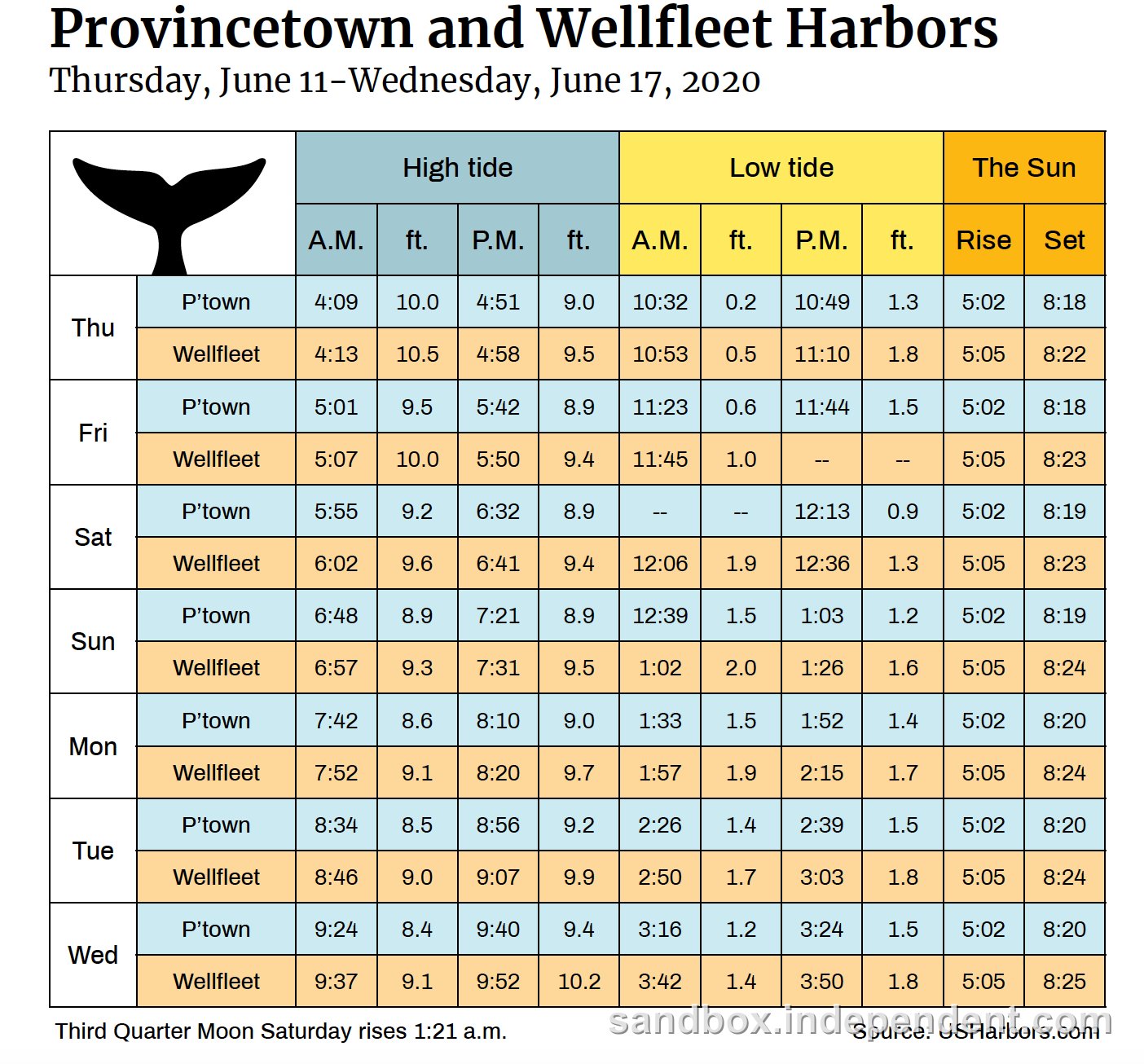
Many people assume that a seaside tide chart is a complex, intimidating tool, but it's actually a simple and incredibly useful reference for anyone spending time by the coast. While it may look like a mysterious code at first glance, with its unique symbols and data, the tide chart is a straightforward guide to understanding the ocean's movements. This chart provides essential information, like tide times and the tidal range, which is crucial for coastal navigation and understanding sea level changes.
Understanding Tides: A Seaside Guide
A seaside tide chart is a handy tool for anyone planning coastal activities or simply curious about the ocean's rhythms. It's a visual representation of the tides, showing the predicted water levels at specific times. This guide will help you decipher the chart and understand its practical applications.
Reading Tide Graphs: Standard Formats and Symbols
The tide chart typically displays a graph with time on the horizontal axis and water level on the vertical. You'll see two main categories: high tide and low tide, often marked with distinct colors or symbols. The values represent the height of the tide, usually in feet or meters, depending on the standard used. Some charts may also include additional information like tidal currents or moon phases.
Step-by-Step: Interpreting a Tide Chart
- Start by identifying the time of day you're interested in. This is crucial for coastal navigation and water depth considerations.
- Locate the corresponding point on the graph. The height at that time indicates the tide level.
- Consider the tidal range, which is the difference between high and low tide. This range can vary, so be mindful of the specific location's characteristics.
- If you're planning activities like fishing or boating, ensure you have the necessary equipment for the predicted water depth.
Common Misunderstandings and How to Avoid Them
One common mistake is assuming that tide charts are universally accurate. While they provide valuable predictions, local variations can occur due to factors like weather and geographical features. Always double-check the specific conditions for your location, especially if you're relying on the chart for safety-critical tasks like coastal navigation.
Factors Affecting Accuracy and Real-World Use
Several elements influence the accuracy of a seaside tide chart. Weather conditions, such as strong winds or storms, can cause deviations from the predicted tide times and heights. Additionally, the chart's accuracy may vary depending on the data source and the frequency of updates. It's essential to use the most recent and reliable data for your specific location. Understanding these factors will help you interpret the chart effectively and make informed decisions.
Well, there you have it! A handy guide to understanding and using tide charts like a pro. Remember, these charts are a valuable tool, but it's always wise to check the specific conditions and requirements for your location and activity.
Don't forget to explore our other guides and resources. We've got plenty of practical tips and insights to help you make the most of your seaside adventures. Happy charting, and we hope to see you back here soon!
Related: Understand the Jordan Shoe Chart: A Simple Guide
Many people approach the Jordan shoe chart with a bit of hesitation, unsure of how to navigate its measurements and conversions. It's a common misconception that these charts are complex and confusing, but I'm here to assure you, it's a straightforward process!
The Jordan shoe chart is your go-to resource, offering a simple guide to finding your perfect fit. While the values might vary slightly depending on the region or brand, the chart provides a reliable starting point. Think of it as a universal language for shoe sizing, making it easy to convert between different standards, like US to UK sizes, and even helping with kids' shoe sizes!
Understanding the Jordan Shoe Chart
The jordan shoe chart is your go-to guide for finding the perfect fit when it comes to Jordan sneakers. It's a simple yet effective tool that helps you navigate the brand's sizing and ensure you get the right size for your feet. This chart provides a reference for both men's and women's shoe sizes, making it easy to find your ideal fit.
Comparing Size Standards and Formats
The jordan shoe chart follows a standard sizing system, typically based on US sizes. However, it's important to note that shoe sizes can vary slightly between brands and even within different Jordan shoe models. The chart usually includes a size conversion guide, allowing you to easily convert between US, UK, and European sizes. This is especially useful when you're used to one sizing system and need to adapt to another.
Step-by-Step Guide to Using the Chart
- Measure your feet accurately: This is the first step to ensure a precise fit. You can use a shoe sizing gauge or simply measure your foot length and width with a ruler or tape measure.
- Identify your foot length and width: The jordan shoe chart often provides a range of sizes, catering to different foot lengths. It also includes width variations, such as narrow, medium, and wide, to accommodate various foot shapes.
- Convert and compare: If you're used to a different sizing system, use the conversion guide on the chart to find your equivalent Jordan size. Compare your foot measurements to the chart's size recommendations to determine the best fit.
- Consider personal preferences: While the chart provides a guide, personal comfort and fit preferences may vary. Some people prefer a snug fit, while others go for a slightly larger size for added comfort. Trust your judgment and choose the size that feels right for you.
Common Misreadings and Pitfalls
One common mistake is assuming that all Jordan shoes follow the same sizing guidelines. While the jordan shoe chart provides a general reference, certain models may have slight variations. Always double-check the specific size guide for the shoe you're interested in to ensure an accurate fit. Additionally, remember that foot shape and personal comfort play a role, so don't be afraid to try on different sizes and listen to your feet's feedback.
The jordan shoe chart is a valuable tool, but it's essential to use it as a guide and trust your own judgment and comfort level. By following these simple steps and being aware of potential variations, you'll be able to find your perfect Jordan shoe size with ease.
Hey there! We've covered a lot of ground in this guide, giving you a comprehensive look at the Jordan shoe chart and its uses. Remember, while the basics remain the same, some details might shift based on your specific needs and the sources you consult.
So, keep this page bookmarked for future reference, and feel free to explore our other guides for more practical tips and insights. We aim to make these resources as helpful and accessible as possible, so you can find the right info when you need it most. Happy reading, and we hope to see you again soon!
Related: Junior Estimator Salary Essential Guide
"Wow, that construction site looks busy! I wonder how they plan and cost all these projects. It must be a lot of work, and someone has to do it. I'm curious about junior estimator salaries and what that job entails."
Estimating: The Foundation of Construction
As a building project begins, someone has to estimate the costs. That's where junior estimators come in. They play a crucial role in the early stages, helping to shape the financial plan. It's a detailed process, and their work affects the entire project. So, what does a junior estimator do, and what can you expect from this role?
Estimators gather data, analyze costs, and create detailed reports. They consider materials, labor, and any specific requirements. It's a precise job, and estimators must be accurate to avoid costly mistakes. They work with contractors, architects, and clients to ensure everyone is on the same page. The role is an important one, and it's a great starting point for a career in construction.
A Day in the Life of a Junior Estimator
A typical day might involve researching and comparing prices for materials. Estimators need to find the best deals without compromising quality. They also calculate labor costs, considering the scope of the project and the required skills. It's a balancing act, ensuring the estimate is competitive while also being realistic. Junior estimators often work with more experienced colleagues, learning the trade and developing their skills.
Finding a Junior Estimator Role
If you're interested in this field, you'll likely find opportunities with construction companies, remodeling firms, and even larger building organizations. It's a role often filled by recent graduates or those with some relevant experience. When looking for jobs, check online job boards and company websites. You might also find openings through industry connections or by approaching companies directly.
What to Expect from the Salary
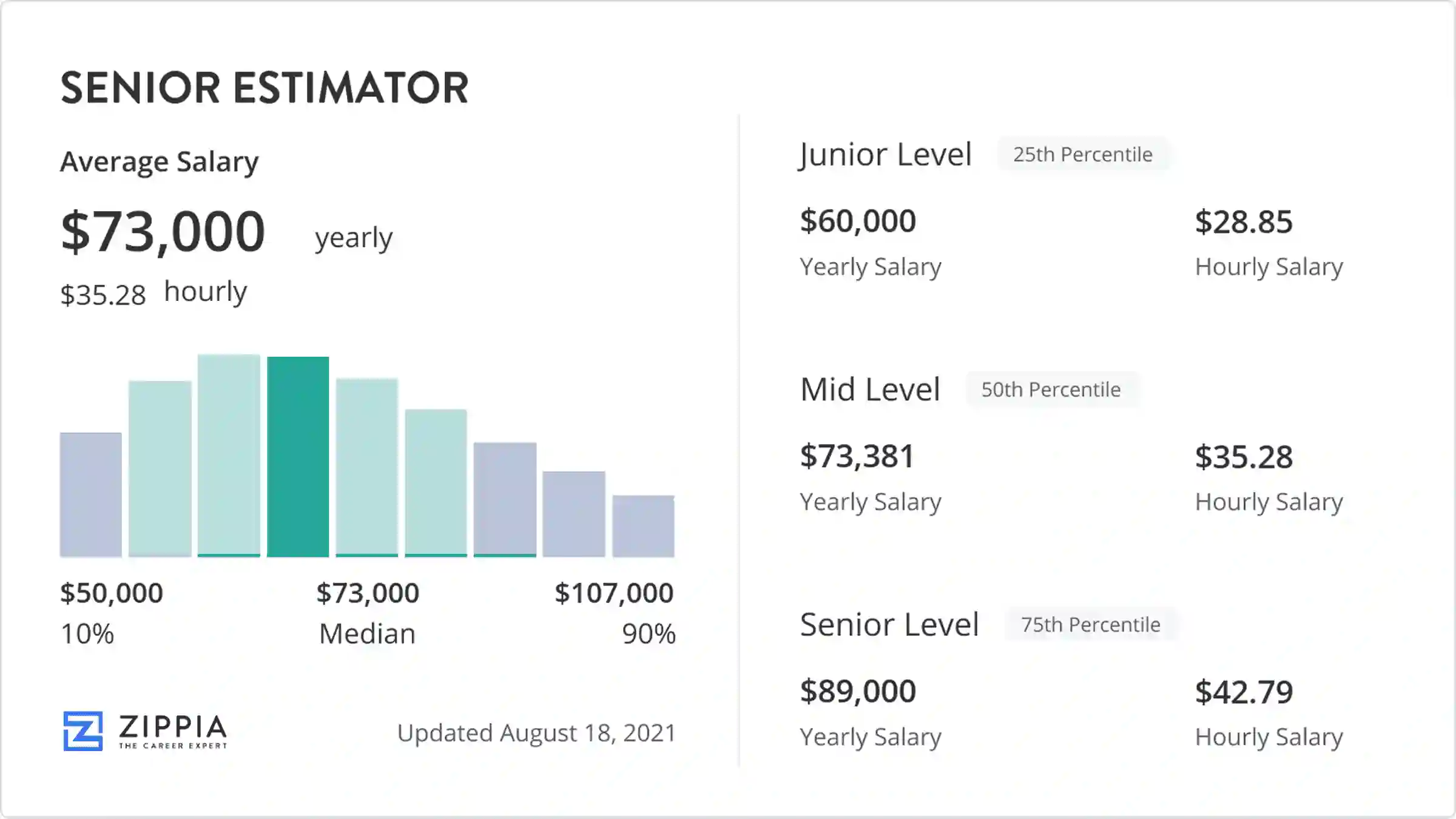
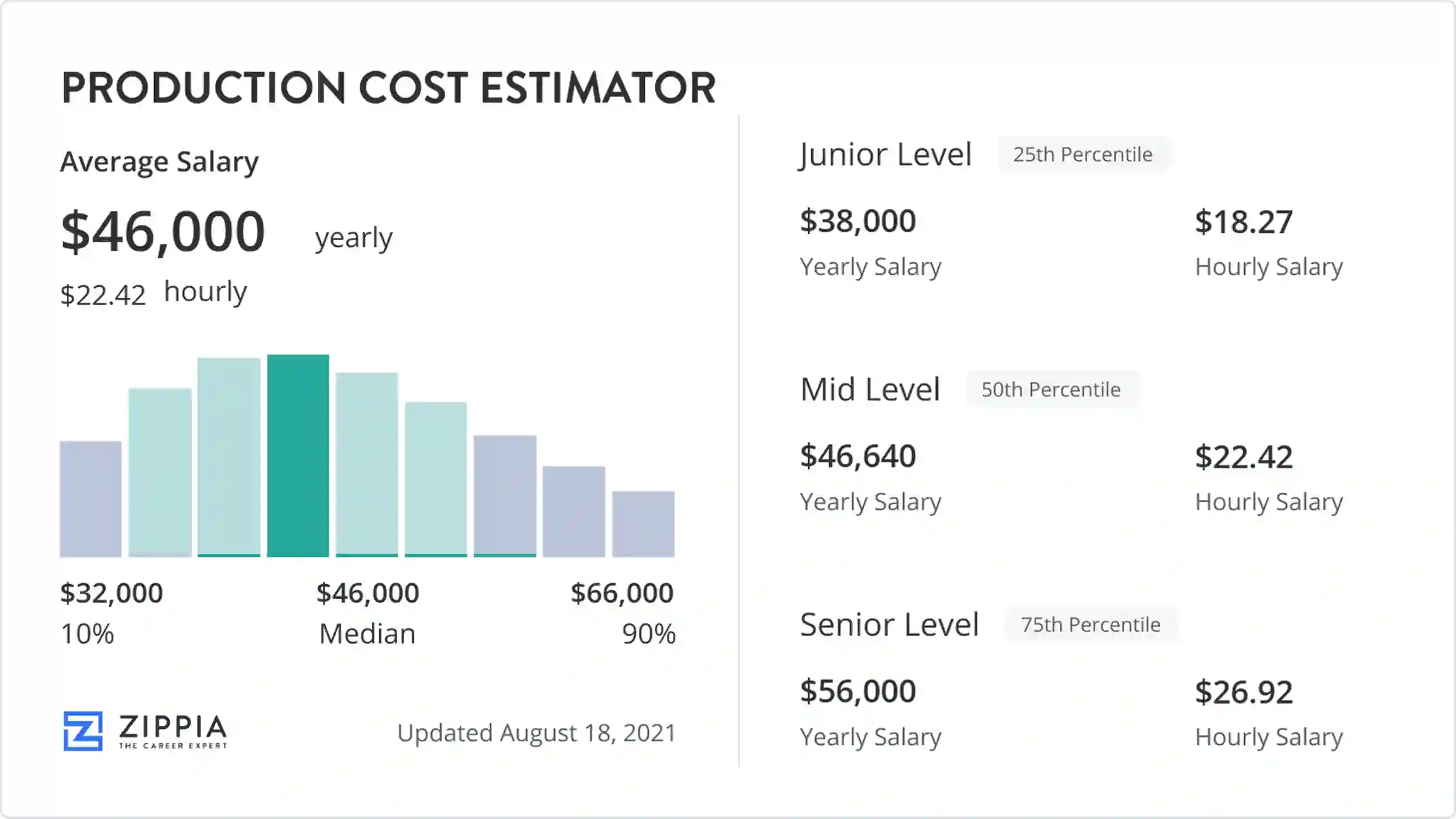
Junior estimator salaries can vary depending on the company, location, and your experience. It's a role that often comes with a set salary, rather than an hourly rate. As you gain experience, your salary is likely to increase. It's a great starting point, offering a stable income and the chance to develop valuable skills.
Building a Career in Estimating
Estimating is a specialized field, and with experience, you can progress to more senior roles. These roles often involve managing a team and taking on larger, more complex projects. You might also specialize in a particular area, such as commercial or residential construction. The skills you develop as an estimator are highly valued and can open doors to other roles in the industry.
Wrapping Up
So, there you have it! A glimpse into the world of junior estimators and their important role in construction. It's a fascinating field, and one that offers a great career path. If you're considering a role in estimating, I'd encourage you to research further and explore the opportunities. It's a rewarding career with plenty of room to grow and develop.