

Goal Setting Worksheets Therapist Aid Overview
You've got your flute, you're ready to play, and you need a quick reminder on those trills. The flute trill chart is your go-to resource, a handy guide that simplifies those intricate finger movements. It's a visual tool, offering a clear and concise way to master those rapid, decorative notes. Whether you're a beginner or a seasoned player, this chart is a valuable reference, ensuring you can tackle any trill with confidence.
Understanding the Flute Trill Chart: A Quick Overview
The flute trill chart is an essential tool for flute players, offering a visual guide to mastering those rapid, vibrant trills. It's like a map, showing you the path to create beautiful, seamless trills with ease. This chart is your friend, making complex trill techniques more accessible and fun to learn.
Comparing Common Trill Patterns and Fingerings
When it comes to trills, there are various patterns and fingerings to explore. The chart typically presents a range of options, allowing you to see the differences and choose the most suitable approach for your playing style. It's like a reference library, offering a clear comparison of standard trill fingerings and patterns.
Step-by-Step Guide: Using the Flute Trill Chart
Using the flute trill chart is straightforward:
Identify the starting note: Locate the note you want to trill on the chart. This is usually indicated by a specific fingering or note name.
Find the target note: Look for the adjacent note(s) that form the trill. These are often shown as a series of connected dots or lines, indicating the finger movement.
Practice the finger movement: Focus on the finger pattern shown on the chart. Practice moving your fingers smoothly and quickly between the starting and target notes.
Master the embouchure: While finger movement is crucial, don't forget the role of your embouchure (lip and mouth position). Adjust your embouchure to create a clear, vibrant sound throughout the trill.
Combine finger and embouchure techniques: It's all about coordination! Practice blending the finger movement with the embouchure adjustments to produce a seamless, musical trill.
Common Misreadings and How to Avoid Them
One common pitfall is assuming that the chart provides a one-size-fits-all solution. Remember, the flute trill chart offers a general guide, but your specific flute and playing style may require slight adjustments. Always double-check the exact fingerings and notes for your instrument, especially if you're using a different flute type or size. Additionally, pay attention to the context of the music you're playing. The chart may suggest multiple options, and choosing the right one depends on the musical context and your artistic interpretation.
Factors Affecting Accuracy and Real-World Use
Several factors can influence the accuracy and effectiveness of your trills:
Flute type and size: Different flutes, such as concert flutes or piccolos, may require slight adjustments to the fingerings or embouchure.
Musical context: The style and genre of the music you're playing can impact the choice of trill technique. For example, a fast-paced jazz piece may call for a different approach compared to a classical ballet.
Personal playing style: Every flutist is unique! Your finger placement, hand shape, and embouchure may vary slightly, so it's essential to adapt the chart's suggestions to your individual playing style.
Practice and consistency: Like any skill, mastering trills takes time and practice. Consistent practice, focusing on both finger technique and embouchure control, will lead to more accurate and expressive trills.
Remember, the flute trill chart is a valuable tool, but it's just one part of your flute-playing journey. With patience, practice, and a bit of creativity, you'll be trilling like a pro in no time!
Hey there, fellow flutists! We've covered a lot of ground with this chart, and I hope it's given you a clear path to navigate the world of trills. Remember, while the basics remain consistent, the specifics might vary slightly depending on your reference or the style you're aiming for.
Feel free to explore our other guides; we've got plenty of resources to help you master the flute and its many techniques. Happy practicing, and keep those fingers moving!
Related: Understand Shaft Flex Chart: A Simple Guide
A shaft flex chart is a valuable tool for golfers, offering a clear and concise reference to understand the flexibility and performance of golf shafts. This guide aims to demystify the chart and provide an easy-to-follow explanation, ensuring you can make informed decisions about your equipment.
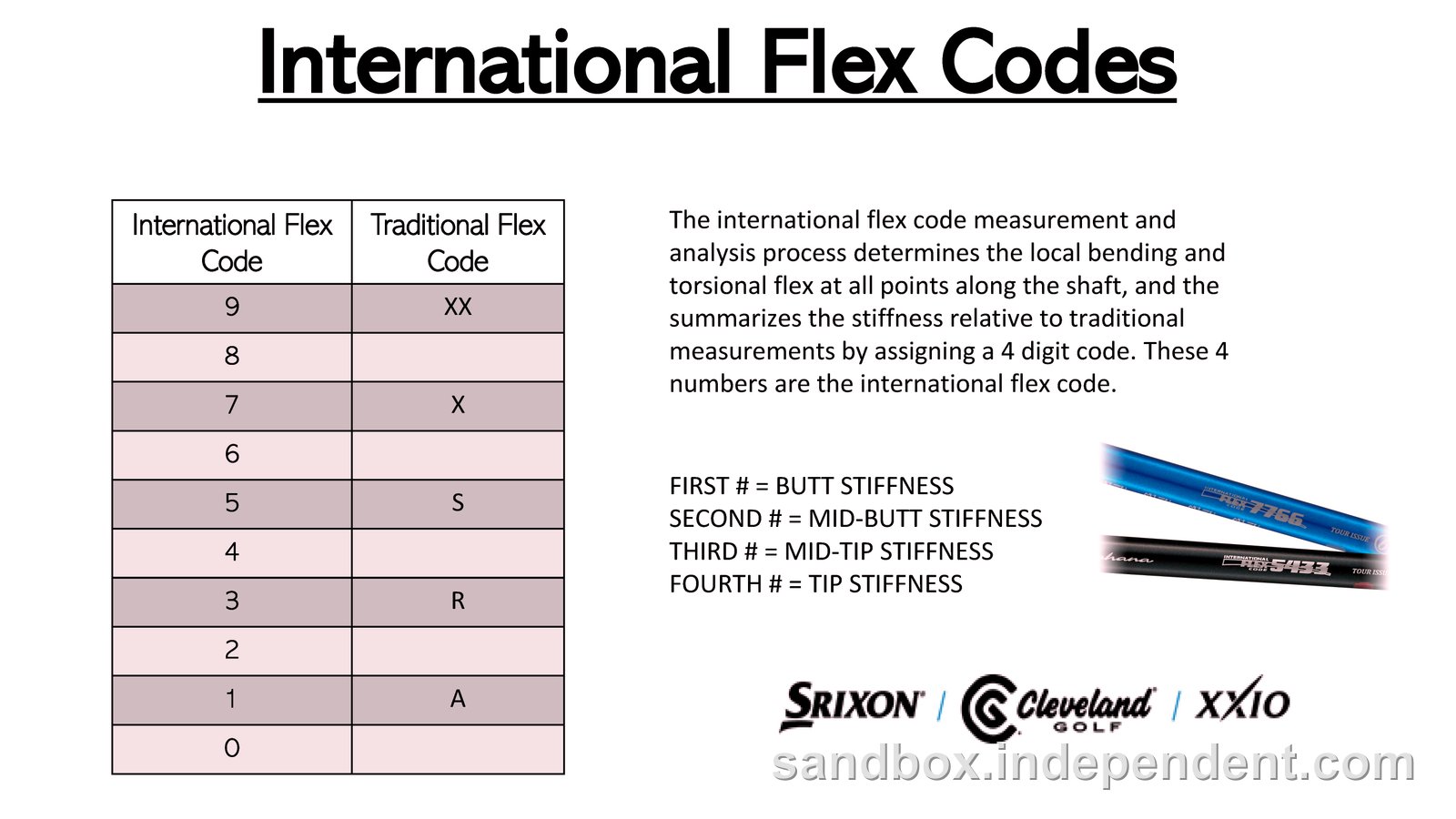
The chart typically presents a range of flex options, often categorized by player skill and swing speed. It offers a quick way to match your swing characteristics to the right shaft stiffness, ensuring optimal control and performance. While the values and formats may vary slightly between brands and regions, the shaft flex chart remains a consistent and reliable resource for golfers seeking precision and accuracy in their game.
Understanding Flex: A Guide to Shaft Flex Charts
A shaft flex chart is a valuable tool for golfers and sports enthusiasts, offering a visual representation of the flexibility and stiffness of golf club shafts. This chart provides an easy-to-understand reference, helping users select the right shaft based on their swing characteristics and preferences.
Common Flex Types and Their Standards
The shaft flex chart typically presents various flex options, including Senior (A), Regular (R), Stiff (S), and Extra Stiff (X). These categories are standardized across the industry, ensuring consistency in shaft performance. Additionally, some charts may include more specialized flex types like Ladies (L) or Tour (TX), catering to specific golfer profiles.
Reading the Chart: A Step-by-Step Guide
When utilizing a shaft flex chart, follow these steps:
Identify your swing speed: This is a critical factor in determining the appropriate shaft flex. Swing speed is often measured in miles per hour (mph) and can be tested at golf shops or driving ranges.
Locate your swing speed range: The shaft flex chart will typically display swing speed ranges for each flex category. Find the range that aligns with your measured swing speed.
Consider shaft stiffness: The chart will provide an indication of the shaft's stiffness, often using terms like "soft" or "firm." This refers to the shaft's ability to bend during the swing, influencing the feel and control of the club.
Select the right flex: Based on your swing speed and preferred shaft stiffness, choose the flex category that best suits your needs.
Avoiding Misinterpretations
While shaft flex charts are straightforward, some common misinterpretations can occur. One pitfall is assuming that a higher flex category always equates to better performance. In reality, the ideal flex depends on an individual's swing characteristics and personal preferences.
Key Factors Affecting Accuracy
- Swing Speed: The most critical factor, as it directly influences the shaft's behavior during the swing.
- Player Strength: A golfer's physical strength can impact the ability to generate clubhead speed, affecting the appropriate flex selection.
- Swing Tempo: The pace of the swing, whether fast or slow, can influence the shaft's performance and the golfer's feel.
- Shaft Torque: This refers to the shaft's tendency to twist during the swing, impacting the accuracy and consistency of ball flight.
Custom Flex Options and Adaptations
While standardized shaft flex charts provide a solid foundation, custom options exist for golfers with unique needs. Custom flex shafts can be tailored to an individual's swing, offering a precise fit. These options are particularly beneficial for golfers with specific requirements, such as those with injuries or unique swing mechanics.
When selecting a custom flex, it's essential to work with a knowledgeable golf professional who can guide you through the process and ensure the shaft aligns with your goals and playing style.
Remember, while this guide offers a comprehensive overview, the exact details can vary slightly depending on your specific needs and the standards you follow. It's always a good idea to consult multiple sources and adapt the information to your unique circumstances.
Our website hosts a variety of other practical guides and resources, so feel free to explore and discover more helpful content. Happy learning, and keep those swings smooth!
Related: RSMeans Cost Estimating Essential Guide
I was chatting with a friend the other day, and they mentioned how they wanted to do some home renovations but were overwhelmed by the costs. That got me thinking about means cost estimating and how it can help us navigate these projects. So, let's break it down and see what it's all about!
Understanding Means Cost Estimating
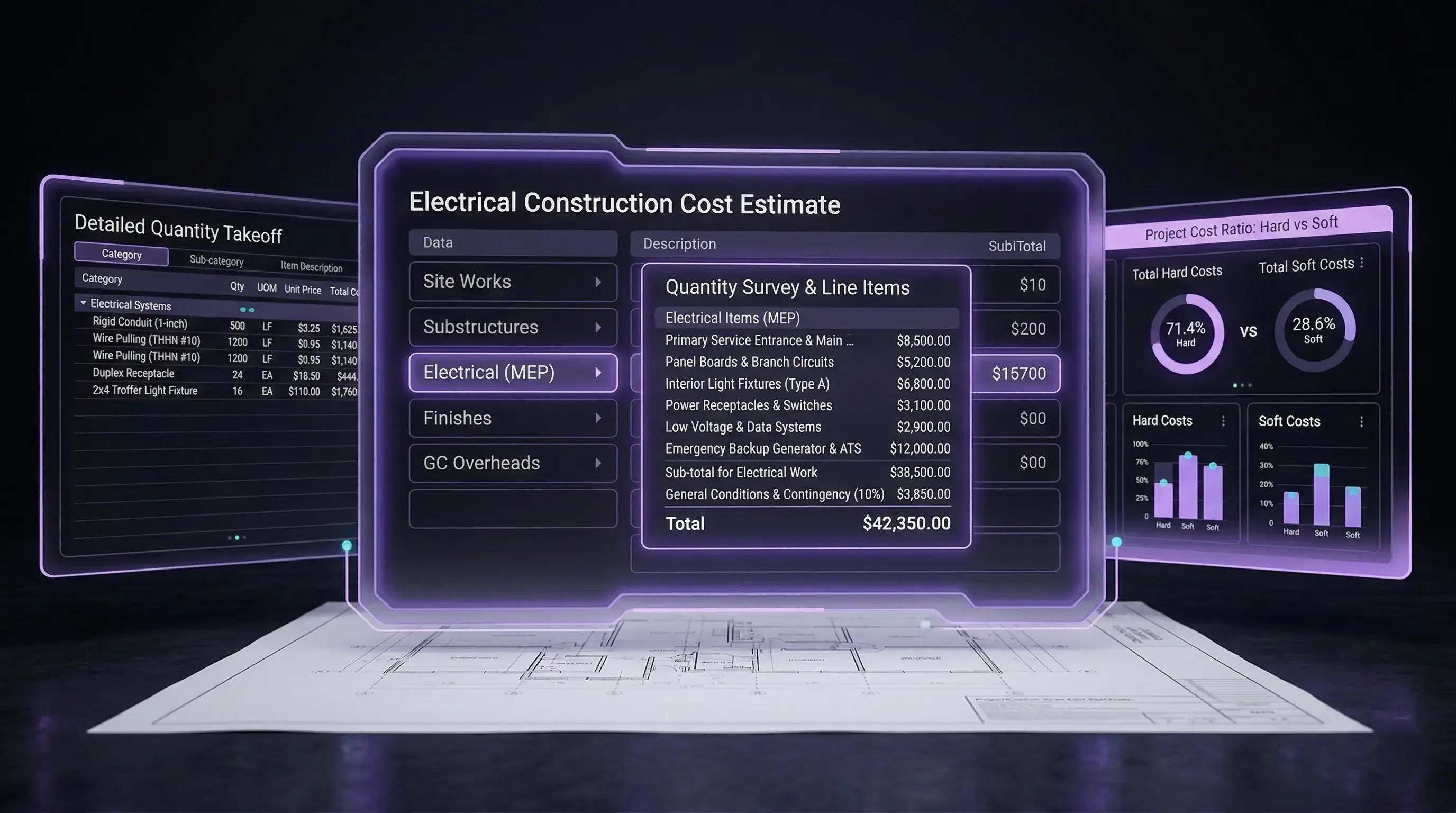
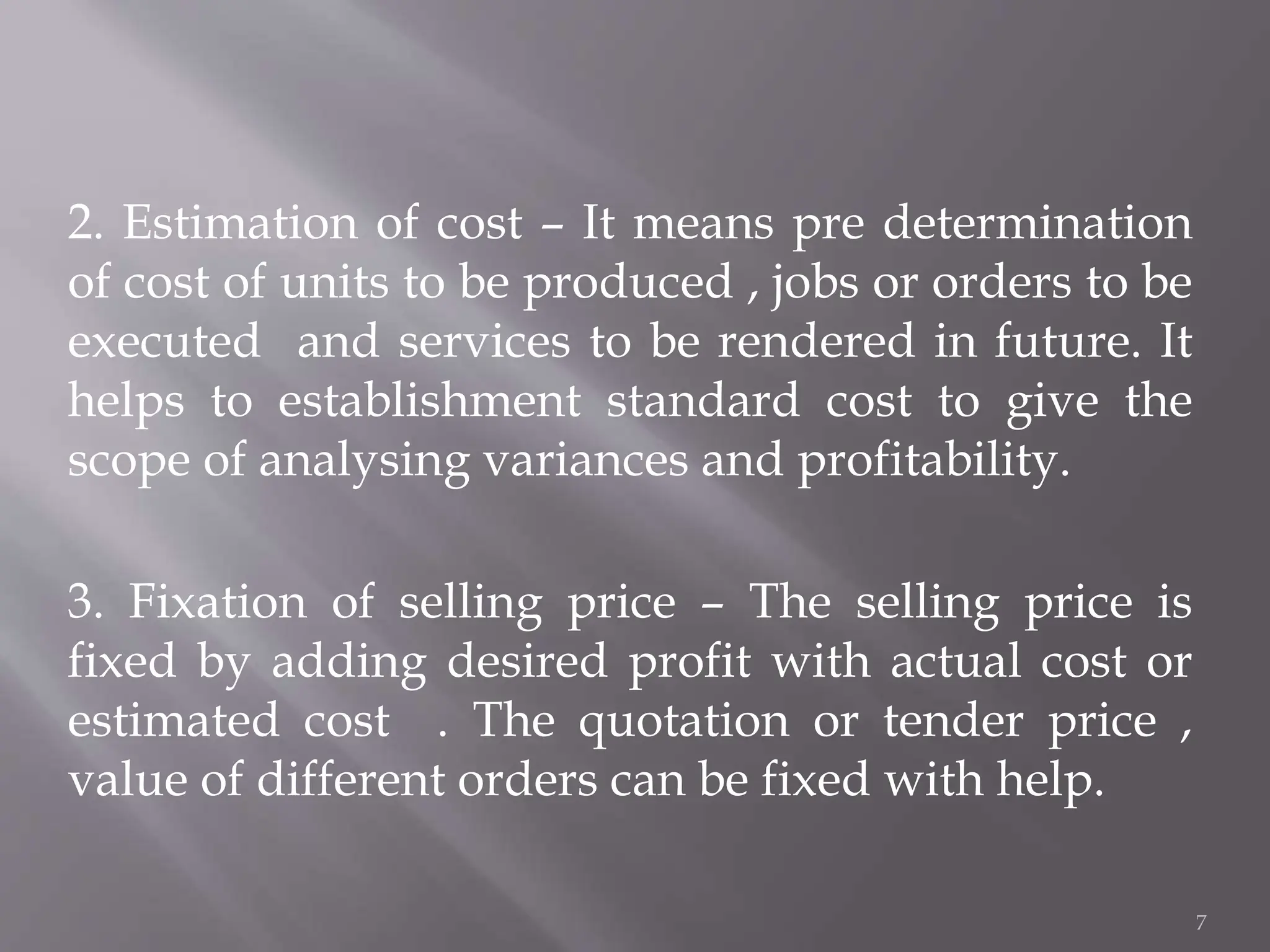
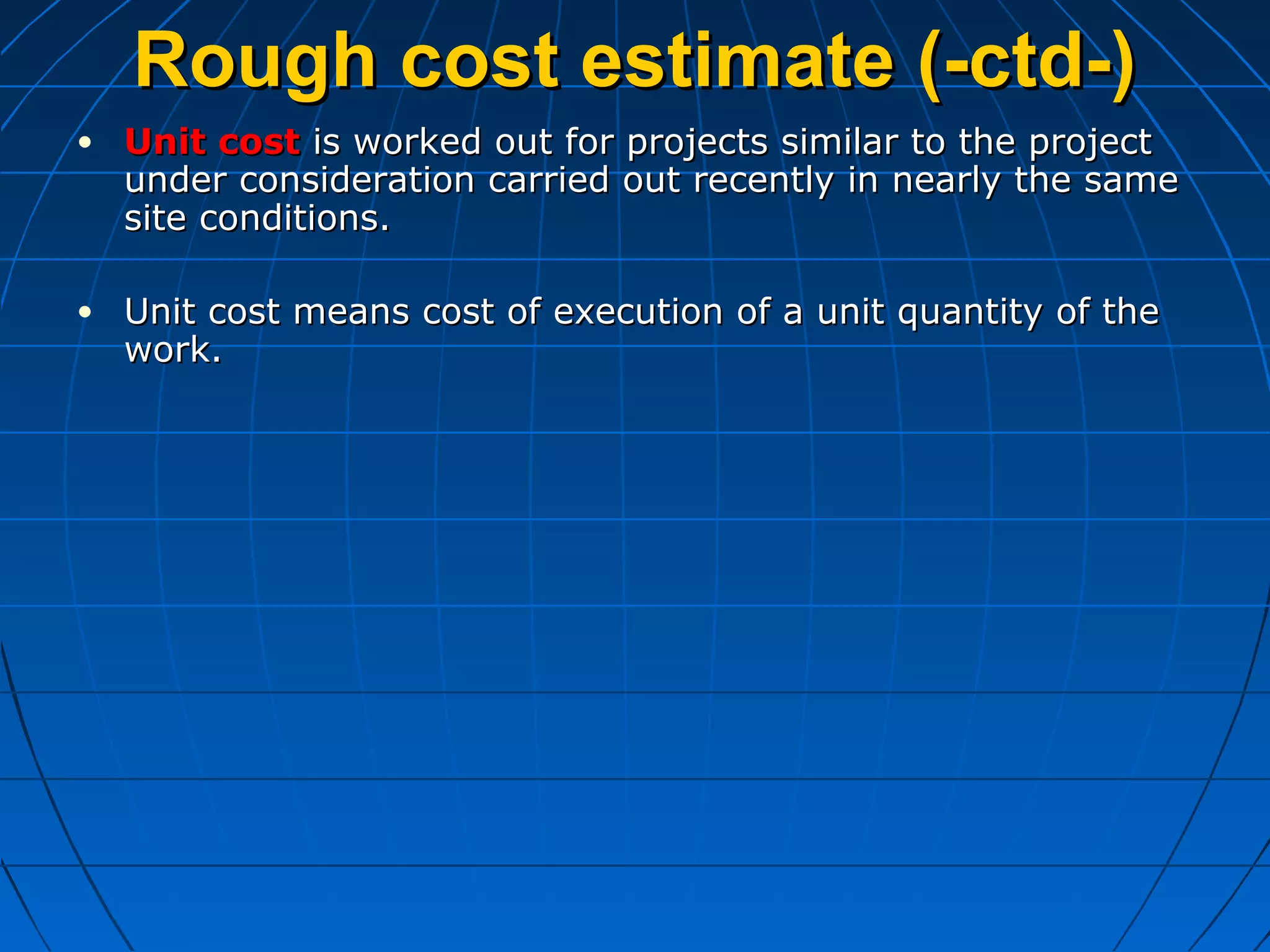
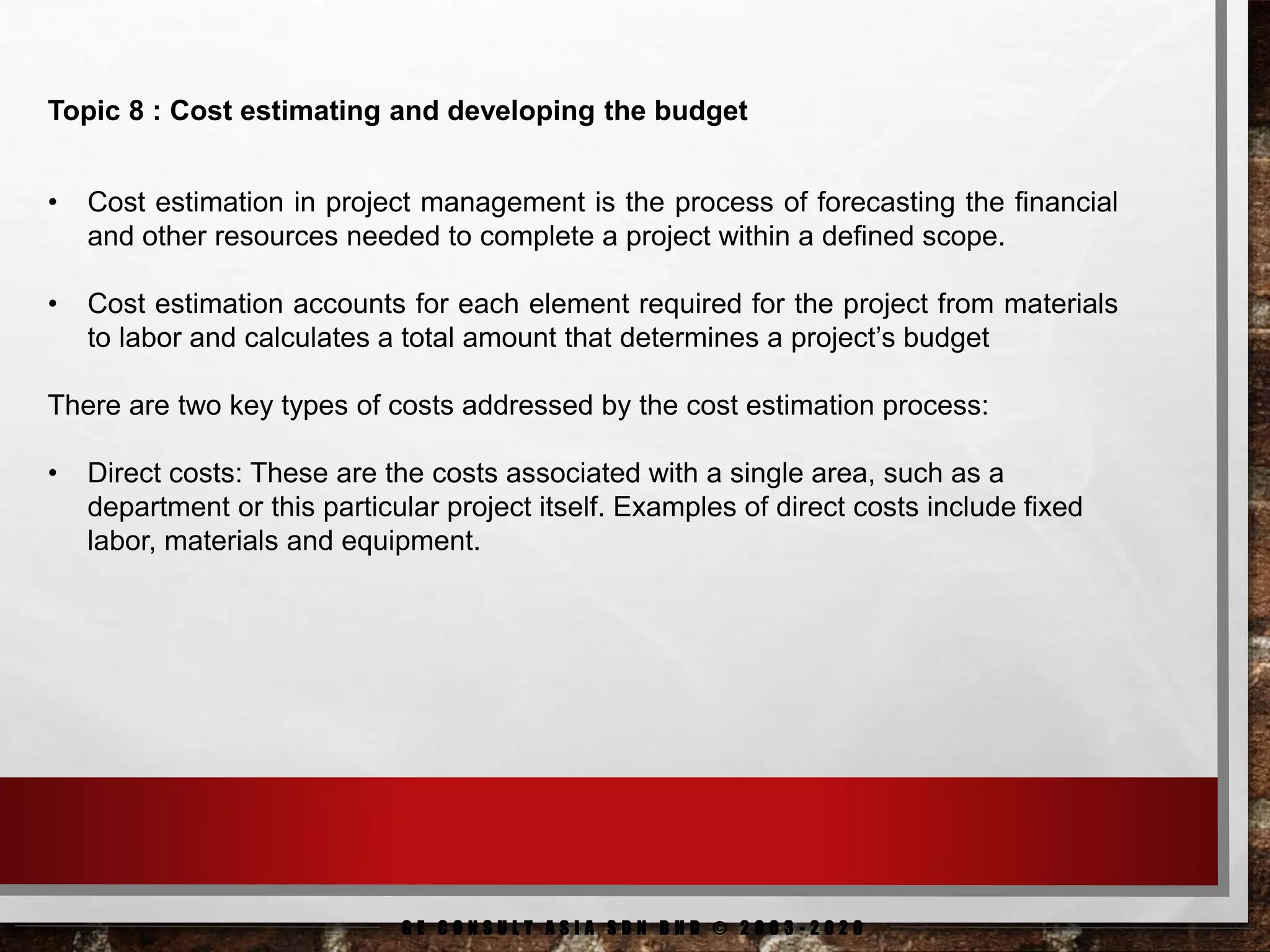
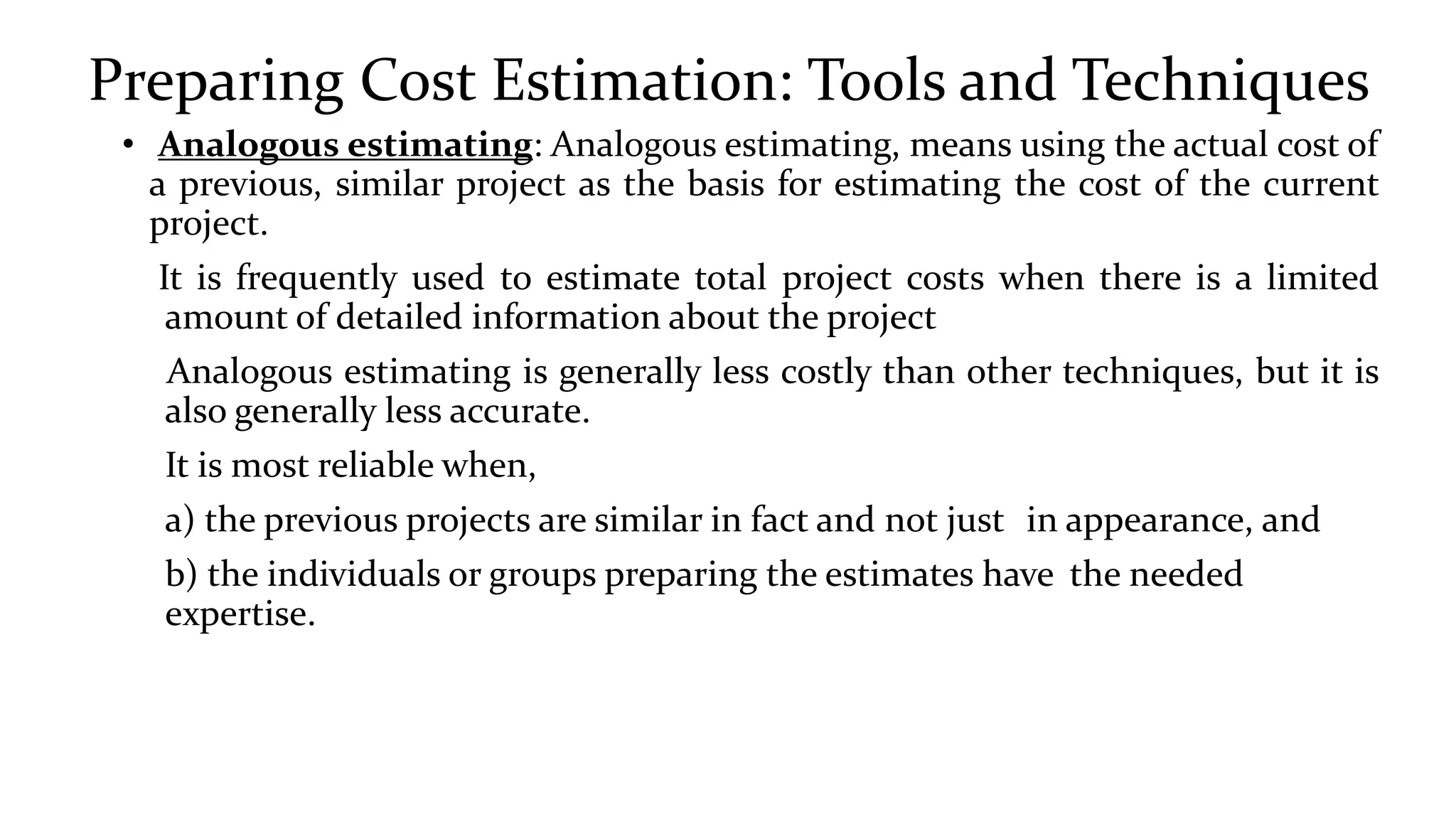
Means cost estimating is a method used in the construction industry to calculate and predict the expenses of a project. It's like a roadmap for builders, helping them plan and budget effectively. This process considers various factors, such as materials, labor, equipment, and even unexpected costs, to provide an accurate estimate. It's a crucial step for any construction project, big or small, and it ensures that you, as a homeowner or business owner, have a clear idea of what you're getting into financially.
What Affects the Cost?
The cost of a construction project can vary greatly depending on several factors. For instance, the size and complexity of the project play a significant role. A simple bathroom renovation will differ greatly from a full-scale house addition. The materials chosen also impact the budget; high-end finishes will cost more than basic ones. Additionally, labor costs can vary by region and the availability of skilled workers. It's essential to get multiple quotes to compare and understand these variations.
Hiring a Contractor
When it comes to hiring a contractor, there are a few things to consider. First, check their credentials and experience. Ask for references and examples of their previous work. A good contractor will provide a detailed estimate, outlining the costs and scope of the project. Ensure they have the necessary licenses and insurance. It's also beneficial to ask about their process and how they handle unexpected issues. A transparent and communicative contractor is often a good sign.
Construction Company Names
Naming a construction company is an important step. It should be memorable, reflect your business values, and stand out. Some construction company names I've come across that I quite like are:
- Build-It-Right
- HomeCrafters
- SkyHigh Construction
- Earthbound Builders
- Structure Solutions
- Renova Renovations
Remember to check the availability of these names and secure the relevant domains and local registrations.
Jobs and Opportunities
The construction industry offers a range of jobs, and means cost estimating is just one aspect. There are roles for estimators, project managers, site supervisors, and more. These jobs often involve working with clients, understanding their needs, and providing solutions. Many construction companies post job openings on their websites or local job boards. It's a great industry to be in, offering a variety of career paths and the satisfaction of seeing your work come to life.
Industry Tools and Resources
Means cost estimating often utilizes tools like RSMeans, a comprehensive database that provides cost data for various construction projects. It's a valuable resource for estimators and contractors, offering accurate information on material and labor costs. Additionally, the industry uses cost indexes to track and predict price fluctuations, ensuring estimates remain relevant. These tools help keep the construction industry efficient and competitive.
Large vs. Small Firms
The construction industry has a range of companies, from small, local businesses to large, national firms. Small firms often provide a more personalized service and may be more flexible with pricing. They tend to focus on local projects and have a deep understanding of the community. Large firms, on the other hand, have the resources to take on bigger projects and often have a wider reach. They may offer more specialized services and have a broader network of connections.
Wrapping Up
So, there you have it! Means cost estimating is a vital process in the construction world, helping us understand and manage costs effectively. Whether you're a homeowner planning renovations or a business owner looking to expand, it's a tool that can provide valuable insights. Remember, when it comes to construction, knowledge is power, and a well-informed decision is always the best one.